contact@haitiwonderland.com+509 36184317

Discover

Shopping Cart

Who is the first president of the Republic of Haiti?

Who is the first president of the Republic of Haiti?

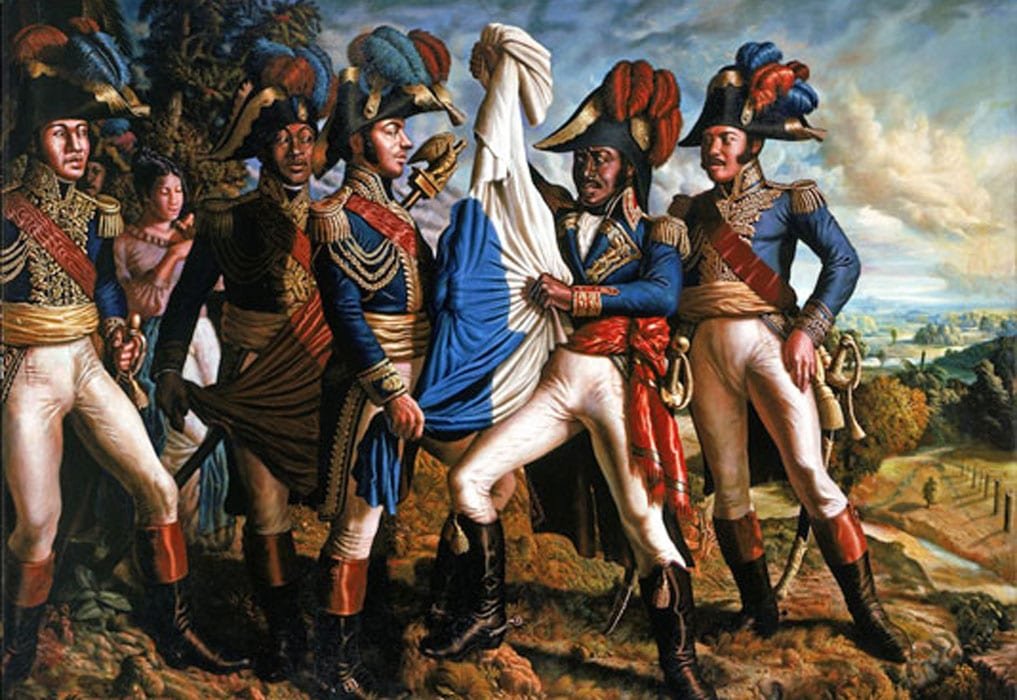
Haiti’s history is marked by founding events, and one of the most significant remains the birth of the Republic of Haïti in 1804. The first president of the Republic of Haiti, a key figure in this history, played a crucial role in the creation of the modern Haitian state. This article invites you to discover the man who marked this major turning point in the history of Haiti: Jean-Jacques Dessalines.

Jean-Jacques Dessalines: The Hero of Independence

Jean-Jacques Dessalines is one of Haiti’s great national heroes, and his role as the first president of the Republic is intrinsically linked to the country’s struggle for independence. Born on September 20, 1758 in the French colony of Saint-Domingue (present-day Haiti), Dessalines was first a slave before becoming one of the most important generals in the war of liberation against the French colonists.

In 1804, after leading Haitian revolutionary forces to a decisive victory over French troops, Dessalines proclaimed Haiti’s independence, becoming the creator of the world’s first independent black republic. Following this victory, he proclaimed himself Emperor James I and later became the first President of the Republic of Haiti, a title he held from 1804 until his death in 1806.

A Revolutionary Leader and a National Hero

Jean-Jacques Dessalines is often seen as the symbol of Haitian resistance and the fight against colonial oppression. His role was not limited to mere military victory, he embodied the will to create a new free and independent state, far from the French colonial grip. Dessalines not only led the war but also made bold decisions to stabilize the new republic.

One of his first actions as an independence leader was to overthrow the colonial system and guarantee equal rights for all citizens of Haiti, especially for the former slaves who now constituted the majority of the population. He established a centralized government and also worked to establish a national army to defend the newly won independence.

Dessalines’ Contributions and Challenges as President

Dessalines’ first term as president was marked by firm and sometimes controversial decisions. After the declaration of independence, he undertook a series of economic and social reforms, aimed at rebuilding the country devastated by the fighting. He took steps to restore order and reorganize the Haitian administration.

However, his government was also criticized for its authoritarianism, including the proclamation of the Empire of Haïti in 1804 and the autocracy he established under the title of Emperor. The concentration of power and drastic measures to maintain national unity caused internal tensions. Dessalines, although a great liberator, was also an unpopular leader for some segments of Haitian society, leading to his tragic assassination in 1806.

The Legend and Legacy of Dessalines

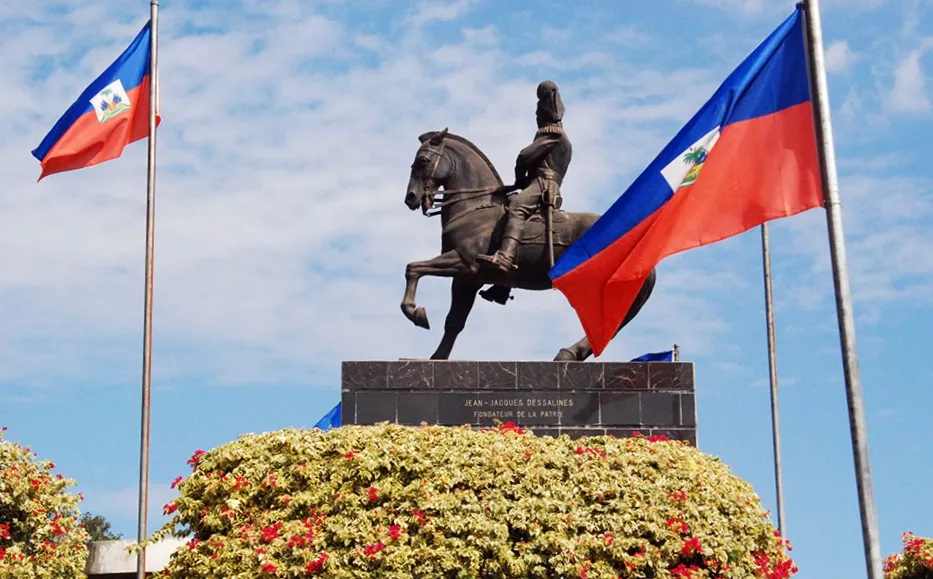
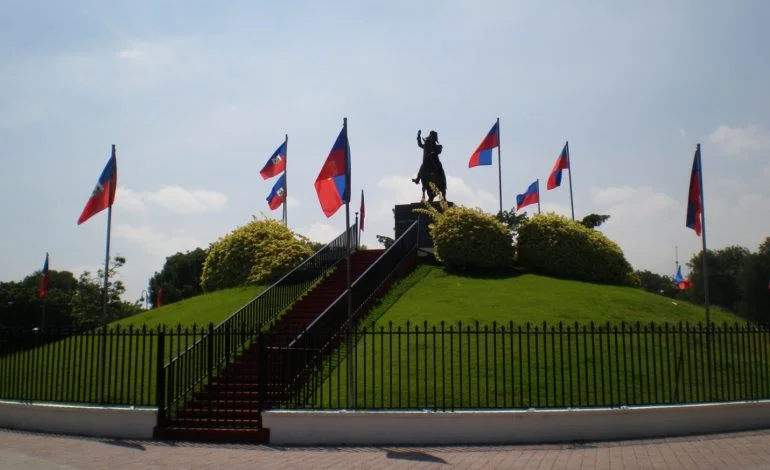
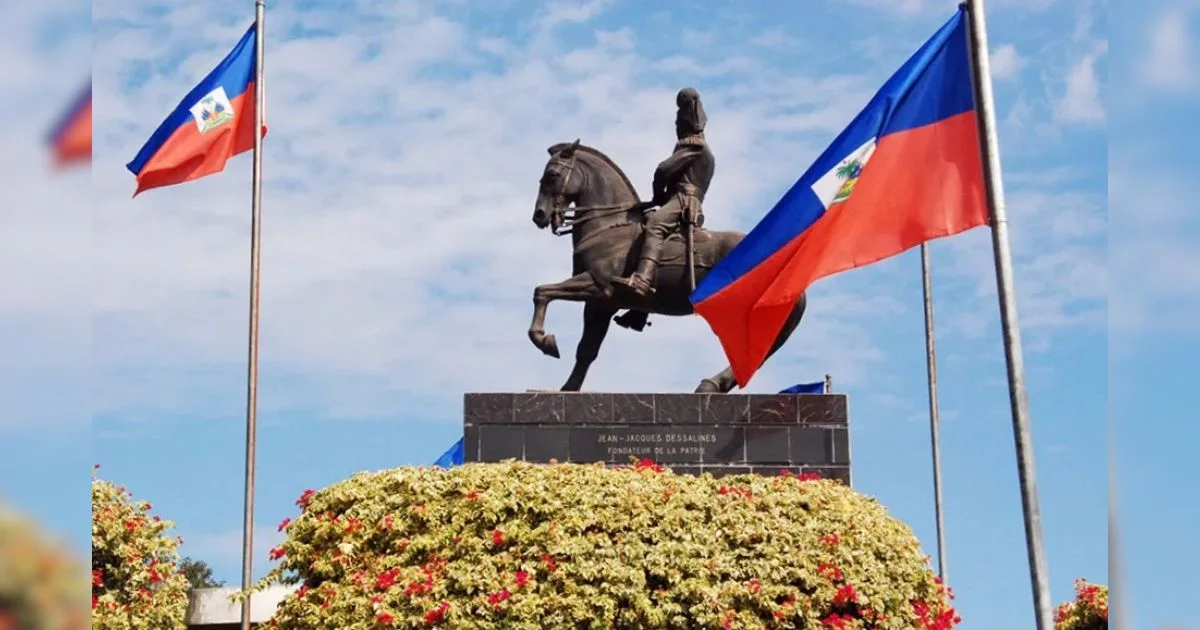
Jean-Jacques Dessalines remains a key figure in Haitian history. To this day, he is celebrated as the founding father of the Haitian nation, and his name is synonymous with freedom and courage. Statues and monuments dedicated to his memory, such as the Jean-Jacques Dessalines Square in Port-au-Prince, serve as reminders of his importance in the country’s history.

Dessalines’ legacy is also embodied in the many national commemorations and celebrations of January 1, Haiti’s Independence Day, when Haitians remember their struggle for freedom.

An Iconic Figure of Haiti’s Independence

The first President of the Republic of Haiti, Jean-Jacques Dessalines, is not only a historical figure of the past, he remains a symbol of the independence and resilience of the Haitian people. His actions as a revolutionary leader and president shaped the Haitian nation as it is today. Through his accomplishments and trials, he laid the foundation for a free and sovereign country.

If you have any other information or anecdotes about Jean-Jacques Dessalines, please share them in the comments to enrich our understanding of this exceptional man.

Holidays in Haiti
Holidays in Haiti

Holidays in Haiti

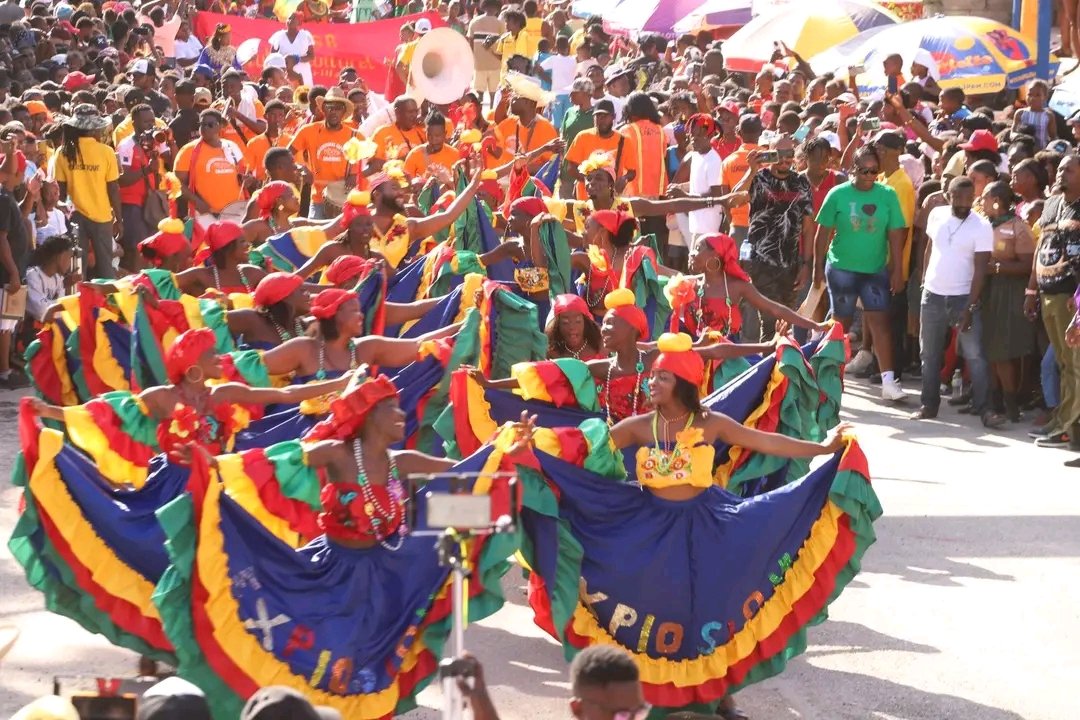
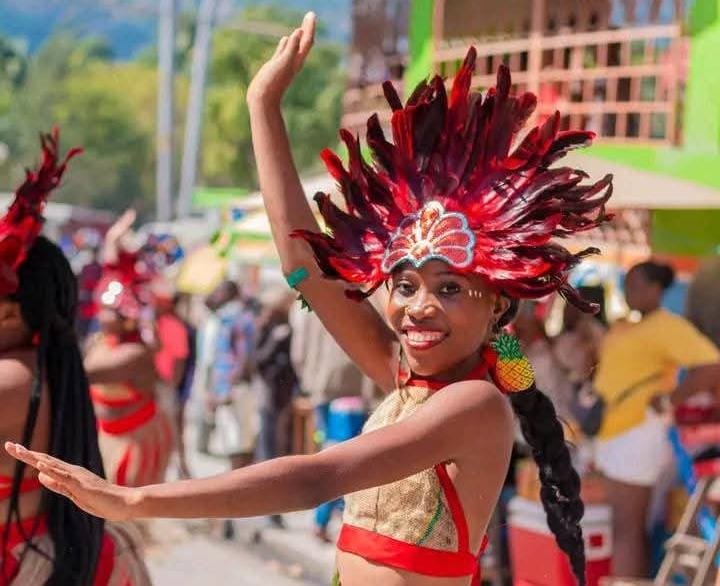
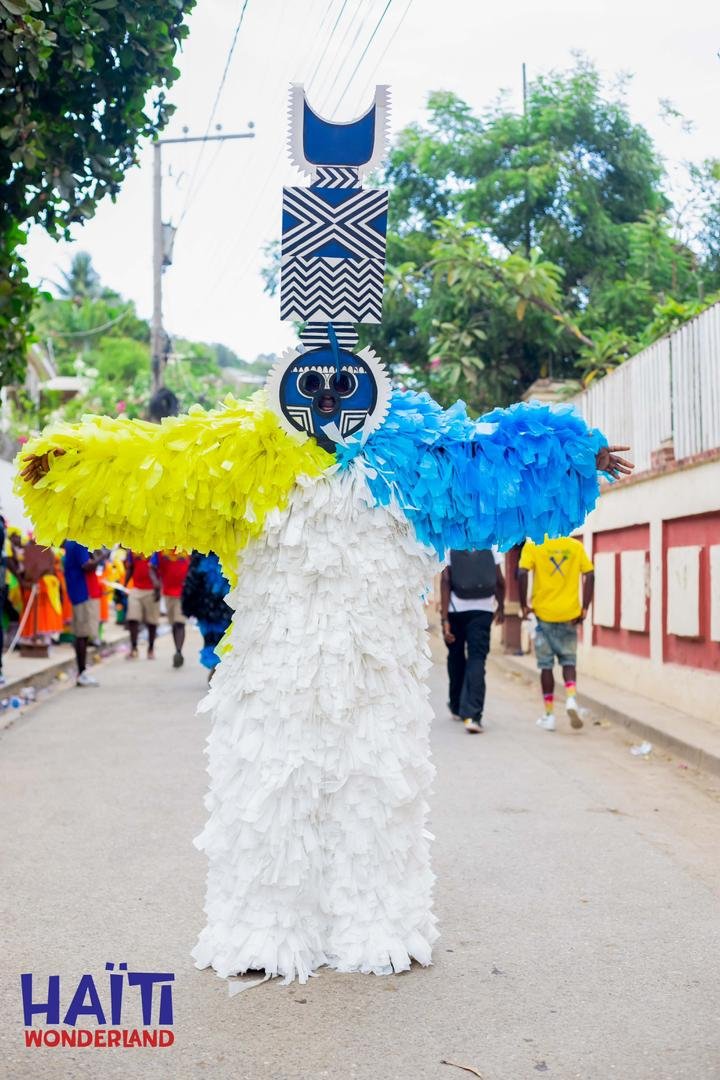
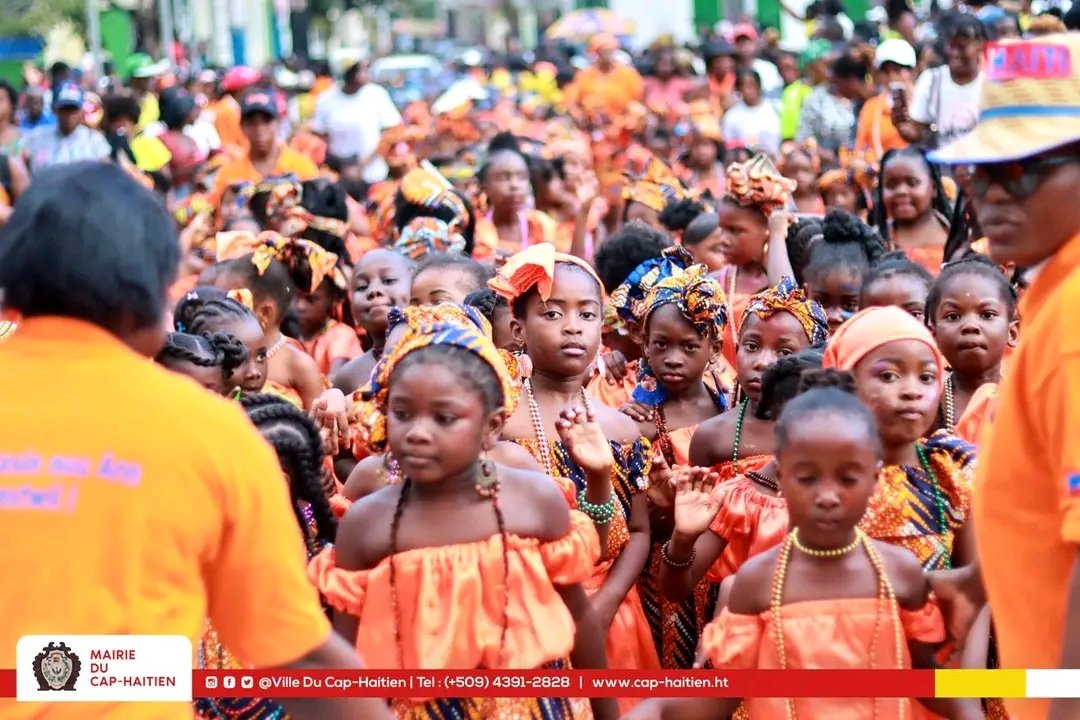
Haiti, the pearl of the Antilles, is a country rich in history and culture. Its public holidays are moments of celebration, commemoration and reflection on its glorious past. Each date has a special meaning, plunging Haitians into a festive and memorable atmosphere. b~January 1: National Independence Day and New Year~b January 1st is a doubly special day in Haiti. On the one hand, it is National Independence Day, commemorating the victory of Haitian slaves over French colonial forces in 1804. On the other hand, it is New Year’s Eve, marking the start of a new year full of promises and hopes. b~January 2: Feast of the Forefathers~b January 2 is dedicated to the memory of ancestors. It is an opportunity for Haitians to remember their roots, to celebrate the cultural heritage passed down from generation to generation. b~February: Carnival, Shrove Monday, Fat Tuesday, Ash Wednesday~b The month of February is marked by Carnival, one of the most colorful and dynamic festivities in Haiti. The streets fill with parades, lively music and wild dancing. Mardi Gras is the culmination of Carnival, followed by Ash Wednesday, marking the start of Lent. b~April: Easter, Maundy Thursday, Good Friday~b Easter celebrations in Haïti include the religious traditions of Maundy Thursday and Good Friday. It is a time of prayer and reflection for many Haitians. b~May 1: Agriculture and Labor Day~b May 1 is dedicated to celebrating the work and importance of agriculture in the life of the country. It is an opportunity to recognize the efforts of workers and to highlight the agricultural sector. b~May 18: Flag Festival~b Flag Day celebrates the Haitian flag, a symbol of independence and national pride. Haitians honor their colors and remember the courage of their ancestors in the fight for freedom. b~May 23: National Sovereignty Day~b This day commemorates the recognition of Haitian sovereignty by France in 1805. It is a moment of national pride and reaffirmation of independence. b~May - August: Ascension~b The Ascension is celebrated between May and August, a religious festival marking the ascension of Jesus Christ into heaven. b~June: Fête-Dieu~b Fête-Dieu, also known as the Feast of the Body and Blood of Christ, is an important religious celebration in June. b~August 15: Assumption of Mary~b The Assumption of Mary is a Christian holiday marking the ascension of the Virgin Mary into heaven. It is celebrated with fervor in Haiti. b~September 20: Birth Anniversary of Jean-Jacques Dessalines~b This date commemorates the birth of Jean-Jacques Dessalines, one of the founding fathers of Haïti and a key leader in the struggle for independence. b~October 17: Death of Dessalines~b October 17 is a day of commemoration of the death of Jean-Jacques Dessalines, recalling his impact on Haitian history. b~November 1: All Saints’ Day~b All Saints’ Day is a religious holiday honoring all saints, celebrated with prayers and visits to cemeteries. b~November 2: Day of the Dead~b All Souls’ Day is an opportunity to pay homage to the deceased by decorating graves and participating in religious ceremonies. b~November 18: Commemoration of the Battle of Vertières~b This day honors the decisive Haitian victory at the Battle of Vertières in 1803, marking the end of the French occupation. b~December 5: Discovery Day~b December 5 celebrates the discovery of the island by Christopher Columbus in 1492. b~December 25: Christmas~b Christmas celebrations in Haïti are marked by family reunions, festive meals and religious traditions. Public holidays in Haïti are much more than breaks from everyday life; these are moments that embody the soul and resilience of a people. Each celebration provides an opportunity to come together, remember the past and look to the future with hope and determination.

Share
About the Author
Appolon Guy Alain
Appolon Guy Alain
Appolon Guy Alain

Full Stack Developer, Créatif, expérimenté, passionné des nouvelles technologies et de l’art.

See other articles from Appolon Guy Alain
Leave a comment

Recently Posted

Newsletter

Subscribe to our newsletter to stay informed of all our activities and news on Haiti.

Haïti: The Pearl of the Antilles

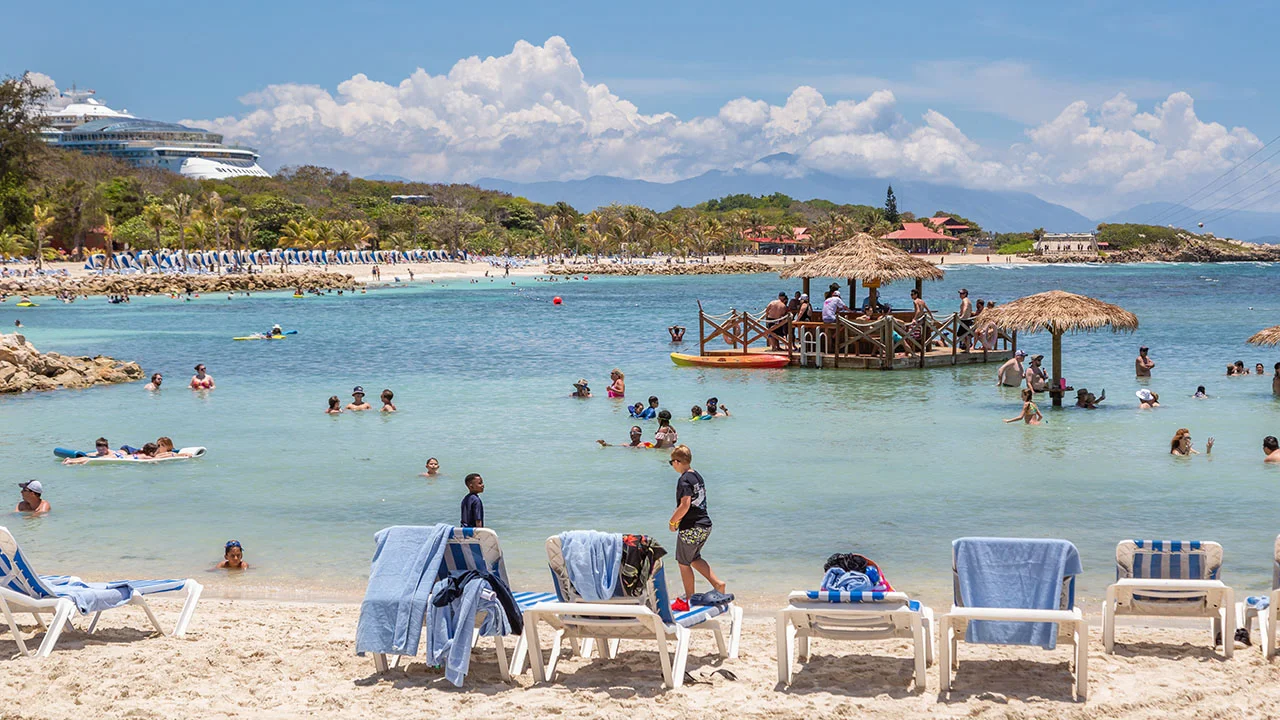
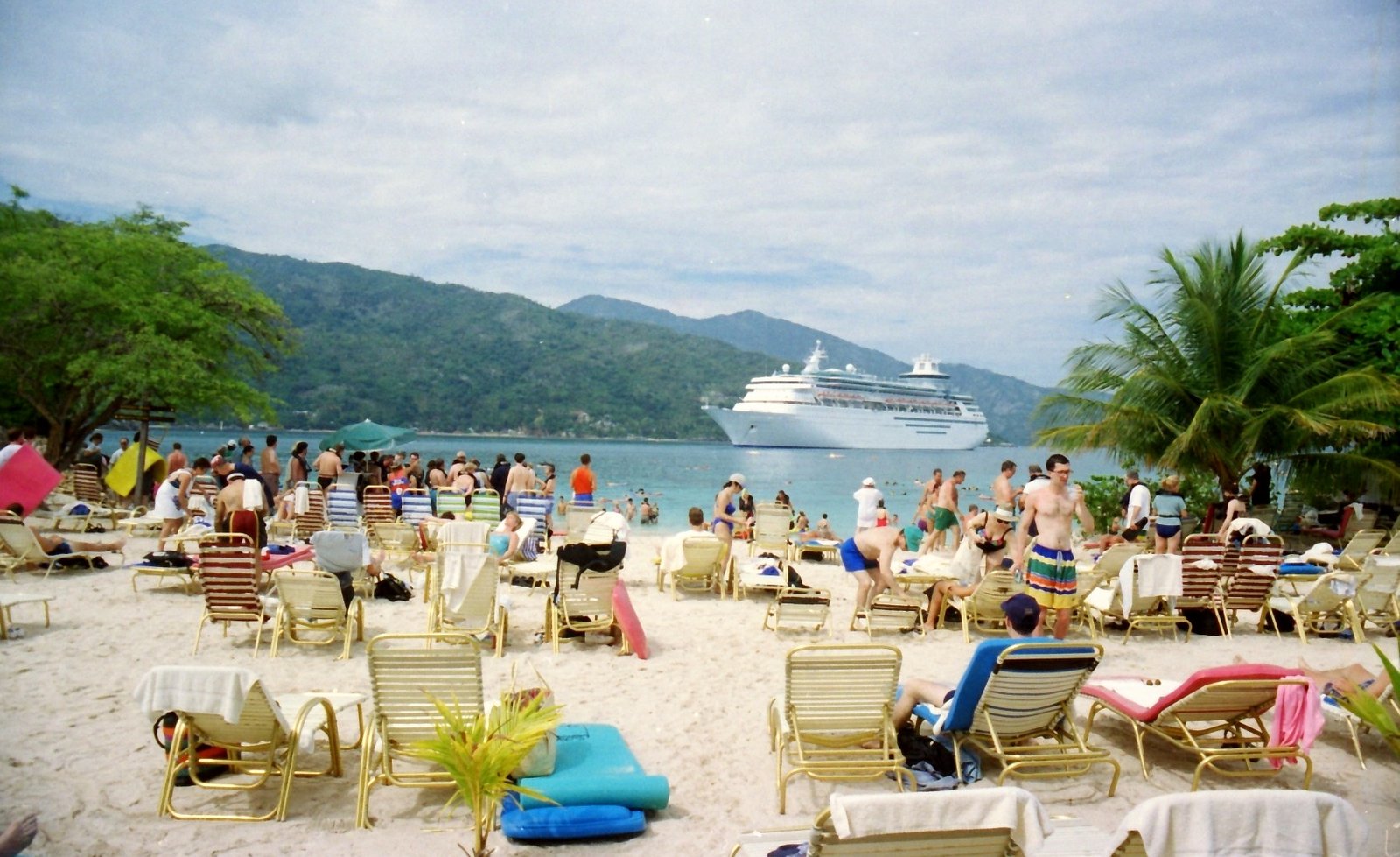
Located in the Caribbean Sea, Haïti is often nicknamed "The Pearl of the Antilles". This laudatory title not only reflects the beauty of its idyllic beaches, but also the history, culture and natural wealth of this island nation. Throughout the centuries, Haïti has acquired this prestigious reputation for various reasons, which go beyond its picturesque landscapes. b~Natural Beauty:~b Haïti is blessed with an abundance of natural beauty. Its sandy beaches, crystal clear waters, majestic mountains and lush valleys make it a dream destination for travelers from all over the world. Generous nature has endowed Haïti with impressive ecological diversity, which has helped shape its image as the pearl of the Antilles. b~Cultural Wealth:~b Beyond its landscapes, it is the richness of Haïtian culture which contributes to its reputation as a pearl. Haïti has a fascinating history, blending influences from indigenous Taino people, European settlers and African slaves. This cultural fusion gave rise to a unique artistic and musical tradition, embodied in expressions such as voodoo, naive painting and compass music. b~Historical Heritage:~b Haïti has played a central role in the history of the struggle for freedom and equality. In 1804, it became the first independent republic in Latin America and the Caribbean, after a revolution led by freed slaves. This courageous act of independence established Haïti as a symbol of resistance and determination, adding a historic dimension to its status as the pearl of the Antilles. b~Natural Resources~b Haïti is abundant in valuable natural resources, which has contributed to its nickname as the Pearl. Mineral-rich mountains, fertile soils and abundant water reserves have made Haïti a land of opportunity. Haïti, the pearl of the Antilles, is much more than just a tourist destination. It is a country whose natural beauty, cultural richness, historical heritage and natural resources contribute to a unique identity. It remains a jewel in the crown of the Caribbean, reminding the world of the strength and resilience of the Haïtian people.
Recently Posted

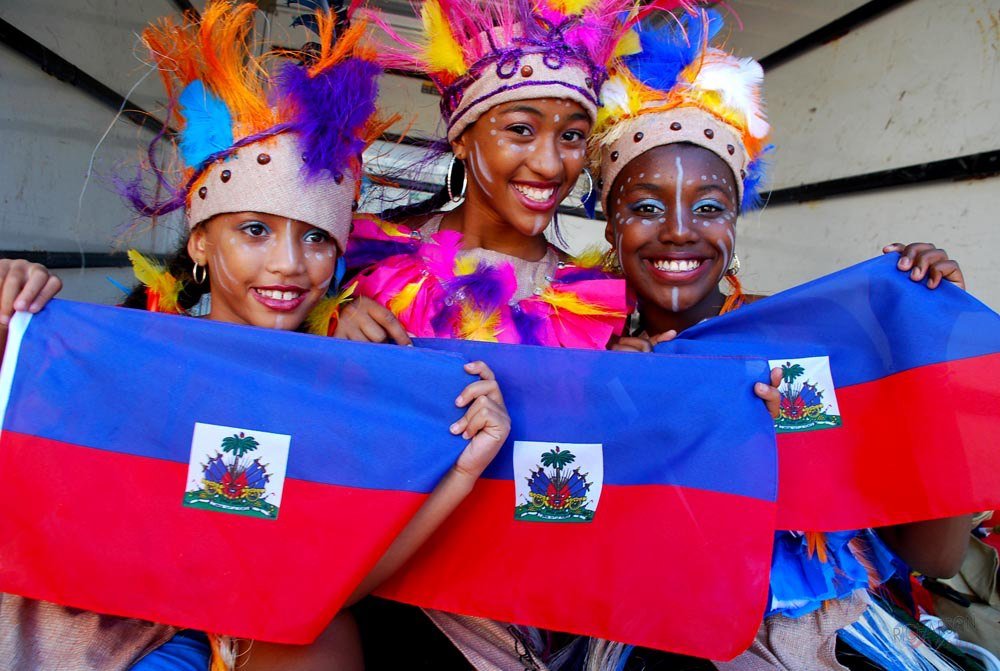
History

History

First black nation to free itself from slavery and gain independence from France in 1804 and influenced other liberation movements around the world, inspiring struggles for freedom and equality.

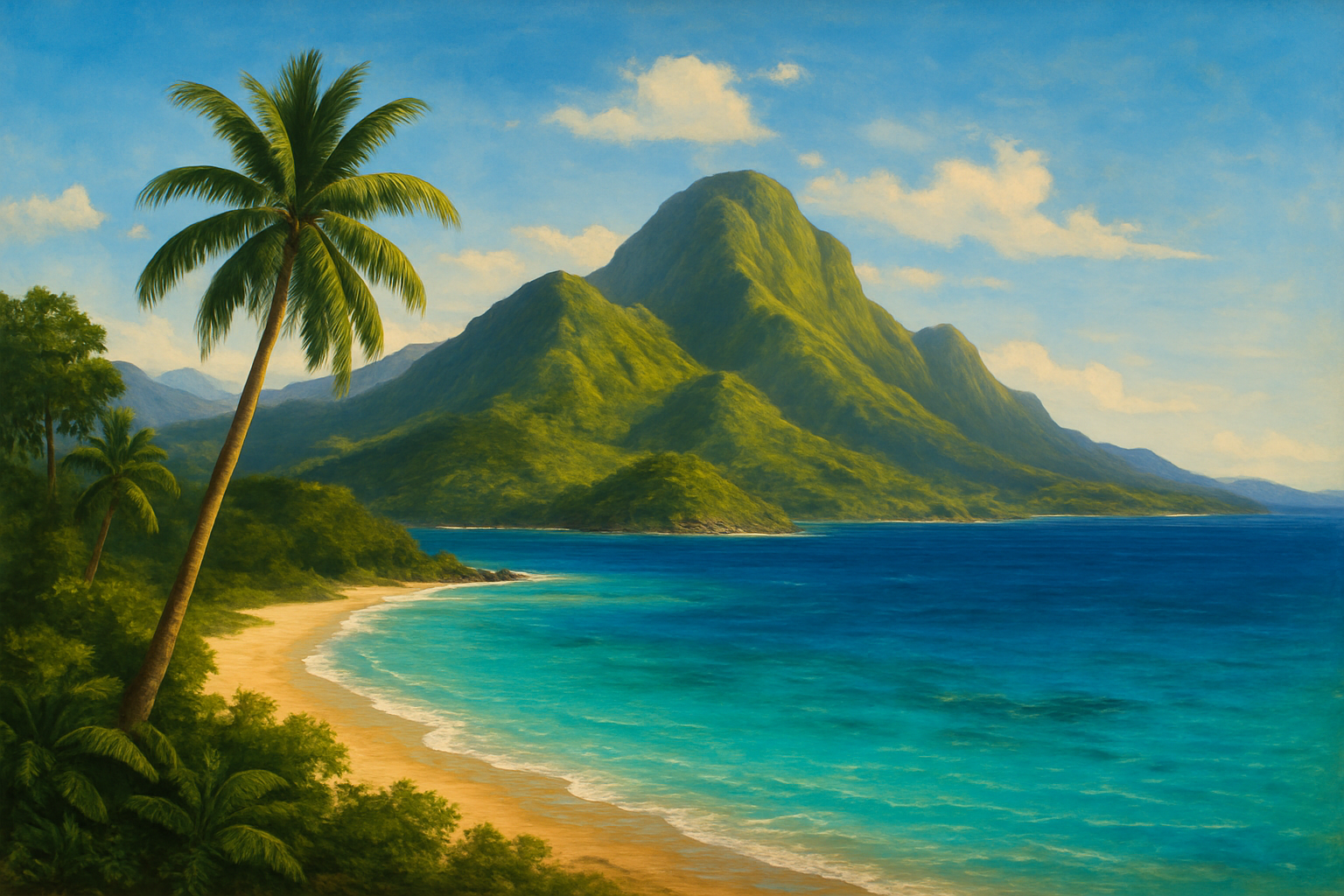
Natural beauty

Natural beauty

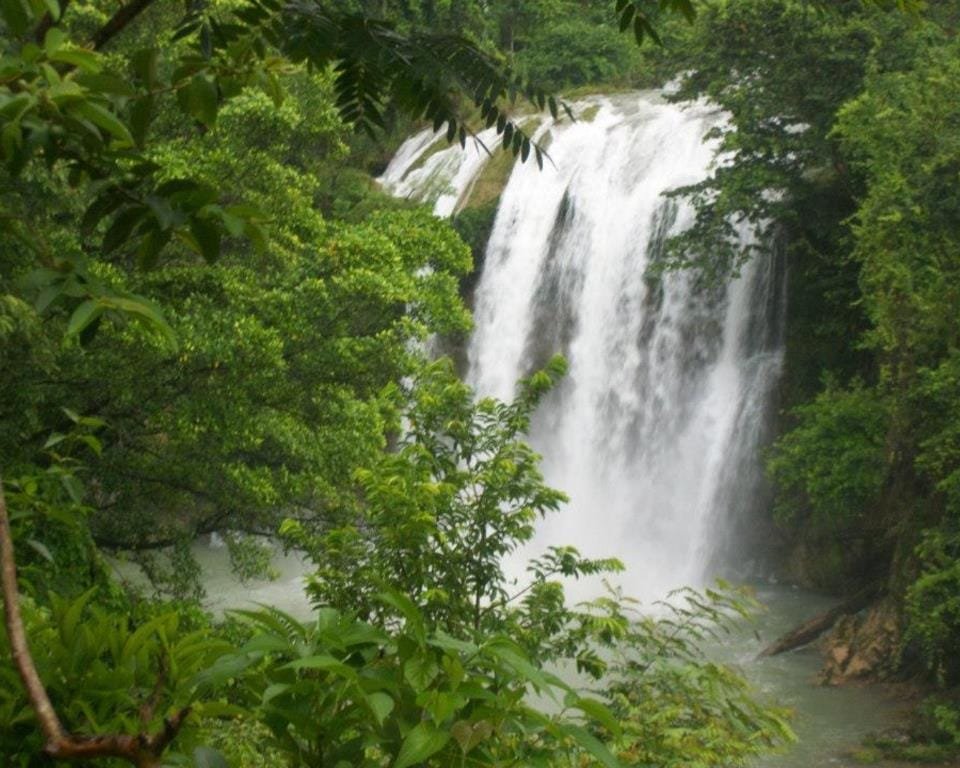
Haïti is blessed with spectacular natural landscapes, including white sand beaches, mountains and rich biodiversity.

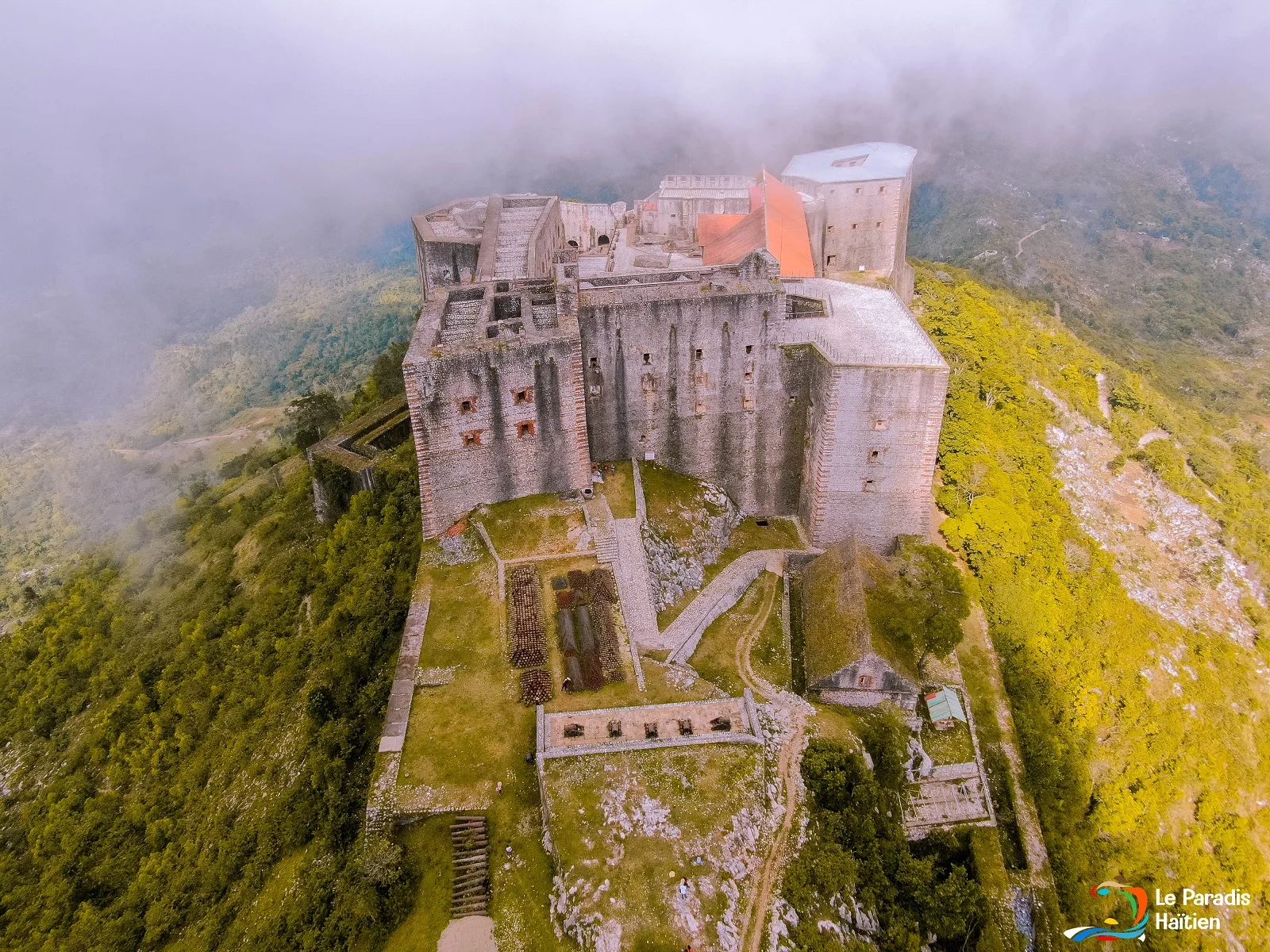
Heritage

Heritage

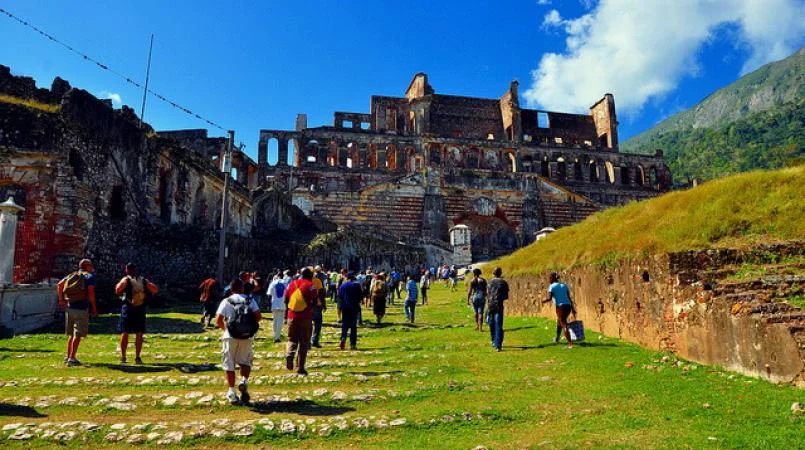
Haïti has a rich historical heritage, including sites like the Citadelle Laferrière and the Sans-Souci Palace, listed as UNESCO World Heritage Sites.

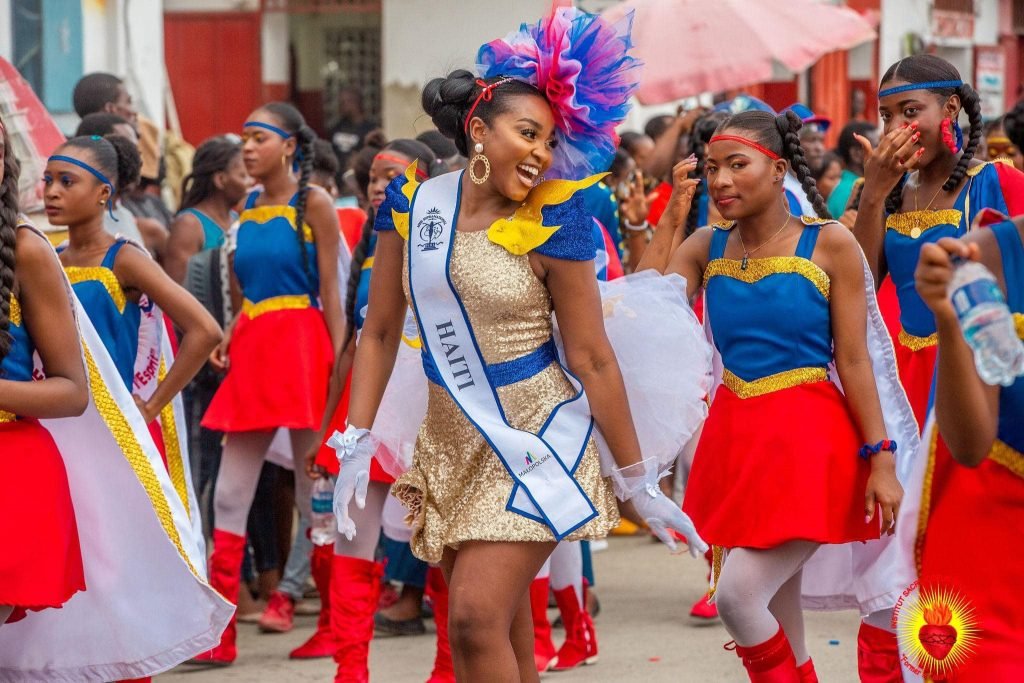
Culture

Culture

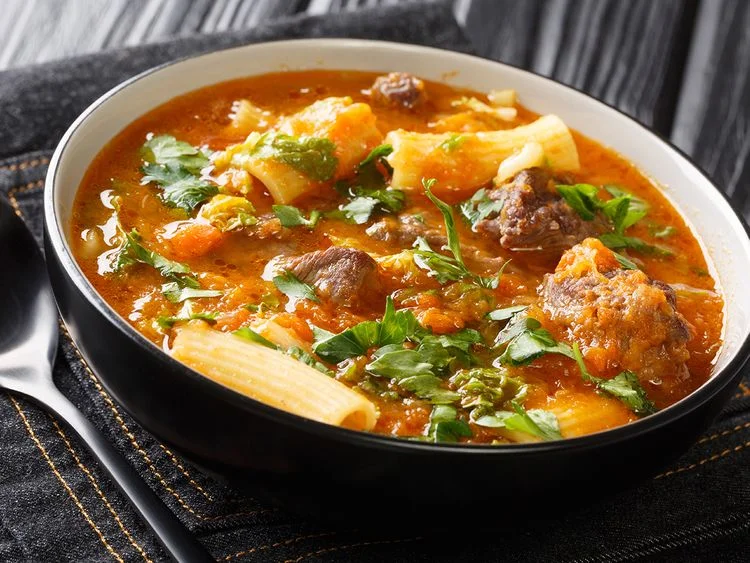
Haïti has a rich and diverse culture, influenced by African, European and indigenous elements. Haitian music, dance, art and cuisine are celebrated around the world.

  • +
    • Post