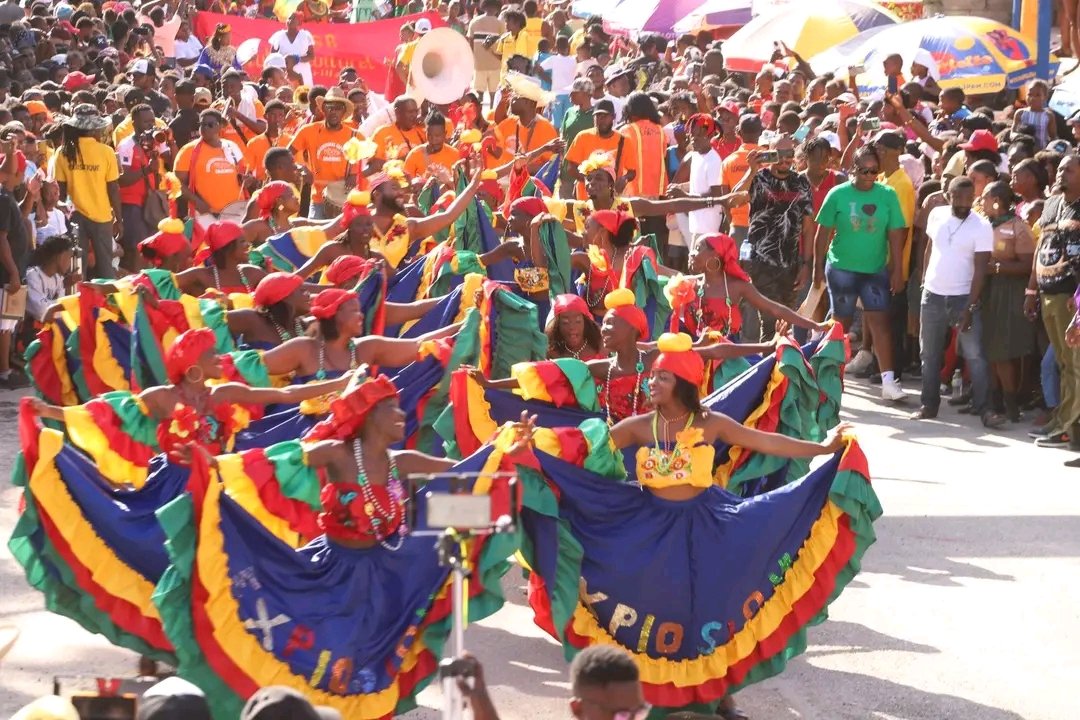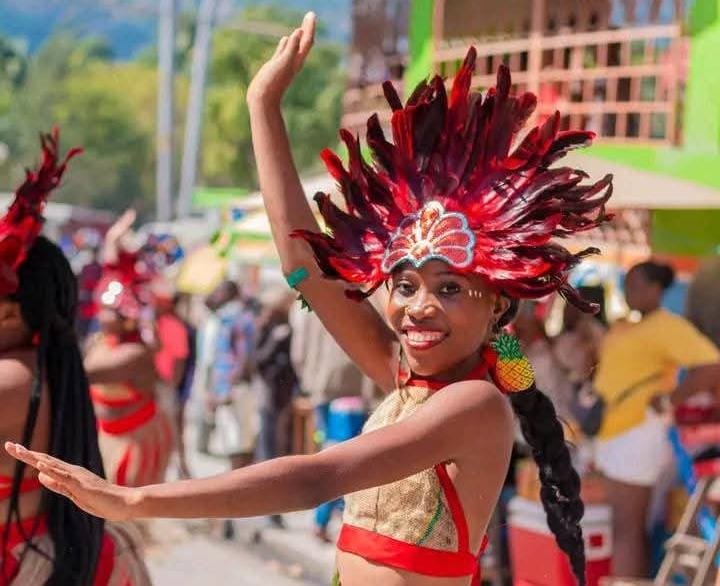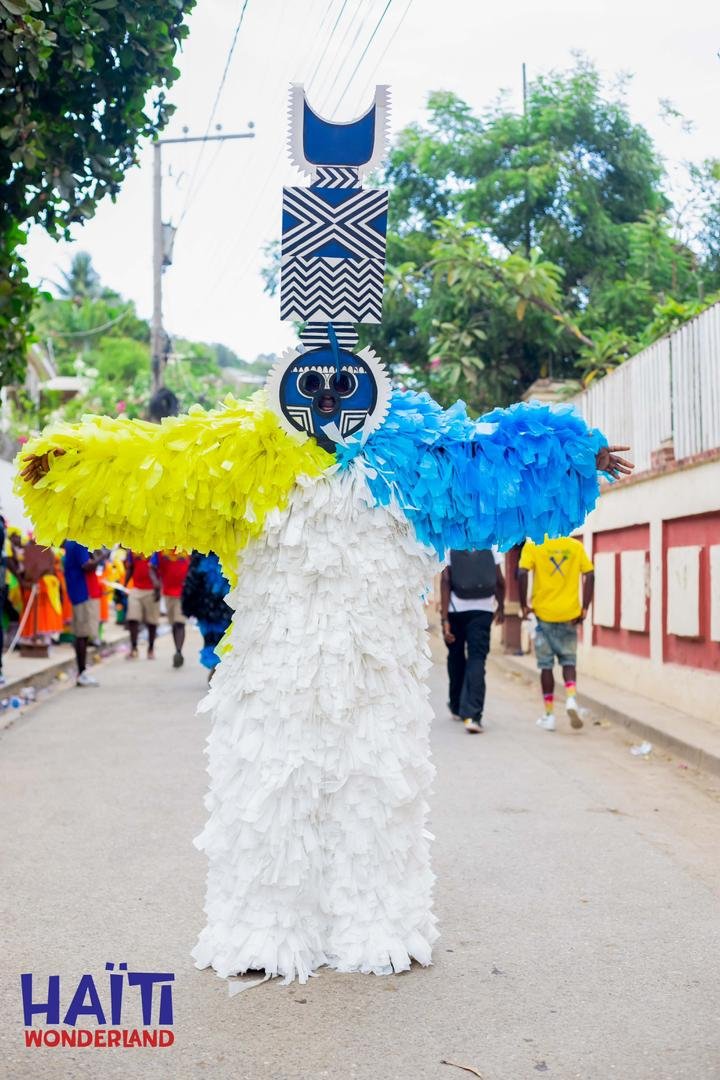








Children’s Carnival in Cap-Haïtien: A festive atmosphere in the heart of the city
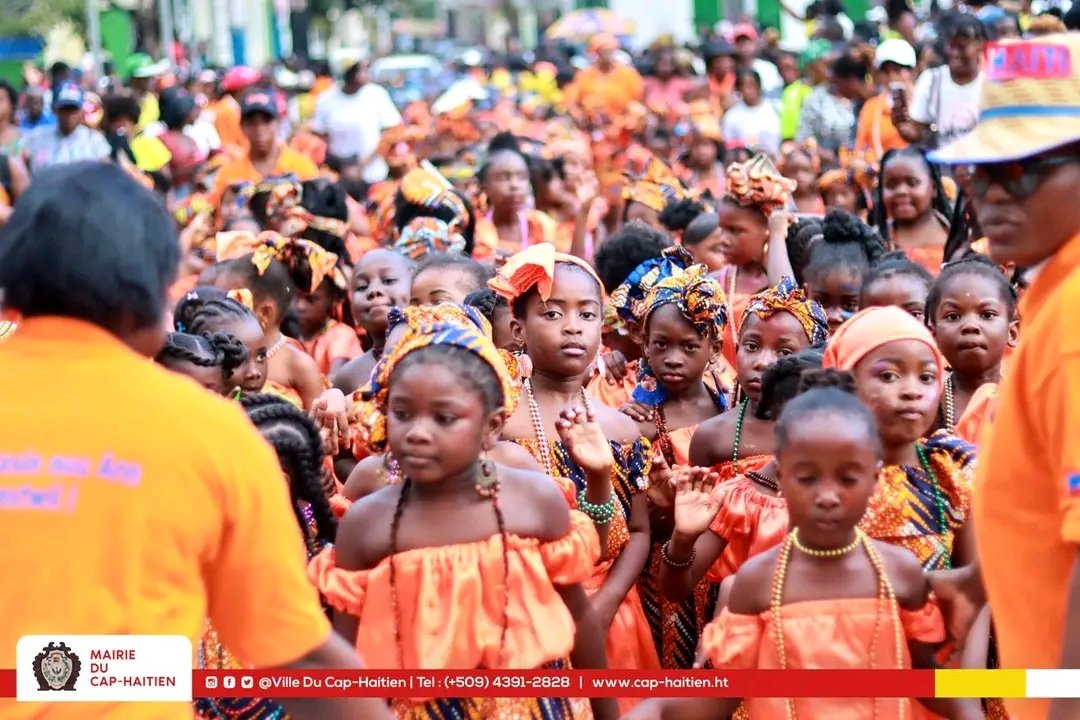
Discover the Children's Carnival in Cap-Haïtien, a joyful celebration full of color and Haitian traditions!
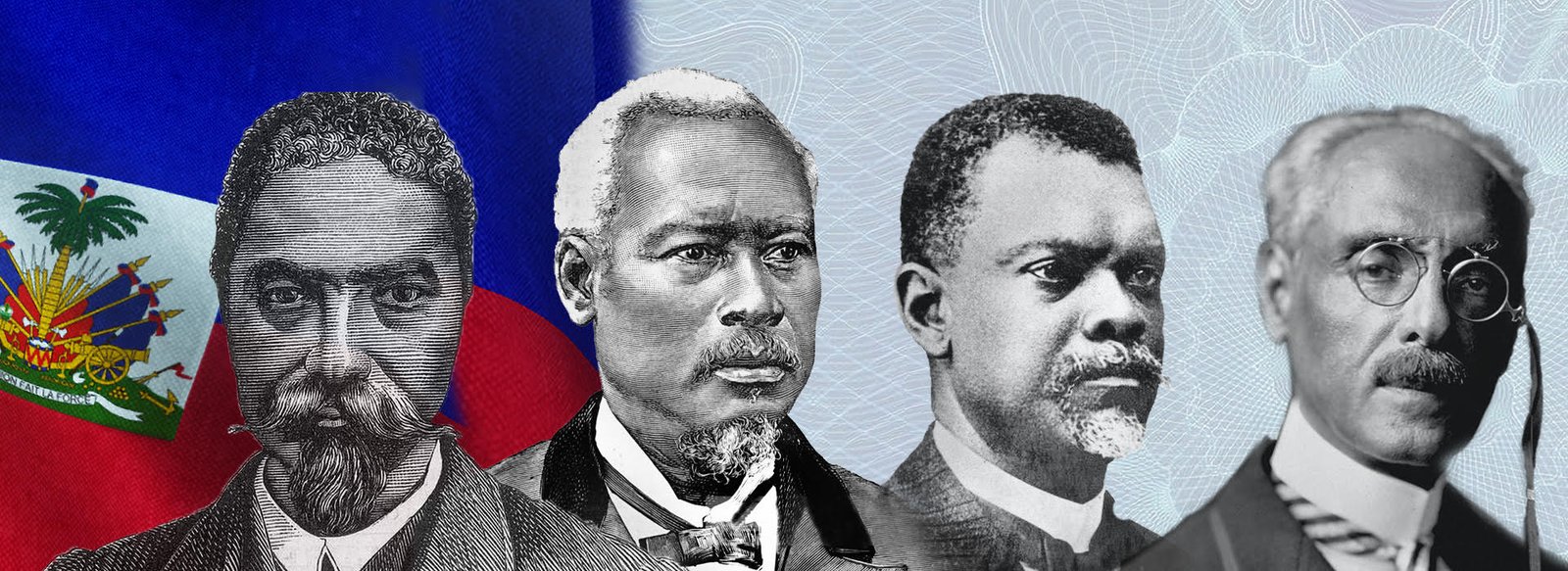
Since its independence in 1804, Haïti has experienced a series of presidents who have each marked the country’s history in different ways. This article presents a list of Haiti’s presidents, highlighting their background and impact on the nation. This retrospective offers an overview of the political, economic and social challenges that Haïti has faced throughout the decades.
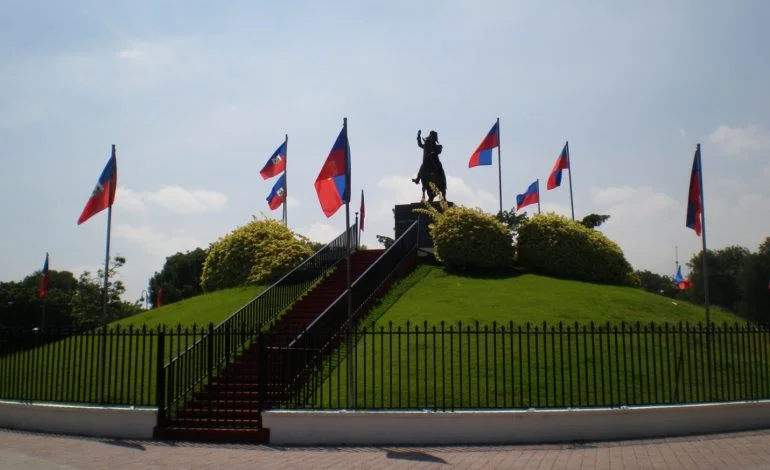
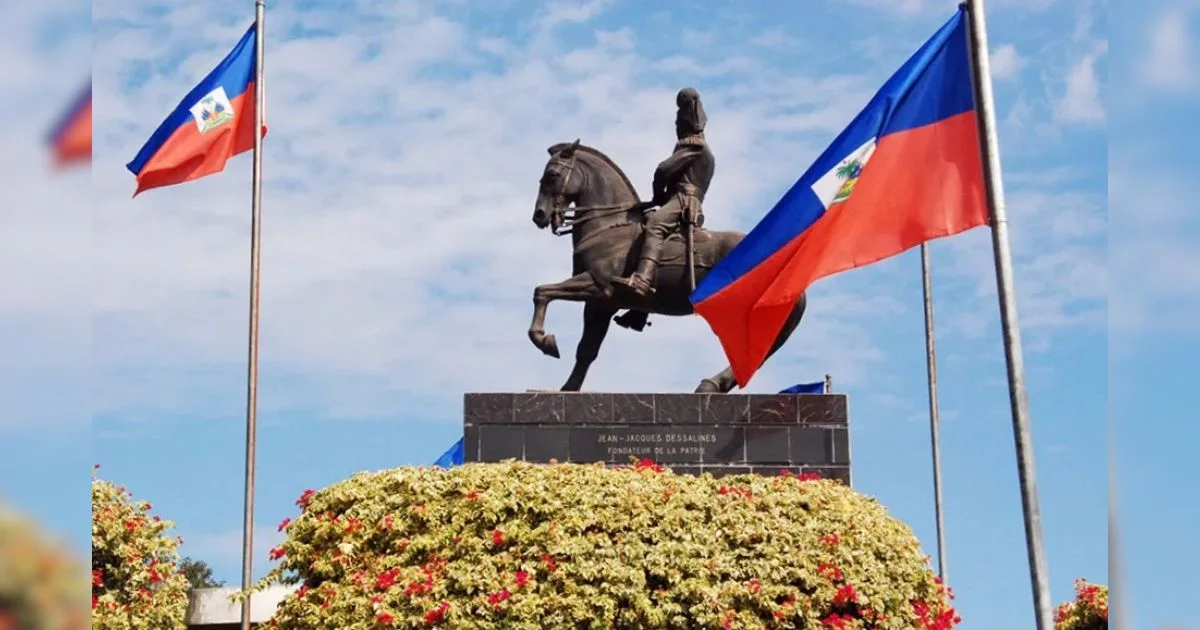
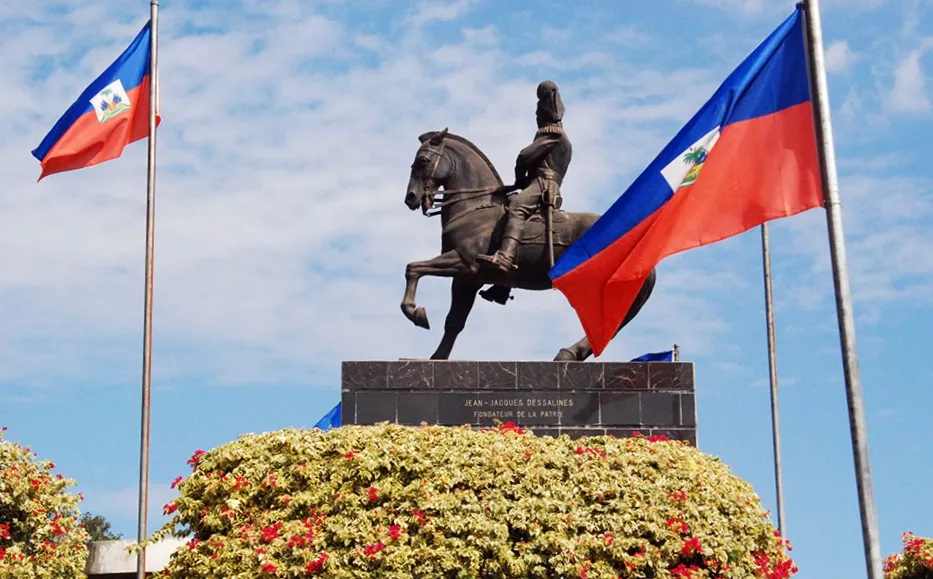
Jean-Jacques Dessalines is an emblematic figure in modern world history for his fruitful involvement in the fight against the slave system. Through his dedication and courage, he embodied the indomitable spirit of an entire black people forcibly deported from the African continent, implanted by this same violent mechanism, in America to suffer, but determined to free themselves from oppression by forging their own destiny despite all the risks and difficulties. Dessalines’ entire life, his entire journey bears the mark of a life inscribed in the fight to free his loved ones. His unfailing determination and passion for freedom made him a living symbol of resistance for all the oppressed nations of the earth, more than two centuries after his death. We wrongly associate the image of Jean-Jacques Dessalines with chaos. The sole aim is to discredit his immense legacy before the eyes of history. “Koupe tèt, boule Kay” is the preferred expression to use for such purposes against his character, along the way, expressly forgetting the historical context hidden in the back of the “koupe tèt boule Kay” in question, also refusing to register this approach historical in the logic of a just and courageous stand, in the face of a barbaric, slavery system, devoid of morality and humanity.
Cap-Haïtien, Haiti’s historic jewel, is home to a fascinating architectural relic: Fort Picolet. Built at the end of the 18th century by the French, this imposing bastion majestically dominates the bay of Cap-Haïtien, bearing witness to the tumults of Haitian history and the fierce struggle for independence. The history of Fort Picolet is closely linked to that of Haiti, particularly at the time of the Haitian Revolution. During this tumultuous period, when slaves and freedmen rose up against colonial oppression, the fort was the scene of epic battles and fierce sieges. Sometimes used by French forces, sometimes by Haitian revolutionaries, Fort Picolet was a silent witness to the events that shaped the destiny of the nation. Designed with a strategic vision, the fort embodies the military architecture of its era. Its thick stone walls, strategically positioned cannons and viewpoints overlooking the bay make it an impregnable bastion. Its name, Fort Picolet, pays homage to General Louis Marie, Marquis de Picolet, French governor of Cap-Français at the end of the 18th century. Today, Fort Picolet remains much more than a simple historical monument. It is a living symbol of the resilience and determination of the Haitian people. Visitors who wander through its ruins can feel the imprint of history and contemplate the remains of a tumultuous past. From up there, a panoramic view of the bay of Cap-Haitien is available to them, offering a unique perspective on the strategic importance of this place in the maritime history of Haiti. As a pillar of Haitian tourism, Fort Picolet attracts visitors from around the world. Its historical aura, combined with the natural beauty of its environment, makes it a must-see destination for history and culture lovers. More than just a tourist attraction, Fort Picolet is a poignant testimony to the endless struggle for freedom and the cultural richness of Haiti. Throughout the centuries, Fort Picolet has survived the test of time, reminding everyone that freedom is an inalienable right, hard won and carefully preserved. By exploring its ramparts, contemplating its silent cannons, visitors find themselves immersed in the tormented history of Haiti, a story of courage, resistance and hope. Live an extraordinary experience by virtually visiting the ruins of Fort Picolet: https://haitiwonderland.com/haiti-virtual-reality-ht/monuments-histoire/haiti--fort-picolet--visite-virtuelle/14
Haiti, a Caribbean island country, is much more than just a tourist destination. It embodies a symbol of resistance, freedom and the struggle for emancipation, a historical example for the whole world. In this article, we will explore why Haïti is considered a true symbol of freedom, by highlighting its history, culture and its essential role in the fight against oppression.
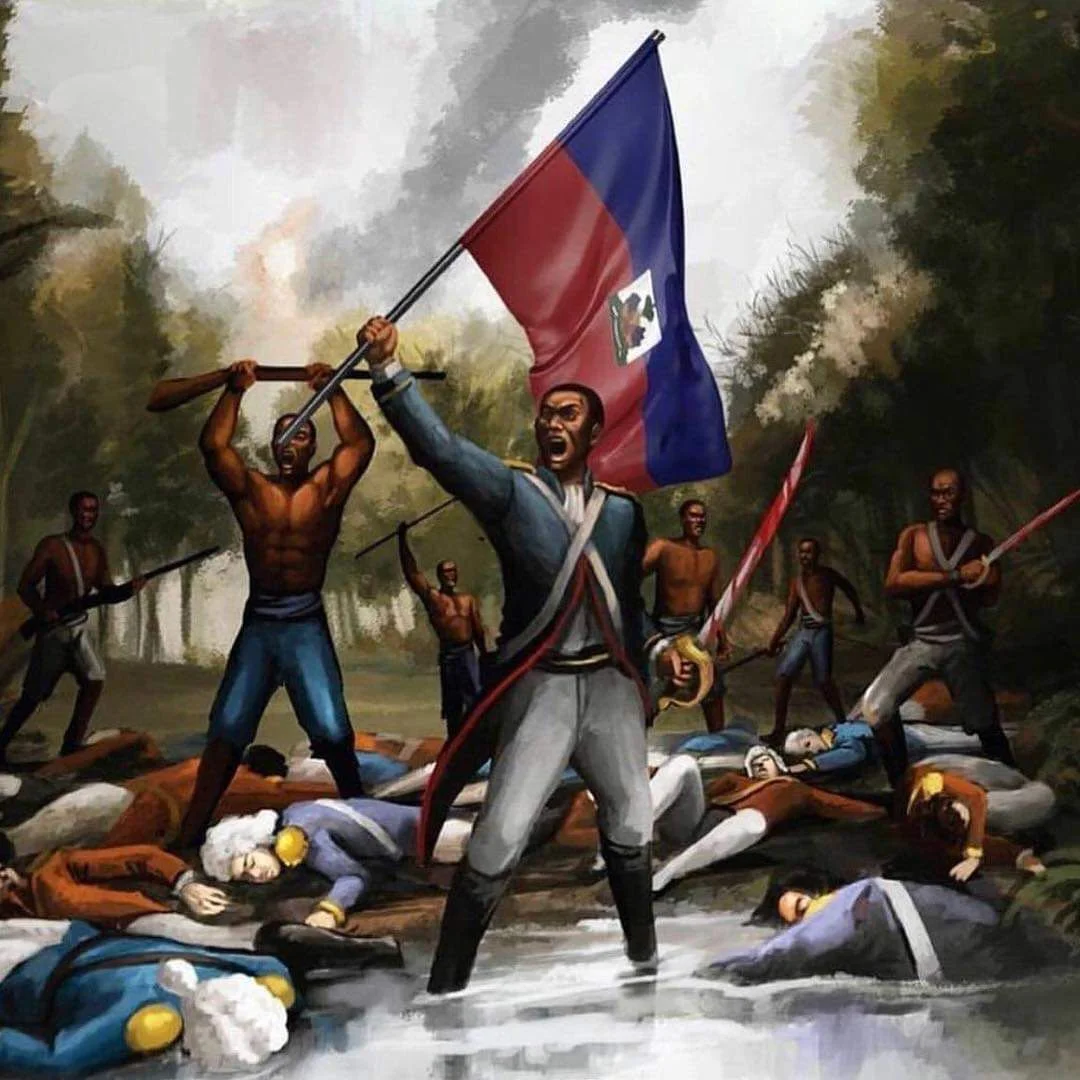
Haiti, the pearl of the Antilles, is a Caribbean island with a rich and complex history. However, its special status as the world’s first free black nation gives it a unique place in the annals of history. This small island was the scene of an extraordinary revolution which resulted in independence, thus marking the beginning of a new era for the black community and the abolition of slavery. Let’s delve into the captivating story of the birth of the first black republic, Haiti. b~The colonial era and slavery~b Haiti’s history dates back to the arrival of Europeans in the 15th century, when Christopher Columbus discovered the island. European settlers, mainly Spanish and French, introduced slavery to exploit the island’s resources, including sugar, coffee and cotton. The indigenous Native American population was decimated, paving the way for the massive importation of African slaves. b~The Haitian Revolution~b On August 14, 1791, Haitian slaves rose up against their oppressors, sparking the Haitian Revolution. Under the leadership of iconic figures such as Toussaint Louverture, Jean-Jacques Dessalines and Henri Christophe, the insurgent slaves inflicted defeats on European armies, demonstrating fierce resistance and a desperate quest for freedom. b~The Declaration of Independence and the creation of the Republic of Haiti~b On January 1, 1804, Haïti proclaimed its independence, becoming the world’s first free black nation. This historic declaration symbolized the end of slavery and the triumph of the will of a people determined to live free. The Republic of Haïti was born in struggle and blood, asserting its autonomy in the face of the colonial powers. b~Post-independence challenges~b However, independence did not mean the end of challenges for Haiti. The country had to face external pressure, reparations imposed by France in exchange for recognition of its independence, as well as internal unrest. Despite these obstacles, Haïti strove to build a free and sovereign nation. The story of Haïti is that of a nation that overcame countless challenges to emerge as a pioneer of freedom for the black population. The Haitian Revolution remains a unique example of resistance, courage and determination, and Haïti continues to carry the torch of independence in the contemporary world. The legacy of this small Caribbean island still resonates today, reminding the world that freedom is a universal right that can be won even in the most difficult circumstances.
Haiti, nestled in the Caribbean, is often recognized for its picturesque beaches and rich culture. However, this island country also carries a deep and significant historical legacy: that of being the first black country to gain independence and abolish slavery, becoming a powerful symbol of freedom and resistance.
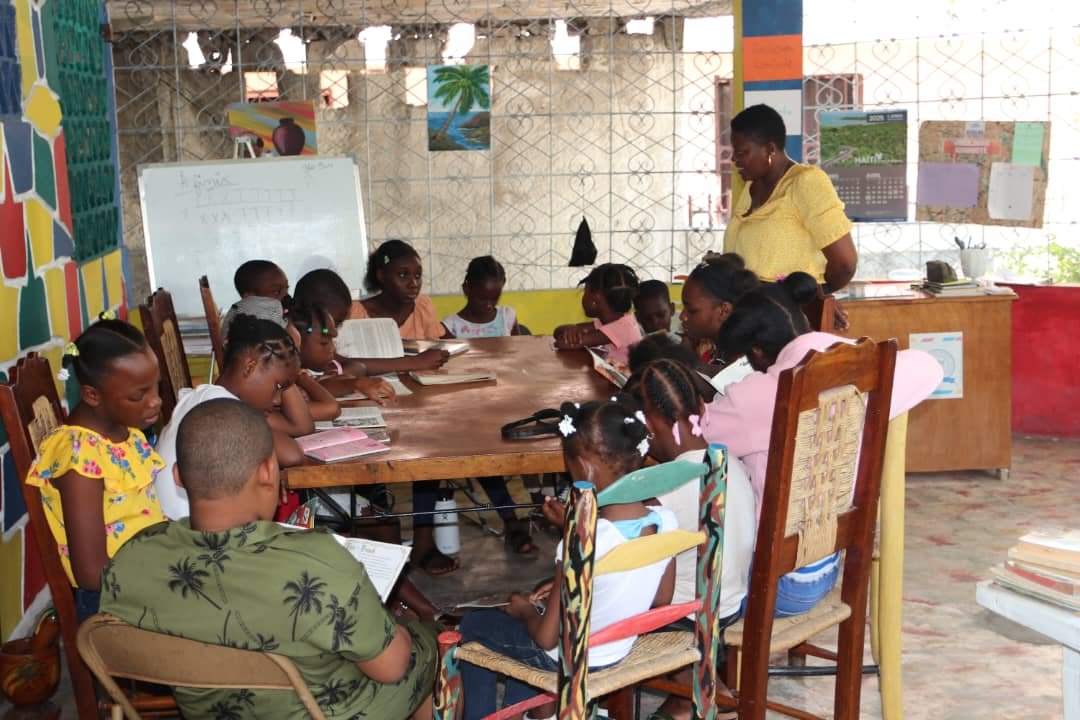
The Haitian Creole, born in the 17th century during the French colonization on the island of Hispaniola, is not only a communication tool; it is an essential part of the Haitian identity. Despite being recognized as an official language in 1987, French is still considered an elite language, creating a social divide. In the educational system, where French is the language of instruction, Creole is often neglected, which affects the ability of students to understand what they are learning, especially for children from rural areas. It has a unique grammatical structure that facilitates learning, and serves as a means of cultural expression in literature, music, and other arts. The advancement of technology will allow Creole to gain more visibility in social media, but the stigmatization of the language still exists. Therefore, it is important for Creole to be valued in education and other sectors, to allow the new generation to grow up with pride for their heritage. The Haitian Creole language, which is the first language for the majority of people in Haiti, is not only a means of communication, but it is also a reflection of the cultural wealth and history of the people. In a country full of diversity, Creole and its origin, its evolution and its place in society, is a testimony of resistance and adaptation.
The Battle of Savannah, which took place in October 1779, is recognized as a crucial turning point in the American Revolution. This major conflict, where American and French forces fought against the British, was also marked by the remarkable participation of Haitian soldiers. Among them, the future king of the northern part of Haiti, Henri Christophe, who was wounded by a bullet during this battle. Their contribution was decisive, highlighting the international solidarity in the quest for freedom and independence that characterized this era.
The history of Haïti and France is a complex and tumultuous saga, marked by conflict, struggles for freedom, and lasting impacts on both nations. This story begins in the 17th century and continues to resonate in contemporary relations between the two countries. This article explores the key moments of this historic relationship, highlighting the sacrifices, struggles, and economic issues that defined it.
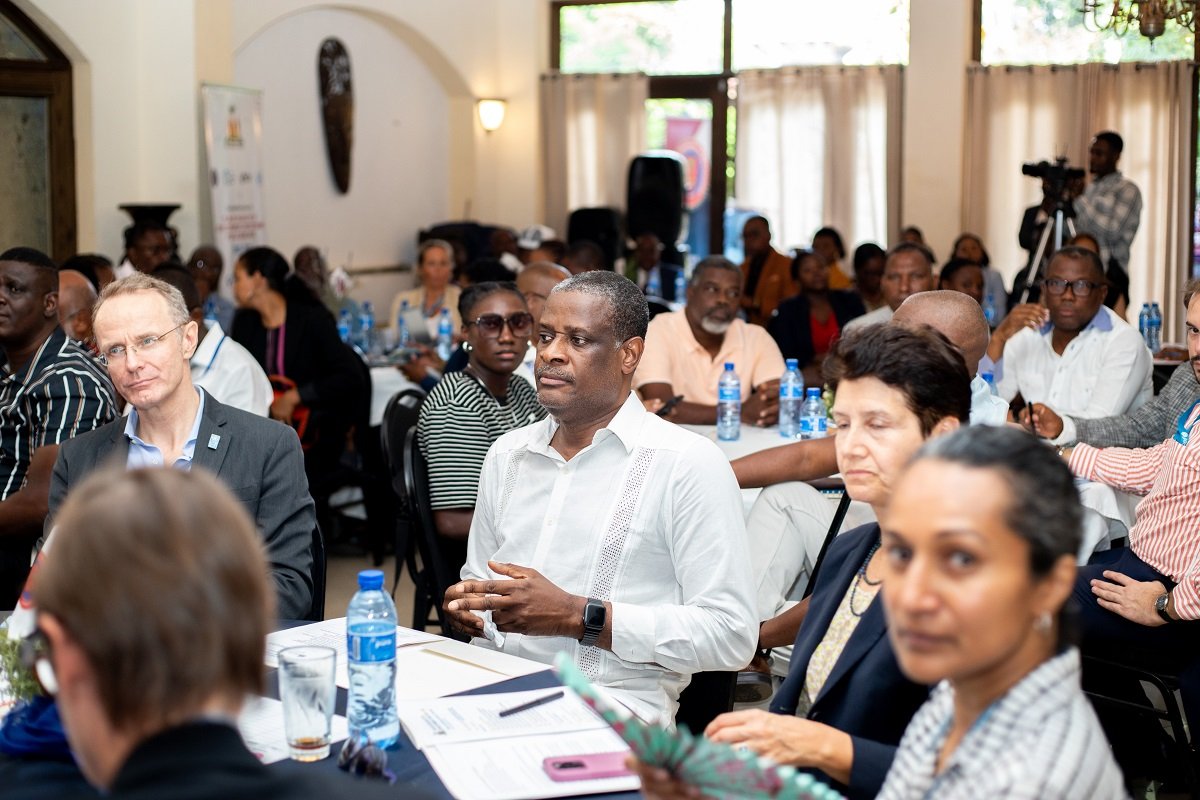
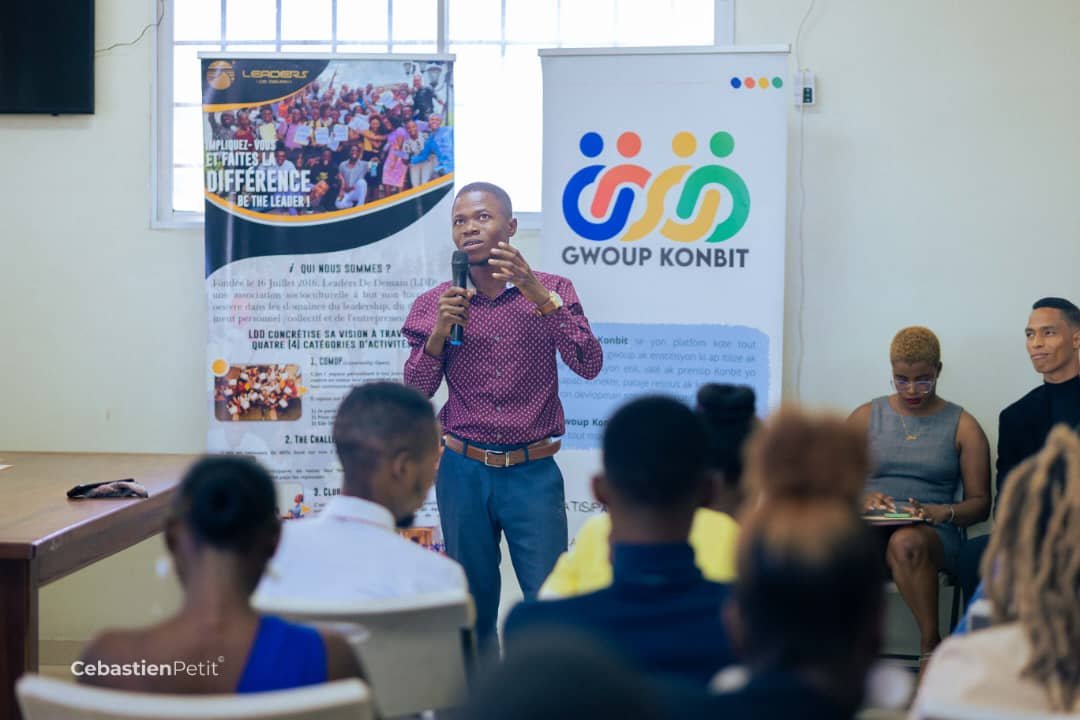
The Rassemblement pour une Entente Nationale (REN) is a Haitian civil society organization that actively works for a more just, inclusive, and prosperous Haiti. It firmly believes that the transformation of the country depends on the involvement of its citizens, particularly youth and women, who are the pillars of tomorrow, especially given their significant demographic weight in the Haitian population. Guided by this vision, REN focuses its efforts on training, raising awareness, and mobilizing these key groups to help them realize their strength and their ability to drive real change for Haiti’s development.
Haiti’s national motto, “Strength in Unity,” is emblazoned on the Haitian flag and is an integral part of the country’s identity. But what does this phrase really mean to Haïti and why is it so important? This article explores the historical, cultural, and symbolic significance of this motto, which embodies the Haitian spirit of solidarity and resilience.
The Haitian Creole, born in the 17th century during the French colonization on the island of Hispaniola, is not only a communication tool; it is an essential part of the Haitian identity. Despite being recognized as an official language in 1987, French is still considered an elite language, creating a social divide. In the educational system, where French is the language of instruction, Creole is often neglected, which affects the ability of students to understand what they are learning, especially for children from rural areas. It has a unique grammatical structure that facilitates learning, and serves as a means of cultural expression in literature, music, and other arts. The advancement of technology will allow Creole to gain more visibility in social media, but the stigmatization of the language still exists. Therefore, it is important for Creole to be valued in education and other sectors, to allow the new generation to grow up with pride for their heritage. The Haitian Creole language, which is the first language for the majority of people in Haiti, is not only a means of communication, but it is also a reflection of the cultural wealth and history of the people. In a country full of diversity, Creole and its origin, its evolution and its place in society, is a testimony of resistance and adaptation.

First black nation to free itself from slavery and gain independence from France in 1804 and influenced other liberation movements around the world, inspiring struggles for freedom and equality.

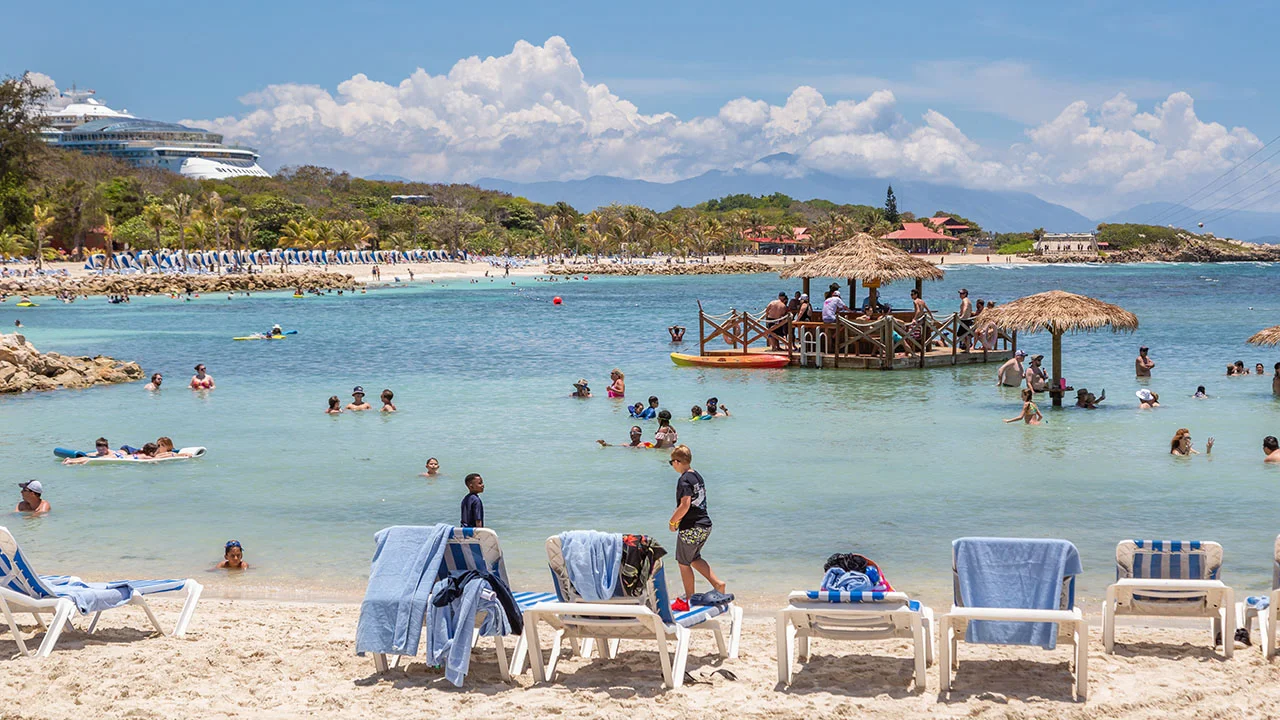
Haïti is blessed with spectacular natural landscapes, including white sand beaches, mountains and rich biodiversity.

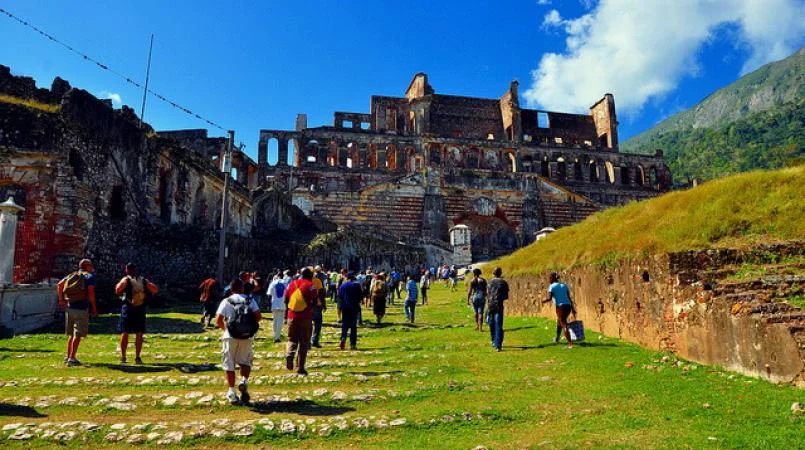
Haïti has a rich historical heritage, including sites like the Citadelle Laferrière and the Sans-Souci Palace, listed as UNESCO World Heritage Sites.

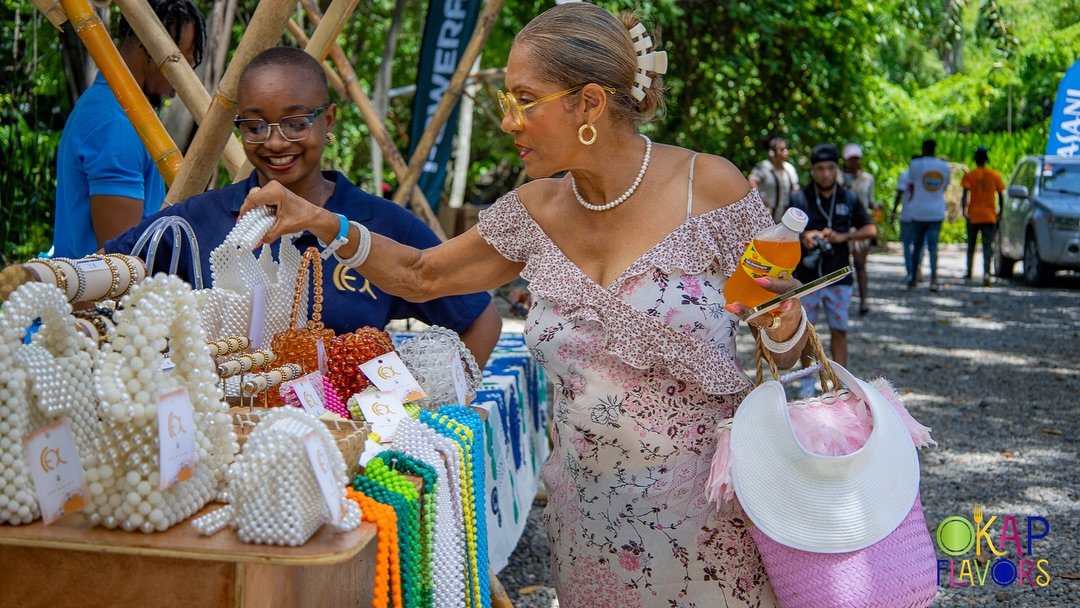
Haïti has a rich and diverse culture, influenced by African, European and indigenous elements. Haitian music, dance, art and cuisine are celebrated around the world.