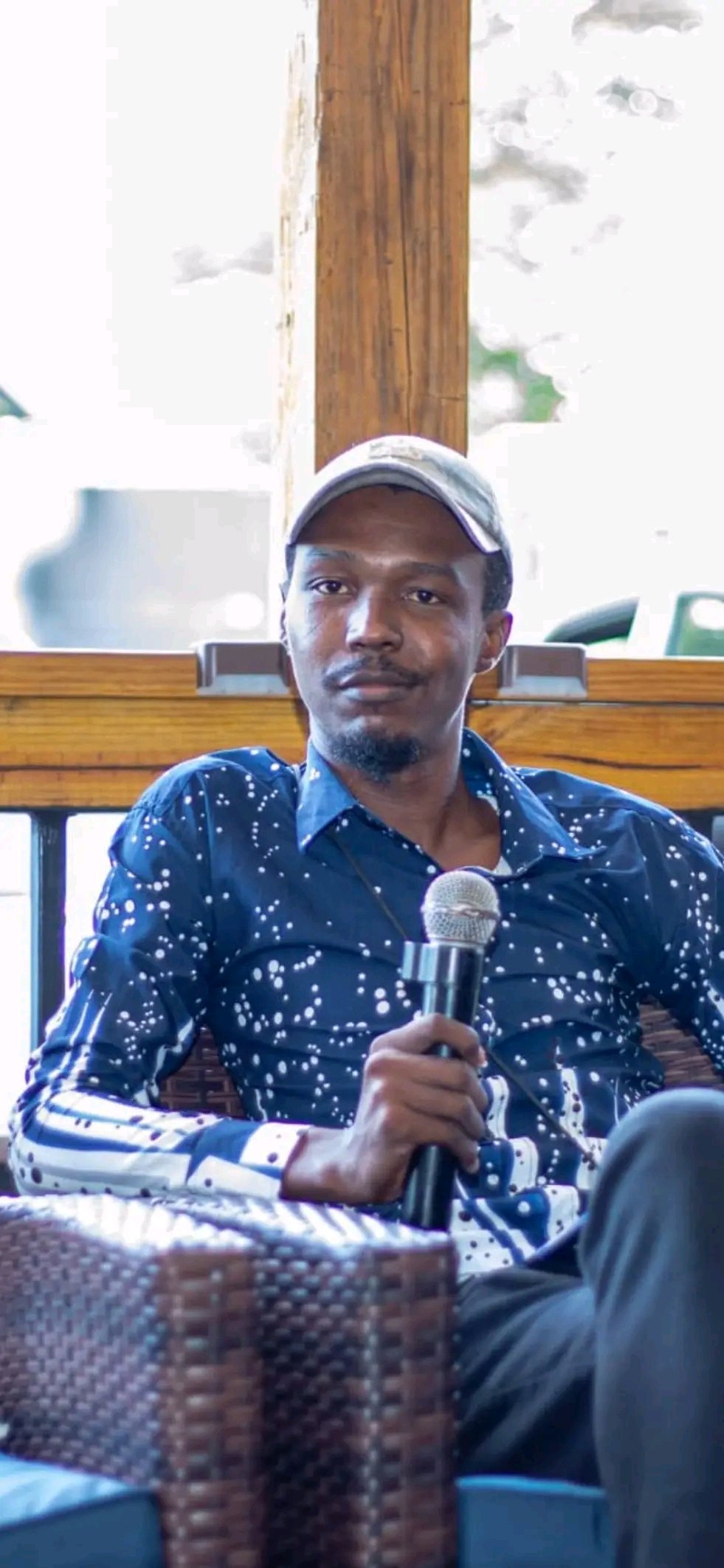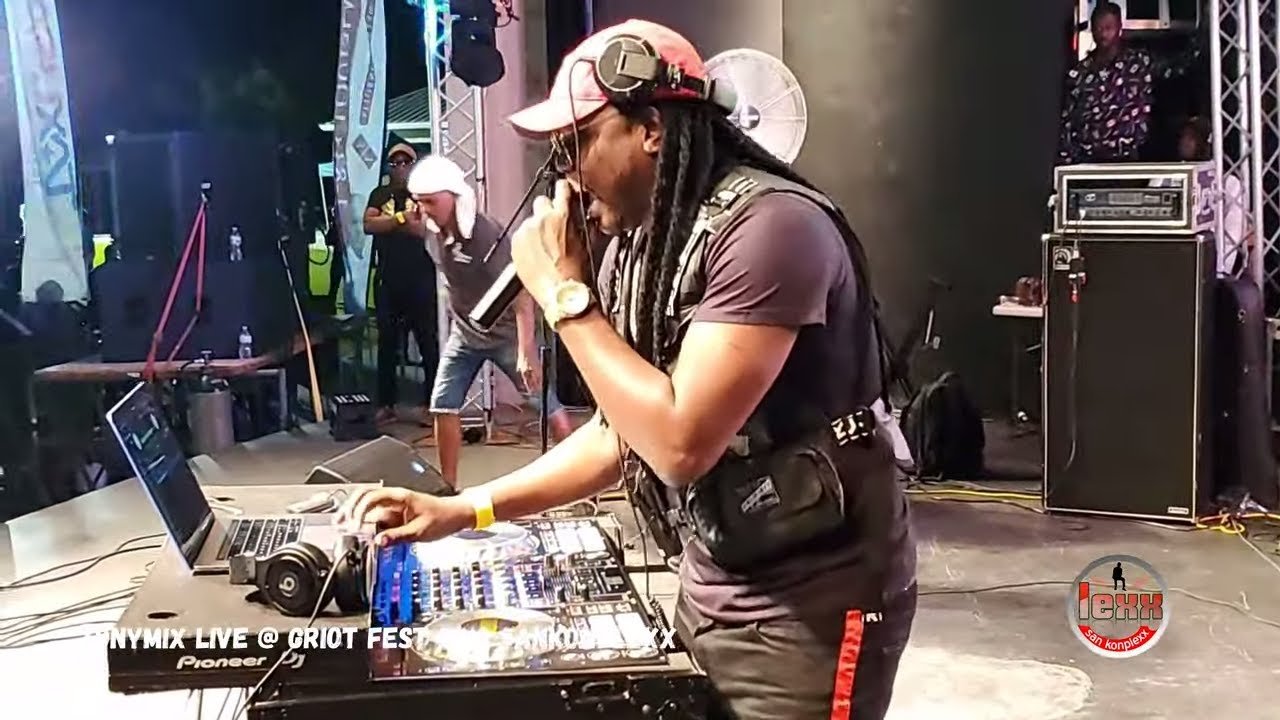

Career, Hits, and Influence: Tony Mix, Haiti’s Essential DJ
Discover the career, hits, and influence of Tony Mix, Haiti's essential DJ who rocks the national and international music scene.

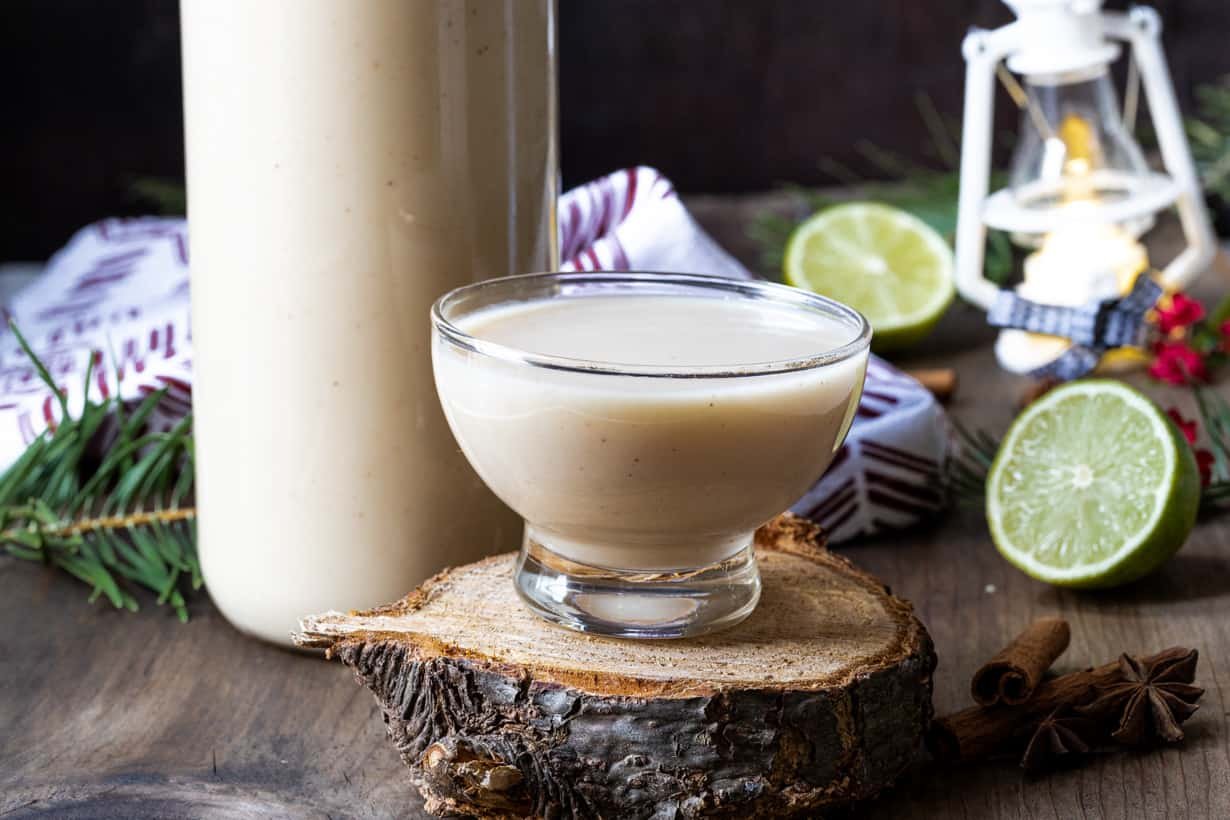
Haitian cuisine is a true invitation to pleasure, and its desserts are no exception. Whether sweet, spicy or fruity, these delicacies offer a tasty glimpse into the country’s culinary traditions. Discover seven must-try Haitian desserts that will satisfy your palate and awaken your sweet tooth.
In the late 18th century, Saint-Domingue (now Haiti) was a prosperous French colony, producing much of the world’s sugar and coffee through the forced labor of African slaves. This wealth was based on a brutal plantation system, where slaves endured inhumane living conditions. Social tensions were high, exacerbated by racial inequality and the violent repression of slaves by the colonists. In the face of this oppression, slaves never stopped resisting. Maroons, escaped slaves, led attacks on plantations and maintained pockets of resistance in the mountains. The French Revolution of 1789, with its ideals of liberty, equality and fraternity, also resonated among the slaves of Saint-Domingue, awakening aspirations for emancipation.
Tourism is a vital sector for the economic and cultural development of a country, and Haïti is no exception. With a rich historical heritage, breathtaking landscapes, and a vibrant culture, Haïti has a unique tourism potential that can play a crucial role in its development. Let’s find out why tourism is so important to Haïti and how it can transform the country.
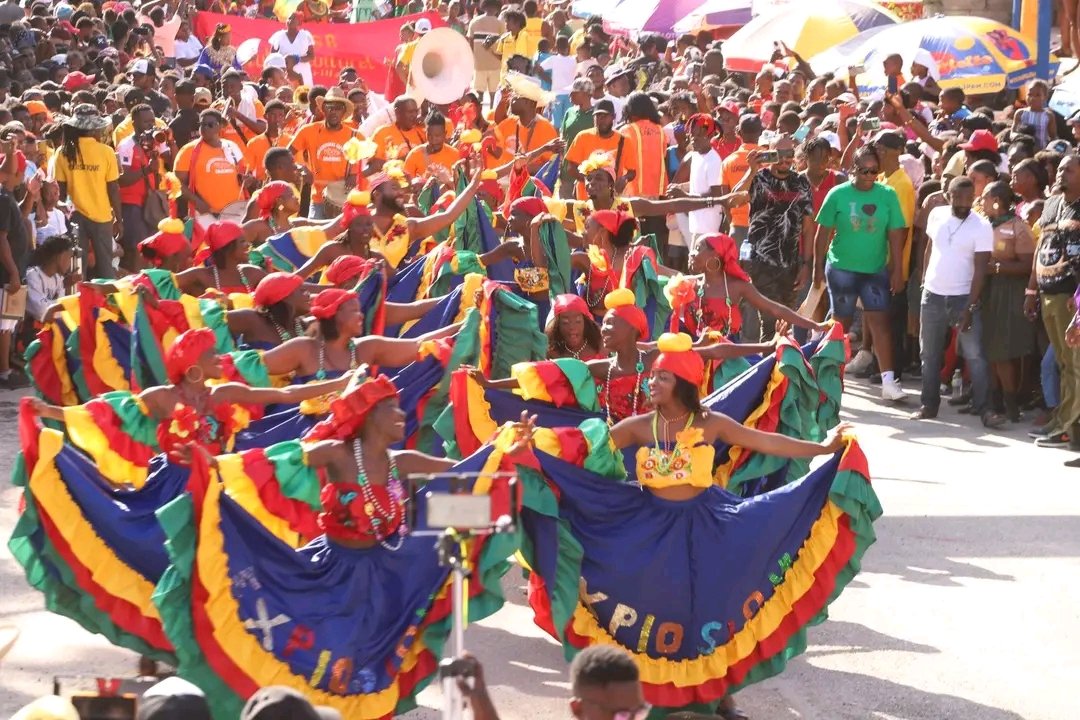
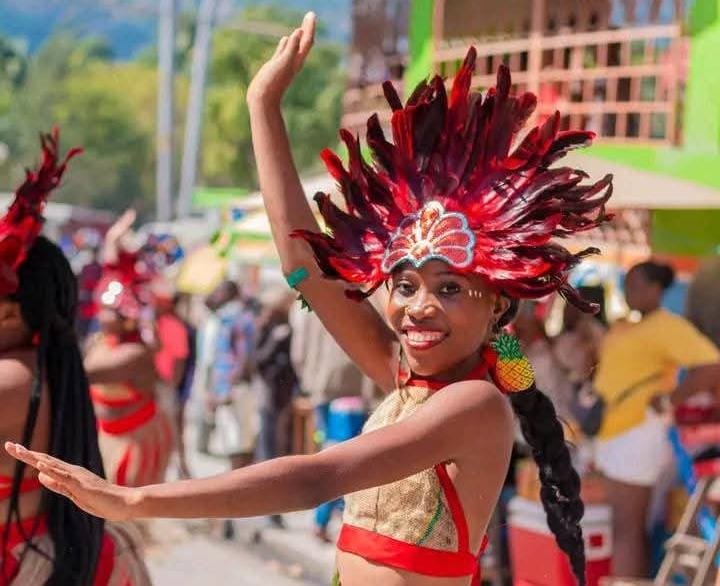
Haiti, a land rich in history and cultural diversity, offers a unique musical treasure through its captivating rhythms. Haitian music, deeply rooted in the fusion of different African, European and Caribbean influences, constitutes a vibrant expression of national identity. One of the distinctive elements of Haitian music is its rhythmic diversity, reflecting the many facets of daily life, from religious celebrations to moments of joy and sorrow. Haitian rhythms, carrying contagious energy, are a reflection of the soul of the Haitian people. One of Haiti’s most iconic musical genres is direct compas, which emerged in the 1950s. This catchy rhythm, coupled with captivating melodies, has captured hearts globally. The direct compass embodies the fusion of different musical styles, including jazz, merengue, and elements of traditional Haitian music. Haitian musical traditions are not limited to contemporary sounds. Vodou, an ancestral spiritual practice, also has a major influence on Haitian music. Vodou rhythms, often associated with religious ceremonies, create a deep connection between spirituality and artistic expression. Furthermore, dance is inseparable from Haitian music. The graceful and energetic movements of traditional dances like rasin, combined with captivating rhythms, transport dancers and spectators to a world where bodily expression becomes a living art form. Exploring the musical and dance traditions of Haïti is like diving into a universe where history, culture and spirituality are harmoniously woven together. These rhythms, passed down from generation to generation, are much more than simple notes; they embody the soul of a people and the richness of its diversity. Celebrating these traditions pays homage to Haiti’s exceptional cultural heritage and its invaluable contribution to the global music scene.
Schneider Léon Hilaire is a young Haitian painter endowed with exceptional talent, trained at the prestigious Centre d’Art in Port-au-Prince. From the very beginning, he captured the hearts of art lovers throughout the Haitian capital, quickly making a positive impression on the local art scene. His talent, nourished by the rich and diverse Haitian culture, has not been confined to the borders of Haiti. Indeed, after a successful exhibition in Paris last year, Schneider Léon Hilaire’s work has found a new place to spread its wings, continuing to captivate beyond the oceans.
Haiti’s largest plateau is the Central Plateau. This vast territory, located in the central region of the country, is an emblematic area of Haiti’s environment, rich in natural resources, history, and agricultural potential. In this article, we will explore the characteristics of this plateau that make it an essential region for understanding Haiti.
The Port-au-Prince Book Fair is a literary initiative of the cultural organization Port-au-Prince Book Fair (OCSLP), based on the desire to promote Haitian culture in general, with a particular focus on literature. The organizers of the event have just announced the registration of authors, who will number 20, and those of publishing houses, who will number 5 for the second edition, which will take place on Friday, December 13, 2024, in the premises of the French Institute in Haiti. The registration deadline is Thursday, October 10 of this year. Please note that the first to arrive who have met the required criteria will be eligible to take part in this second edition of the event, according to the organizers’ admission. This rigorous and restricted selection of only 20 authors aims to guarantee an enriching experience for authors and the public, thus promoting authentic exchanges around the works presented. Independent authors and publishing houses interested in registering their authors to participate in this second edition of the fair are invited to submit their application via this link: https://form.jotform.com/louirardjohn8/salon-du-livre-de-port-au-prince. For publishing and distribution houses planning to exhibit on the day of the event, you can register by clicking on this link: https://form.jotform.com/242596699603068. You are requested to contact them at the following address: salondulivre2023@gmail.com in case of difficulties. The Port-au-Prince Book Fair remains faithful to its philosophy, which is to offer a platform to young authors and to promote the richness of Haitian literary production, by supporting new authors who contribute to its growth. This event is a continuation of the first edition, aimed at allowing the emergence of an environment conducive to exchanges, where young authors can meet, share their experiences and engage in dialogue with readers and book professionals. According to the organizers of the event, your participation as a young author will be essential to enrich the fair and offer a diverse experience to visitors. The invitation to join this noble initiative is extended to young authors who have not yet published 5 books. You who are concerned, the ball is now in your court. Do not hesitate to go and make this day, December 13, 2024, an unforgettable day for all book lovers.
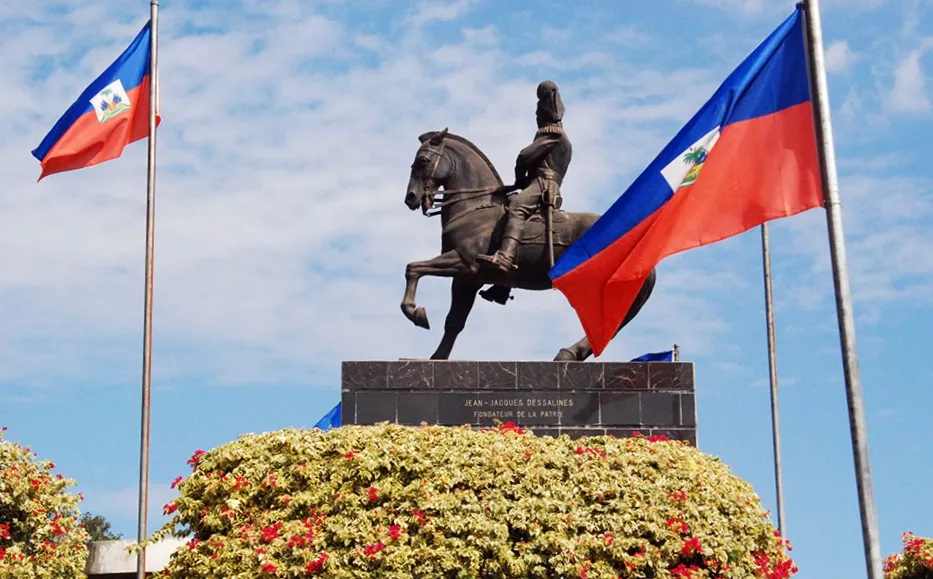
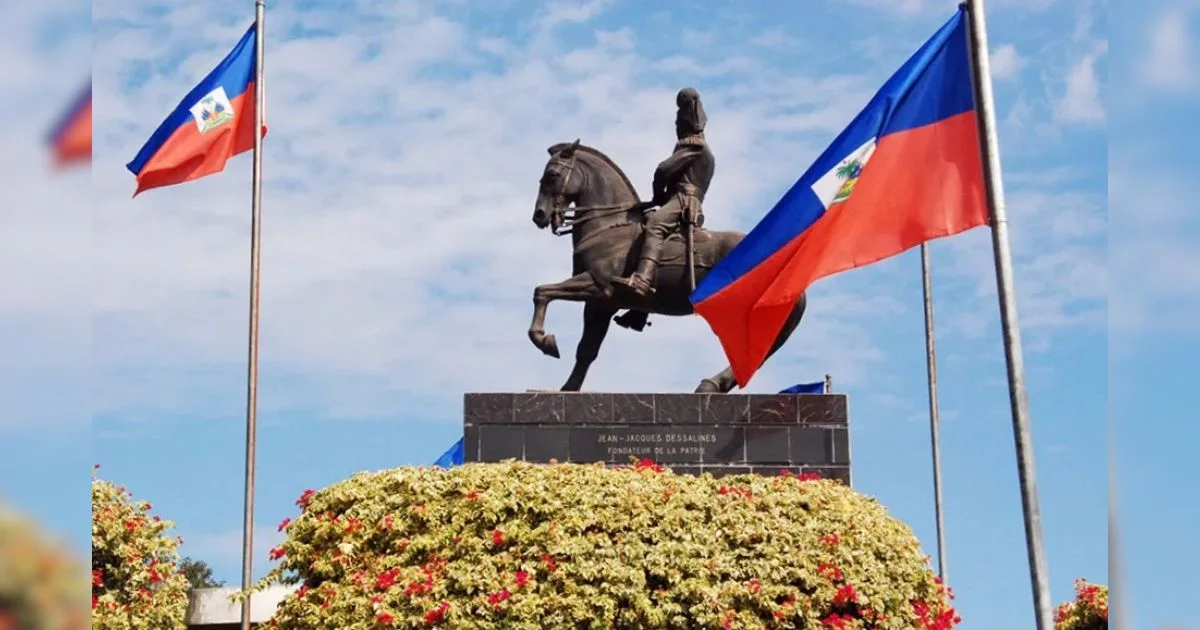
Haïti is known for its significant history and its crucial role in the fight against slavery and for independence. The country gained independence from France on January 1, 1804, becoming the world’s first independent black republic and the first country in the Americas to abolish slavery. However, this independence came at an enormous cost, the effects of which are still felt today.
Haiti, pearl of the Caribbean, never ceases to amaze with its cultural richness, its captivating landscapes and, above all, its authentic cuisine. Each dish tells a story, a heritage passed down from generation to generation, where exotic flavors and culinary traditions blend to create an unforgettable experience. Here is a selection of the 25 best Haitian dishes in 2025, to be savored absolutely during your next visit to Haiti!
In Haiti, chaos is not a simple consequence of events, but a carefully crafted product of actors whose decisions—or lack thereof—worsen the crisis every day. At the head of this orchestration of failures is the Presidential Transitional Council (CPT), led by architect Leslie Voltaire since October 2024. Presented as a temporary solution to get Haïti out of its impasse, the CPT quickly proved ineffective and incapable of responding to the country’s urgent challenges.
Haïti is a small but fascinating Caribbean country with a unique history, vibrant culture and stunning landscapes. Located on the island of Hispaniola, which it shares with the Dominican Republic, Haïti is distinguished by its resilience, historical independence, and natural and cultural wealth. This article offers you a detailed overview of this impressive country, from its history to the geographical and cultural features that make it a must-see destination.
In Haiti, December 25th, Christmas Day, is much more than just a religious holiday. It is a date filled with traditions, cultural meanings, and moments of sharing. This article explores what this day means to Haitians and how it is celebrated throughout the country.
Haiti, a majestic Caribbean island, seduces with its landscapes, vibrant culture, and a fascinating history of struggle for independence. In this comprehensive article, discover everything you need to know to appreciate the beauty and authenticity of Haiti: its geographical location, legendary history, rich culture, heavenly beaches, historical sites, unique cuisine, traditions and much more.

First black nation to free itself from slavery and gain independence from France in 1804 and influenced other liberation movements around the world, inspiring struggles for freedom and equality.

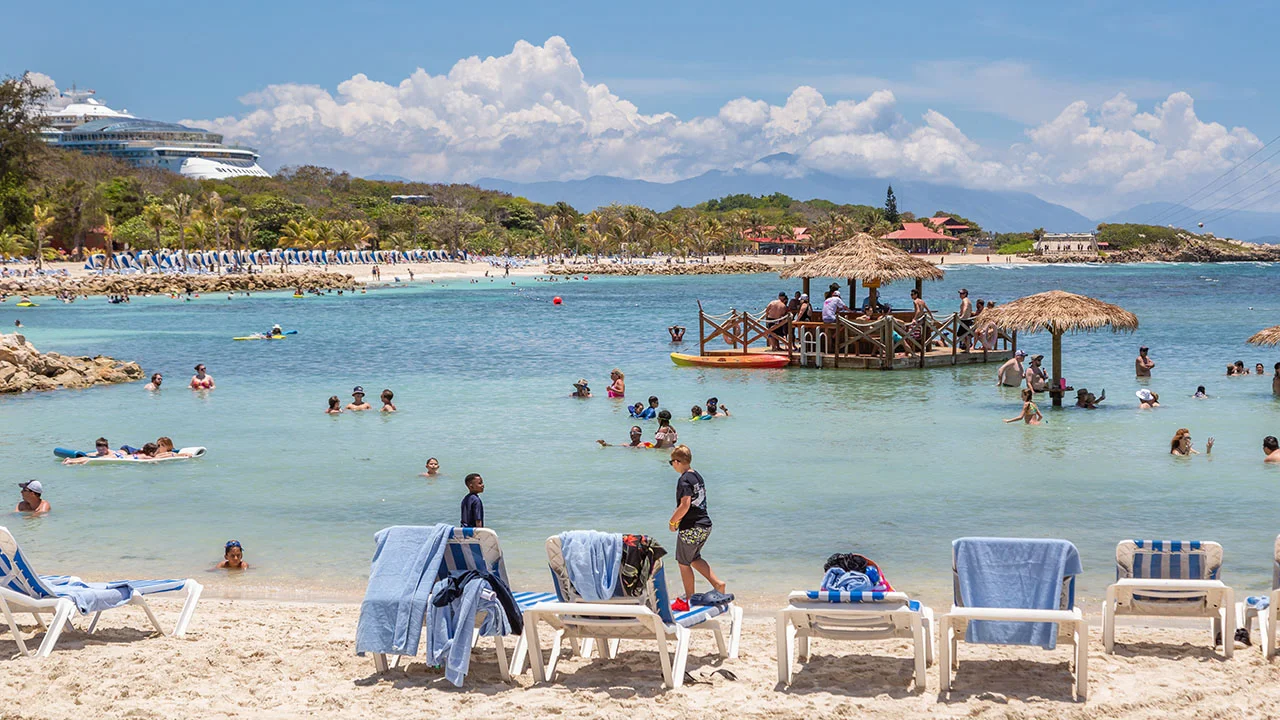
Haïti is blessed with spectacular natural landscapes, including white sand beaches, mountains and rich biodiversity.

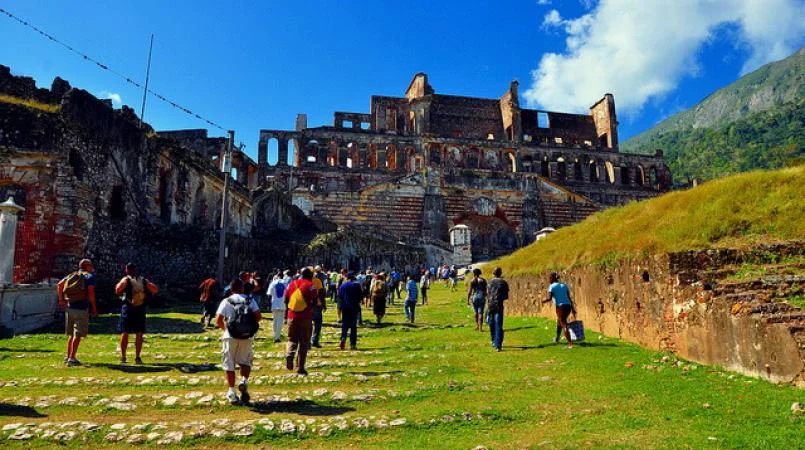
Haïti has a rich historical heritage, including sites like the Citadelle Laferrière and the Sans-Souci Palace, listed as UNESCO World Heritage Sites.

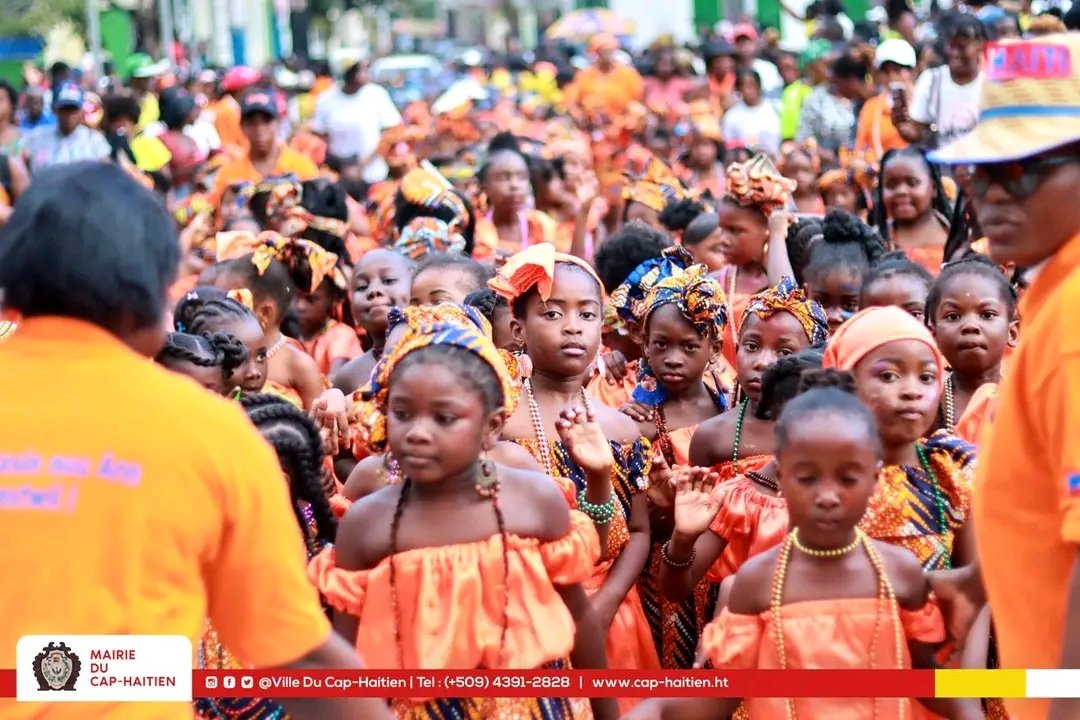
Haïti has a rich and diverse culture, influenced by African, European and indigenous elements. Haitian music, dance, art and cuisine are celebrated around the world.