
News / Sponsored Articles / View Recent Posts
When do the 4 seasons begin in Haiti?
Haiti, located in the Caribbean, is known for its tropical climate that differs from the seasons as defined in temperate countries. Rather than the traditional four seasons (spring, summer, fall, winter), the country mainly experiences an alternation between the dry season and the rainy season. However, there are climatic variations that are associated with the times of the year and influence the lives of Haitians. This article explains how these seasons manifest themselves in Haiti.
Par Appolon Guy Alain | 2
Learn more What is the name of the largest forest in Haiti?
Haiti, rich in biodiversity and natural landscapes, is home to forests that are a testament to the beauty and ecological importance of the island. Among them, one stands out as the largest and most emblematic in the country. So, what is this forest? Discover its name, characteristics and importance for the Haitian environment.
Par Appolon Guy Alain |
Learn more Edikanèt, a Digital Initiative in Favor of Haitian Creole
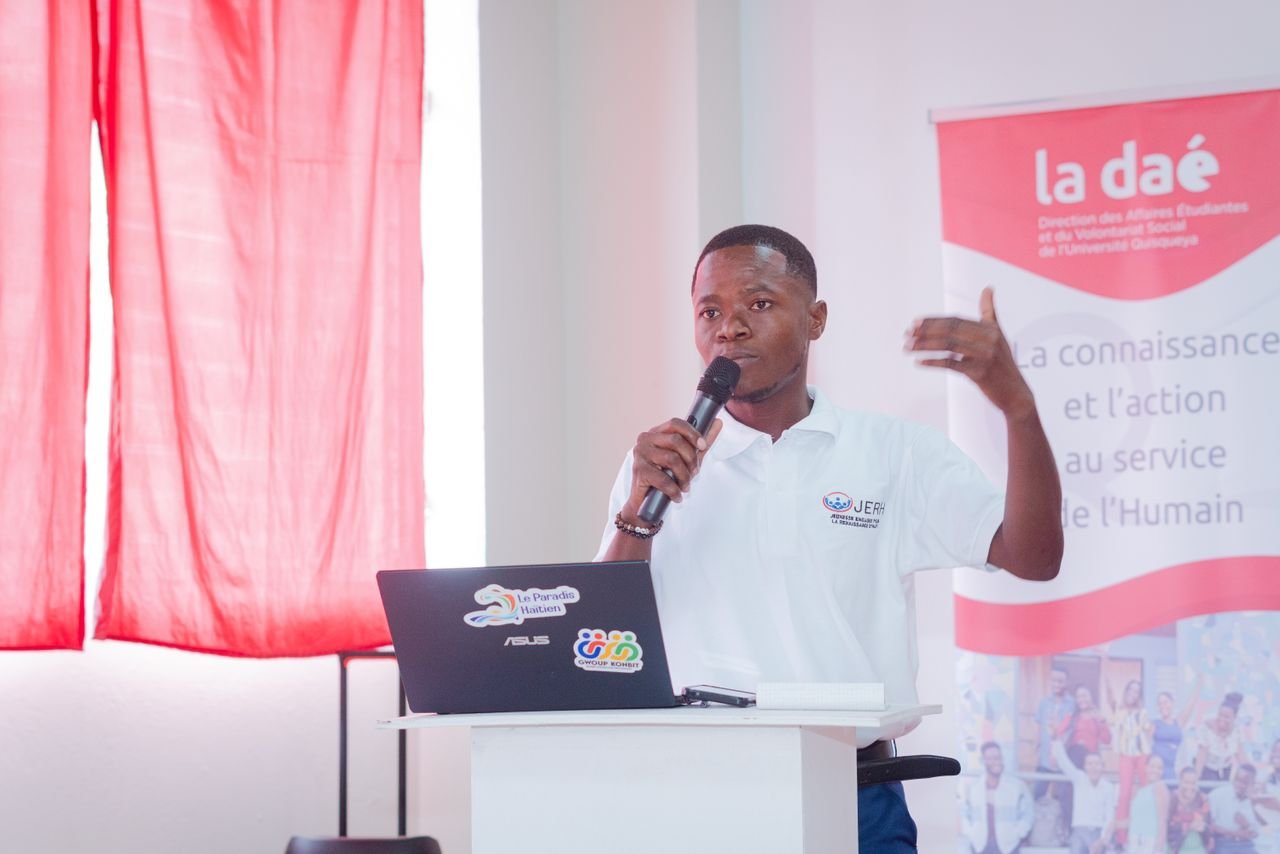
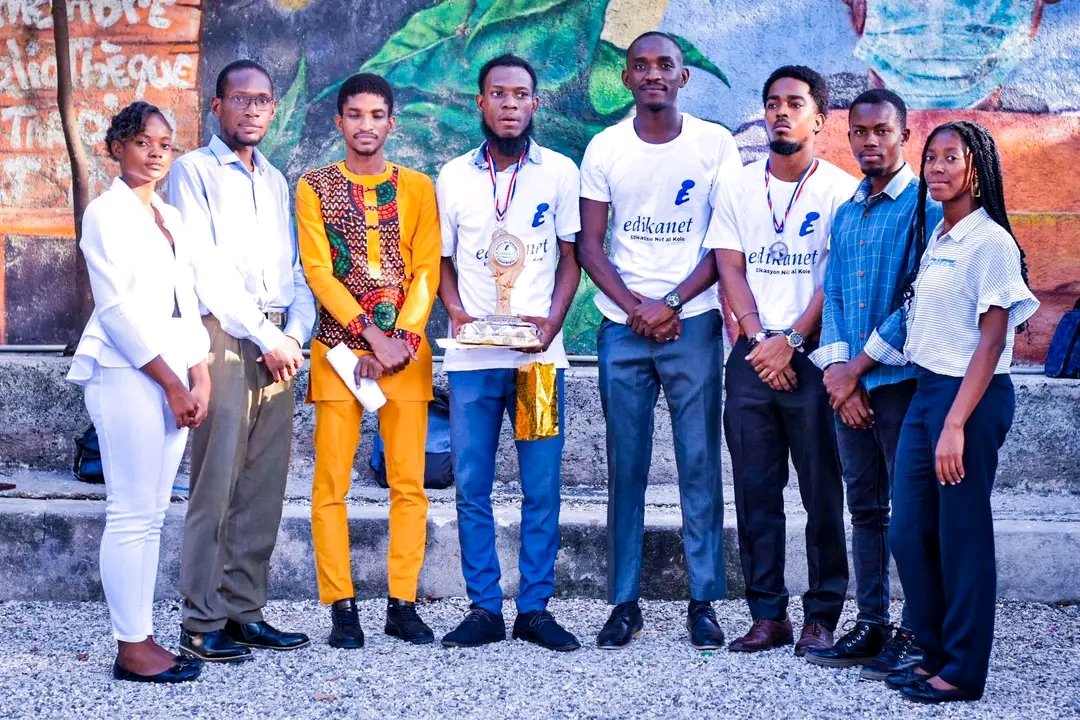
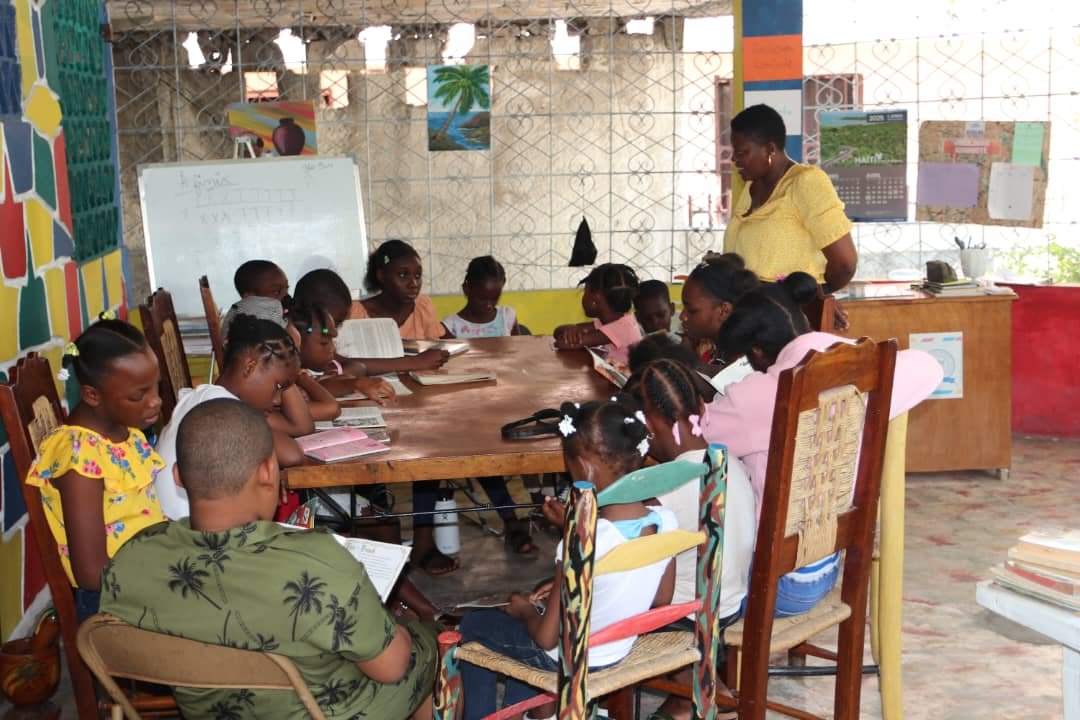
Edikanèt is an association dedicated to education in the Haitian Creole language on the Internet. Founded in 2019 at Lycée Toussaint Louverture, the organization works to promote, recognize, and use Haitian Creole in all educational, social, and institutional spaces in the country. It was created by three young activists committed to this cause: Luc Cadet FIGARO, Alan Joe JEAN, and Marcus JUSMA. From the beginning, Edikanèt set itself key goals: promoting education in Creole across all regions of Haiti; creating educational materials in Creole; fighting against linguistic discrimination toward Creole speakers; and elevating Creole as a language of instruction, culture, and prestige. This initiative was born out of awareness of the persistent marginalization of Haitian Creole in Haitian society. Their most recent major initiative was a quiz competition held in July 2025, focused on general knowledge—such as Haitian history, geography, culture, mathematics, Creole grammar, and other subjects related to learning in Creole. The winner, Roobens D. Victor, came out first among 113 participants.
Par Moise Francois |
Learn more The Haitian Webmaster: Guy Alain Appolon, an undisputed reference
In the digital panorama of Haiti, Guy Alain Appolon stands out as an essential figure, particularly in the field of web development. Its name resonates as a reference for quality and innovation. What sets Appolon apart is his ability to merge art and code, an ability forged by his multiple talents, notably as a painter, computer graphic designer and musician, giving him extraordinary creativity.
Par Haïti Wonderland |
Learn more Francophone Youth Parliament: A Key Institution for Bringing Together Francophone Youth
The Francophone Youth Parliament (PFJ) is an entity of the Parliamentary Assembly of the Francophonie (APF), which itself is part of the International Organization of La Francophonie (OIF). Established in 1999 during the Moncton Summit in Canada, this parliament for Francophone youth provides a genuine opportunity to forge connections among young people from the Francophone world. This real platform for debate and advocacy allows young people to have their voices heard and actively participate in shaping the future of La Francophonie. The body meets sequentially, with young people from almost all Francophone backgrounds gathering at each edition to discuss contemporary issues affecting global youth, such as precariousness, a lack of faith in democracy, characterized by a high number of young people abstaining from elections, a lack of civic engagement, the fight against inequalities, climate change, and even the impact of social media on youth. It is important to note that although the decisions made during these meetings are not legally binding, they remain powerful tools to describe the real will and needs of youth in the Francophone space, with the aim of facilitating actions by leaders.
Par Moise Francois | 1
Learn more The festival Haïti Monde: When Culture Becomes an Act of Reparation
The Haïti Monde Festival is a major cultural event dedicated to promoting Haitian thought, memory, and creativity in the heart of Paris. Led for several years by Haitian intellectual Chadrac Charles and his team, it aims to be a space for expression, transmission, and reflection. In 2025, this fourth edition is organized around a theme that is more relevant than ever: “Repairing the World,” and will take place from June 25 to July 11 in the French capital. Gaël Octavia, winner of the 2025 Goncourt Prize for the short story, will be the guest of honor. Alongside her, other friends of the Haitian cause and powerful voices from the Haitian literary scene will be gathered. Among them: geographer Jean-Marie Théodat, Louis-Philippe Dalembert, Rocé, Mélissa Laveaux, Marie-Yemta Moussanang, Makenzy Orcel, Françoise Vergès, Lyonel Trouillot, Nicolas Idier, Nathania Périclès, Vladimir Delva, Sandra Dessalines, Claude Saturne, Kébert Bastien, Jude Joseph... and many others. A tribute will also be paid to Frankétienne and Anthony Phelps, two giants of Haitian literature who passed away this year.
Par Moise Francois |
Learn more Haitian Pea Broth: A Tradition to Relive
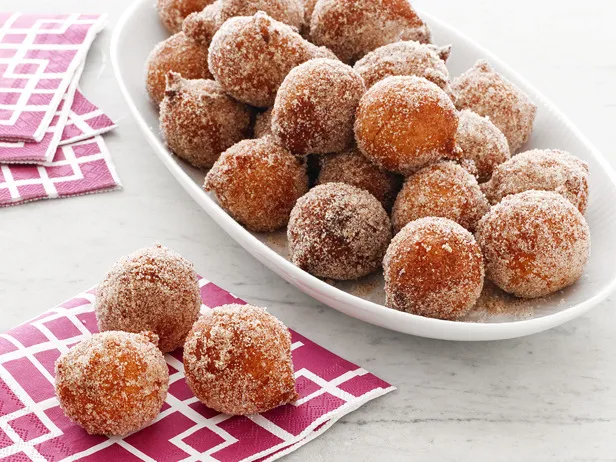
Once a staple in Haitian homes, pea broth was a true culinary tradition, served almost every Saturday. This nourishing and comforting dish brought families together around the table, offering an explosion of flavors and essential nutritional intake. However, with changing eating habits and the growing influence of fast food, it is prepared less and less by the new generation, at the risk of falling into oblivion. Haitian pea broth is a thick soup prepared with red or black peas, simmered for a long time until they obtain a velvety texture. This broth is then seasoned with local spices such as garlic, thyme, parsley and cloves, then garnished with vegetables such as carrots and spinach. Some variations add pieces of meat, often beef or pork, and small dumplings called "dombrés" "bòy", which give it even more consistency. So why not revive this tradition and prepare a good pea broth this Saturday, like our grandparents did?
Par Jeunes Influenceurs |
Learn more Recently Posted
Haïti / Fort Saint-Joseph: Historical Vestige of the Resistance
Located in the Bay of Cap-Haitien, Fort Saint-Joseph stands like a silent guardian of Haiti’s tumultuous history. Built in two stages, in 1748 and 1774, this defensive work was once a crucial element of the city’s protection system against French colonial assaults. Alongside other forts such as Picolet and Magny, its mission was to control maritime passages and defend Haitian sovereignty. However, its history is not limited to its defensive function. In 1802, then under the control of General Henry Christophe, the fort became the scene of a heroic act of resistance. Faced with the French expeditionary army, Christophe ordered the destruction of the powder magazine and the entrance gate to the fort, thus rendering it temporarily unusable. This courageous gesture, although tactical, left indelible scars on the very structure of the fort, testifying to the fierce clashes between French colonial forces and Haitian resistance fighters. These historic marks, still visible today, offer a window into the country’s tumultuous past. They allow visitors and historians to interpret the fierce struggles that forged Haitian identity. Fort Saint-Joseph, as a witness to the resistance and the struggle for freedom, embodies the indomitable spirit of the Haitian people. Recognizing its historical significance, the Haitian government officially classified Fort Saint-Joseph as national heritage in 1995. This recognition paved the way for restoration efforts aimed at preserving this precious vestige of Haitian military heritage. Thanks to collaboration between the public sector and local private funding, the fort has recently been restored and enhanced. Thus, Fort Saint-Joseph remains much more than a simple stone structure. It is a living symbol of the resilience and determination of the Haitian people, reminding all visitors that Haiti’s history is deeply rooted in the struggle for freedom and human dignity. To virtually discover this jewel of Haitian history, you can visit the following link: https://haitiwonderland.com/haiti-virtual-reality-ht/monuments-histoire/haiti--fort-saint-joseph--visite- virtual/11
The beaches of Petit-goave: Coastal escapes in Haiti.
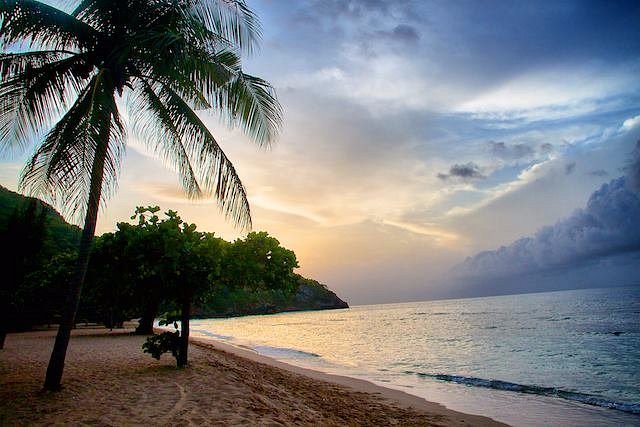
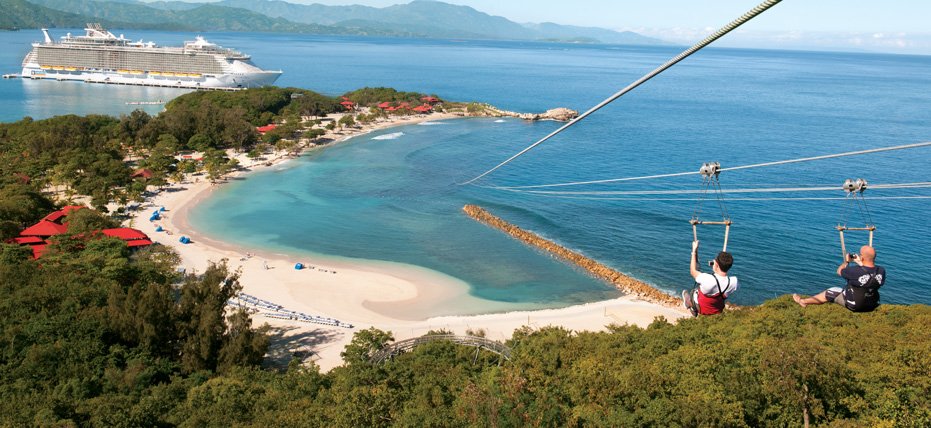
The beaches of Petit-Goâve are true coastal escapes in Haiti. Nestled along the southwest coast of the island, in the West department of the Republic of Haiti, the town of Petit-Goâve is home to natural treasures that are often overlooked: its magnificent beaches. These coastal gems offer locals and visitors spaces for relaxation and leisure where fine sand meets the crystal clear waters of the sea.
Csimon Publishing Takes a New Step Toward Young Haitian Authors
The publishing house Csimon Publishing, led by Dr. Cherlin Simon, is excited to announce the creation of a subsidiary of Csimon Publishing in Haiti. Indeed, a management team, aimed at strengthening its approach to young Haitian authors, has been set up by the parent company, located in Virginia, United States. The goal of this initiative is to better support its authors, particularly the younger ones, offering them reliable assistance to foster their creativity and help them thrive. The committee is also in place to better coordinate the publishing house’s actions in their favor. This aligns perfectly with Csimon Publishing’s vision to actively contribute to the elevation of Haitian literary culture on a global scale, while highlighting Haitian talents and creating a bridge between Haïti and the rest of the world, which constitutes global culture. It is worth noting that among the more than 150 works already published by Csimon, most are works by Haitian authors living in Haiti.

Caractéristique d’un lapin
Les lapins sont des mammifères appartenant à la famille des Leporidae. Voici quelques-unes de leurs caractéristiques principales : 1. **Physique** : Les lapins ont un corps couvert de fourrure douce, des oreilles longues et droites, de grands yeux sur les côtés de leur tête, et une queue courte et duveteuse. Ils possèdent de puissantes pattes arrière adaptées au saut. 2. **Taille et poids** : La taille et le poids peuvent varier considérablement selon la race, allant d’environ 500 grammes pour les plus petits à plus de 5 kilogrammes pour les plus grands. 3. **Comportement** : Les lapins sont connus pour être sociaux et peuvent vivre en groupes dans la nature. Ils communiquent entre eux par différents moyens, y compris par des sons et des mouvements corporels. Les lapins creusent des terriers pour y vivre et se protéger des prédateurs. 4. **Alimentation** : Ils sont herbivores, se nourrissant principalement de foin, d’herbes, de feuilles, de fleurs, et de certains légumes. Leur système digestif est adapté pour traiter une grande quantité de fibres. 5. **Reproduction** : Les lapins sont réputés pour leur capacité à se reproduire rapidement, avec des gestations courtes d’environ 28 à 31 jours. Une portée peut compter de un à douze lapereaux, selon la race. 6. **Sens** : Ils ont une excellente vision périphérique pour détecter les mouvements tout autour d’eux, mais ont une zone aveugle juste devant leur nez. Leur ouïe est également très développée, leur permettant de capter des sons à de grandes distances. 7. **Espérance de vie** : En captivité, les lapins peuvent vivre de 7 à 10 ans, selon la race et les soins prodigués, tandis que dans la nature, leur espérance de vie est généralement plus courte en raison des prédateurs et des maladies. Ces animaux nécessitent des soins appropriés, notamment un régime alimentaire équilibré, de l’exercice, et une attention particulière à leur bien-être émotionnel et physique pour vivre une vie saine et heureuse en captivité.
Haiti
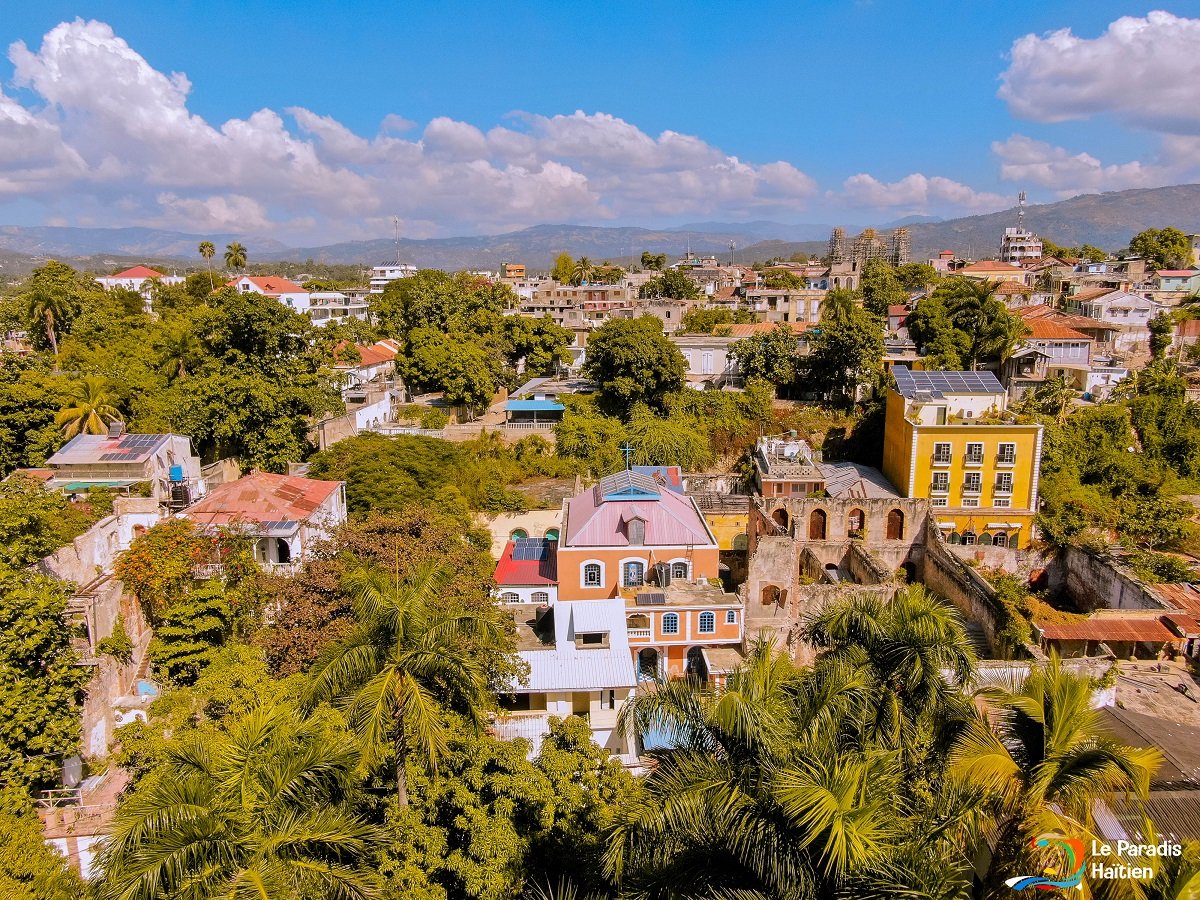
Haiti, a majestic Caribbean island, seduces with its landscapes, vibrant culture, and a fascinating history of struggle for independence. In this comprehensive article, discover everything you need to know to appreciate the beauty and authenticity of Haiti: its geographical location, legendary history, rich culture, heavenly beaches, historical sites, unique cuisine, traditions and much more.
Category
- Recent articles 100
- Heritage 2
- Kitchen 53
- Culture 35
- Music 16
- History 48
- Nature 13
- Beache 27
- Craftsmanship 3
- Literature 16
- Religion 4
- Movie 2
- Ecology 0
- Tourism 68
- Personality 13
- Languages 1
- Theater 0
- Games 2
- Other 2
- Community 5
- Entrepreneurship 4
- Technology 16
- Country 3
- City 8
- Business 3
- News 40
- Geography 4
- Scientific Research 0
- Education 2
- Production 3
- Diaspora 9
- Good to know 60
- Business and economy 1
- Events and Festivals 19
- Things To Do 1
- Little-known places 0
- Sponsored Articles 0
Recently Posted

History
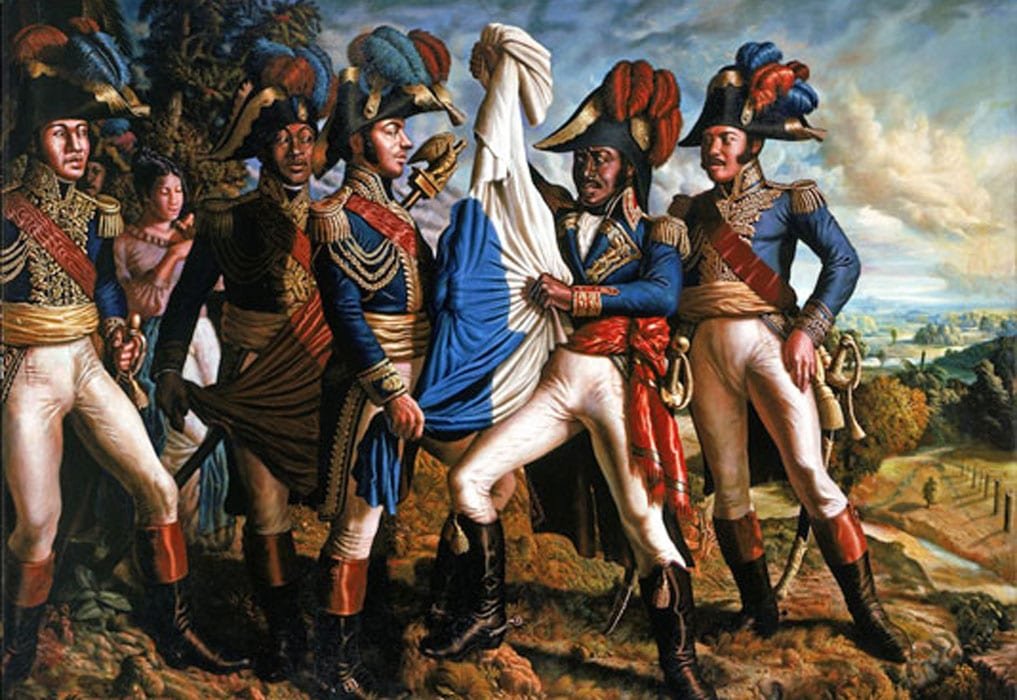
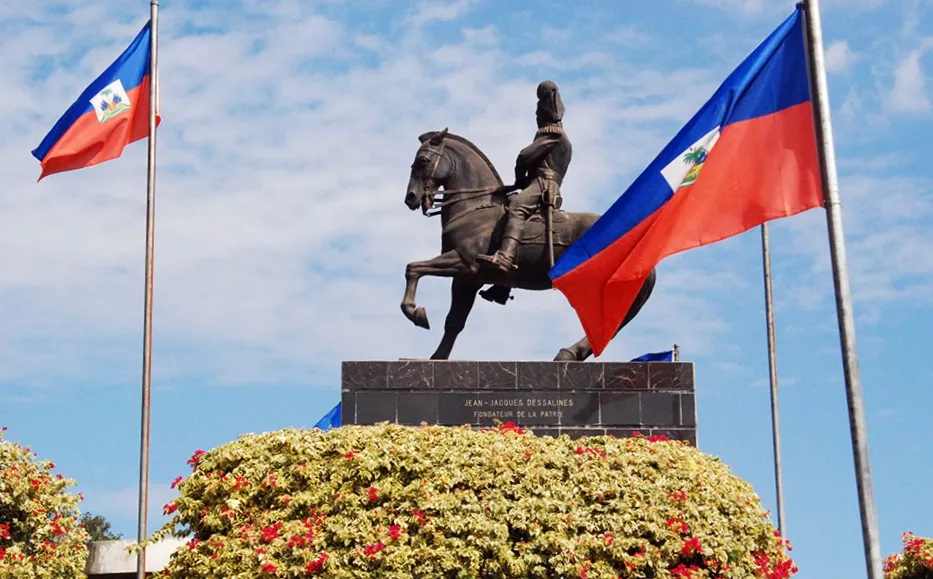
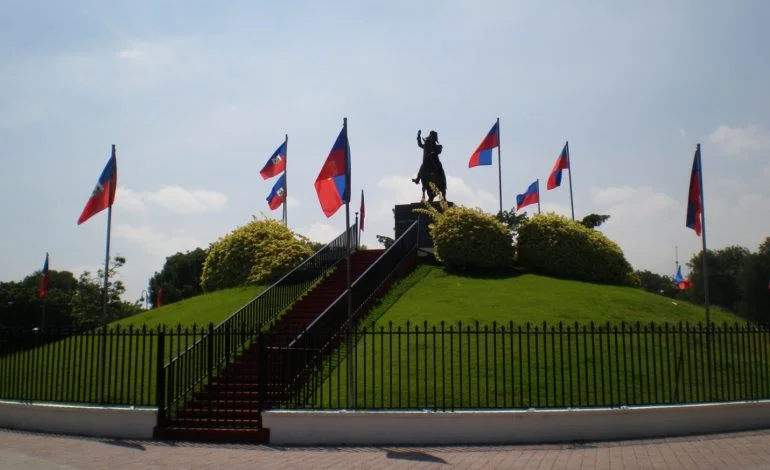
First black nation to free itself from slavery and gain independence from France in 1804 and influenced other liberation movements around the world, inspiring struggles for freedom and equality.

Natural beauty
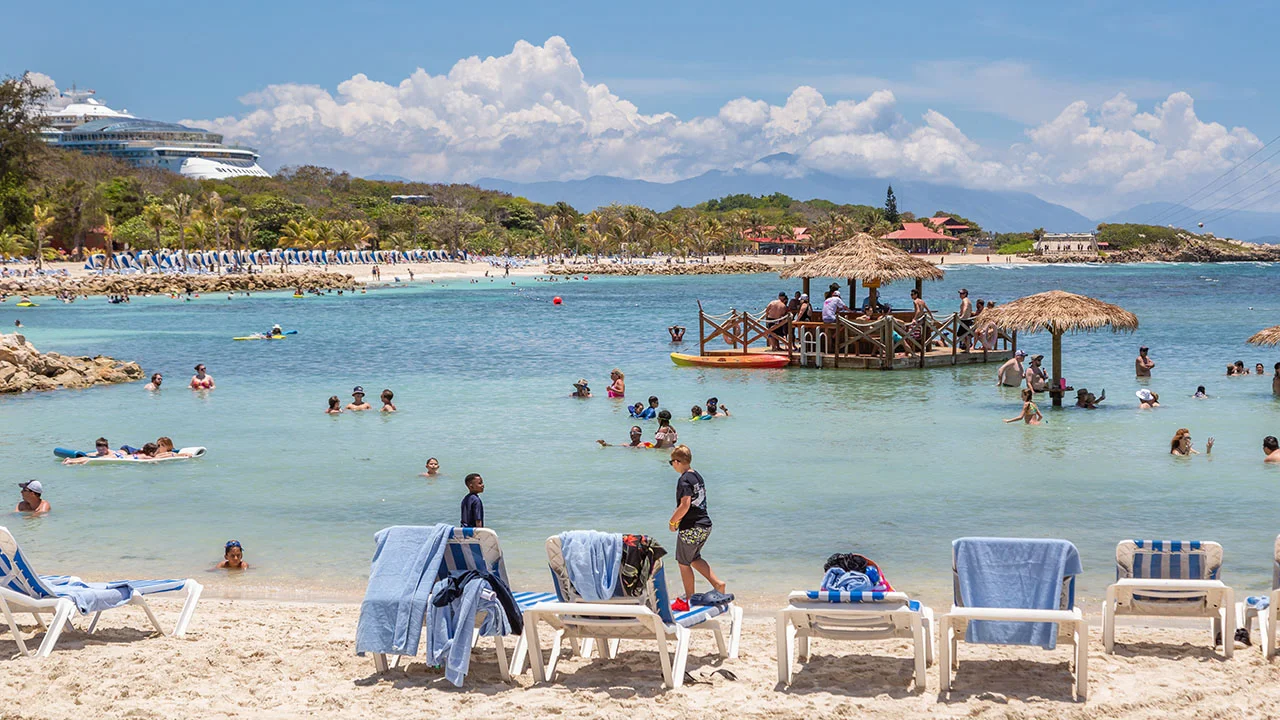
Haïti is blessed with spectacular natural landscapes, including white sand beaches, mountains and rich biodiversity.

Heritage
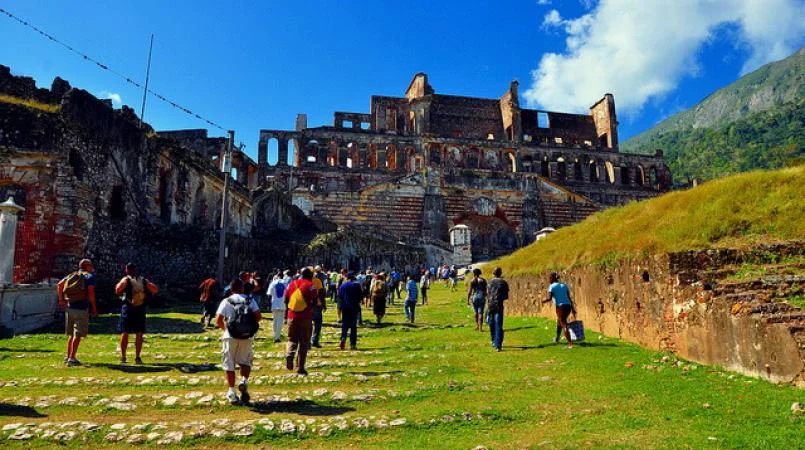
Haïti has a rich historical heritage, including sites like the Citadelle Laferrière and the Sans-Souci Palace, listed as UNESCO World Heritage Sites.

Culture
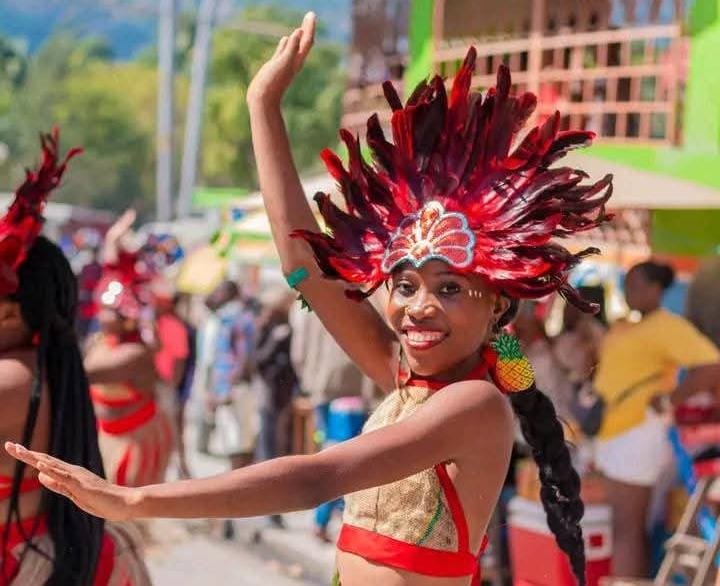
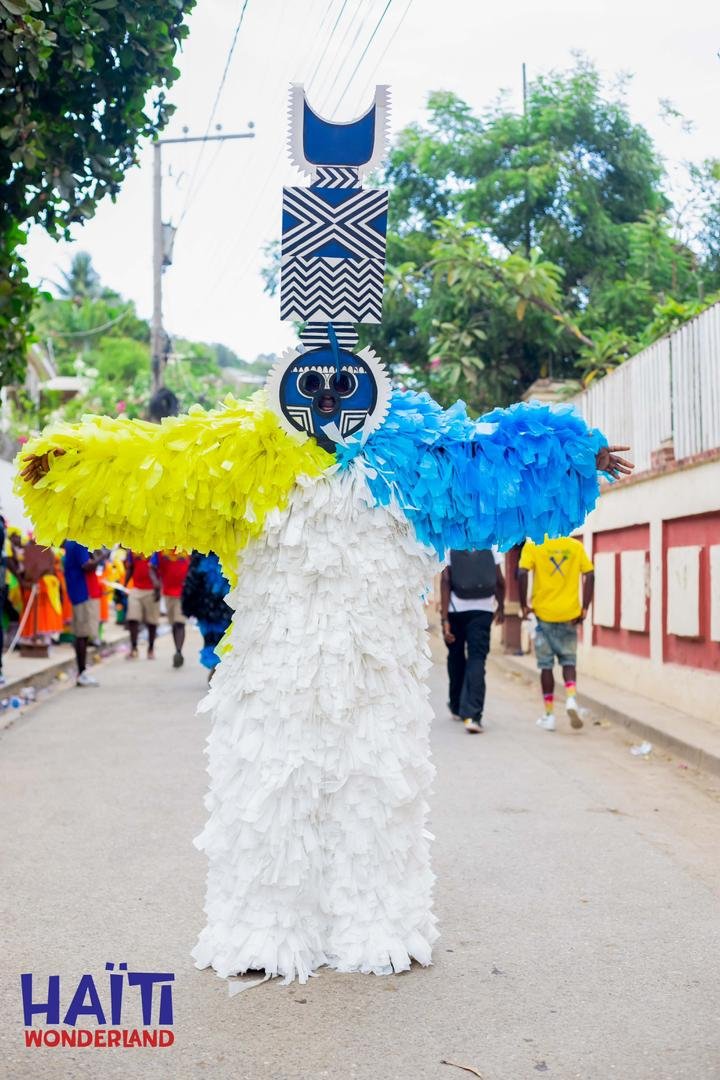
Haïti has a rich and diverse culture, influenced by African, European and indigenous elements. Haitian music, dance, art and cuisine are celebrated around the world.
- +
Post