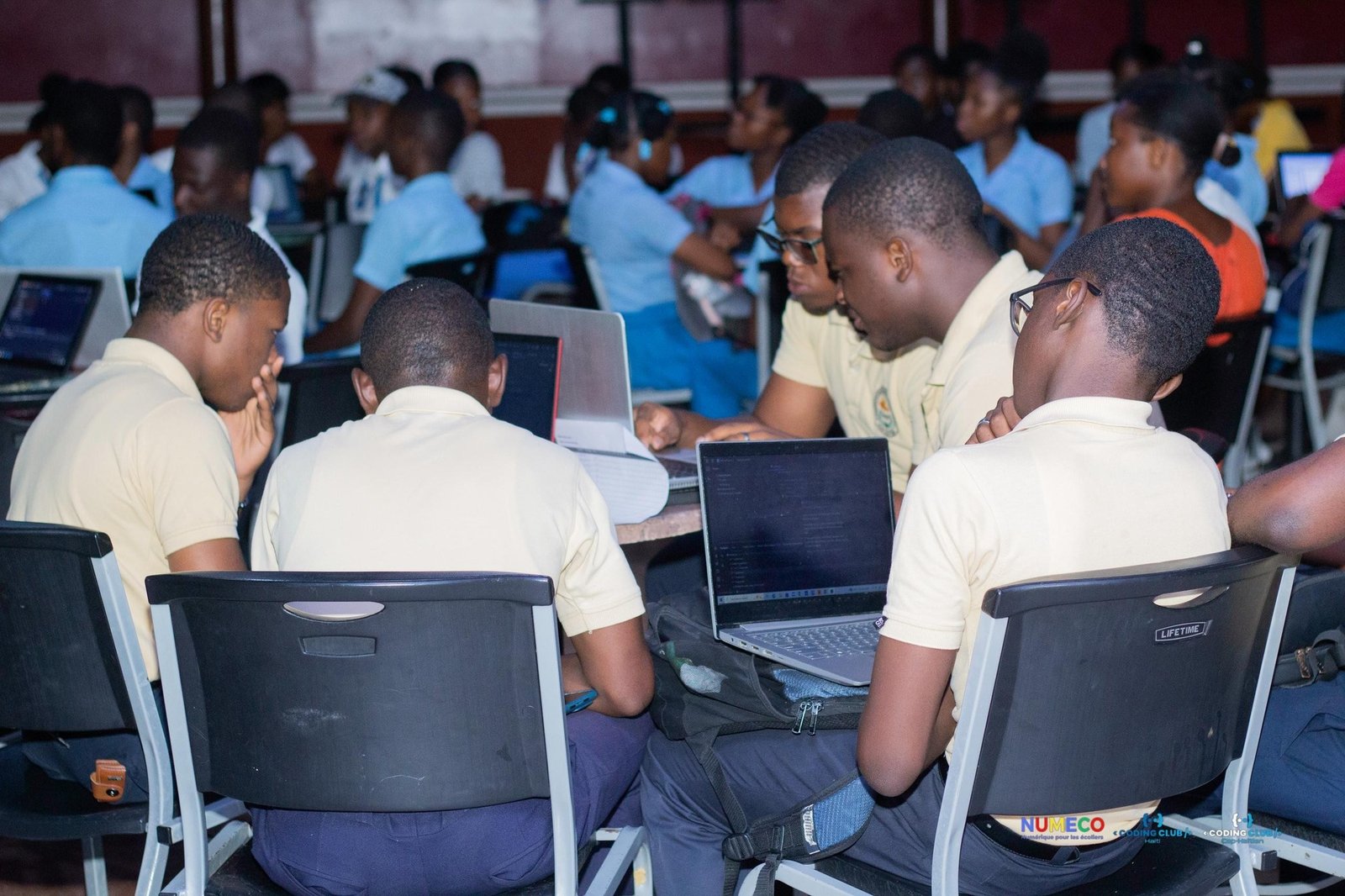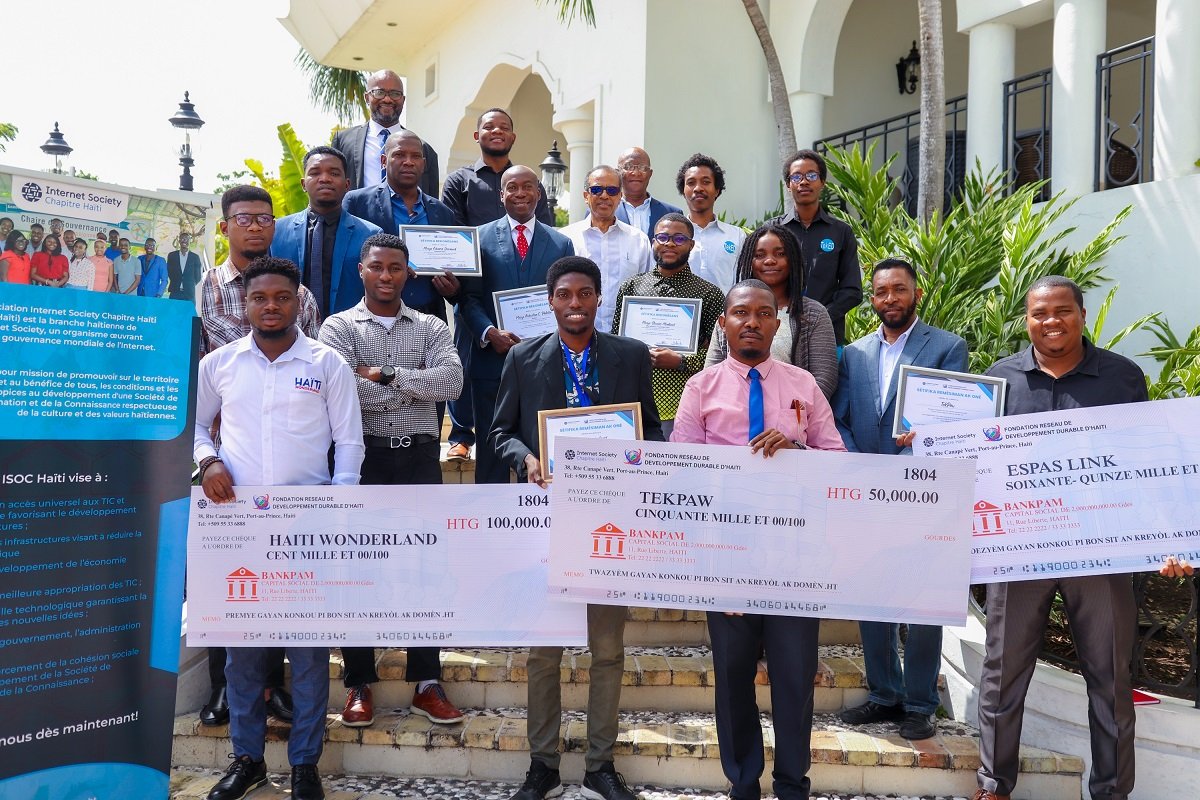



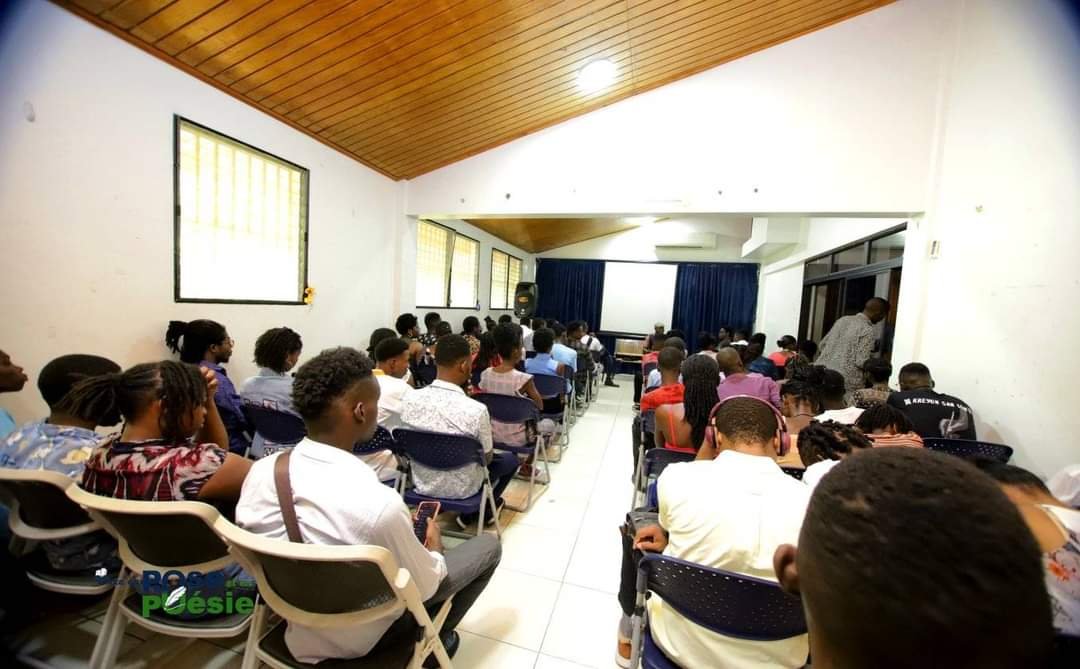

Fontamara: Intensive Entrepreneurship Training for 50 Young People with LESPWA POU DEMEN
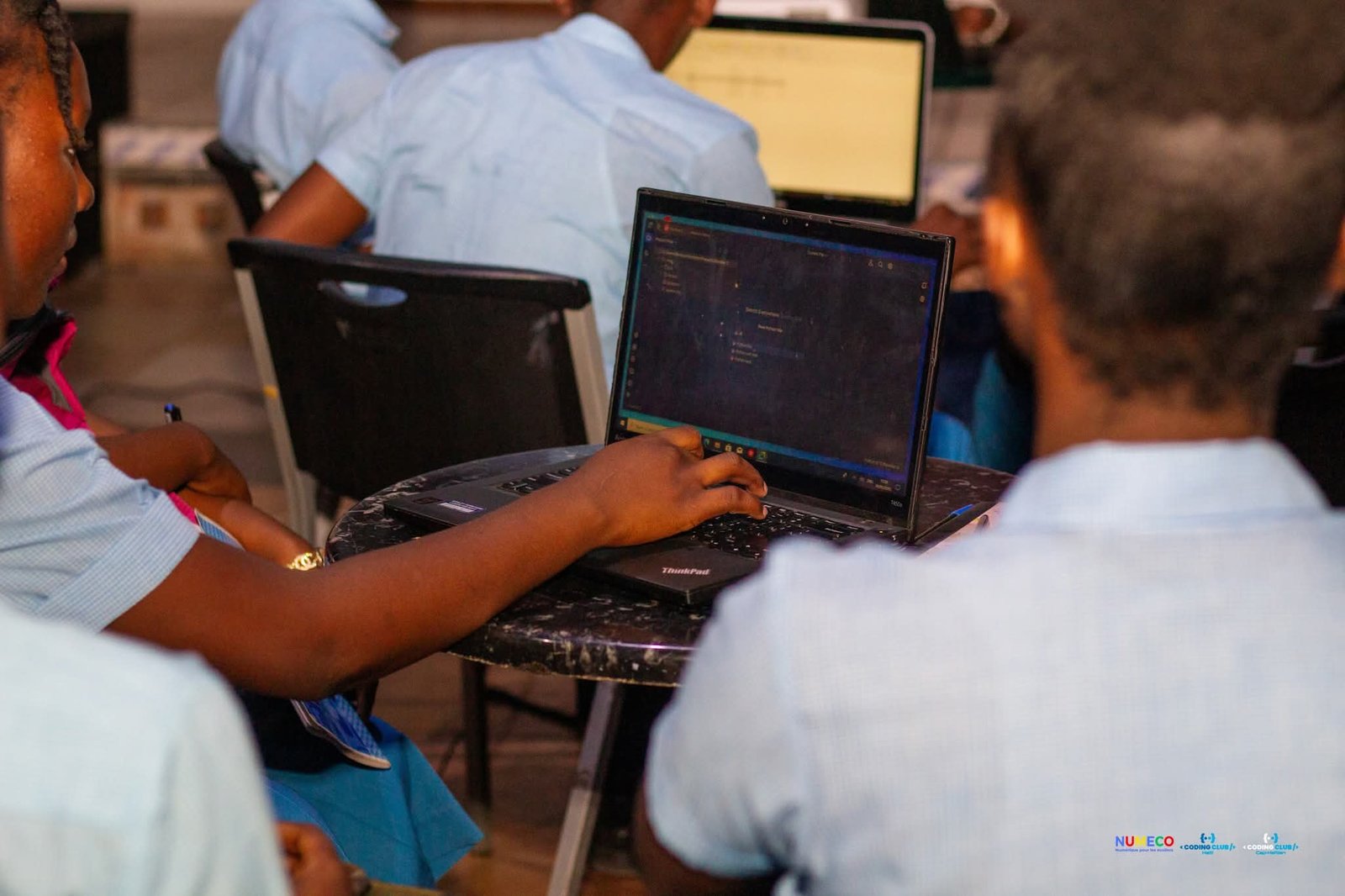
LESPWA POU DEMEN: a unique program that aims to train 50 young people from Fontamara in entrepreneurship and economic autonomy.

In a town struck by insecurity and economic problems, where survival becomes a daily struggle, some refuse to give in to chaos. In Carrefour, a city plunged into the spiral of violence that eats away at all signs of life, Pierry Denejour embodies this spirit of resistance. Aged around thirty, the native of Port-au-Prince is not only a merchant. The only son of Evena Denejour – a "Marijàn" whose name he proudly bears –, the entrepreneur has transformed his love for art into a passion that lights up his life. A collector of paintings on canvas, he is also the founder of DEP-ARTS Production Multi-Services, a company he launched on December 2, 2018, which is now celebrating six years of active presence in the Carrefour community. Specializing in the sale of electronic equipment, MonCash and NatCash services among others, DEP-ARTS has built a solid reputation in six years. But beyond its commercial activities, it is through its ability to establish relationships of trust and support community initiatives that Pierry has established itself as a key player in its community. Under his leadership, DEP-ARTS is much more than a company: it is a symbol of hope in a town in search of renewal.
Haïti made a splash on the world stage at the opening ceremony of the 2024 Olympic Games in Paris, captivating attention with stunning outfits. Hailed by Forbes as the third most remarkable and acclaimed by other magazines, the Haitian athletes’ uniforms surpassed those of many influential nations in fashion and design. This recognition is the result of an exceptional collaboration between visionary designer Stella Jean and internationally renowned artist Philippe Dodard. Today, let’s dive into the world of talented stylist Stella Jean.
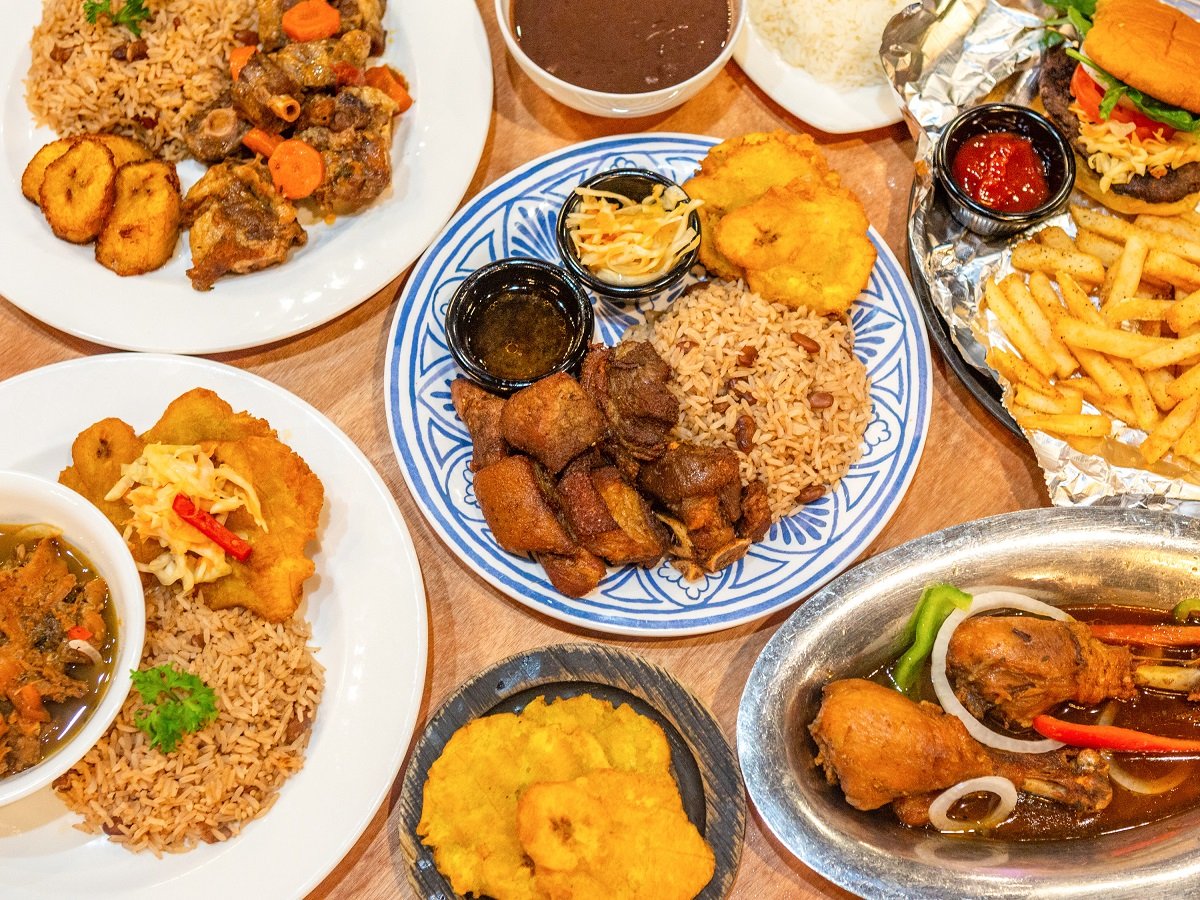
In Haiti, rice is often preferred to wheat, corn, or other grains. However, today, we’re going to make an exception and enjoy a delicious red bean and wheat dish. To begin, boil the red peas. Meanwhile, heat the oil in a large saucepan over medium heat. Add the onion and garlic, sautéing until golden. Then, stir in the tomato paste and cook for a few minutes, stirring constantly. Next, add the drained red peas, chicken or vegetable broth, salt, and pepper. Mix everything well. Pour the water into the saucepan and bring to a boil. Once the water boils, add the wheat and simmer until tender and the water is absorbed. Finally, reduce the heat and stir occasionally to prevent the mixture from sticking to the bottom of the pan. Once cooked, adjust the seasoning to your taste and serve hot.
The name Haïti embodies a rich history, marked by struggles for freedom, an indigenous heritage and an exceptional destiny. This word, today synonymous with the first independent black Republic, carries within it centuries of transformation and resilience. Discover the origin, history and meaning of this emblematic name.
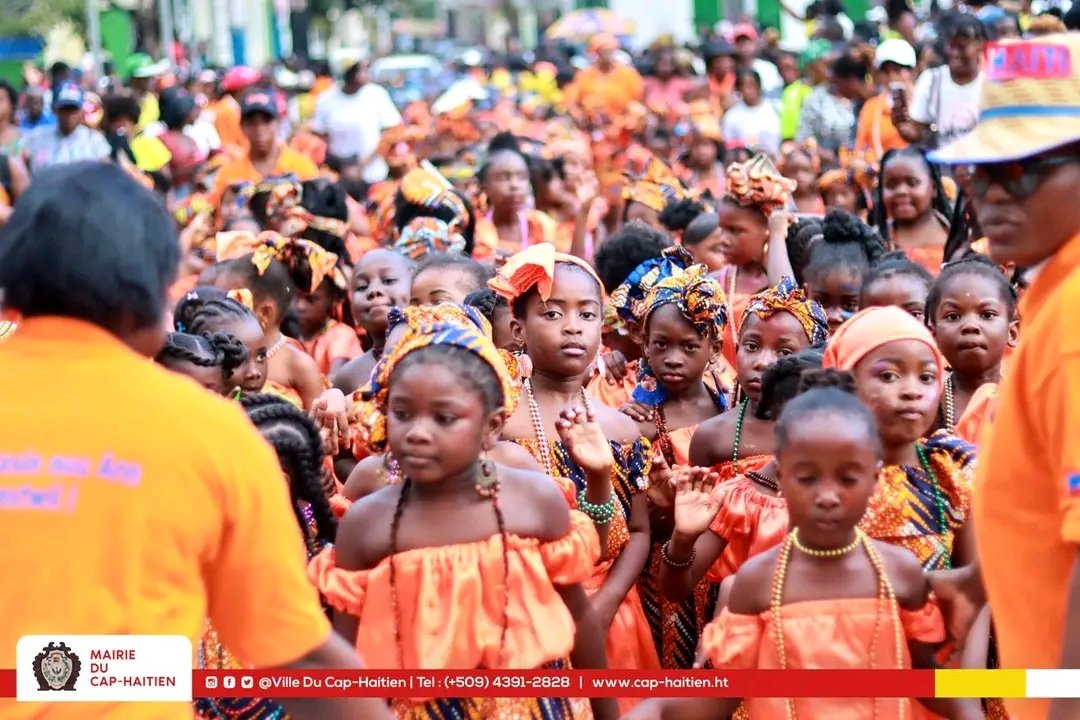
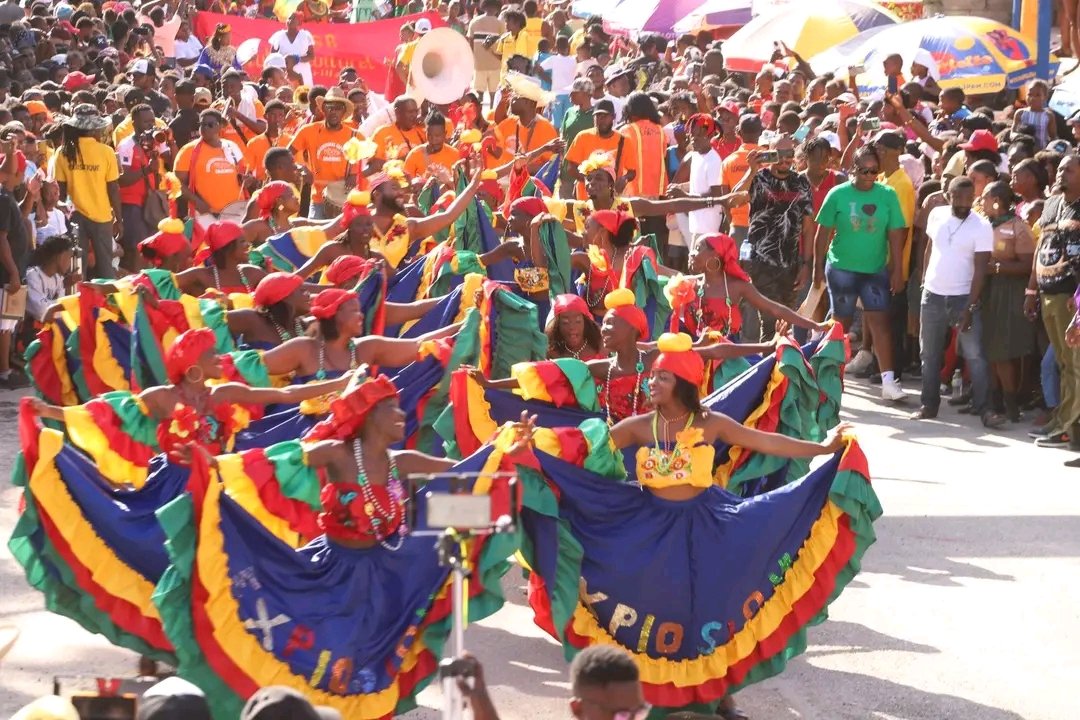
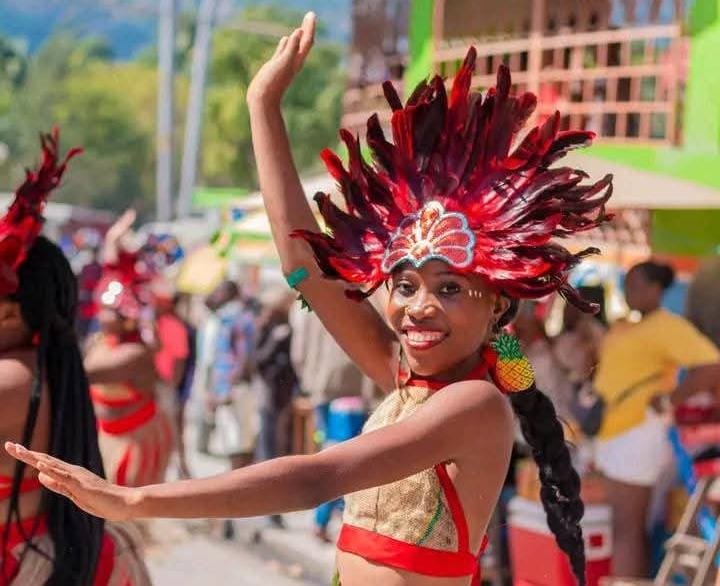
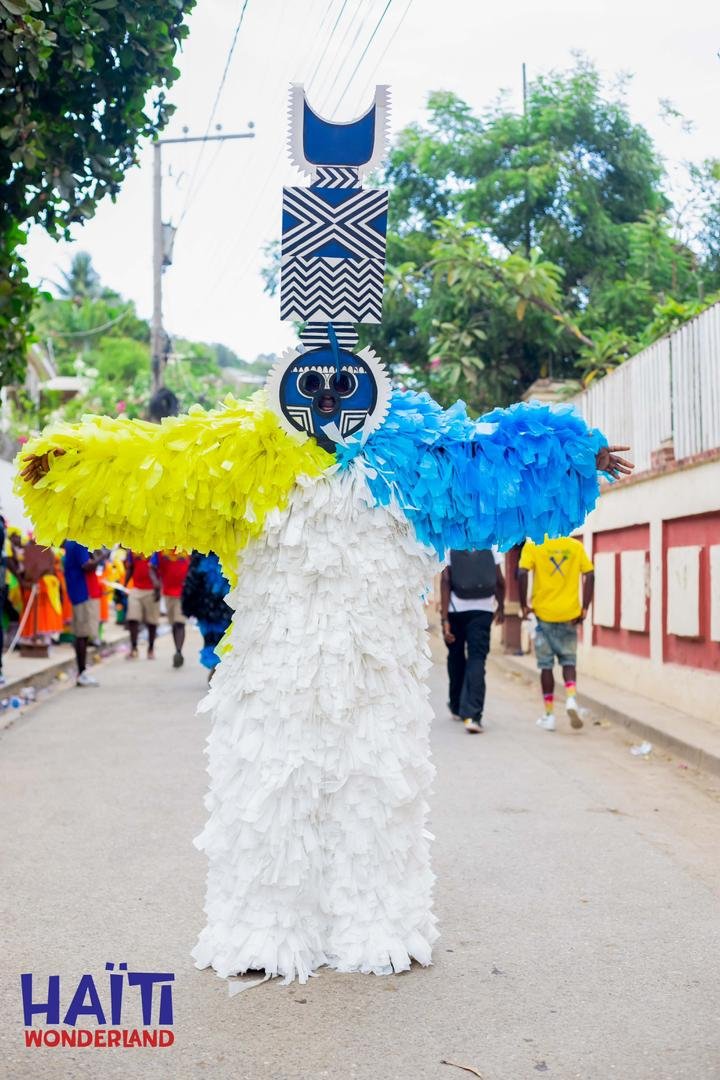
Carnival in Haïti is a must-see celebration that embodies the vibrant and festive soul of the country. Each year, this spectacular celebration attracts thousands of participants and visitors, fascinated by the energy, creativity and cultural richness of Haiti. It is a time when music, dance and traditions intertwine in a whirlwind of joy and national pride. Immerse yourself in the enchanting world of Haitian Carnival and discover everything that makes it a unique event.
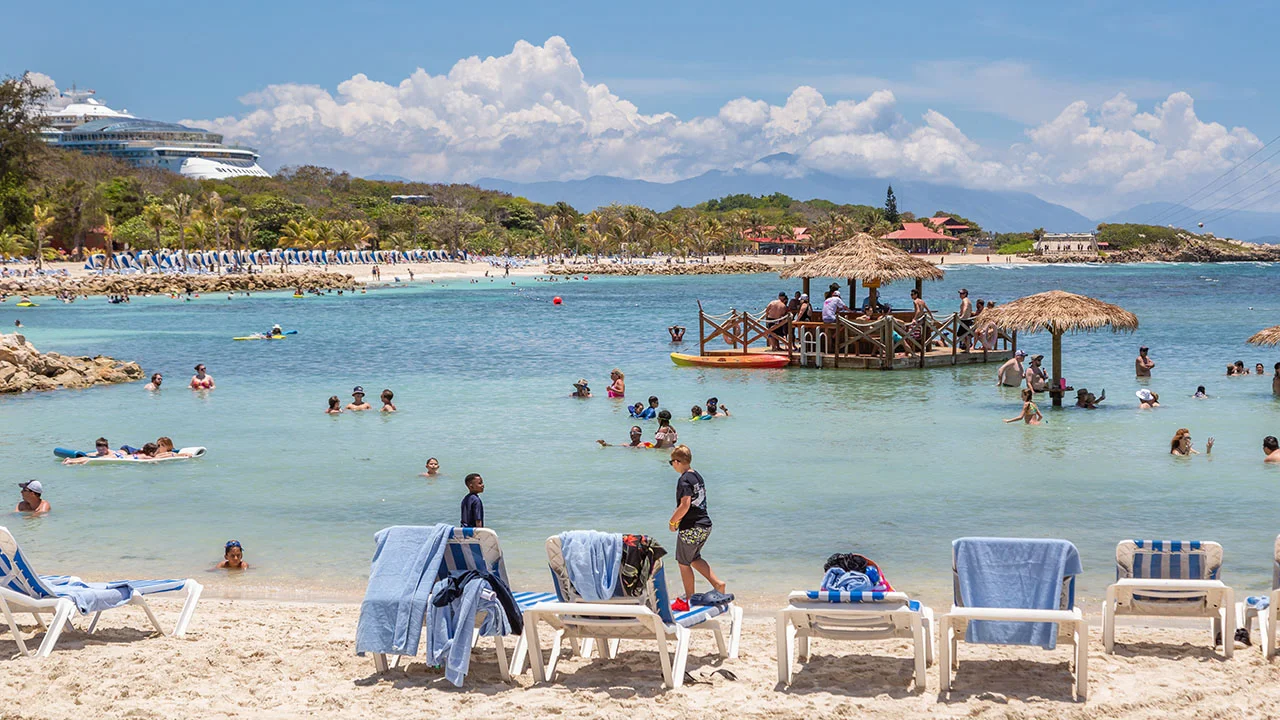
Nestled on the northern coast of Haiti, Labadie (often called Labadee) is a must-see destination for lovers of heavenly beaches and seaside adventures. Known for its idyllic landscapes, crystal clear waters and varied activities, Labadie has established itself as a star among Haitian beaches. Let’s discover together this tropical jewel that attracts visitors from all over the world.
In the digital panorama of Haiti, Guy Alain Appolon stands out as an essential figure, particularly in the field of web development. Its name resonates as a reference for quality and innovation. What sets Appolon apart is his ability to merge art and code, an ability forged by his multiple talents, notably as a painter, computer graphic designer and musician, giving him extraordinary creativity.
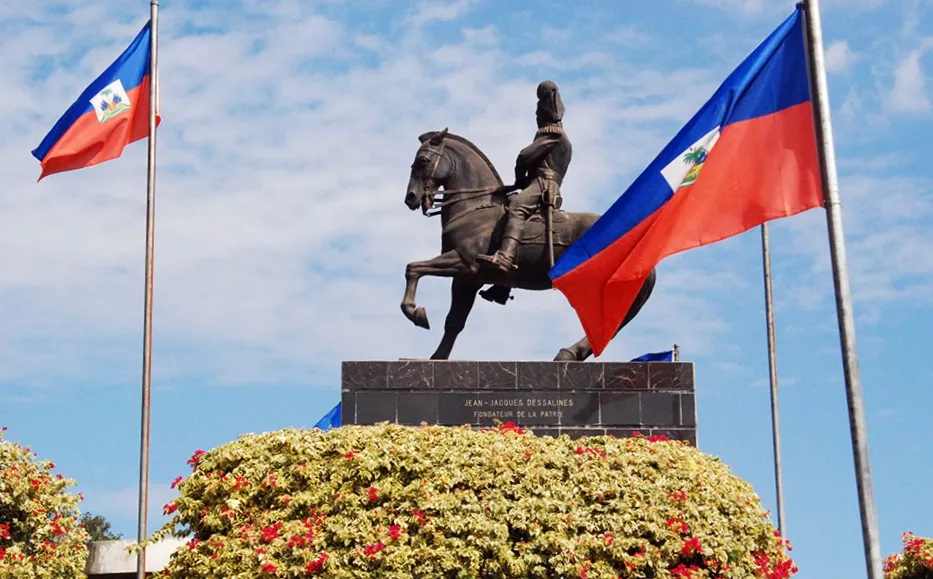
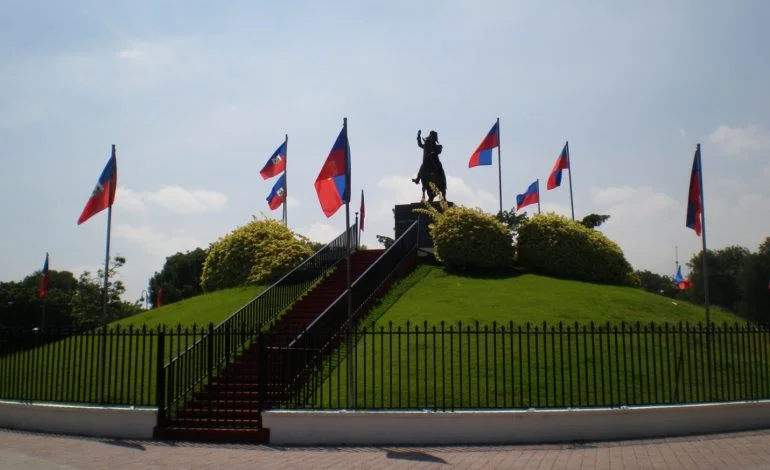
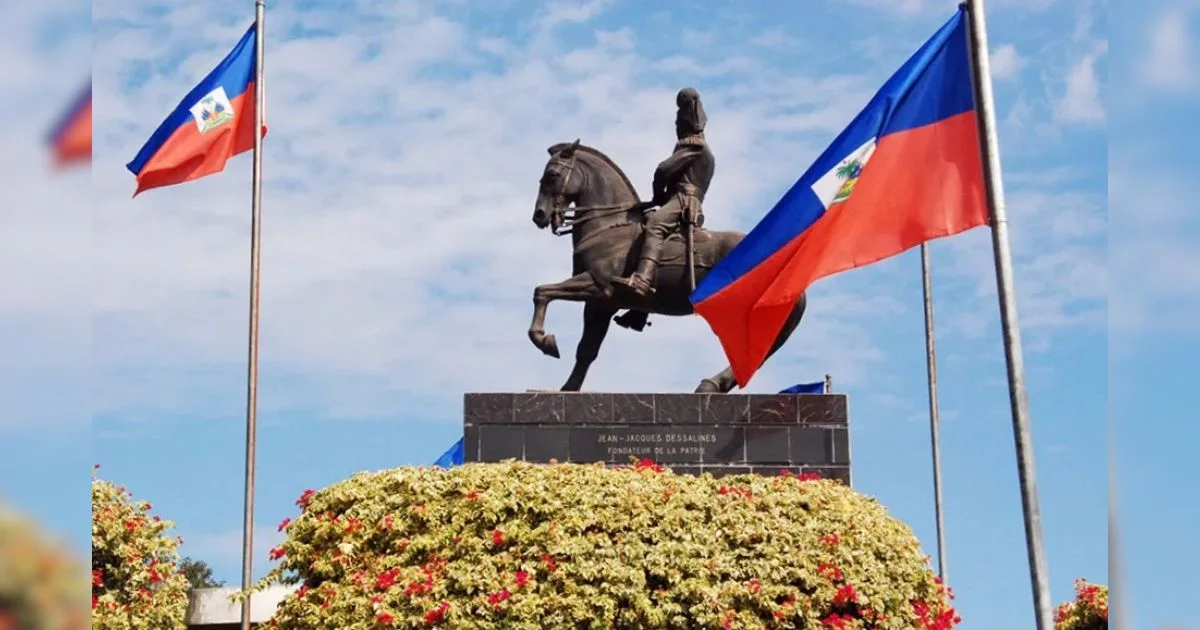
For centuries, the institution of slavery has darkened human history, leaving behind a legacy of pain, oppression and the struggle for freedom. However, in this dark tale, one nation stands out for its courage and determination to break the chains of oppression: Haiti. Located in the Caribbean, Haïti played a pioneering role in the abolition of slavery, laying the foundation for the fight for freedom and equality around the world. The history of slavery in Haïti dates back to the arrival of Europeans on the island, which was then called Santo Domingo, in the 15th century. French colonists quickly established an economy based on sugar and coffee production, cruelly exploiting millions of African slaves deported to work on plantations. However, this brutal system engendered fierce resistance from slaves, whose fight for freedom ultimately led to one of the most significant revolutions in history. In 1791, under the leadership of iconic figures such as Toussaint Louverture, Jean-Jacques Dessalines and Henri Christophe, Haitian slaves rose up against their oppressors in an unprecedented rebellion. This revolt resulted in a war of independence that lasted more than a decade, but ultimately resulted in the proclamation of Haiti’s independence in 1804, making that country the first post-colonial nation ruled by people from slavery. The impact of the Haitian Revolution on the abolition of slavery worldwide cannot be overstated. By breaking the chains of oppression and proclaiming their independence, Haitians have sent a powerful message to all oppressed peoples around the world: freedom is possible, and it is worth the struggle. The example of Haïti inspired other movements for the abolition of slavery in the Americas and beyond, thus helping to shake the very foundations of the institution of slavery. Haiti’s participation in the fight against slavery was not limited to its territory; it also extended to external actions where Haitian men were sent or actively participated in movements for the abolition of slavery in other regions of the world. For example, Haitian President Alexandre Pétion supported Simón Bolívar, the leader of the South American revolution, by providing him with weapons, money and even men, which contributed to the liberation of several countries in America Latin of colonial domination. Haïti also provided support for independence movements in Central America. Haitian fighters, led by General Jean-Pierre Boyer, helped Venezuelan patriots fight against Spanish rule, contributing to the liberation of that region. The Haitian government financially and diplomatically supported movements for the abolition of slavery in countries such as Venezuela, Colombia and Mexico, contributing to the gradual eradication of this institution throughout the region. Although Haïti did not directly participate in the American Civil War, many Haitians and descendants of Haitians played crucial roles in the abolitionist movement in the United States. Figures who were of Haitian origin or of Haitian ancestry, were important voices in the fight against slavery and for equal rights in the United States. The legacy of the Haitian Revolution remains a symbol of resistance and courage for future generations. Today, as the world continues to struggle against injustice and oppression in various forms, Haiti’s history reminds us that the fight for freedom is a universal fight, one that transcends borders and times. Haiti’s participation in the abolition of slavery throughout the world remains a crucial chapter in the history of humanity. Through their courage and determination, Haitians have paved the way for a future where freedom and equality are inalienable rights for all.
Haïti is a country located in the Caribbean, occupying the western third of the island of Hispaniola which it shares with the Dominican Republic. With a rich and complex history, Haïti stands out for its vibrant culture, unique heritage and resilience in the face of challenges.
The Port-au-Prince Book Fair is a literary initiative of the cultural organization Port-au-Prince Book Fair (OCSLP), based on the desire to promote Haitian culture in general, with a particular focus on literature. The organizers of the event have just announced the registration of authors, who will number 20, and those of publishing houses, who will number 5 for the second edition, which will take place on Friday, December 13, 2024, in the premises of the French Institute in Haiti. The registration deadline is Thursday, October 10 of this year. Please note that the first to arrive who have met the required criteria will be eligible to take part in this second edition of the event, according to the organizers’ admission. This rigorous and restricted selection of only 20 authors aims to guarantee an enriching experience for authors and the public, thus promoting authentic exchanges around the works presented. Independent authors and publishing houses interested in registering their authors to participate in this second edition of the fair are invited to submit their application via this link: https://form.jotform.com/louirardjohn8/salon-du-livre-de-port-au-prince. For publishing and distribution houses planning to exhibit on the day of the event, you can register by clicking on this link: https://form.jotform.com/242596699603068. You are requested to contact them at the following address: salondulivre2023@gmail.com in case of difficulties. The Port-au-Prince Book Fair remains faithful to its philosophy, which is to offer a platform to young authors and to promote the richness of Haitian literary production, by supporting new authors who contribute to its growth. This event is a continuation of the first edition, aimed at allowing the emergence of an environment conducive to exchanges, where young authors can meet, share their experiences and engage in dialogue with readers and book professionals. According to the organizers of the event, your participation as a young author will be essential to enrich the fair and offer a diverse experience to visitors. The invitation to join this noble initiative is extended to young authors who have not yet published 5 books. You who are concerned, the ball is now in your court. Do not hesitate to go and make this day, December 13, 2024, an unforgettable day for all book lovers.

Haiti’s national motto, “Strength in Unity,” is emblazoned on the Haitian flag and is an integral part of the country’s identity. But what does this phrase really mean to Haïti and why is it so important? This article explores the historical, cultural, and symbolic significance of this motto, which embodies the Haitian spirit of solidarity and resilience.
At the initiative of students Savela Jacques Berenji and Louino Robillard, the first two Haitians to have integrated the diploma program initiated by “SUNX, Climate Friendly Travel (CFT) and the Institute of Tourism Studies (ITS), the “ Club Zanmi Lanati” was officially launched on Saturday July 13, 2024, in Haiti, in Delmas 66. More than thirty young people took part in the initiative whose objective, among other things, is to combat climate change, promote responsible tourism, train citizens (ecological tourists) and encourage the creation of tourist and cultural wealth for sustainable development, according to the initiators.
At the opening ceremony of the 2024 Olympic Games in Paris, Haïti captured the world’s attention with stunning outfits. Haitian athletes’ uniforms outshined those of many influential nations in fashion and design. This recognition is the result of an exceptional collaboration between visionary designer Stella Jean and internationally renowned artist Philippe Dodard. Forbes confirmed it: Haïti has made it to the podium for the most remarkable outfits. But who is the man behind this visual triumph?

First black nation to free itself from slavery and gain independence from France in 1804 and influenced other liberation movements around the world, inspiring struggles for freedom and equality.

Haïti is blessed with spectacular natural landscapes, including white sand beaches, mountains and rich biodiversity.

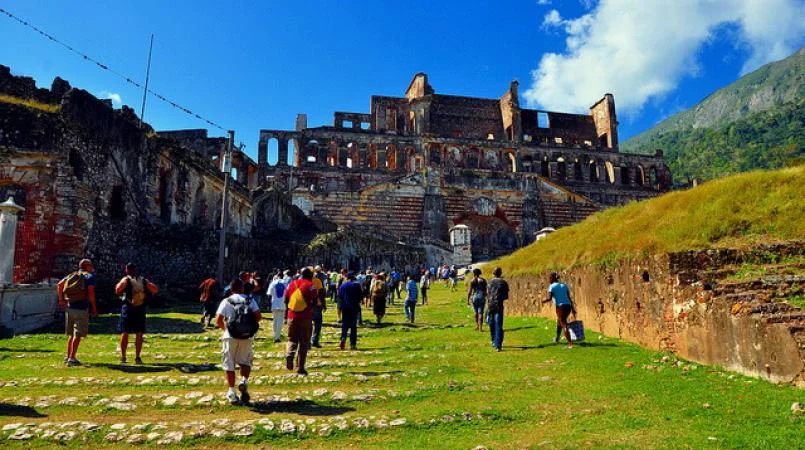
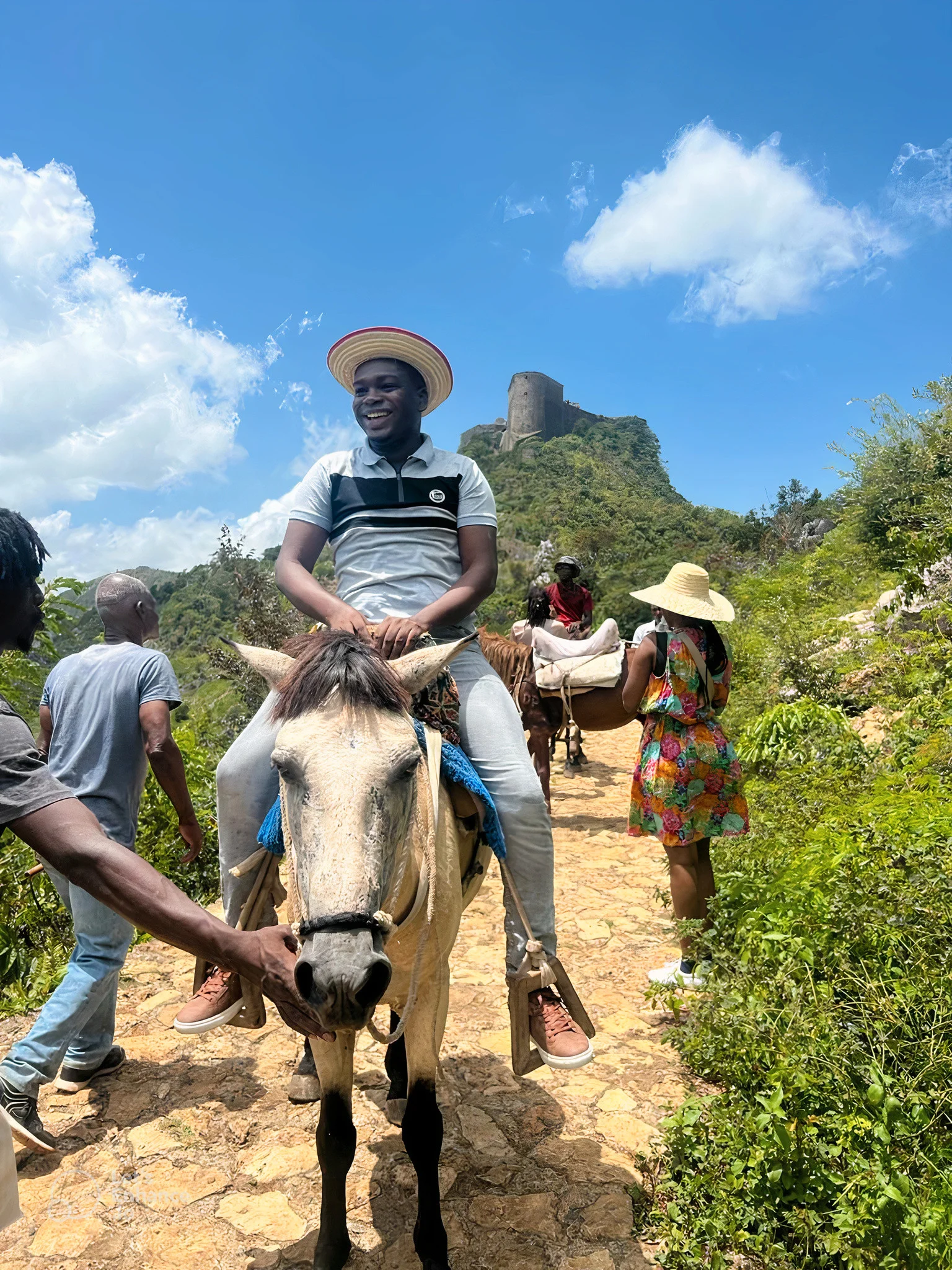
Haïti has a rich historical heritage, including sites like the Citadelle Laferrière and the Sans-Souci Palace, listed as UNESCO World Heritage Sites.

Haïti has a rich and diverse culture, influenced by African, European and indigenous elements. Haitian music, dance, art and cuisine are celebrated around the world.