

contact@haitiwonderland.com+509 36184317

Discover

Shopping Cart

Haïti : Citadelle la FerrièreHaïti : Citadelle la Ferrière

News / Sponsored Articles / View Recent Posts

Culture November 25, 2023

Haitian traditions

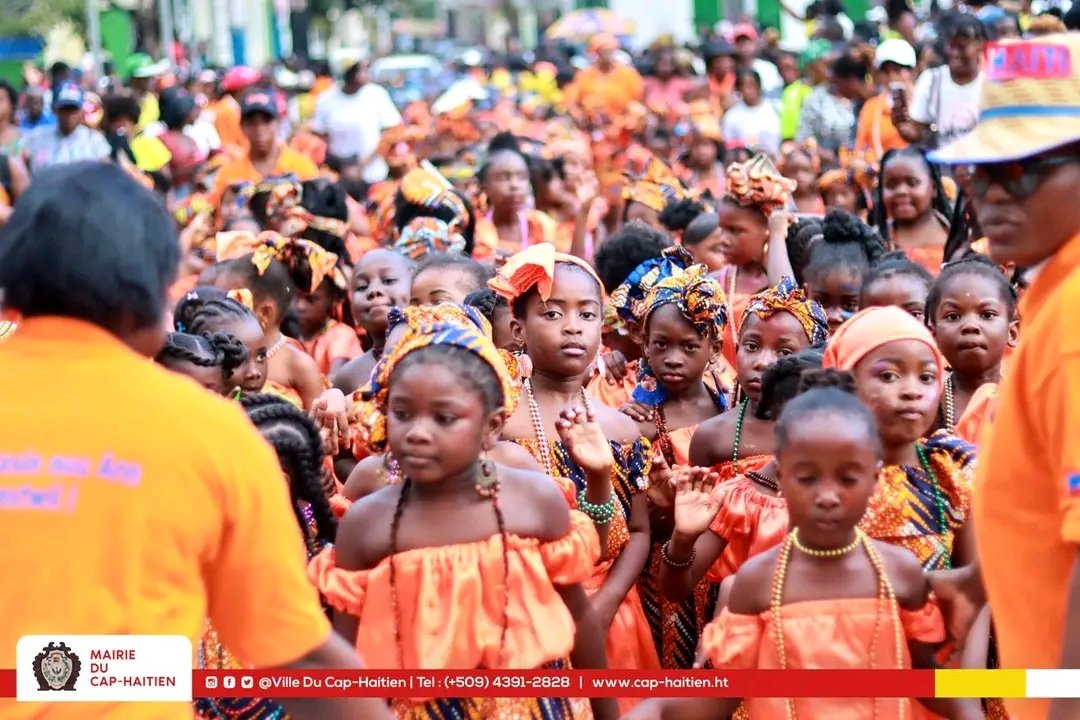
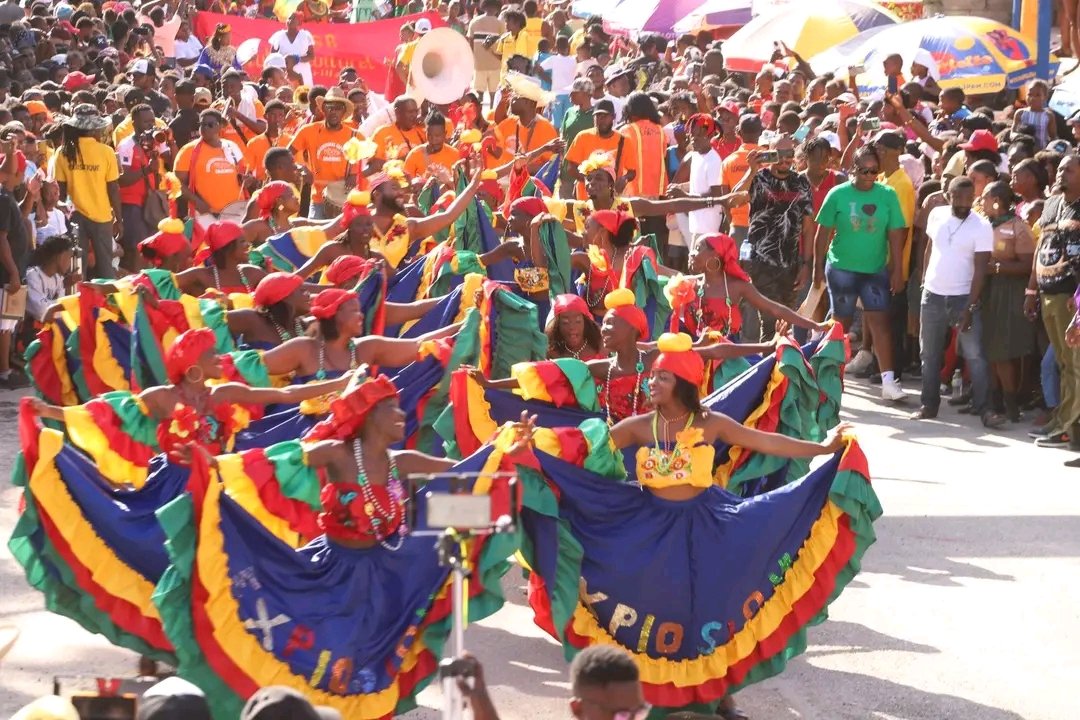
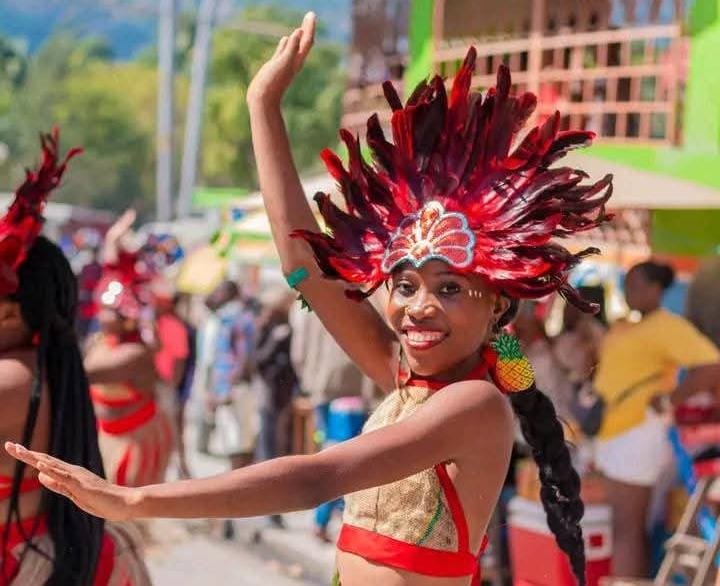
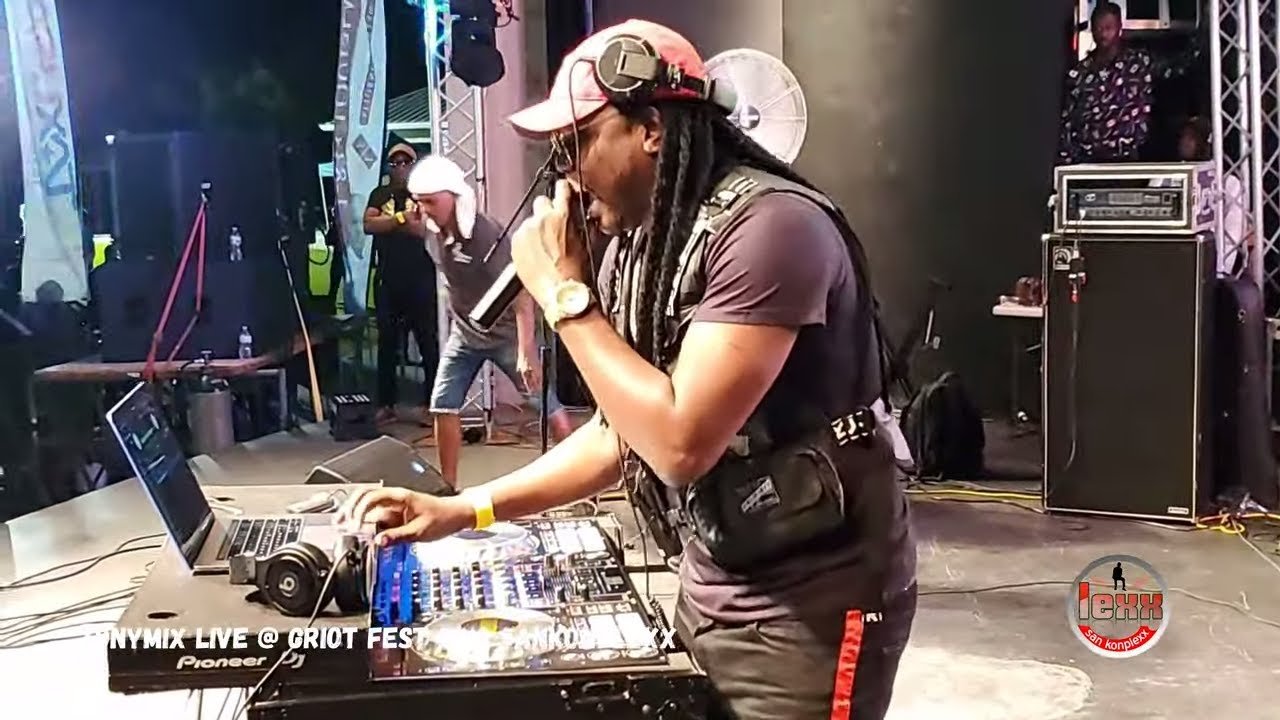
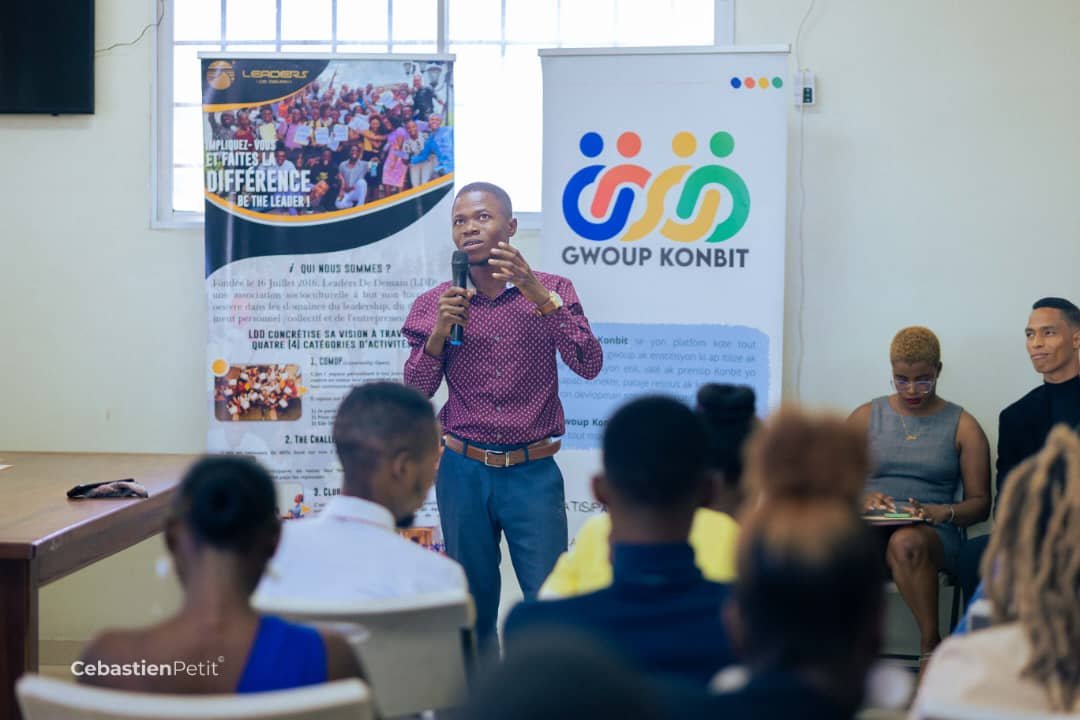
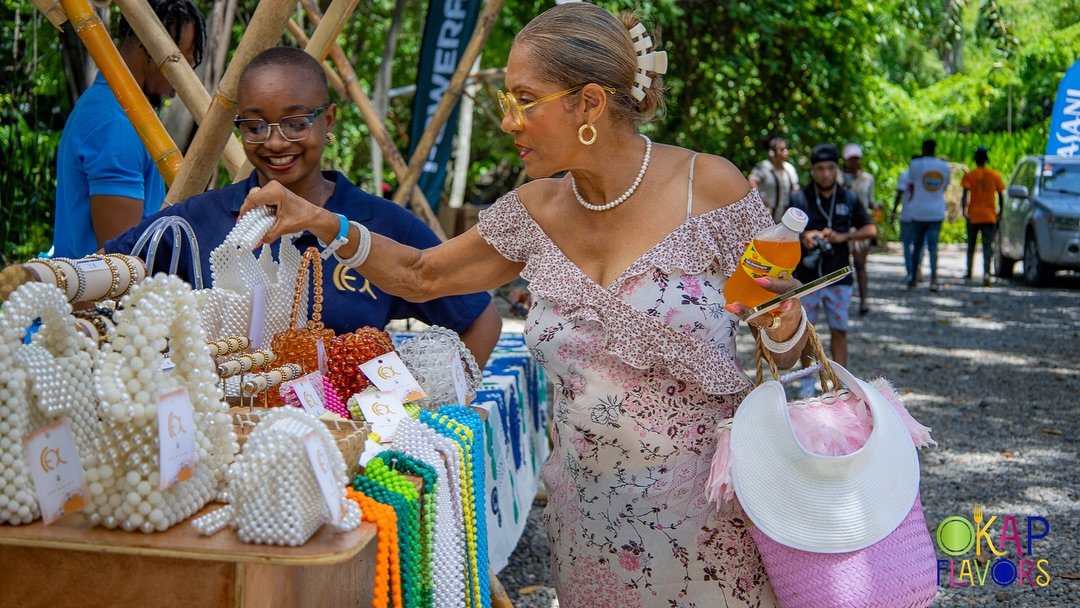
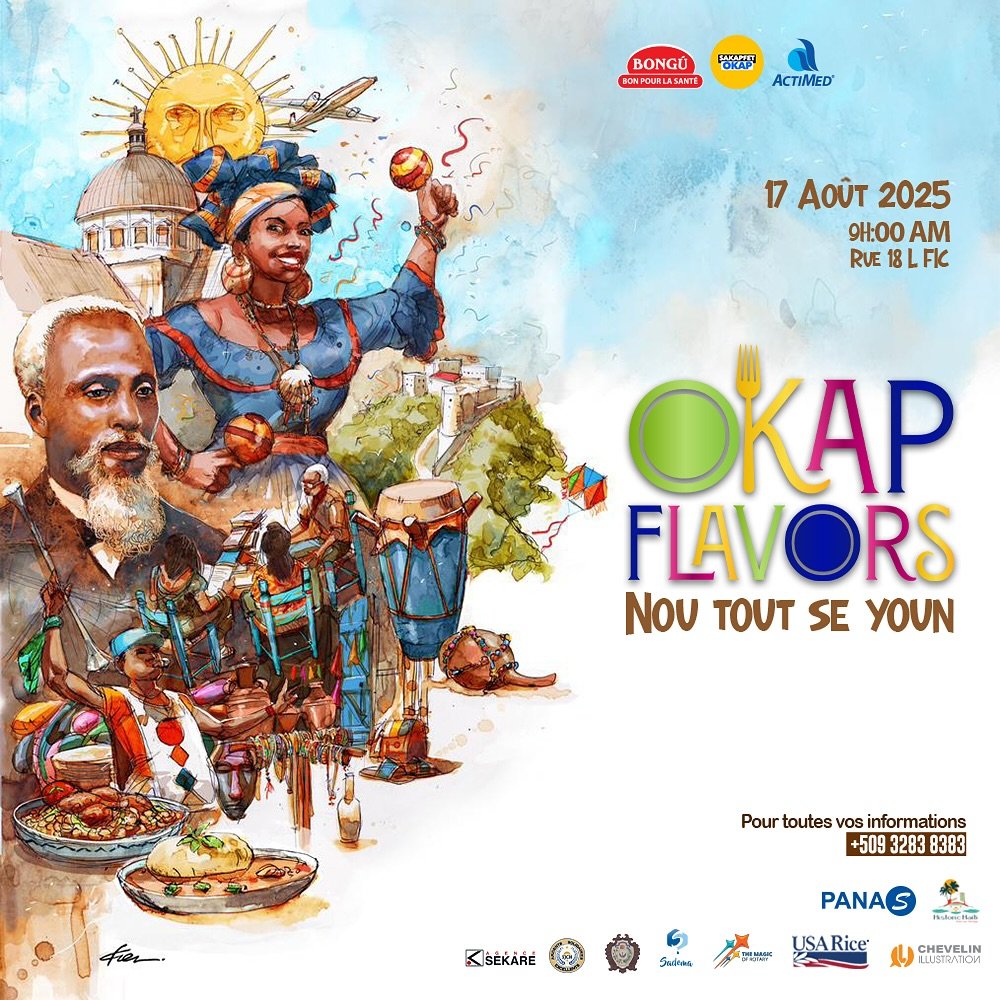
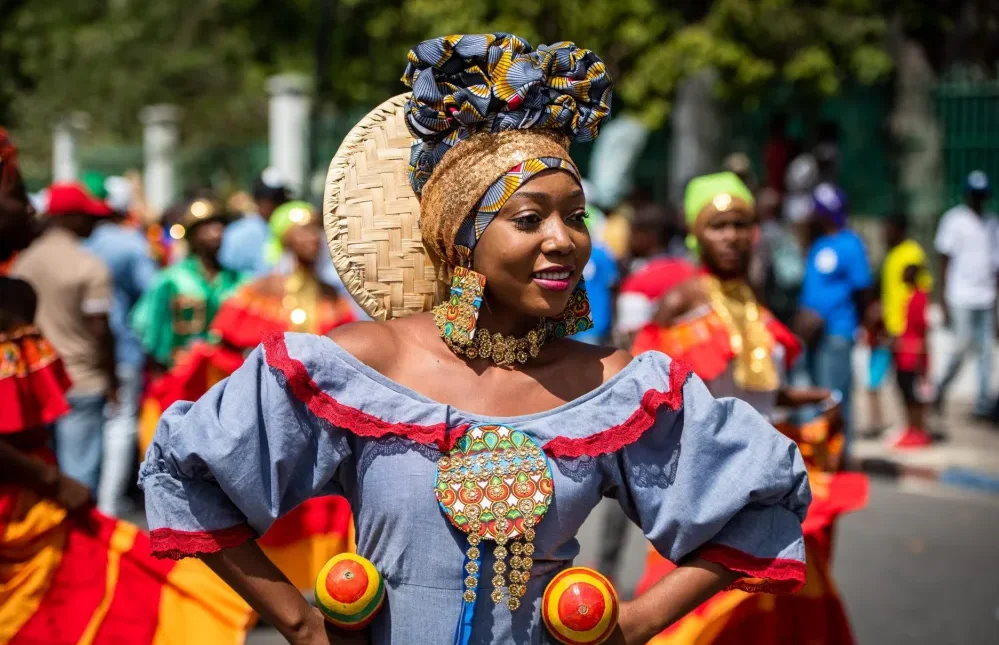
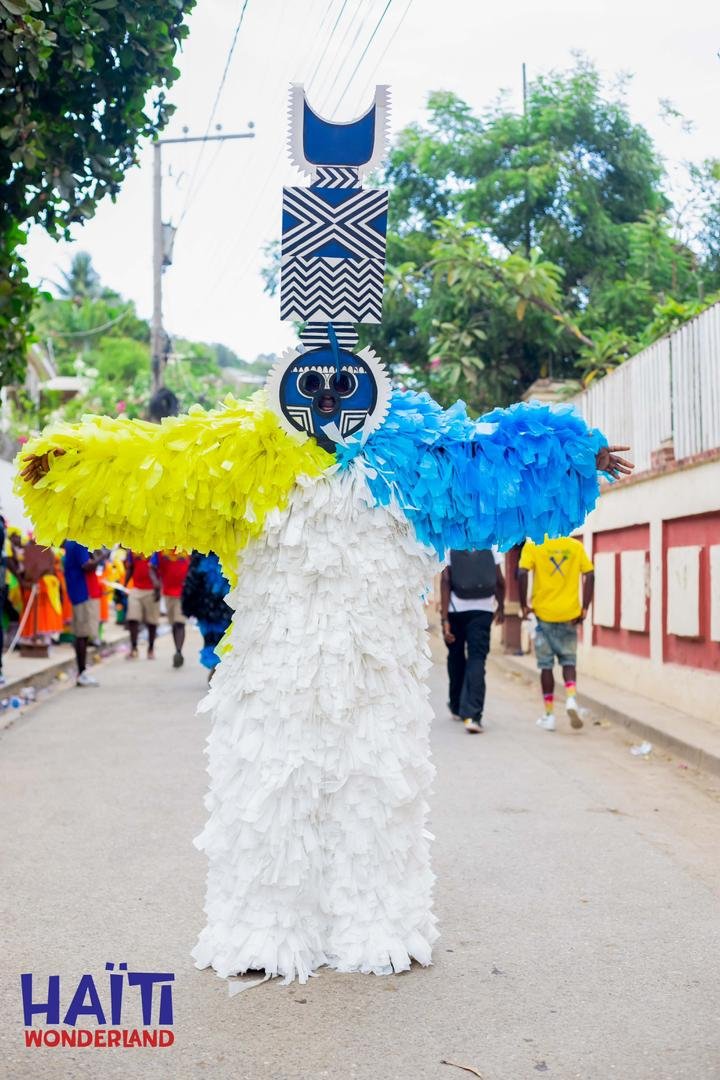
Haiti, the pearl of the Antilles, is a country rich in history and traditions. Its vibrant and diverse culture is reflected through its national holidays, cultural festivities, traditional foods, religious beliefs, folk tales, and traditional games. Let’s immerse ourselves in the social fabric of Haïti to discover the beauty of its traditions. b~National Holidays:~b National holidays in Haïti are moments of pride and national unity as January 1, Independence Day, commemorates the victory of Haitian slaves over French colonial forces in 1804, making Haïti the first independent country in Haiti. Latin America and the Caribbean or the commemoration of the Battle of Vertières on November 18. The Battle of Vertières was one of the last great battles of the revolution. It took place in Vertières, near the town of Cap-Haitien. b~Cultural Festivities:~b Haïti is also famous for its cultural festivities, particularly Carnival, which is an explosion of color, dance, and music. Artistic and craft events, such as the Rara festival, are an opportunity for artists to showcase their talent. The Rara, a musical parade, combines folklore and spirituality, creating a unique experience. b~Traditional Foods:~b Haitian cuisine is a delight for the taste buds. Dishes like griot (fried pork), diri djon djon (rice with black mushrooms), and the legendary joumou (joumou soup) are an integral part of Haitian culinary tradition. Bold flavors, spices and cooking methods inherited from African and French tradition make Haitian cuisine unforgettable. b~Vodou:~b Vodou, often misunderstood, is a synchretic religion that incorporates elements of Catholicism, African animism, and indigenous beliefs. It plays a significant role in the daily lives of Haitians, influencing music, dance, and religious rites. Vodou is a profound expression of Haitian spirituality. The Tales (Krik Krak, Tim Tim, Bwa Sèch): Haitian folk tales, passed down from generation to generation, are rich in morality and wisdom. b~Konbit :~b The concept of Konbit represents community solidarity. Haitians come together to perform community tasks, whether in agricultural fields or for construction projects. It is a living example of the collective spirit that permeates Haitian society. The most recent major project to date concerns the construction of the canal from the Massacre River to Ouanaminthe, which took place between September and December 2023. Thousands of inhabitants of the north of the country mobilized all their forces to erect a canal allowing to collect water intended for irrigation of their plantations, with the aim of obtaining better harvests. Despite their modest means, they were motivated by the slogan "KPK" (Kanal la pap kanpe), a direct response to Dominican President Luis Abinader who warned them and did everything in his power to stop the construction of the canal. This channel represents the deep solidarity of Haitians and reaffirms national pride. Despite economic challenges, the people of northern Haïti have demonstrated exceptional determination to work together for a common goal. The slogan “Kanal la pap kanpe” embodies their resilience in the face of external pressures and demonstrates their unwavering will to continue the construction of the canal. b~Traditional Games:~b Traditional games are an essential part of daily life in Haiti. Games like lido, sote kòd, Yoyo, Ralba, Marèl, TiTaTo, Kay, lago kache, Monte kap, teke mab, woule sèk, twa fwa se manbo, and domino bring people together, promoting camaraderie and fun. Haitian traditions are a harmonious blend of spirituality, community, and cultural diversity. Every aspect, from national holidays to traditional games, helps weave the rich cultural tapestry that makes Haïti proud. These traditions are the beating heart of the nation, a precious heritage that continues to be passed down from generation to generation.
Par Appolon Guy Alain | 1
Learn more

Recently Posted

Haiti: The Center department, one of the departments most resistant to natural earthquakes

The Center department, commonly called Plateau Central, is one of the ten (10) departments of Haïti most robust in the face of certain natural phenomena. Before becoming one of the ten (10) departments of Haiti, the Center department was part of the Great North. It is renowned for its natural landscapes, its biosphere climate and its resistance to certain natural phenomena. In addition to its natural productions such as corn, millet and livestock, the Center department is also known for its high mountains which constitute a robust defense against certain natural phenomena such as earthquakes and floods. Composed mainly of high mountains, the department of Charlemagne Peralte and Benoît Batravil is the only one of the ten (10) not to have an outlet to the sea. However, its inhabitants take advantage of the vast rivers, rivers and lakes which cross it . With an area of ​​3,487 km², the population of the Center department is estimated at 678,626 according to a study carried out in 2009. On this same area, the department is divided into four (4) districts and twelve (12) communes. Bordered to the east by the Dominican Republic, the Center department connects other departments of the country such as Nord and Artibonite, and connects the two countries of the island through border areas like Balladère, Hinche and Cerca Carvajal. In the Center department, there are sites that could attract tourists for their natural beauty. In Saut d’Eau, there is the Saut d’Eau waterfall, in Hinche we find the Zim basin, the Péligre lake, the Péligre hydroelectric dam, the Artibonite river, and the Deux river (2 ) Rooms in Thomonde, more precisely in "El Manni", not far from the communal section of Caille-Epin. Thanks to its strong mountains and its natural climate, the Center department remains one of the most resistant departments in the event of an earthquake in Haiti.

Rutshelle Guillaume and Blondedy Ferdinand Team Up to Launch RGGlow

Elephant Haitian music and film icons Rutshelle Guillaume and Blondedy Ferdinand are adding another string to their bow with the launch of "RGGlow," a premium skincare brand. This unprecedented collaboration reflects their shared commitment to female empowerment and the celebration of beauty in all its diversity. Set to launch on December 12, 2024, the "RGGlow" line promises products designed to nourish, rejuvenate, and brighten the skin. Made with quality ingredients, "RGGlow" products aim to meet the specific needs of women looking for effective and elegant solutions for their beauty routine. The official launch will take place during an exclusive event at Blondedy Ferdinand Studio, starting at 5 p.m. The event will bring together celebrities, beauty professionals, and fans to celebrate this unique initiative. This is an anticipated moment that will mark the beginning of an ambitious and inspiring project. Beforehand, an exclusive live will be broadcast on December 11 at 7 p.m. on all platforms, allowing the general public to discover the behind the scenes of this entrepreneurial adventure. Rutshelle Guillaume and Blondedy Ferdinand will share the inspirations behind RGGlow, while revealing some secrets about the products that make up this range. This project represents much more than a simple cosmetics brand. RGGlow positions itself as a symbol of unity and determination, carried by two powerful and influential figures. Through this collaboration, Rutshelle and Blondedy wish not only to offer quality products, but also to convey a strong message: every woman deserves to feel beautiful, radiant and confident.

There are several reasons why a foreign national might be interested in visiting Haiti

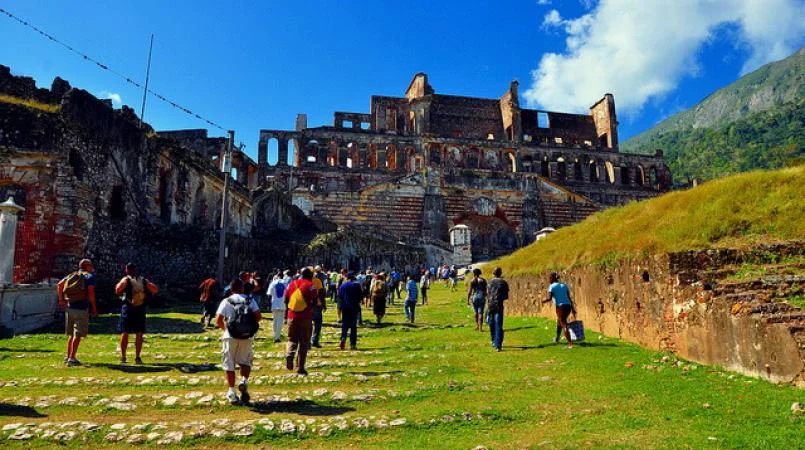
There are several reasons why a foreign national might be interested in visiting Haiti: Rich and diverse culture: Haïti has a unique culture resulting from a mixture of African, European (particularly French) and Caribbean influences. This is reflected in its music, cuisine, art and traditions. Fascinating history: Haïti was the first country in Latin America and the Caribbean to gain independence in 1804 after a successful slave revolt. Its history is rich in significant events and important historical figures. Magnificent natural landscapes: The island of Haïti offers a variety of breathtaking landscapes, from white sandy beaches to lush green mountains, picturesque waterfalls and isolated islands. Hospitality of the locals: Haitians are known for their warmth and hospitality towards foreign visitors, making the travel experience very pleasant and enriching on a human level. Opportunities for Sustainable Tourism: Haïti offers opportunities for sustainable tourism, including encouraging visits that directly benefit local communities and environmental conservation. Exploring historic sites: Historic sites such as the UNESCO-listed Citadelle Laferrière offer visitors a chance to discover colonial architecture and remains from pre-Columbian times. Vibrant cultural celebrations: Haïti is famous for its colorful festivals and cultural celebrations throughout the year, such as Carnival, where music, dance and traditional costumes are in the spotlight. In summary, visiting Haïti can offer a deep and authentic cultural experience, as well as an exploration of the unique natural and historical beauties of this Caribbean nation.
Recently Posted

History

History

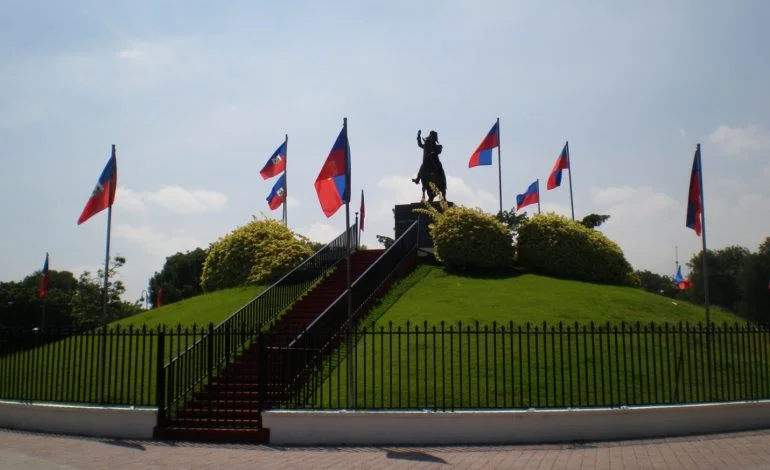
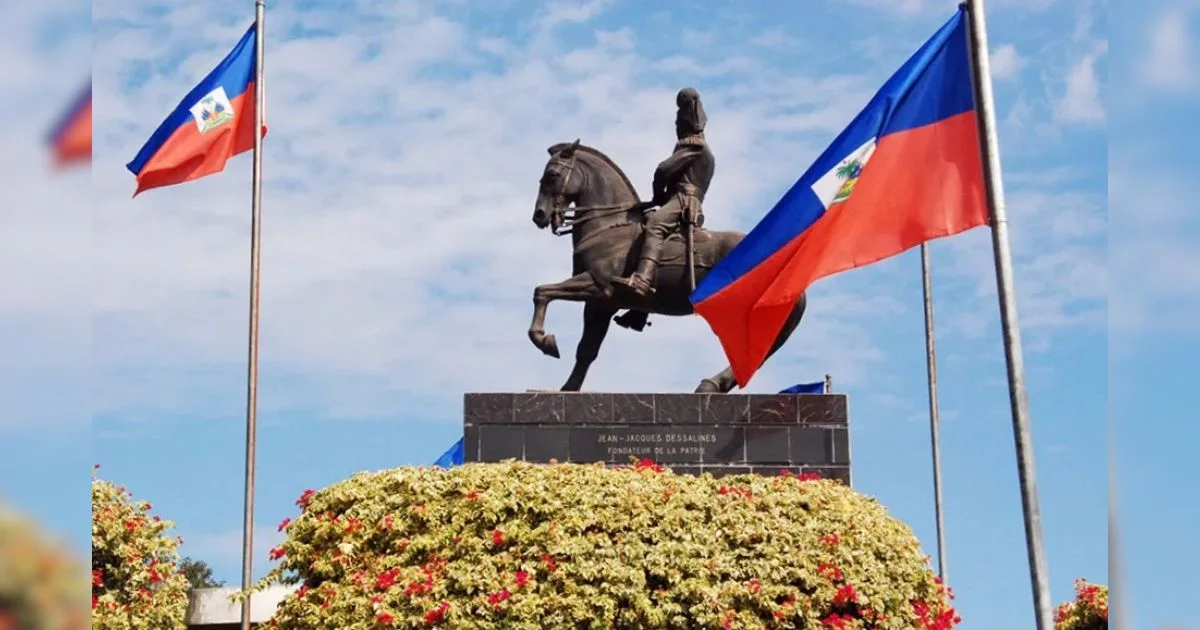
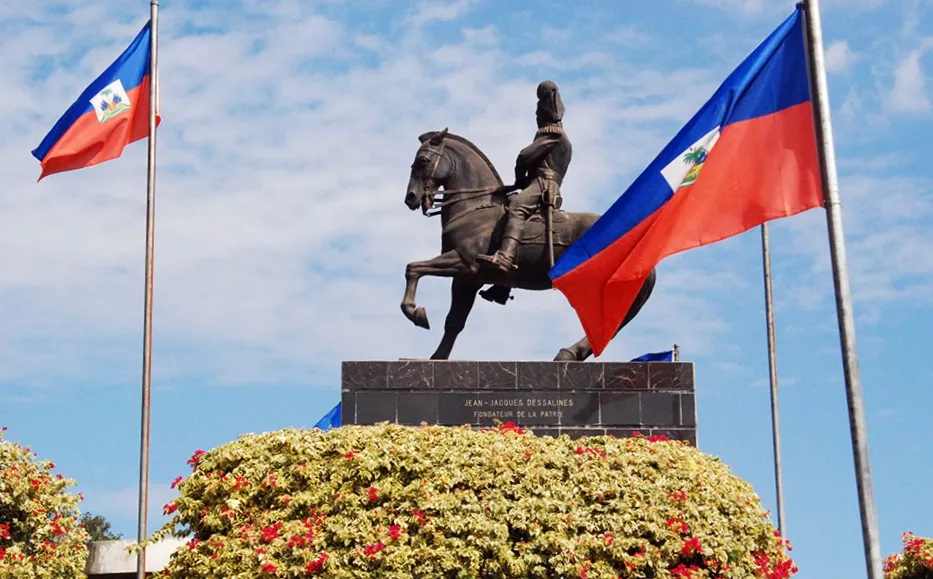
First black nation to free itself from slavery and gain independence from France in 1804 and influenced other liberation movements around the world, inspiring struggles for freedom and equality.

Natural beauty

Natural beauty

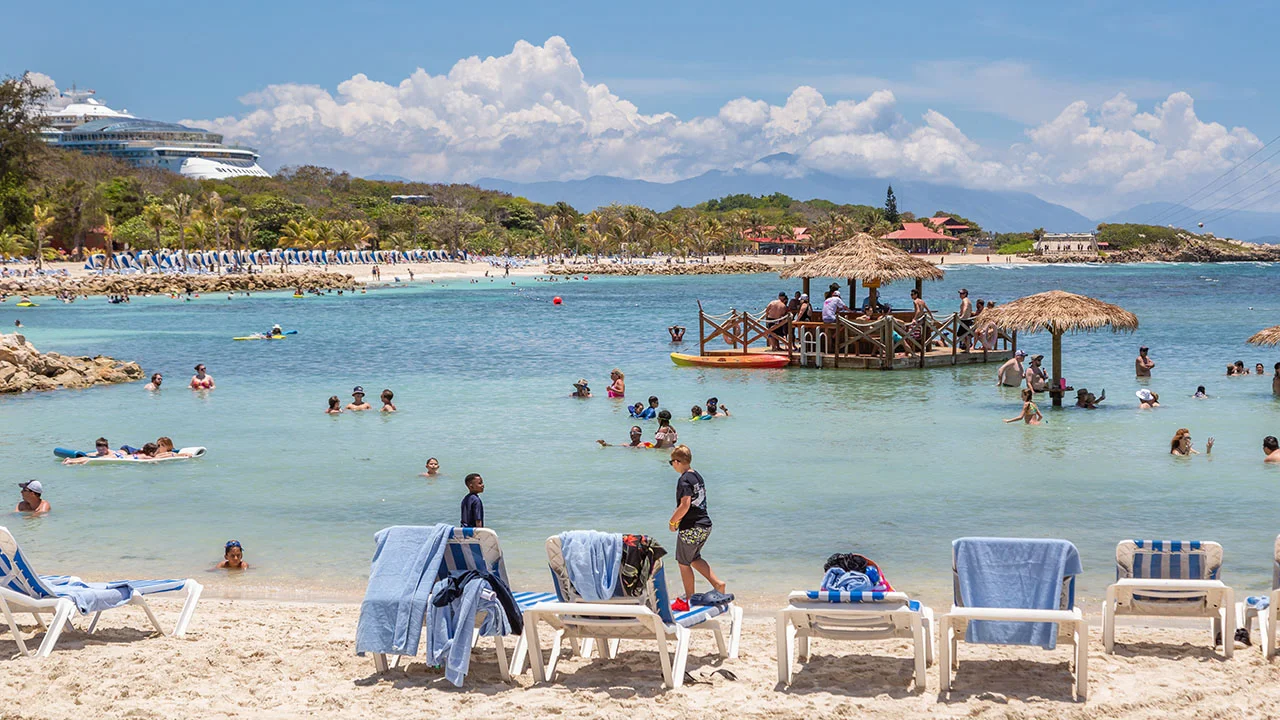
Haïti is blessed with spectacular natural landscapes, including white sand beaches, mountains and rich biodiversity.

Heritage

Heritage

Haïti has a rich historical heritage, including sites like the Citadelle Laferrière and the Sans-Souci Palace, listed as UNESCO World Heritage Sites.

Culture

Culture

Haïti has a rich and diverse culture, influenced by African, European and indigenous elements. Haitian music, dance, art and cuisine are celebrated around the world.

  • +
    • Post