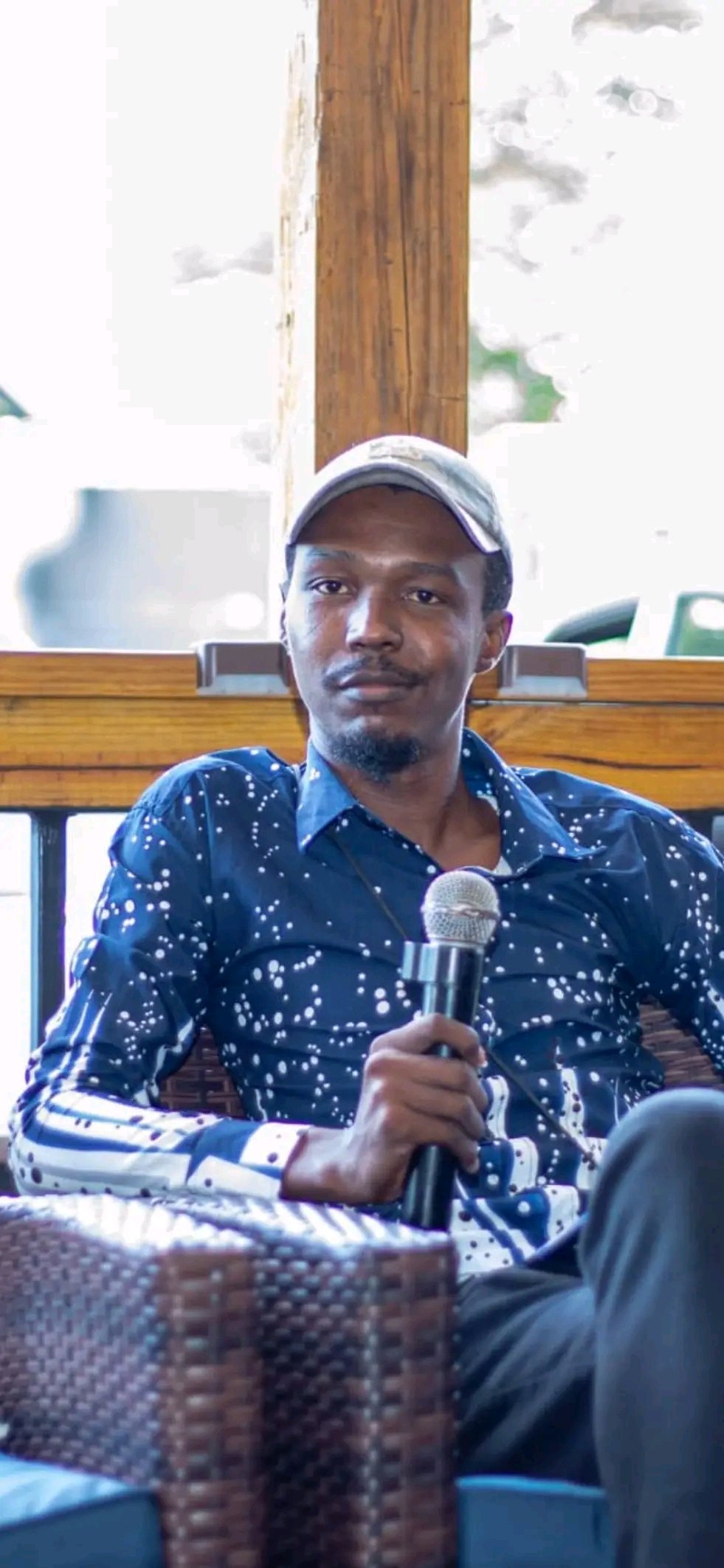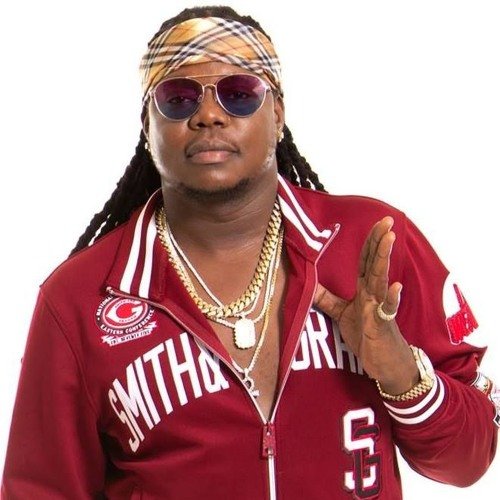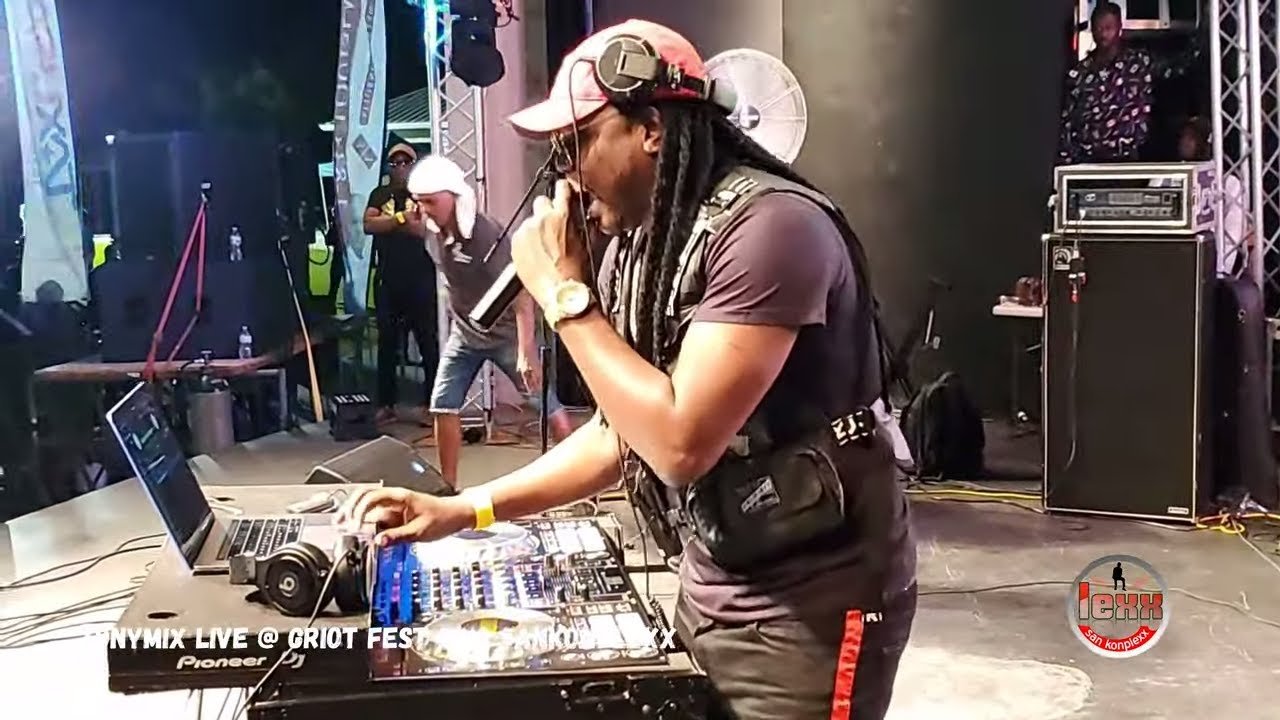

Career, Hits, and Influence: Tony Mix, Haiti’s Essential DJ
Discover the career, hits, and influence of Tony Mix, Haiti's essential DJ who rocks the national and international music scene.

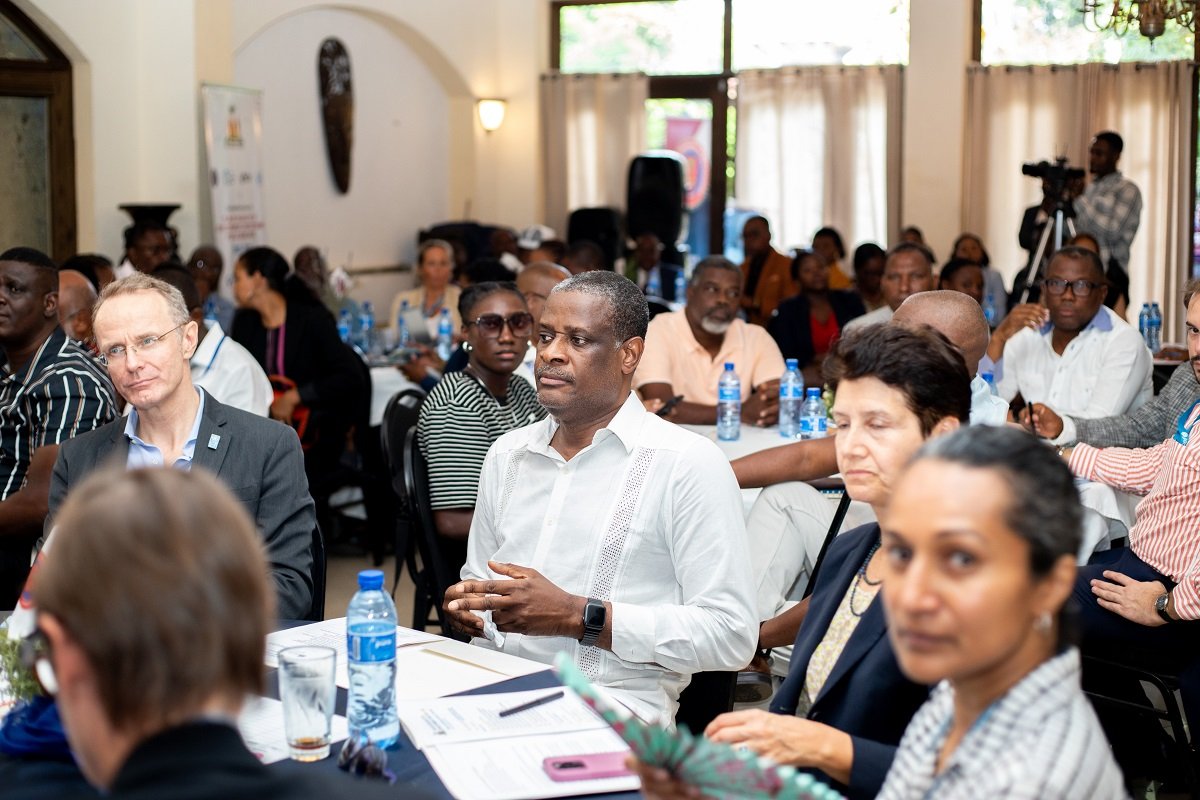
The Monferrier Dorval Chair of Constitutional Law is a high-intellectual-intensity initiative, taken by the State University of Haïti (UEH), through the leadership of its rectorate, in agreement with the leaders of the Faculty of Law and Economics (FDSE). The initiative’s primary goal is to honor and perpetuate the memory of the valiant and brilliant Professor Monferrier Dorval, assassinated in unclear circumstances, about three years ago. And in order to make a scientific contribution to the great debate that has been going on in Haitian society for about ten years about the need to change or not, the constitution of March 29, 1987, amended on May 11, 2011. Shouldn’t we try to apply it preferably? If it needs to be changed, should this change be radical, otherwise what should it have in terms of change within a new mother law for a better institutional organization of Haiti. The chair is scientifically chaired by Professor Henri Marge. Dorléans, (current head of AFPEC), and is vice-chaired by the dean of the faculty of law and economics, Me Eugène Pierre Louis. The Chair is materialized by a set of conferences and debates (15 in total), which take place in the premises of the Office of the Protection of the Citizen OPC, under the name of Wednesday of the Monferrier Dorval Chair. It is in this sense that for the fifth edition of the Wednesday of the chair (which took place this Wednesday, October 9, 2024 at the OPC, in the presence of the protector of the citizen, Me Renan Hédouville), attention was placed on education within the debate surrounding the possible development of a new constitution for Haiti. This 5th meeting took place under the theme of: "Education, Teaching, Research, Science and Technologies". The conference was hosted by three greats of the Haitian intellectual community, including two eminent professors of the UEH, namely, Professor Odonel Pierre Louis, academic director of the École normale supérieure (ENS); the vice rector of the UEH, Professor Jacques Blaise. Their interventions were followed by that of the director of the national institute of vocational training (INFP) Mr. Dikel Delvariste.
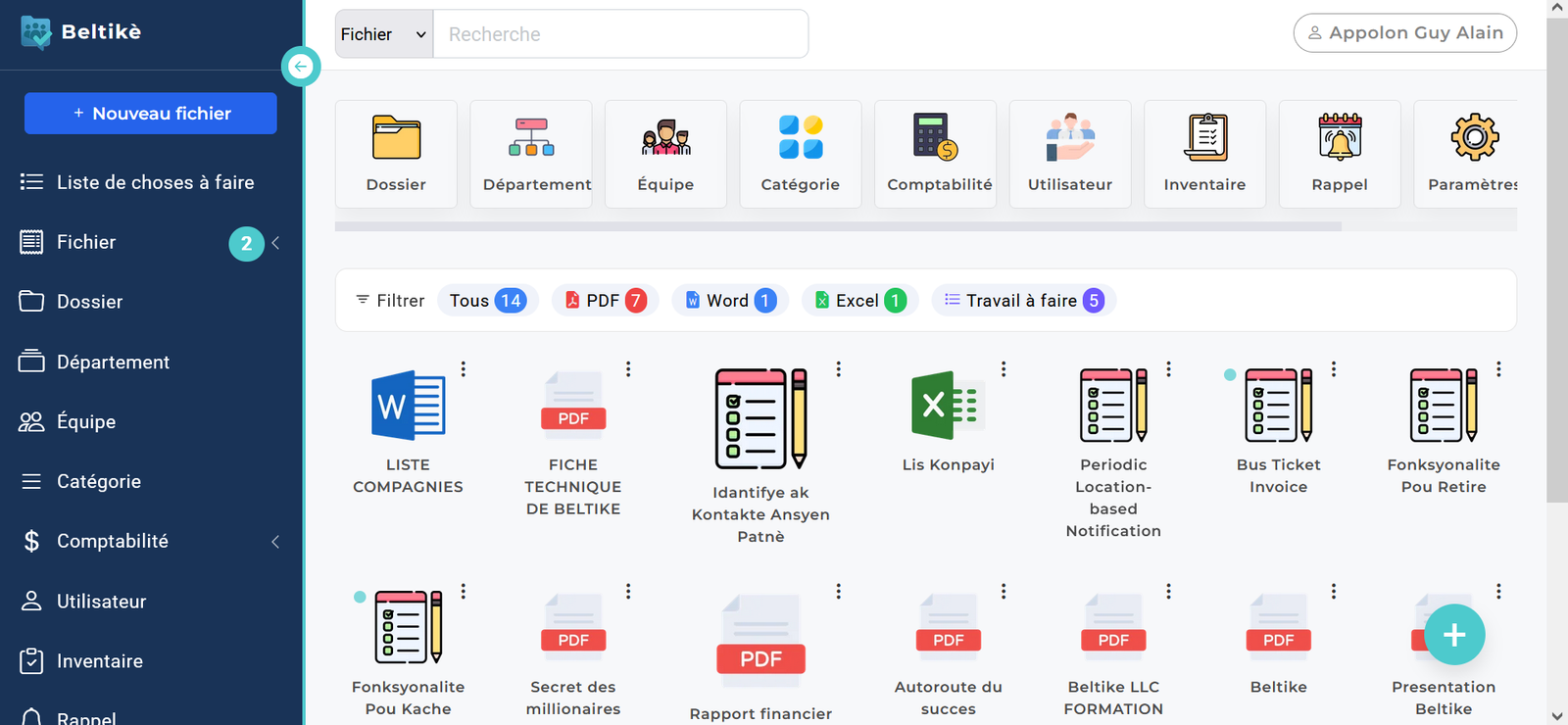
In today’s world, where online presence is crucial for business success, being visible on search engines is essential. Imagine this: a potential client is looking for services like yours in Haiti. He opens Google and types something like b~"Haïti web agency"~b or b~"Haitian developer"~b. The question is: where does your business rank in these search results? In our case, b~Appo-graphic~b is present in the first three results for the search b~"Haïti web agency"~b and b~Appolon Guy Alain~b occupies the first place for the search on b~"developer Haitian"~b, thanks to two of our well-optimized articles. This surely guarantees them more contracts, just as it guarantees us more contracts, because you found us among the first results when carrying out searches on natural referencing in Haïti and SEO. At Haïti Wonderland, we understand the importance of this visibility. That’s why we work to ensure your business is among the top three search results for relevant keywords in your industry, as we know the majority of customers only click on those top three results. Our services currently focus on writing highly optimized advertising articles, designed to propel you to the top of search results. We write about you and your industry, ensuring that each article is carefully targeted to attract the attention of search engines and potential customers. In just a few weeks, these articles can start ranking in the top positions of search results, providing increased visibility and driving traffic to your website or social media pages.
Since its independence in 1804, Haïti has experienced a series of presidents who have each marked the country’s history in different ways. This article presents a list of Haiti’s presidents, highlighting their background and impact on the nation. This retrospective offers an overview of the political, economic and social challenges that Haïti has faced throughout the decades.
Cap-Haïtien, is a coastal city in the northern department of Haiti, formerly known under the names of Cap-Français or Cap-Henri. Dominated by the Morne Jean mountain, this destination offers an immersion in the French colonial past and the Haitian revolution. Nestled by picturesque bays and bordered by the Haut-du-Cap river, Cap-Haitien appeals to travelers looking for authenticity and seaside adventure. The city, rich in history and culture, has seen the birth of renowned artists like Philomé Obin and hosts a vibrant music scene with the groups Septentrional and Tropicana from Haiti. Its hidden treasures, including the Citadelle La Ferrière and the historic site of Vertières, as well as its magnificent natural landscapes, make Cap-Haitien an unmissable destination in the Caribbean. Paradise beaches in Labadie and cobbled streets evoking a rich past invite visitors to fully immerse themselves in Haitian history and culture. Cap-Haïtien, formerly Cap-Français or Cap-Henri, is the second city of Haiti, capital of the Nord department and the district of Cap-Haïtien. Located on the northern coast of the Republic of Haïti , was considered in the 19th century as the safest port. Dominated by the Morne Jean mountain, culminating at 718 meters above sea level, the town is located at the mouth of the Haut-du-Cap river, on the west coast. of the bay of Cap-Haïtien. To the west of the town lies the Acul Bay.
Haiti, a nation rich in history and culture, occupies a special position in the Caribbean region. But where exactly is Haïti located in this tropical archipelago? Discover its geographical location and what makes this country stand out among its island neighbors.
Les lapins sont des mammifères appartenant à la famille des Leporidae. Voici quelques-unes de leurs caractéristiques principales : 1. **Physique** : Les lapins ont un corps couvert de fourrure douce, des oreilles longues et droites, de grands yeux sur les côtés de leur tête, et une queue courte et duveteuse. Ils possèdent de puissantes pattes arrière adaptées au saut. 2. **Taille et poids** : La taille et le poids peuvent varier considérablement selon la race, allant d’environ 500 grammes pour les plus petits à plus de 5 kilogrammes pour les plus grands. 3. **Comportement** : Les lapins sont connus pour être sociaux et peuvent vivre en groupes dans la nature. Ils communiquent entre eux par différents moyens, y compris par des sons et des mouvements corporels. Les lapins creusent des terriers pour y vivre et se protéger des prédateurs. 4. **Alimentation** : Ils sont herbivores, se nourrissant principalement de foin, d’herbes, de feuilles, de fleurs, et de certains légumes. Leur système digestif est adapté pour traiter une grande quantité de fibres. 5. **Reproduction** : Les lapins sont réputés pour leur capacité à se reproduire rapidement, avec des gestations courtes d’environ 28 à 31 jours. Une portée peut compter de un à douze lapereaux, selon la race. 6. **Sens** : Ils ont une excellente vision périphérique pour détecter les mouvements tout autour d’eux, mais ont une zone aveugle juste devant leur nez. Leur ouïe est également très développée, leur permettant de capter des sons à de grandes distances. 7. **Espérance de vie** : En captivité, les lapins peuvent vivre de 7 à 10 ans, selon la race et les soins prodigués, tandis que dans la nature, leur espérance de vie est généralement plus courte en raison des prédateurs et des maladies. Ces animaux nécessitent des soins appropriés, notamment un régime alimentaire équilibré, de l’exercice, et une attention particulière à leur bien-être émotionnel et physique pour vivre une vie saine et heureuse en captivité.
Haiti’s largest plateau is the Central Plateau. This vast territory, located in the central region of the country, is an emblematic area of Haiti’s environment, rich in natural resources, history, and agricultural potential. In this article, we will explore the characteristics of this plateau that make it an essential region for understanding Haiti.
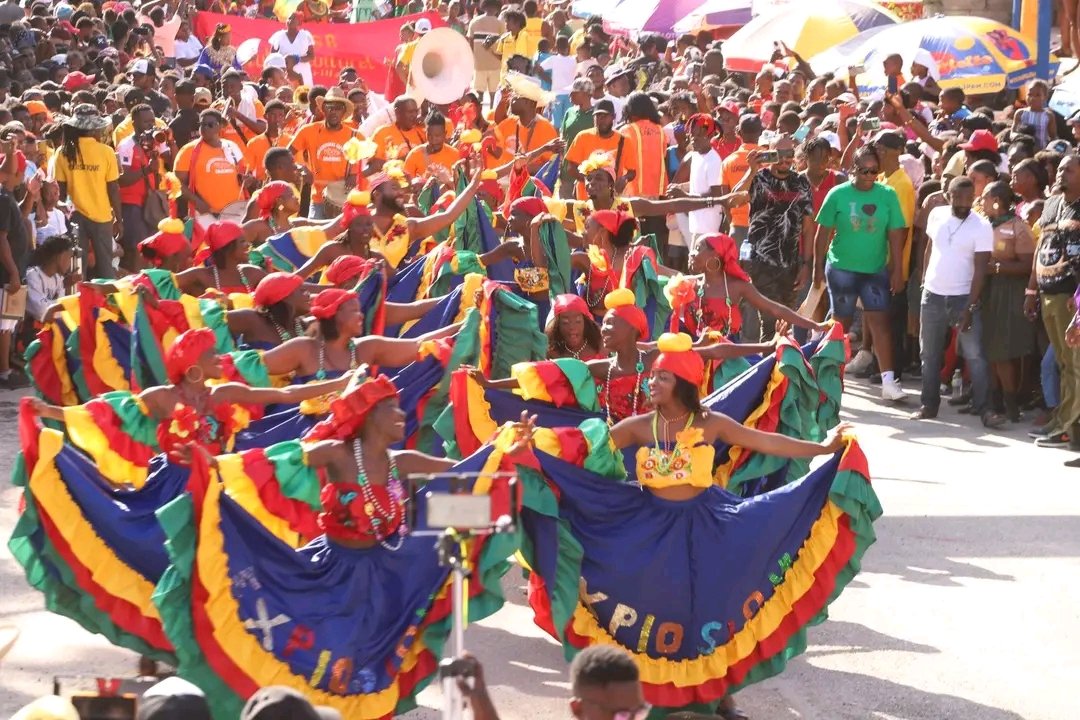
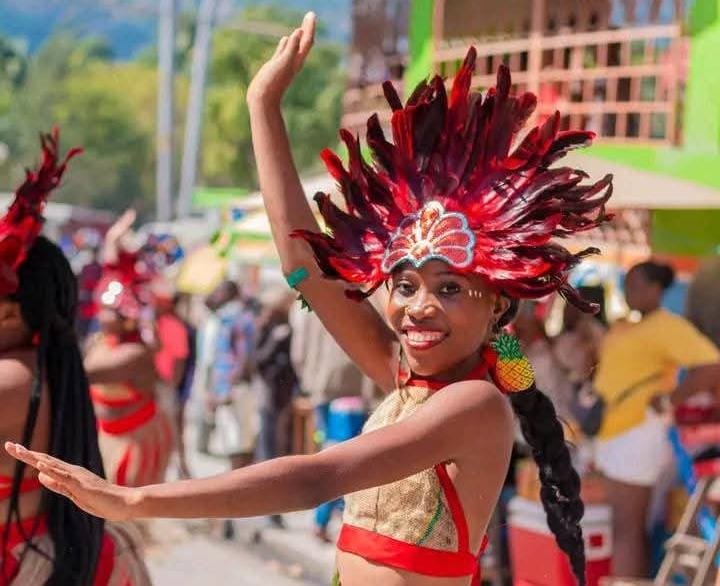
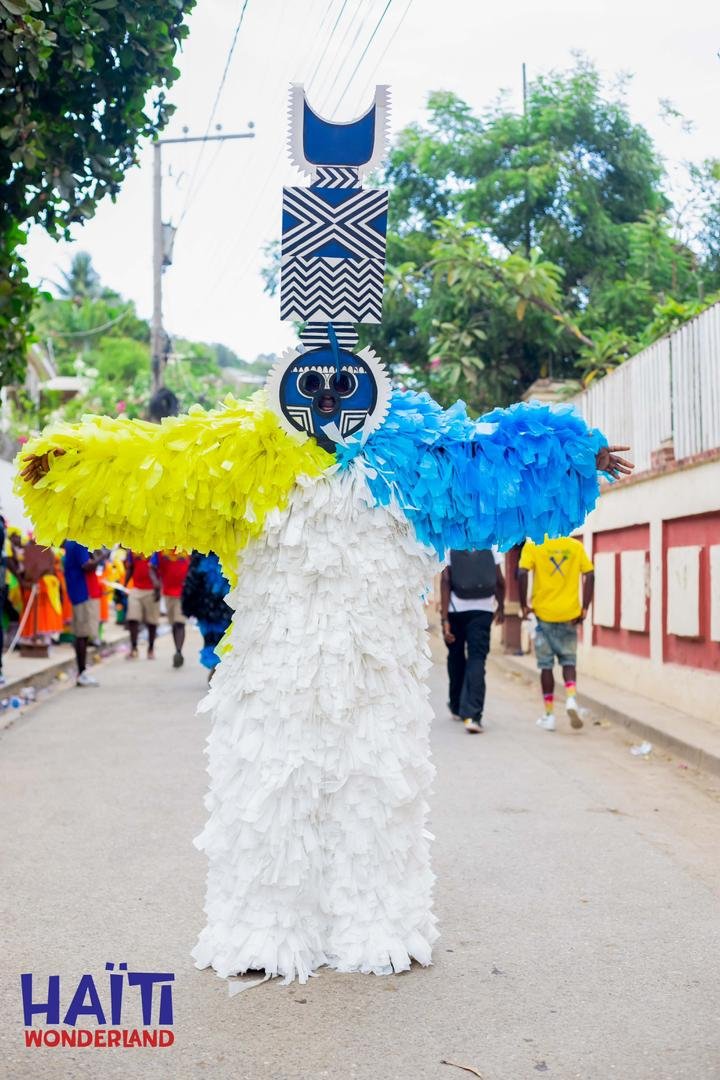
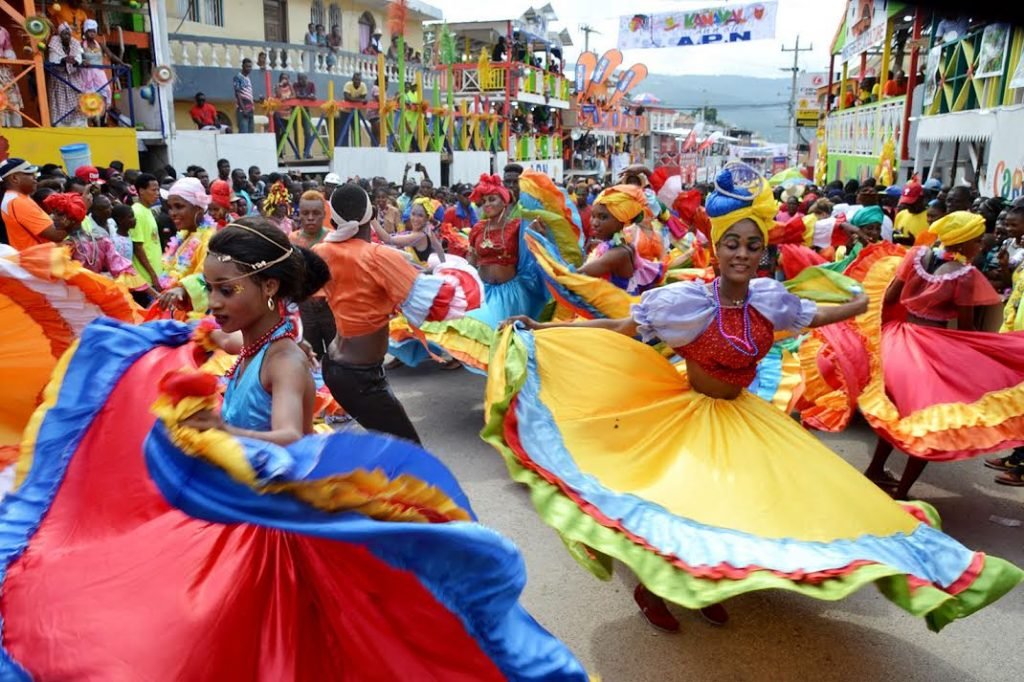
Haiti, an island of culture and history, is much more than a beach destination. It vibrates to the rhythm of its traditions, its music, its dances, and especially its traditional festivals. If you’re looking for an authentic experience, these events are the perfect opportunity to immerse yourself in the soul of a proud, warm, and creative people. Here is a selection of the must-see traditional Haitian festivals that every traveler should experience at least once.
Welcome to Haiti, land of contrasts and captivating flavors. Among the culinary treasures to discover during your trip is lambi kòk, a delicious and nourishing dish that also offers benefits for your endurance. In this article, immerse yourself in the world of lambi kòk and let yourself be seduced by its exquisite flavors and invigorating properties. The queen conch, also known as the "queen conch", is an emblematic marine mollusk of Haiti. Its tender and tasty flesh makes it a true culinary delight. Imagine enjoying grilled conch, drizzled with fresh lemon juice, on a sunny Haitian beach, an experience that awakens all your senses and transports you to a world of gastronomic pleasures.
In collaboration with HPost5, Les Éditions Julien Hilaire are launching a call for contributions for the publication of the first issue of "Temps de poésie", a literary magazine that, according to the initiators, aims to be a space for exchange, creation and celebration of contemporary poetry. In these times marked by a penchant for destruction, chaos and the law of silence, speaking has become an obligation. Speaking to denounce. Speaking to resist. Speaking to build. The first issue of "Temps de poésie" with the theme "Cathedral under construction, poems as labor" is part of this approach. This theme is an invitation to reflect on the act of building, whether material, spiritual or metaphorical, we read in the press kit. Haïti Wonderland met Ansky Hilaire, the man who leads the project. Interview.
At the initiative of students Savela Jacques Berenji and Louino Robillard, the first two Haitians to have integrated the diploma program initiated by “SUNX, Climate Friendly Travel (CFT) and the Institute of Tourism Studies (ITS), the “ Club Zanmi Lanati” was officially launched on Saturday July 13, 2024, in Haiti, in Delmas 66. More than thirty young people took part in the initiative whose objective, among other things, is to combat climate change, promote responsible tourism, train citizens (ecological tourists) and encourage the creation of tourist and cultural wealth for sustainable development, according to the initiators.
Christmas in Haïti is a holiday rich in flavors, where meals occupy a central place in the celebrations. More than just a moment of culinary sharing, the Christmas feast in Haïti is a true immersion in the culture and traditions of the country. This article explores the must-have dishes and unique flavors that make Christmas a memorable experience for Haitians and their guests.
Haiti, located on the western part of the Caribbean island of Hispaniola, is often associated with its rich and complex history. However, beyond its cultural and historical aspects, Haïti is home to a remarkable diversity of fauna and flora that deserves to be explored and preserved. This article highlights the ecological wealth of Haiti, emphasizing its unique flora and fauna. Fauna: Haïti is home to a variety of animal species, some of which are endemic to the island. The country’s tropical rainforests are home to a great diversity of birds. The rugged mountains provide suitable habitat for rare species. The waters surrounding Haïti are also rich in biodiversity. Colorful corals, tropical fish and sea turtles find refuge in the coral reefs along the coast. Conservation efforts are crucial to protect these fragile marine ecosystems and preserve marine life. Flora: Haiti’s landscapes are adorned with a wide variety of plants and flowers. The tropical rainforests are home to majestic trees, the Hispaniola pine and the gum tree. These forests play an essential role in climate regulation and the preservation of biodiversity. The coastal plains are dotted with palm trees, including Haiti’s iconic royal palm. Botanical gardens, such as the Jardin Botanique des Cayes, are havens of greenery where you can admire a wide variety of tropical plants, some of which are endemic to the region. Haiti, with its unique flora and fauna, is an ecological gem that deserves to be preserved for future generations. Awareness, conservation and sustainable development are key elements to ensure the survival of this natural wealth. By investing in the protection of its environment, Haïti can not only preserve its ecological heritage, but also promote sustainable tourism and strengthen the resilience of its ecosystems in the face of current global challenges.

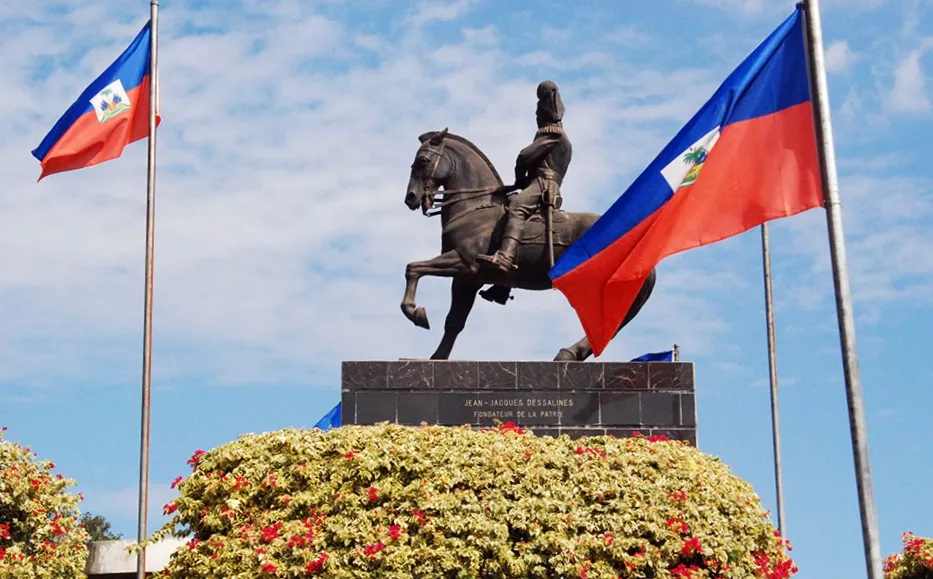
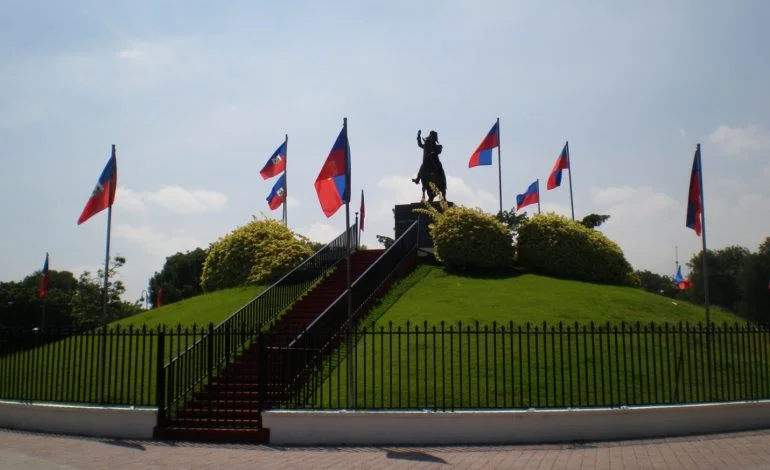
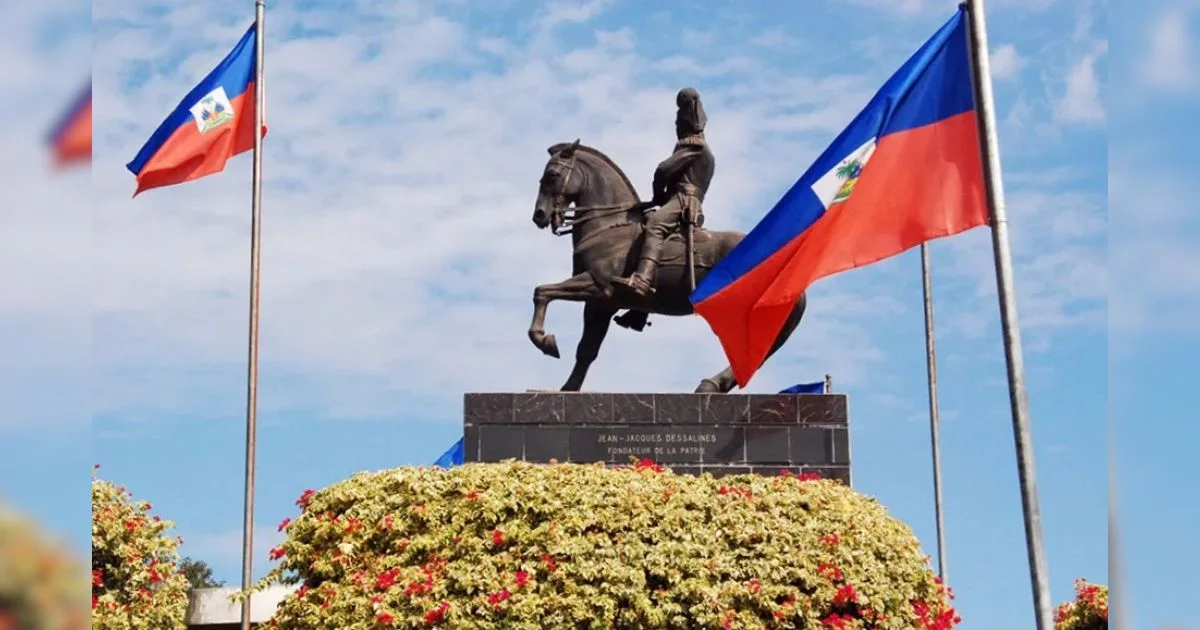
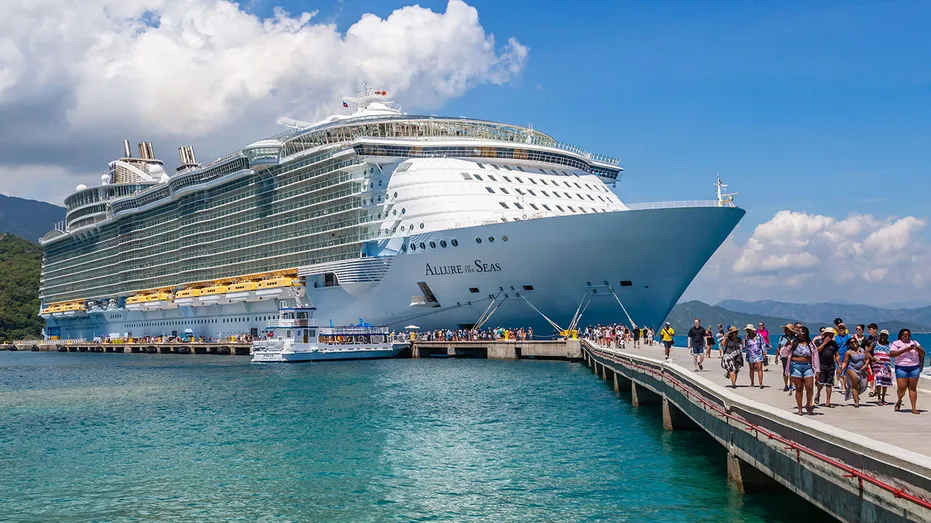
First black nation to free itself from slavery and gain independence from France in 1804 and influenced other liberation movements around the world, inspiring struggles for freedom and equality.

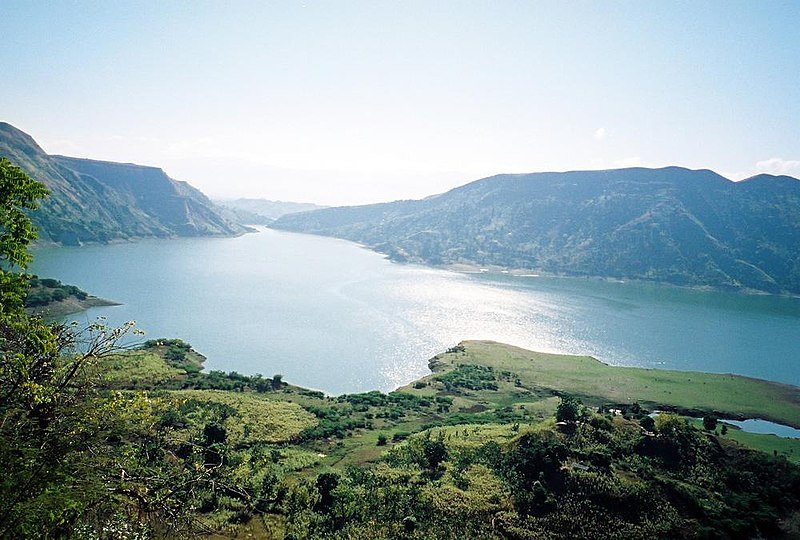
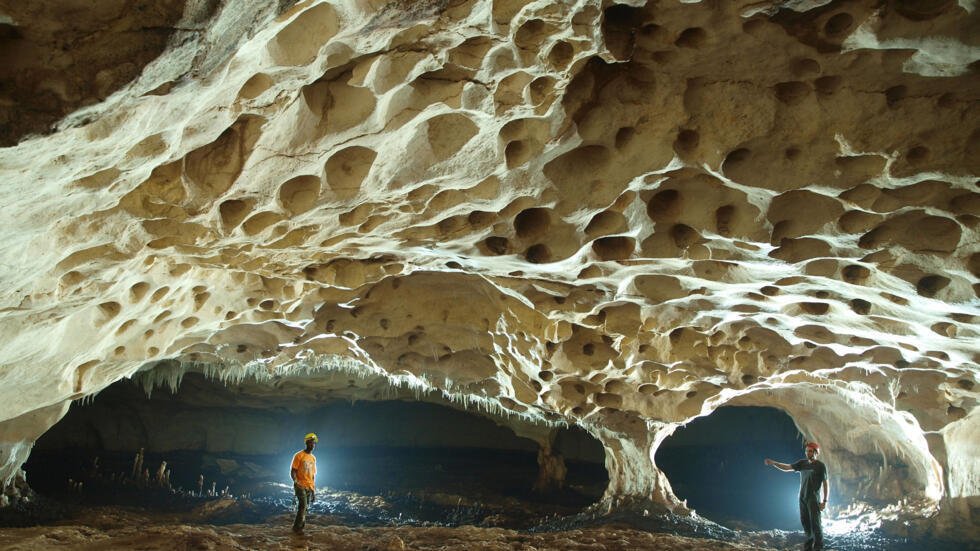
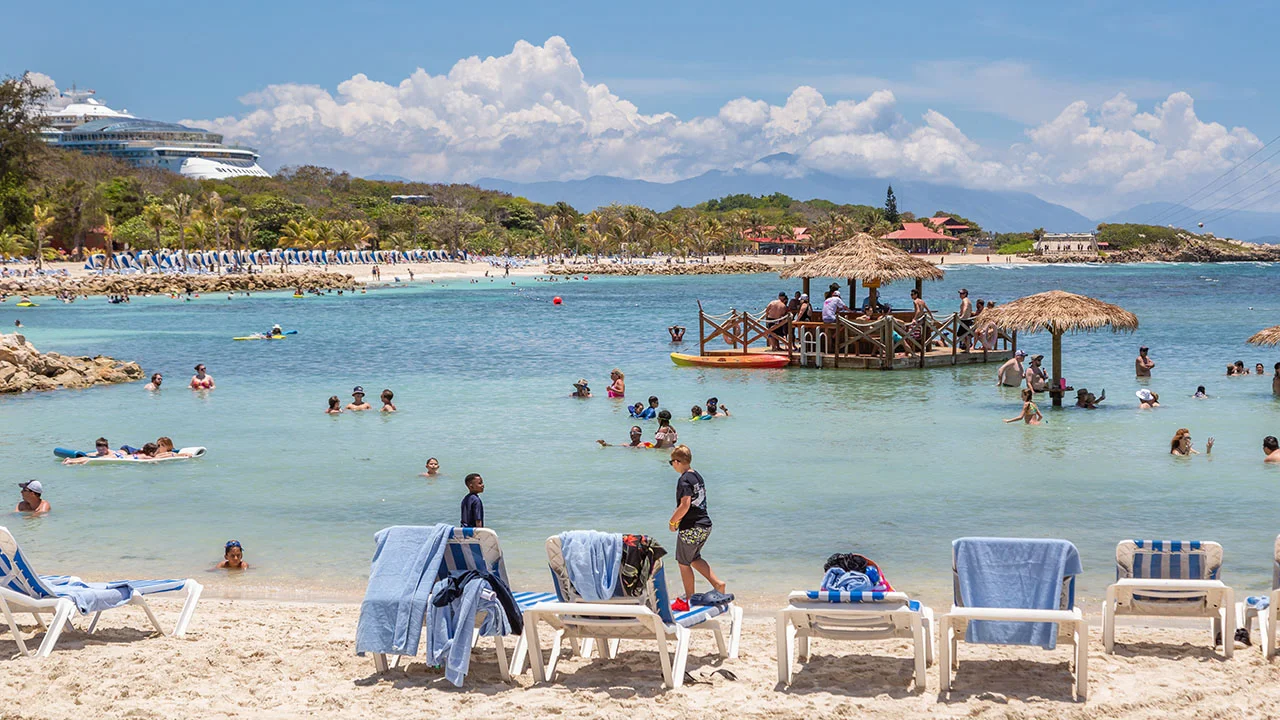
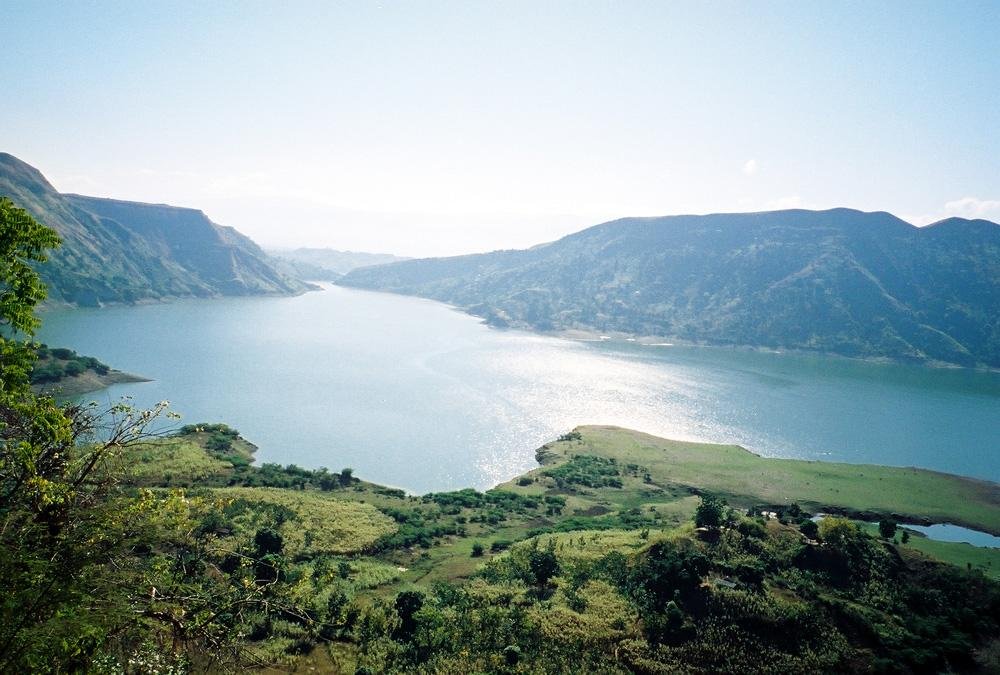
Haïti is blessed with spectacular natural landscapes, including white sand beaches, mountains and rich biodiversity.

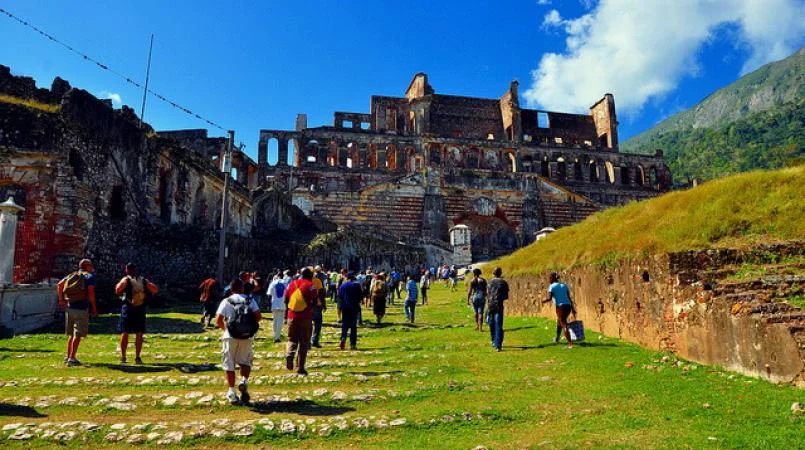
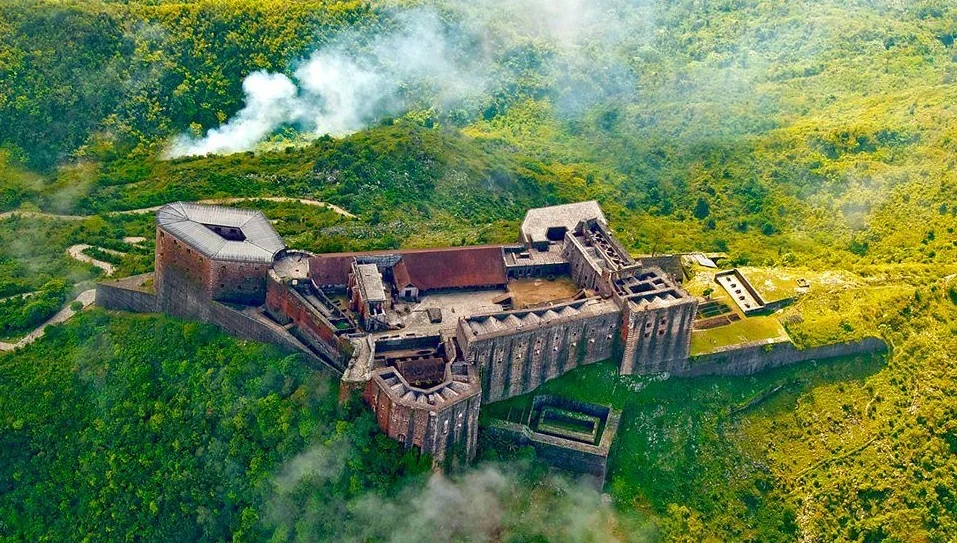
Haïti has a rich historical heritage, including sites like the Citadelle Laferrière and the Sans-Souci Palace, listed as UNESCO World Heritage Sites.

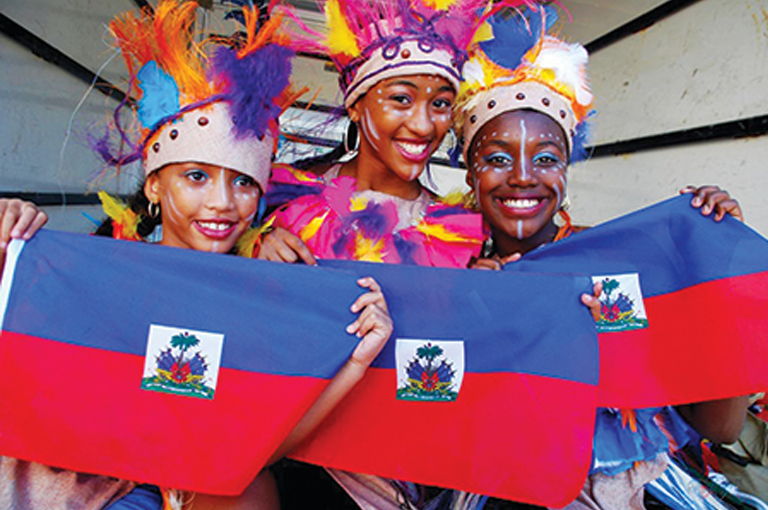
Haïti has a rich and diverse culture, influenced by African, European and indigenous elements. Haitian music, dance, art and cuisine are celebrated around the world.