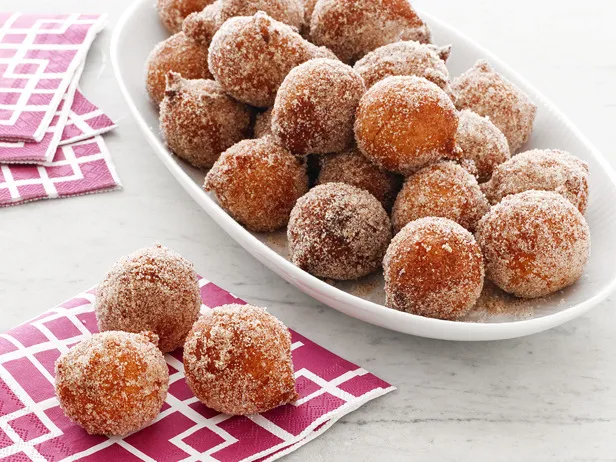





Haitian Cuisine - Delicious Corn à la "Bonne Femme": To your pots!
Readers and little chefs of Haïti Wonderland, I present to you on a golden platter the recipe for corn à la bonne femme. Take your time and share your creation in the comments!
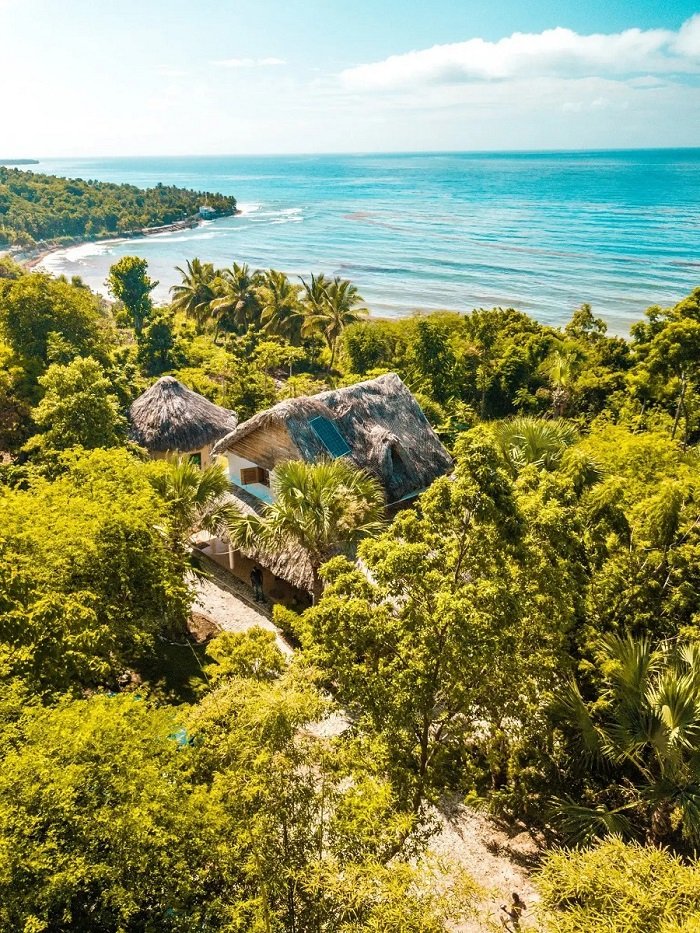
Haiti, pearl of the Caribbean, often overshadowed by stereotypes and negative images. But beyond these clichés lies a nation of stunning natural beauty, rich in natural resources, steeped in vibrant culture and blessed with a fascinating historical heritage. From its idyllic beaches and majestic mountains to its bustling cities and friendly people, Haïti offers a unique and unforgettable experience to those who take the time to discover it.
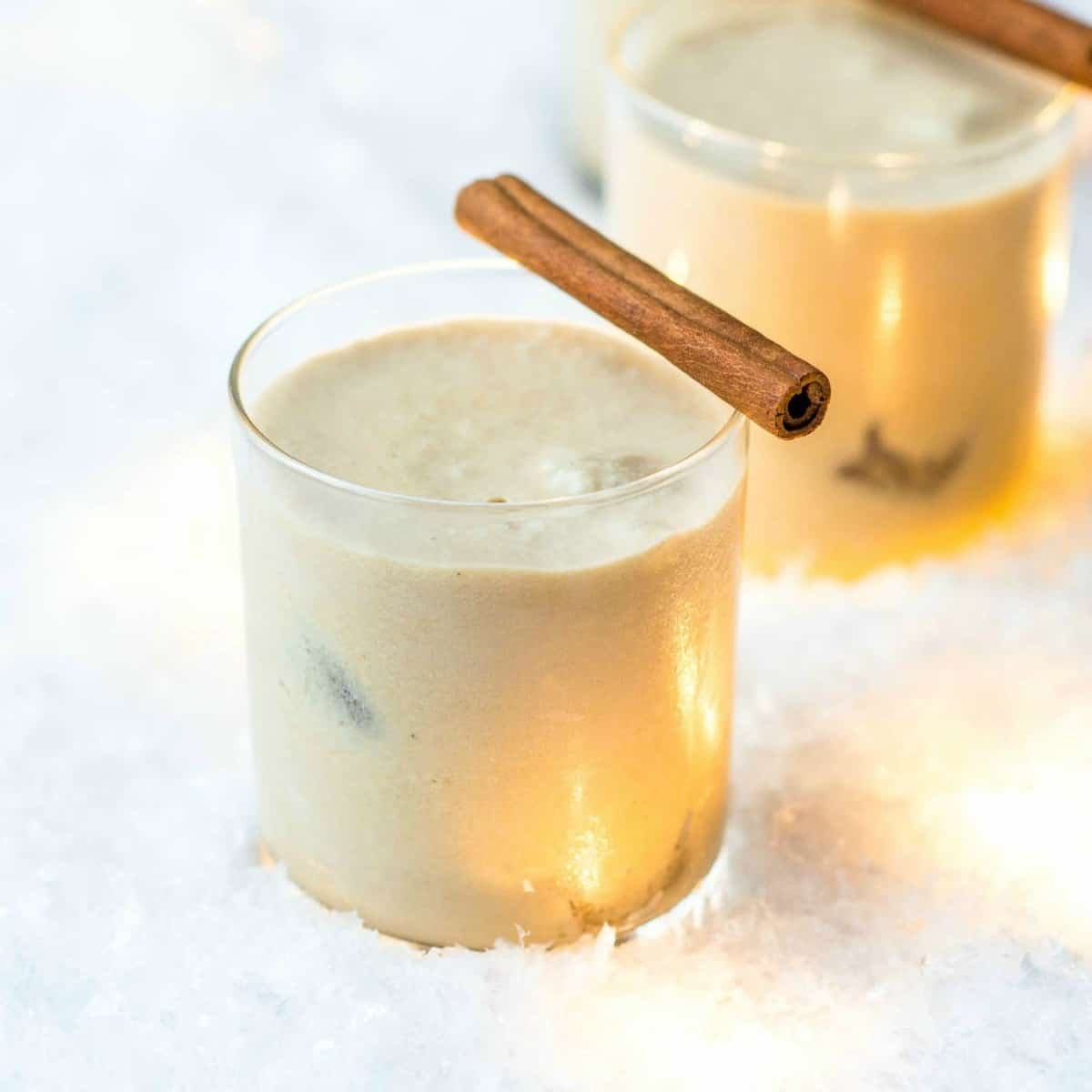
Christmas in Haïti is not limited to festivities and traditional songs. It is also an explosion of flavors, with typical desserts and drinks that delight the taste buds and add a unique touch to the celebrations. Discover 10 must-haves of Haitian gastronomy for an authentic and gourmet Christmas.
If you’re looking for an unforgettable musical experience this summer, look no further than Sumfest in Haiti. This unmissable festival brings together the biggest names in the Haitian music scene for a crazy weekend, all in an idyllic setting by the sea. This is why Sumfest is the event not to be missed for all music lovers. Haitian music and culture.
Haïti is a unique country in the Caribbean, not only for its revolutionary history, but also for its official languages: French and Haitian Creole. French, although spoken fluently by only a minority, plays a central role in the country’s administration, education, and culture. But why is this language so present in a country with African and Caribbean roots? This article explores the historical, cultural, and sociolinguistic origins of French in Haiti.
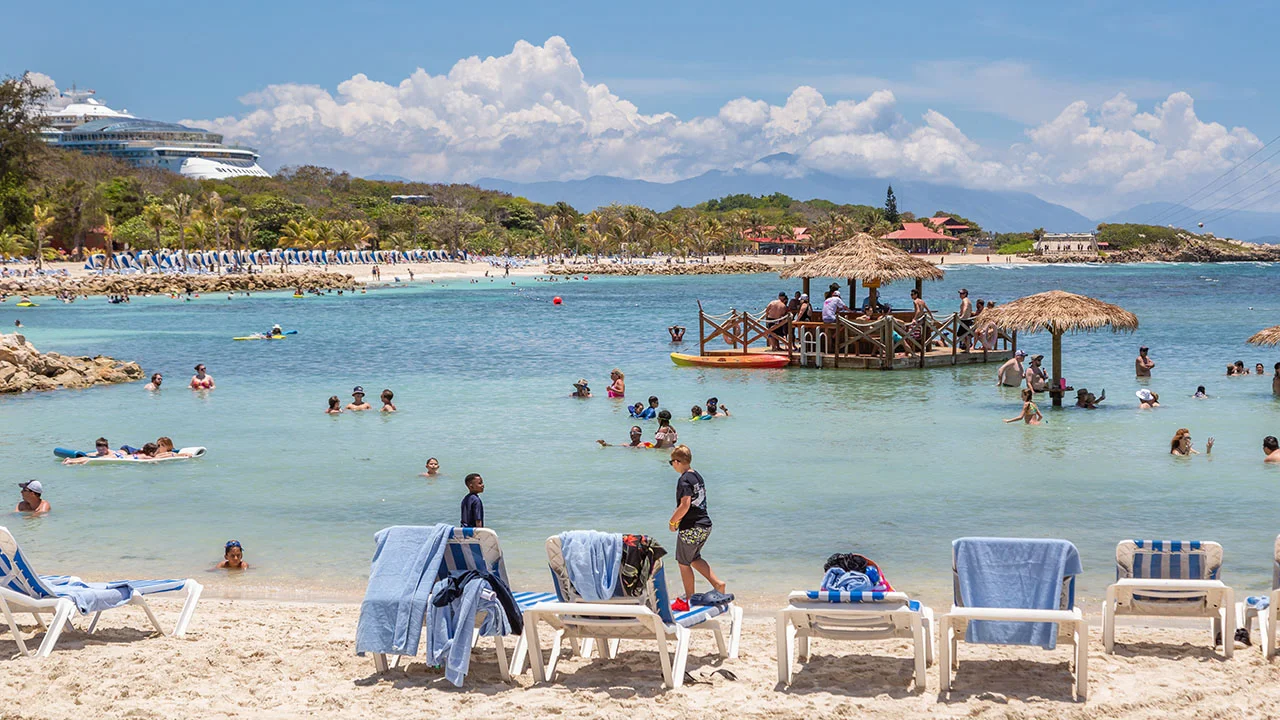
Haiti, pearl of the Caribbean, is full of natural and cultural treasures that deserve to be explored. Among these treasures, the breathtakingly beautiful beaches occupy pride of place. Here is our selection of the 10 must-see beaches to visit in Haiti, offering unique and memorable seaside experiences.
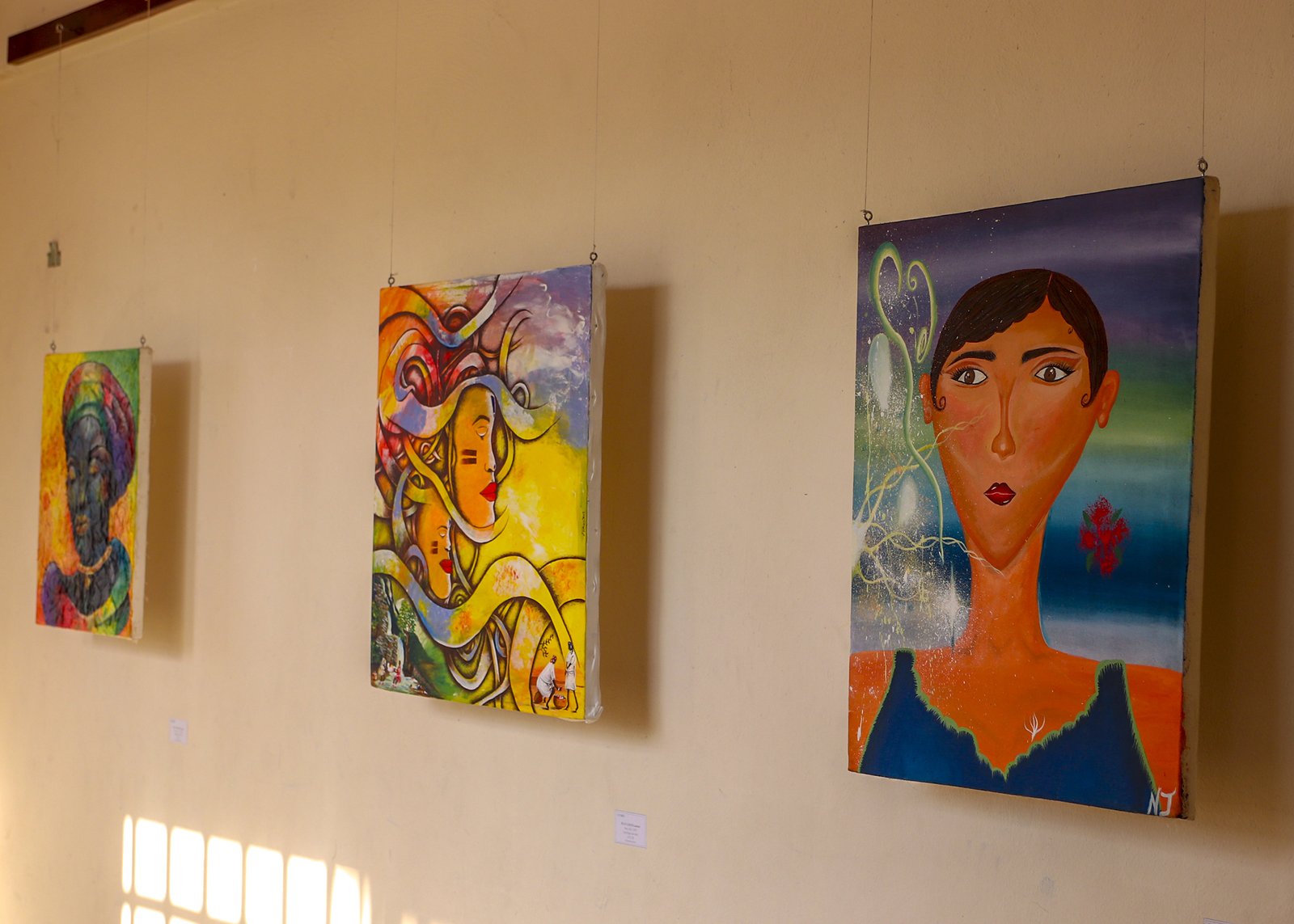
From March 8 to 21, 2025, the Emmanuel Charlemagne Municipal Cultural Center welcomes a vibrant and emotional celebration of femininity with MUSES, a unique exhibition as part of Women’s Fortnight. This event delves into the very essence of Haitian women, representing them in all their complexity, strength, and beauty through the works of four exceptional artists. Let yourself be swept away by this unique artistic experience that invites you to rediscover women in a new light!
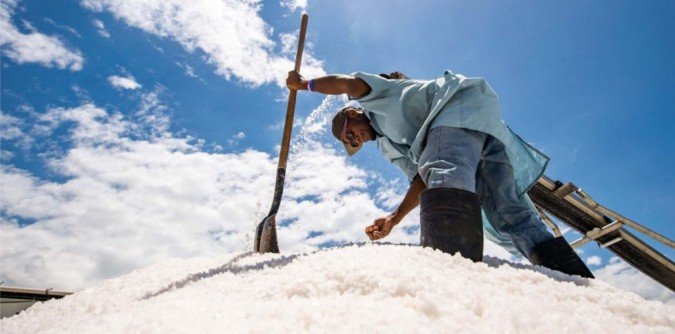
Salt production in Haïti is an ancestral know-how that plays an essential role in the economy of coastal areas. The regions most recognized for salt production are the Salines de Petite-Rivière de l’Artibonite, the coasts of Île de la Gonâve, the Salines de Port-au-Prince, as well as parts of the North and Southeast. This process, which depends on the country’s natural geography and maritime resources, continues to support local communities while providing an indispensable product to the Haitian economy.
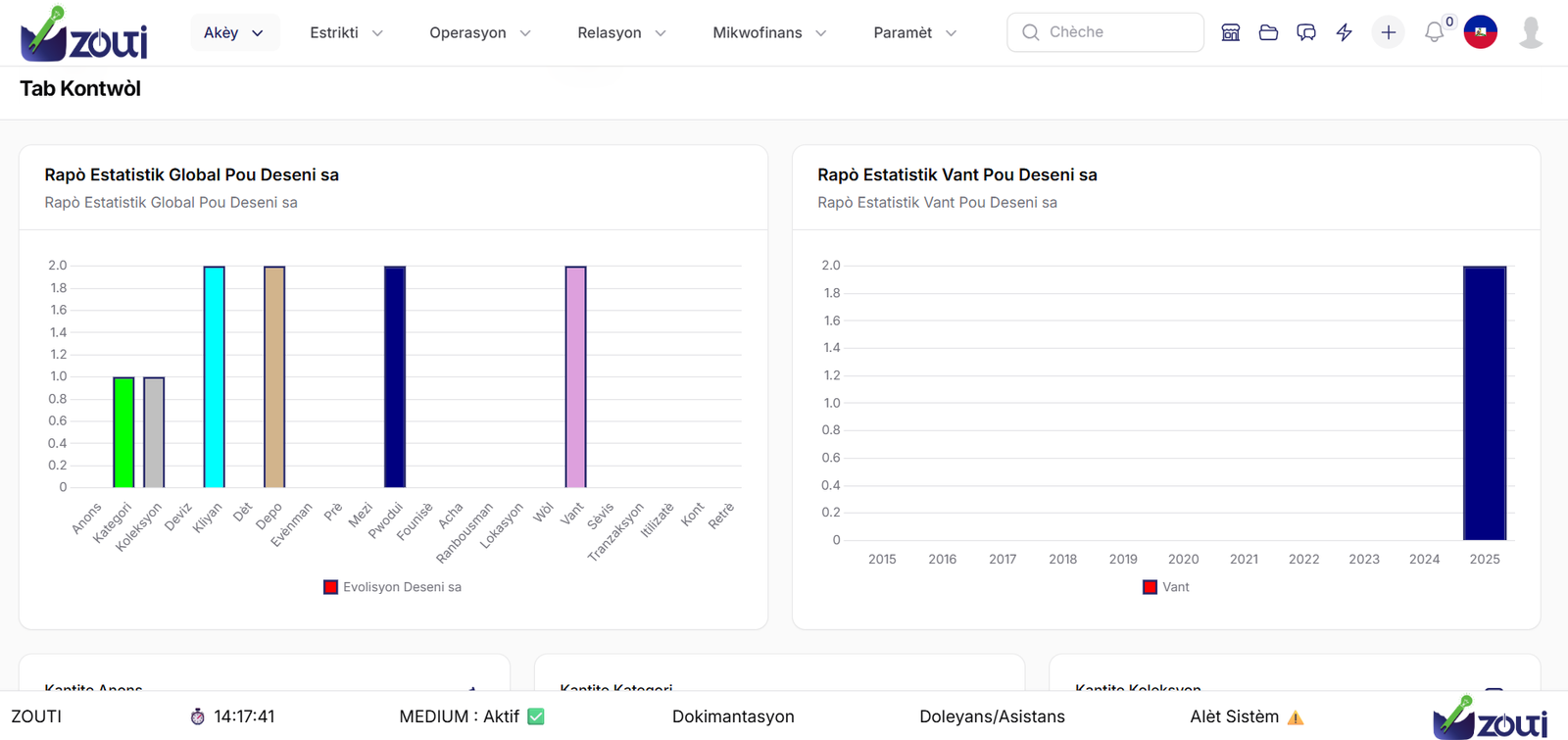
ZOUTI is an integrated management software (ERP) designed to simplify and automate all your business operations. Whether you are a small, medium, or large business in Haiti, this solution allows you to centralize sales, inventory, order, and financial management on a single platform. Official website: https://zoutipgi.com/ Online demo: https://demo.zoutipgi.com/
René Depestre had his very first encounter with the Haitian sun on August 29, 1926 in Jacmel, a large coastal city in the southeast of Haïti that welcomed his birth. He completed his primary studies with the Brothers of Christian Instruction in Jacmel. After his father’s death in 1936, he left his mother and brothers and sisters to live with his maternal grandmother. He completed his secondary studies at the Alexandre Pétion high school in Port-au-Prince in 1944. Today, he resides in France, his country of naturalization for several decades, and remains an immense creative, intellectual spirit and great witness to a very important era in the history of men.
With the arrival of Christopher Columbus in Haïti in 1492, life on this small piece of peaceful territory would radically change into the most sinister chaos. Experiencing a major dive into crime, and the darkest barbarity, known as slavery. The arrival of black people captured in Africa, violently crossing the Atlantic to end up on Haitian soil, is part of this tragic story. The Amerindians (the first inhabitants of Haiti) having suffered a large-scale genocide, under the weight of European slavery, were unable to resist and were replaced by these Africans, who centuries later would arrive to put an end to this shameful system, through an unparalleled revolution.
King Graph, Prévil Jean IVens by his real name, is a talented young GRAPHIC DESIGNER and COMMUNITY MANAGER from Haiti. He was born in Delmas, a suburb of Port-au-Prince, on January 20, 1999. He is the youngest of seven children.
The history of Haïti is closely linked to the different names that this land has had over the centuries. These names reflect the eras and influences that have marked the island, from the time of the indigenous peoples to independence. Let’s explore the old names of Haïti and their historical significance.

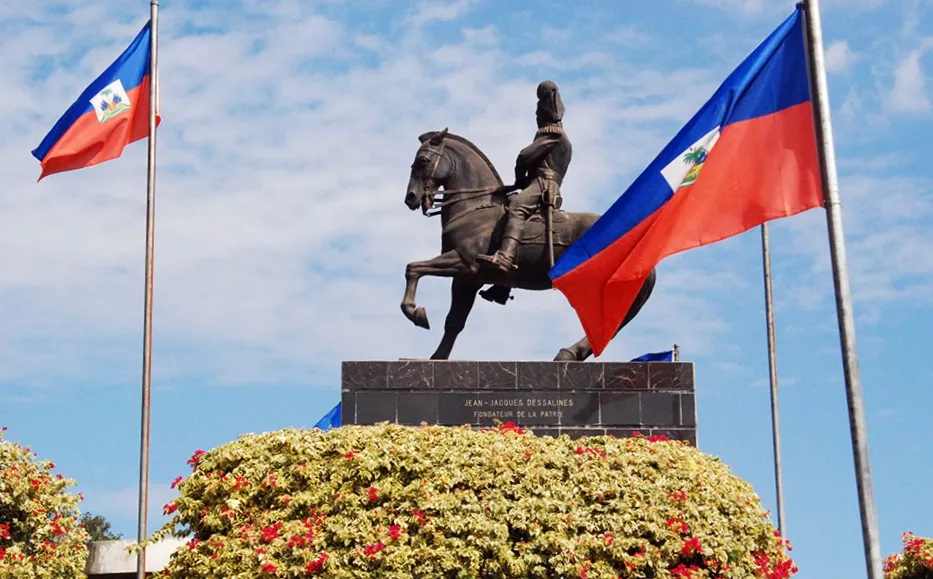
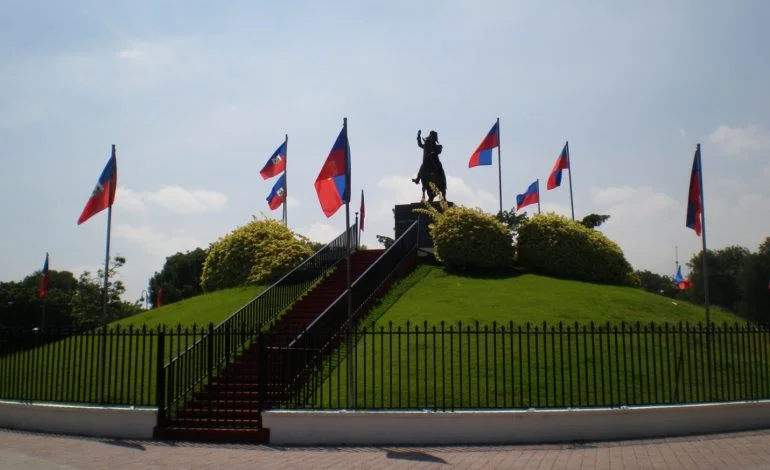
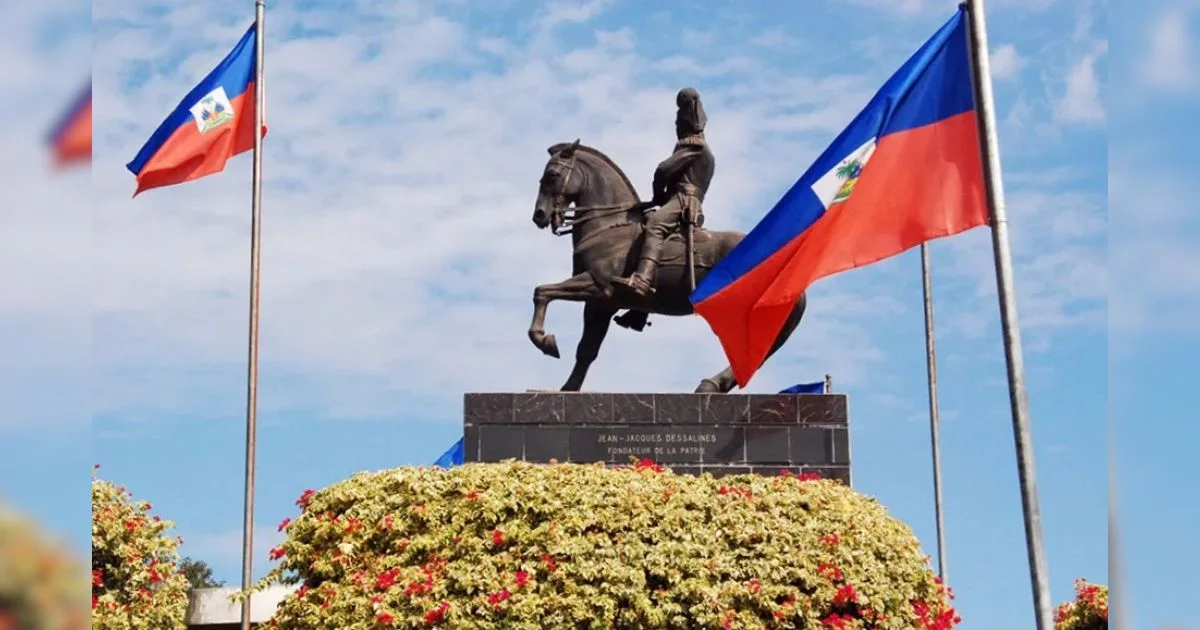
First black nation to free itself from slavery and gain independence from France in 1804 and influenced other liberation movements around the world, inspiring struggles for freedom and equality.

Haïti is blessed with spectacular natural landscapes, including white sand beaches, mountains and rich biodiversity.

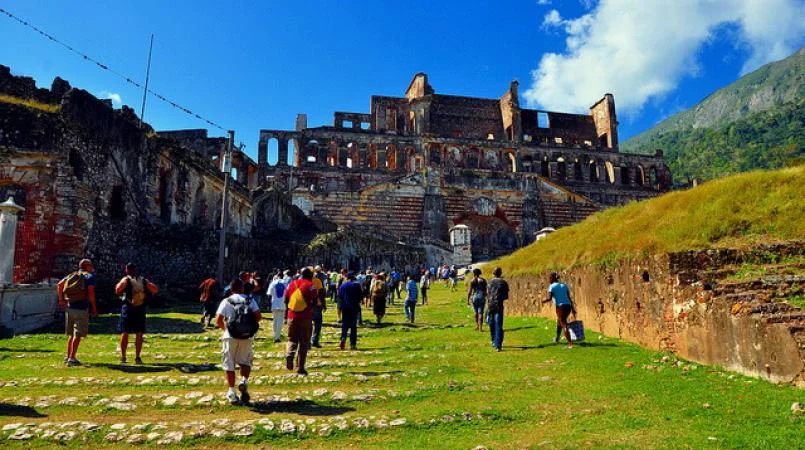
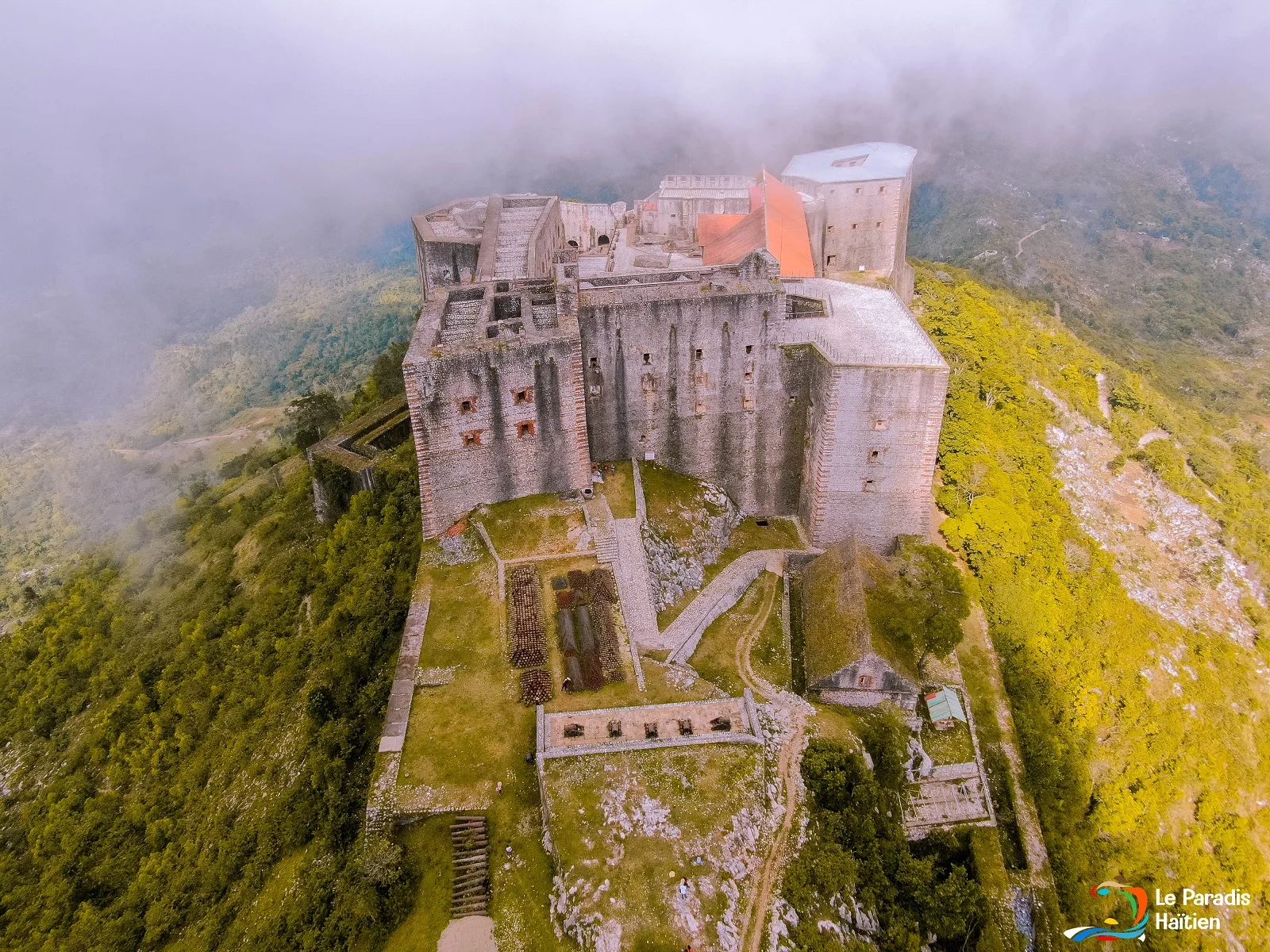
Haïti has a rich historical heritage, including sites like the Citadelle Laferrière and the Sans-Souci Palace, listed as UNESCO World Heritage Sites.

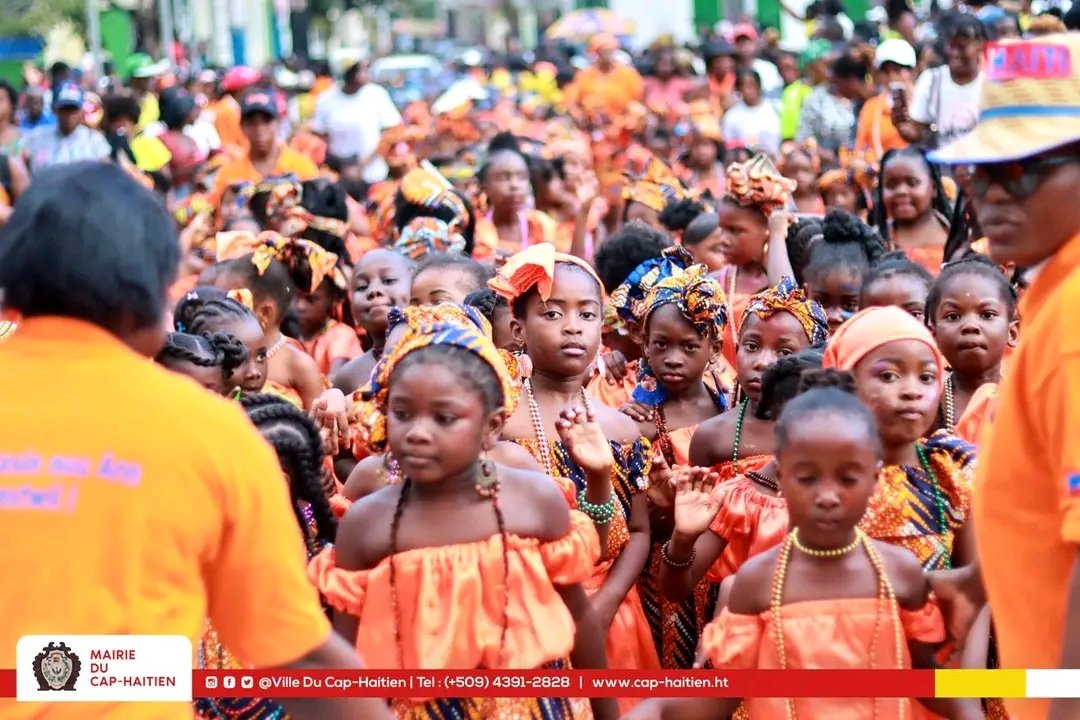
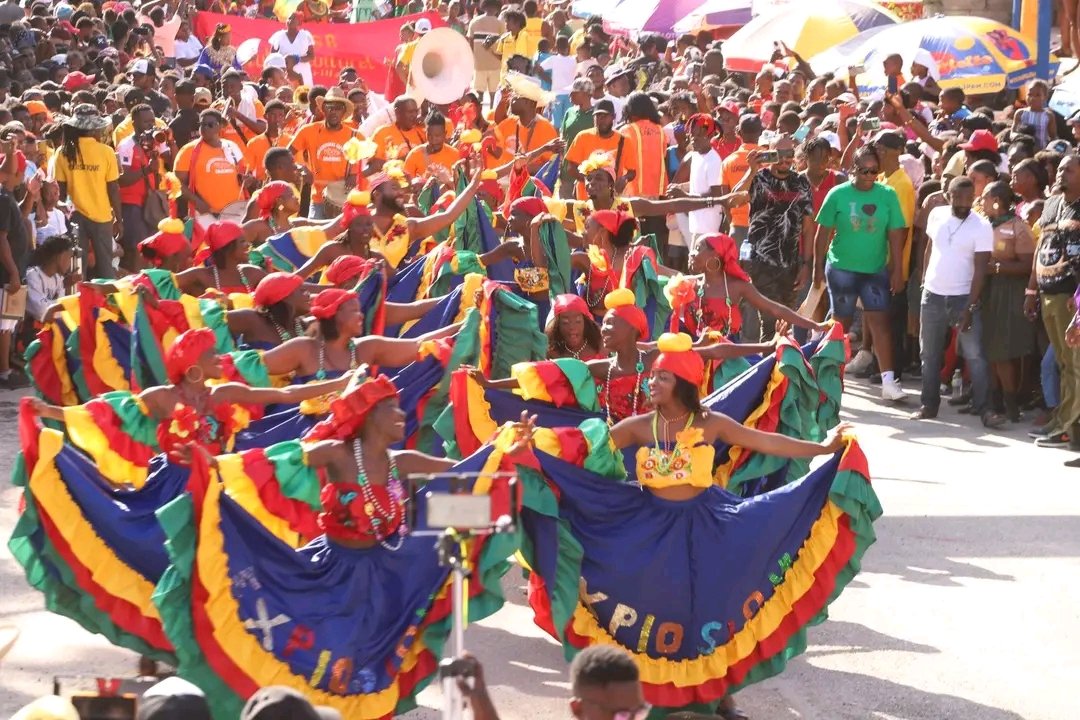
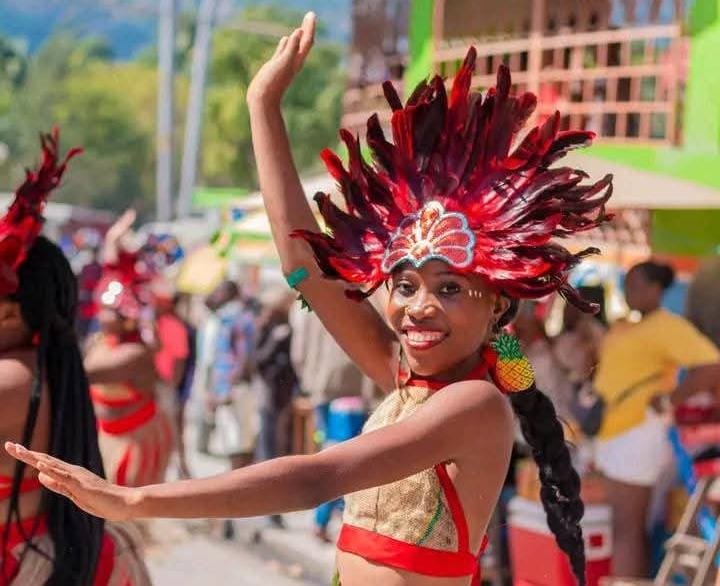
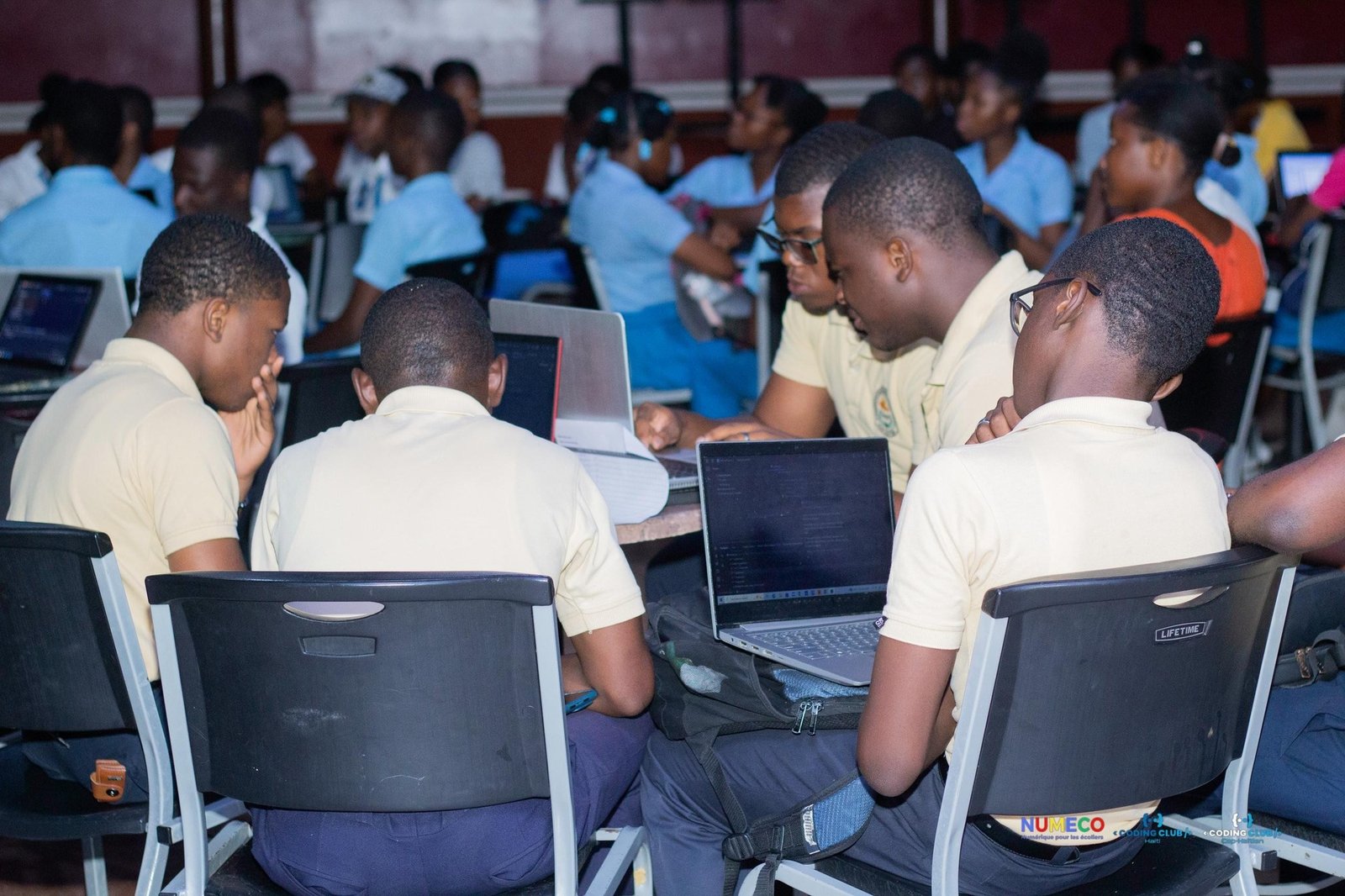
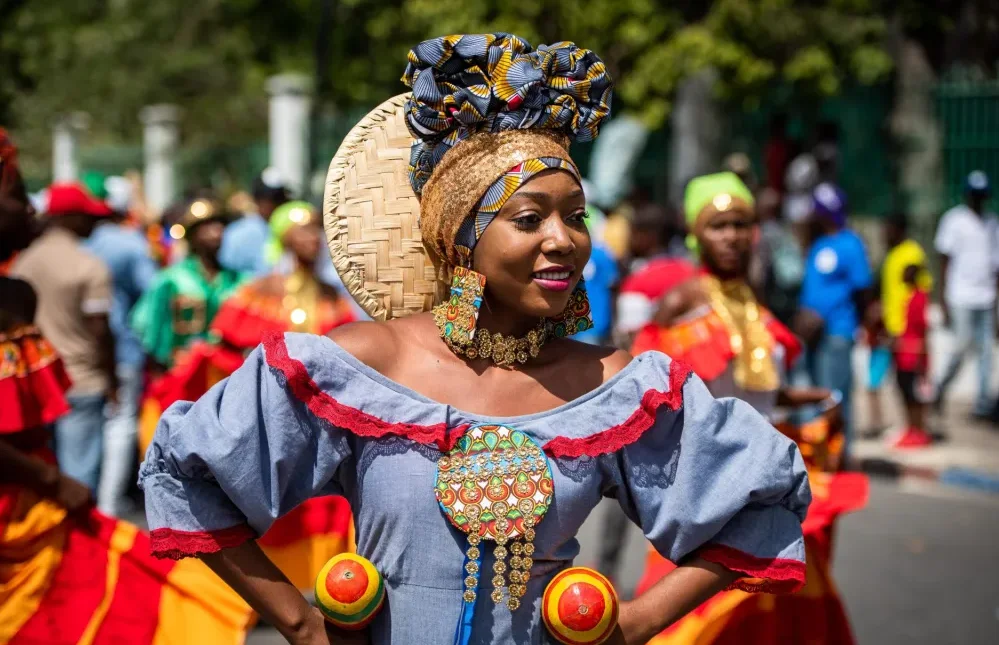
Haïti has a rich and diverse culture, influenced by African, European and indigenous elements. Haitian music, dance, art and cuisine are celebrated around the world.