

Top 10 Tourist Sites to Visit in Haiti
Haiti, with its rich culture and diverse landscapes, is a fascinating tourist destination. Here is a selection of the ten best tourist sites not to be missed during your visit to Haiti.

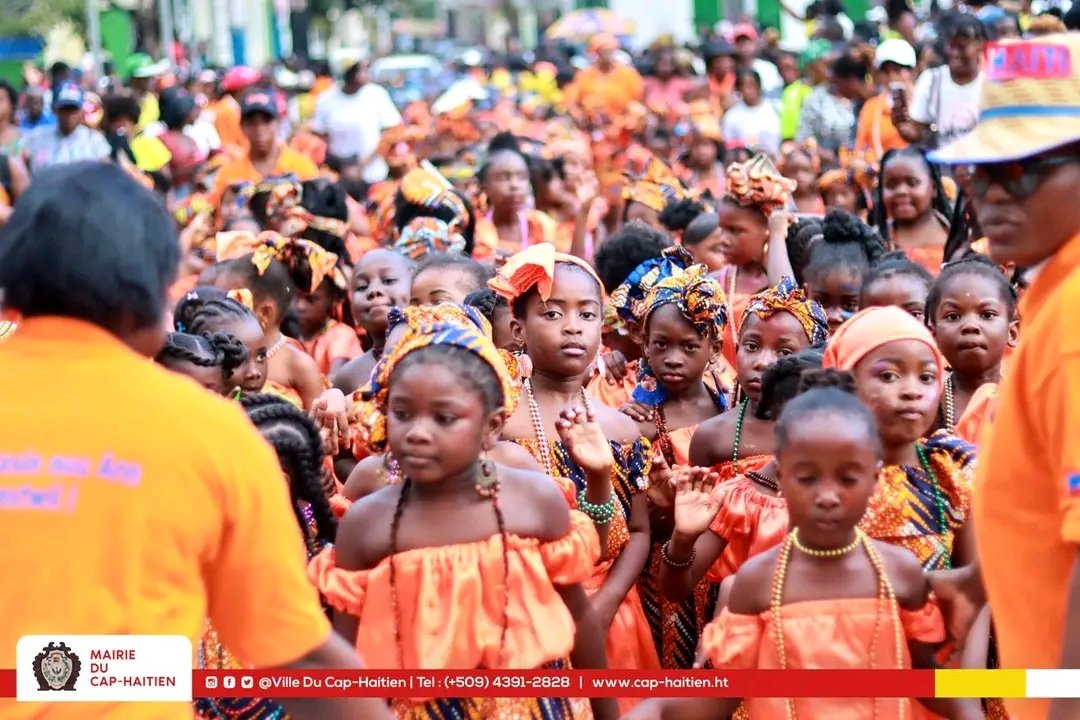
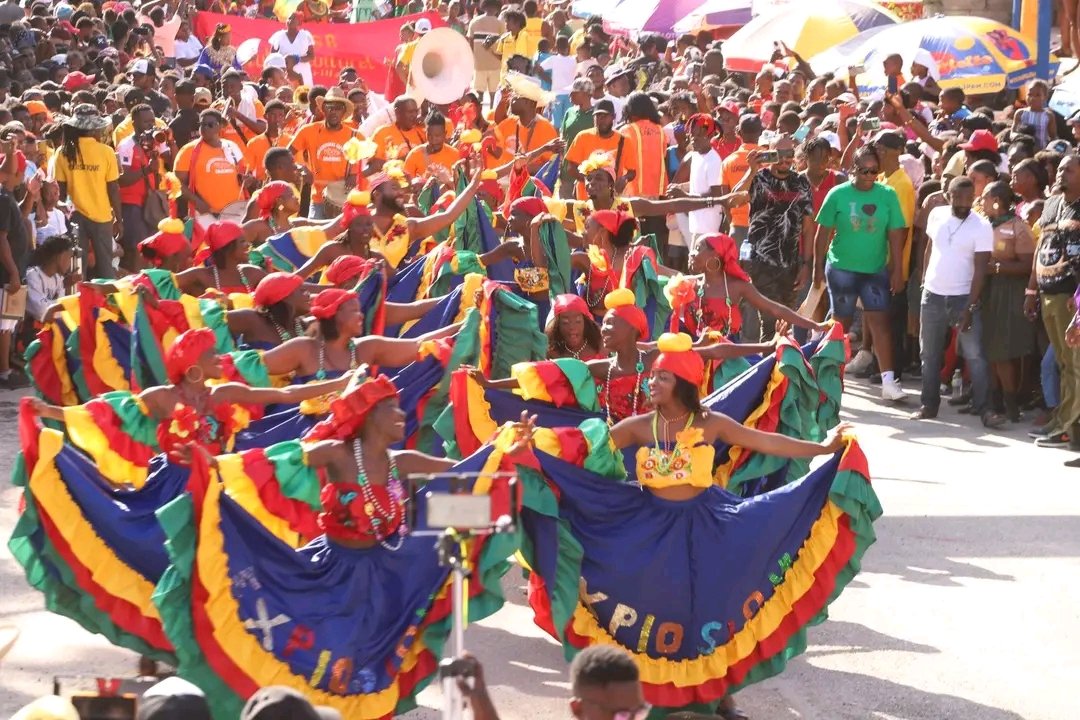
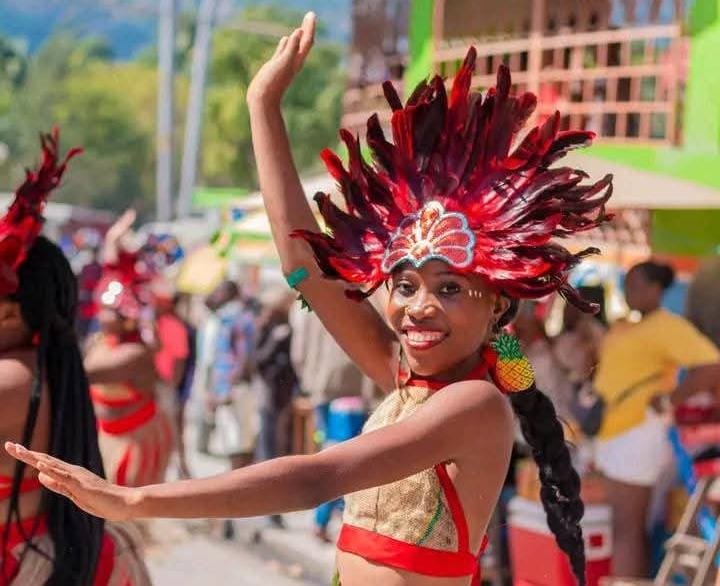
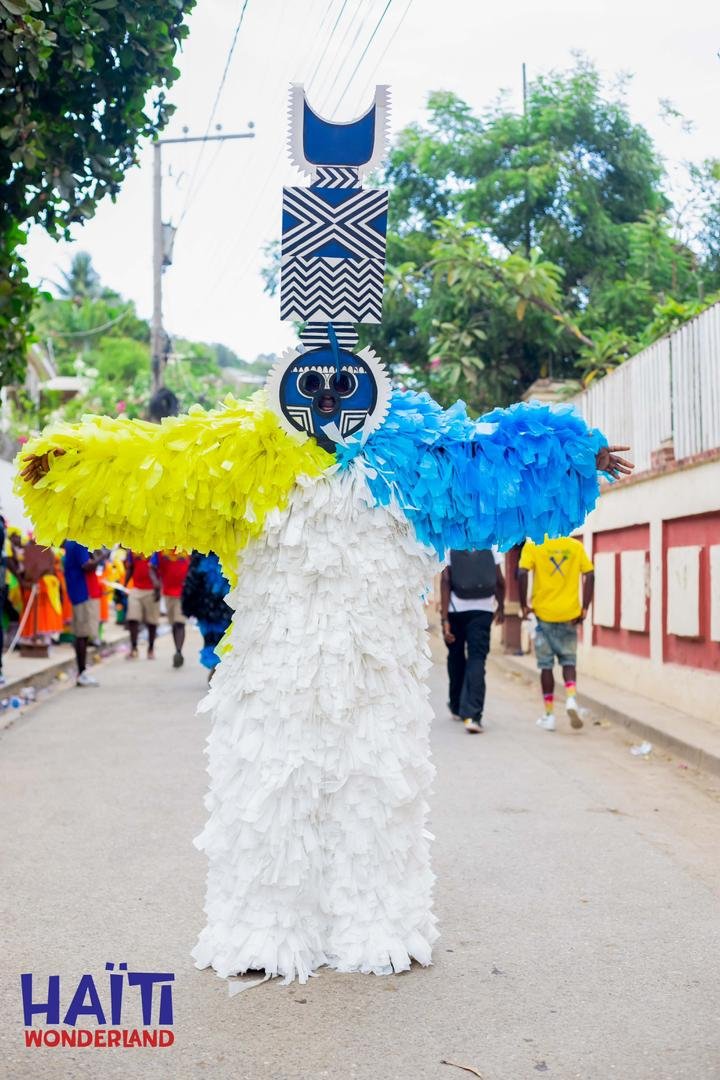
Haitian culture is a true treasure, woven from the creativity of its artists, its rich heritage and the diversity of its cultural expressions. Among these cultural gems, the rara stands as a true national emblem, uniting Haitians through its captivating rhythms and centuries-old traditions. During the first Rara weekend, this very essence of Haitian culture shone brightly, revealing palpable social cohesion. Despite the absence of law enforcement, tranquility reigned in Petit-Goâve, testifying to the ability of citizens to come together in peace and conviviality. However, media attention was mainly focused on the first plain, leaving a certain imbalance in the coverage of the festivities. Ratyèfè, three-time reigning champion, once again captivated minds with his talent and artistic mastery, offering an unparalleled spectacle. But his rival, Lambi gran dlo, was not to be outdone, displaying a determination to compete for first place. The event was also marked by unfortunate incidents, reminding us that despite the beauty of tradition, tensions can arise. Clashes between fans of different groups tarnished the festive atmosphere, highlighting the need for careful management of celebrations to avoid such excesses. At the heart of this musical competition, where each group aspires to recognition and victory, a complex picture of rivalries and alliances emerges. Chenn tamarin, although appearing asleep in the first moments, shows signs of waking up, ready to shake up the established order. On Sunday evening, Lambi gran dlo honored the memory of one of its loyal supporters, while Grap Kenèp was the scene of violence between fans, recalling the fragility of social cohesion when passion runs wild. In this whirlwind of emotion and competition, it is crucial to keep in mind that it is the journalist who must look to the events, and not the other way around. This is how we draw up the first ranking for this first weekend: 1. Ratyèfè 2. Lambi grand dlo 3. Chenn tamarind Beyond the results, it is the preservation of unity and mutual respect that must remain at the heart of these celebrations, making the rara not only a musical festival, but above all a symbol of the wealth and resilience of the people Haitian.
The "love language" is a concept developed by Gary Chapman, which describes the different ways in which people express and receive love. There are five main love languages, including Gifts and Acts of Service. If you recognize yourself in these languages, here are the Top 5 Haitian dishes perfect for Valentine’s Day. Get ready to treat your partner on a special night!
On January 1, 1804, Haïti became free after a fierce struggle against colonization and slavery. Located in the Caribbean region, it occupies the western third of the island of Hispaniola, which it shares with the Dominican Republic. With an area of 27,750 km², it is bordered to the north by the Atlantic Ocean, to the south and west by the Caribbean Sea and to the east by a land border of 376 kilometers with its eastern neighbor. This geographical location, rich in contrasts, shapes not only its identity, but also the economic and environmental challenges that the country must face.
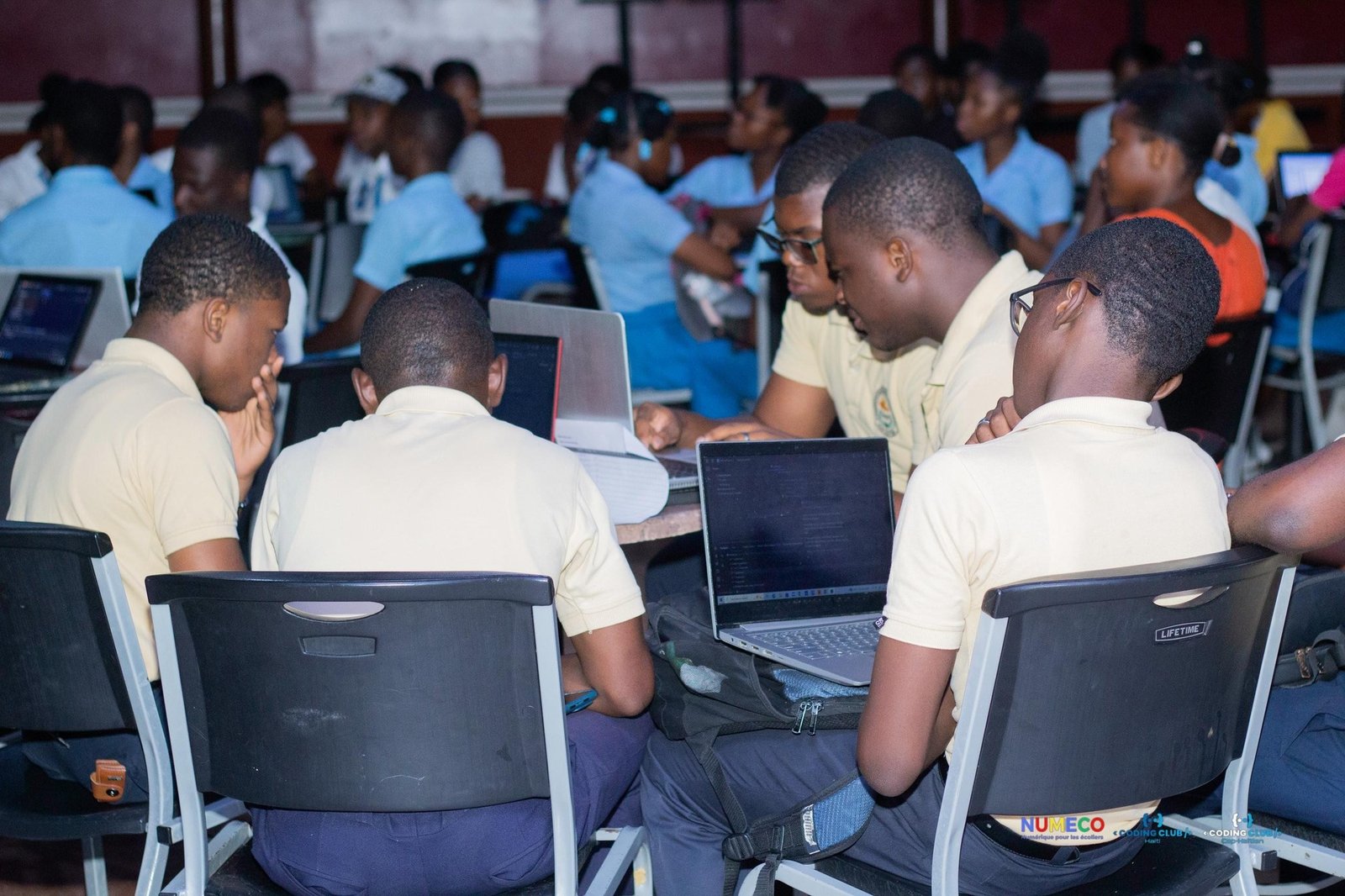
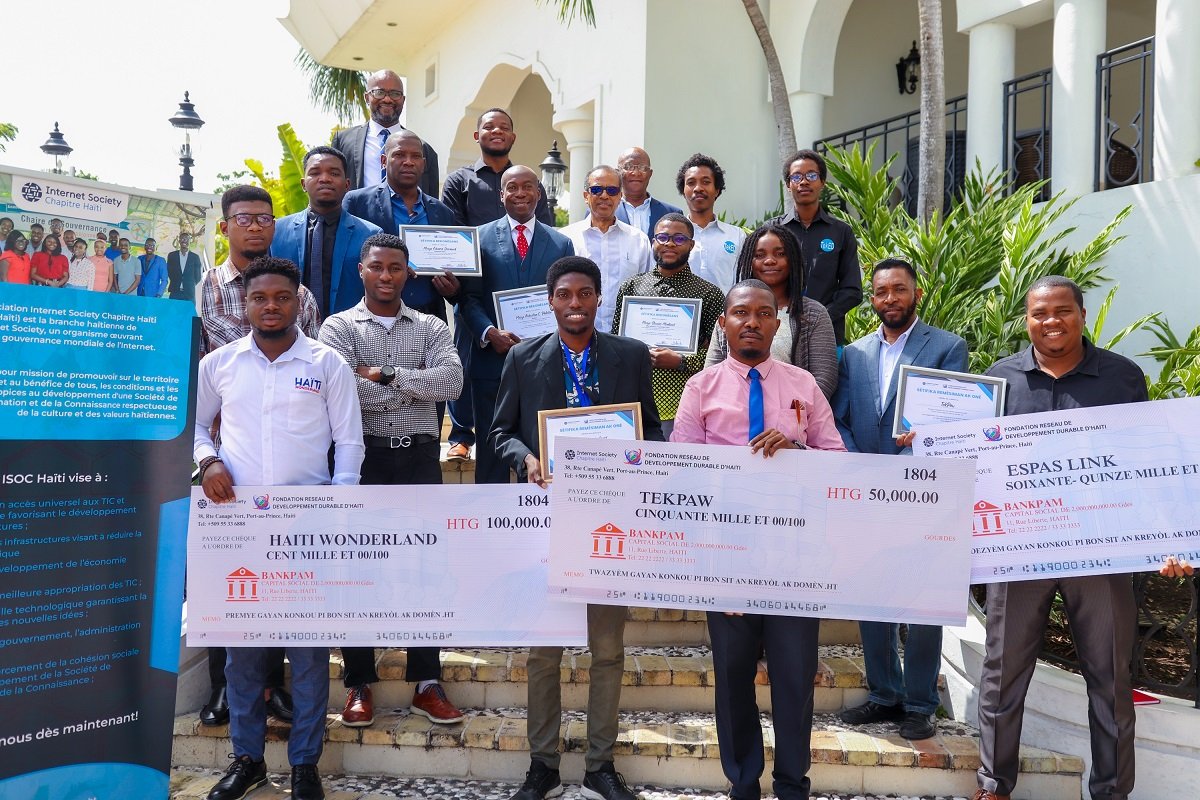
The Muse Haïti Center, in partnership with the Ministry of National Education and Vocational Training (MENFP), alongside several other national and international institutions, has officially launched the 4th edition of its National Essay Competition. This annual initiative, which aims to encourage young people to engage in critical and civic thinking, focuses this year on a highly topical theme: "The Right to Education in Haiti." Through this edition, the Muse Center aims to encourage engaged thinking among Haitian students, capable of questioning the realities of the national education system. To this end, seven carefully selected essay topics have been unveiled, each addressing an essential or controversial aspect of the right to education in the current Haitian context.
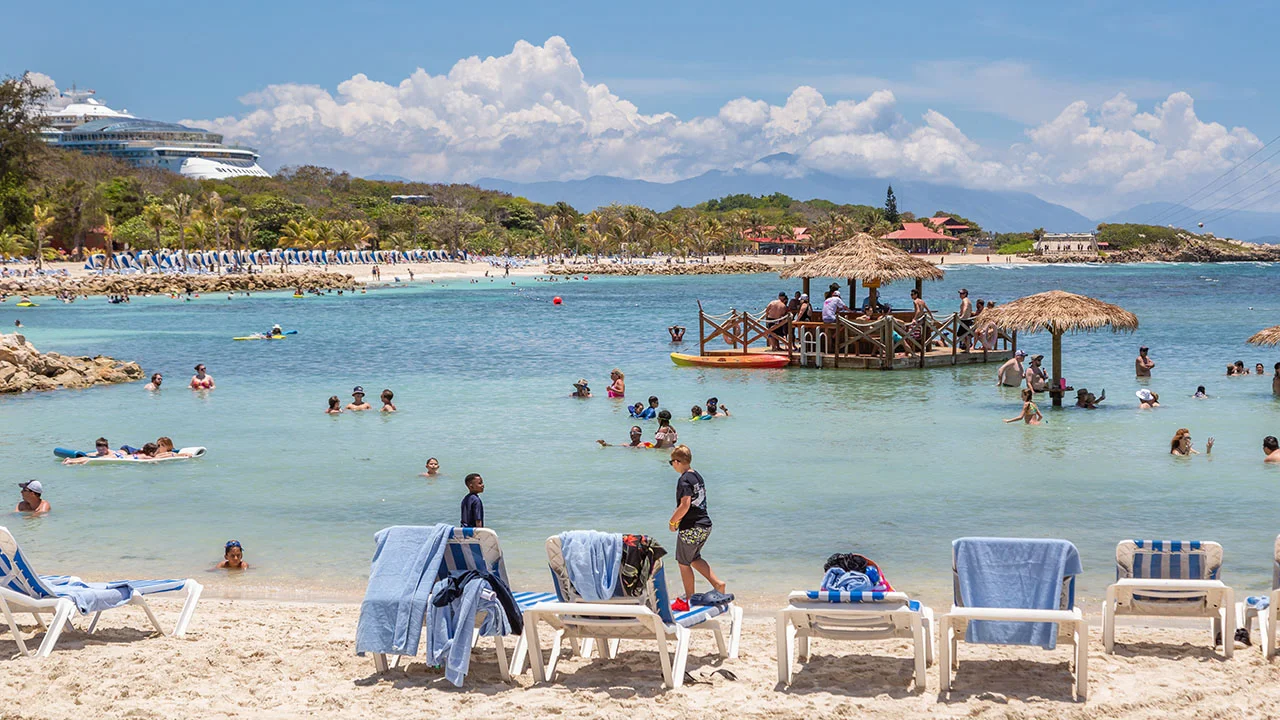
Haiti, with its spectacular coastline and enchanting landscapes, is a destination of choice for lovers of paradise beaches. The country, often overlooked for its natural treasures, is home to some of the most beautiful beaches in the Caribbean. From stretches of fine sand lined with coconut trees to secret and isolated coves, Haïti offers a diversity of beaches that will not fail to amaze you. Discover below a selection of the most beautiful beaches in the country, each offering a unique and unforgettable experience.
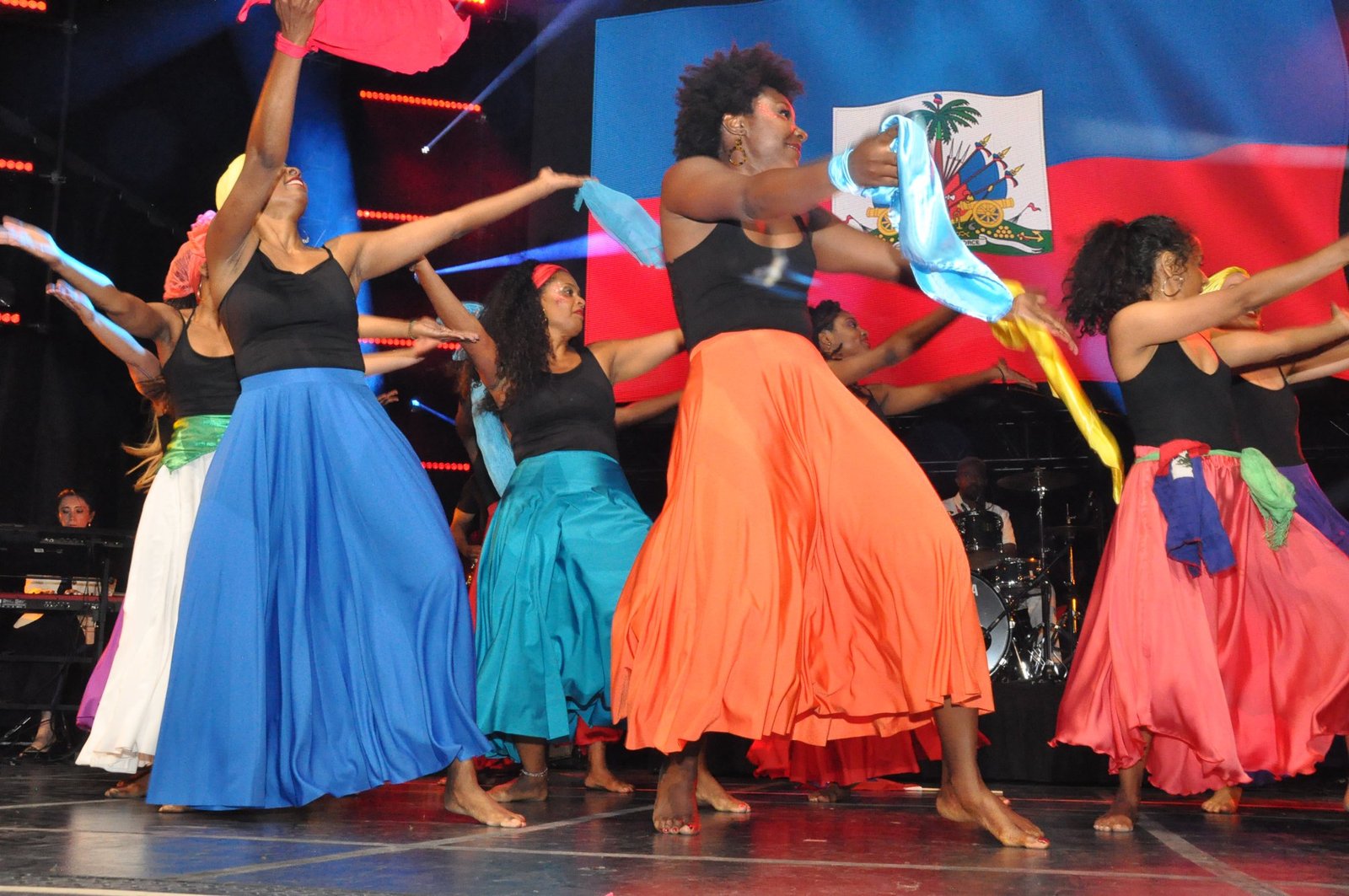
Located in the western part of the island of Hispaniola, Haïti is a land imbued with natural, cultural and historical wealth. Unfortunately, behind the beauty of its landscapes, the richness of its culture and the delicacy of its cuisine lies a complex reality marked by the debt of its independence and the persistent interference of third countries, casting a shadow over its stability. b~The Natural Beauty of Haïti~b Haïti, nicknamed the "Pearl of the Antilles", dazzles with the diversity of its landscapes. From majestic mountains and lush valleys to meandering rivers and sandy beaches, the country offers natural beauty worth celebrating. The famous Citadelle Laferrière mountains and the refreshing waterfalls of Bassin-Bleu are just a few examples of the splendor that characterizes this nation. b~A Rich and Diverse Culture~b Haïti stands out for its vibrant and diverse culture. A heritage of African, French and indigenous influence, Haïtian music, dance and art reflect a unique fusion. Colorful festivals, like Carnival, are celebrations of this cultural richness, attracting visitors from all over the world. b~Delicious Cuisine~b Haïtian cuisine, tasty and spicy, is another aspect worth celebrating. Dishes like griot, sticky rice, and the legendary joumou soup, traditionally prepared to commemorate independence, are all culinary delights that demonstrate the country’s gastronomic ingenuity. b~Heritage Treasures and Paradise Beaches~b Haïti’s heritage treasures, such as the remains of the Sans-Souci Palace and the Citadelle Laferrière, listed as UNESCO World Heritage Sites, are testimonies to the architectural grandeur of Haïti’s past. At the same time, beaches like Labadee and Jacmel offer havens of peace with crystal clear waters, attracting travelers in search of a tropical paradise. b~A Fascinating Story~b The history of Haïti is both fascinating and tragic. It was the first country in the Americas to gain its independence, in 1804, after a courageous slave revolt. However, this independence came with a heavy financial price. France demanded exorbitant compensation, thus laying the foundations for Haïti’s foreign debt. b~The Debt of Independence and Foreign Interference~b Despite these treasures, Haïti struggles with the reality of its independence debt. After gaining its freedom, the country was forced to pay France a considerable sum in compensation for losses associated with the abolition of slavery. This debt has been a major economic burden for Haïti, hindering its development. Additionally, foreign interference continues to create significant challenges. External political and economic interventions have often contributed to the country’s instability, hindering its ability to build a sustainable future for its citizens. b~In conclusion~b Haïti remains a country of multiple riches, but its challenges persist. Despite its natural beauty, rich culture and fascinating history, the nation needs enlightened international support and lasting solutions to overcome the obstacles that stand in its way. Haïti’s wealth lies not only in its enchanting landscapes, but also in the potential of its people to be resilient and prosper despite persistent challenges.
On August 29, 2025, Pierre Marc BAPTISTE, a young, committed leader from Belecourt, Cité Soleil, will celebrate eight years of social, educational, and leadership work in his community. On this occasion, he is launching an appeal for donations (money, books, educational materials) to support an ambitious project: the creation of the Duvivier High School Library.
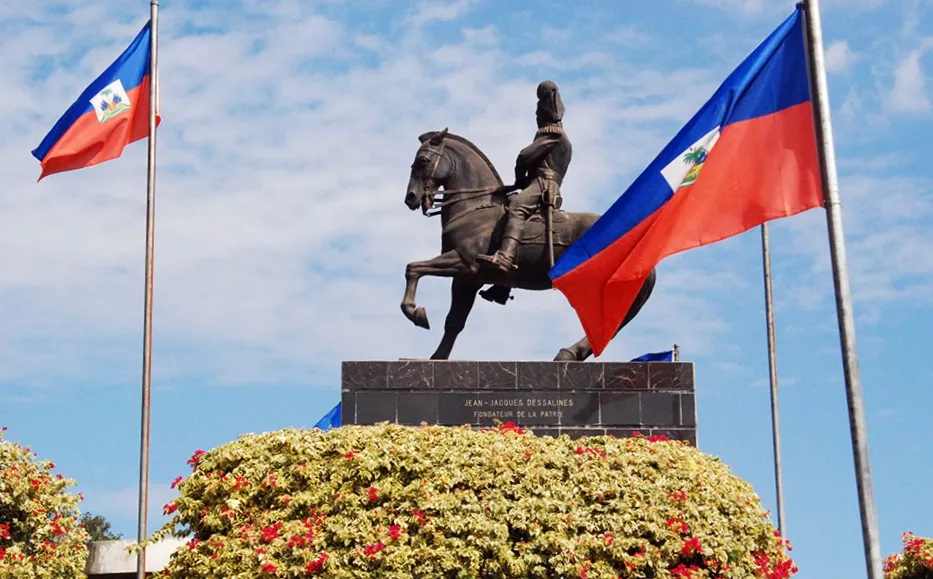
On January 1, 1804, a significant event in world history occurred: the proclamation of the independence of Haiti. On that day, Haïti became the first independent black country in the modern world, marking the end of more than a decade of bitter struggle against French colonial oppression and slavery.
Easter in Haïti is both spiritual and convivial. It is a time of contemplation for many, but also a sacred occasion to gather with family around a special meal, respectful of the religious traditions of Lent. During this period, meat disappears from the plates, replaced by fish, especially cod, in an explosion of typically Haitian flavors.
In collaboration with HPost5, Les Éditions Julien Hilaire are launching a call for contributions for the publication of the first issue of "Temps de poésie", a literary magazine that, according to the initiators, aims to be a space for exchange, creation and celebration of contemporary poetry. In these times marked by a penchant for destruction, chaos and the law of silence, speaking has become an obligation. Speaking to denounce. Speaking to resist. Speaking to build. The first issue of "Temps de poésie" with the theme "Cathedral under construction, poems as labor" is part of this approach. This theme is an invitation to reflect on the act of building, whether material, spiritual or metaphorical, we read in the press kit. Haïti Wonderland met Ansky Hilaire, the man who leads the project. Interview.
Emeline Michel was born on March 21, 1966 in Dubedou, a small town located in the 5th communal section of Gonaïves, the city of Haitian independence. Both a singer and composer, today her influence transcends and goes beyond the borders of Haïti and the French-speaking world. After starting secondary studies at the Lycée Louis Diaquoi commonly known as the Lycée de jeunes filles des Gonaïves, she entered Port-au-Prince, at one point, to continue her studies at the Collège St Pierre de Port-au-Prince. It was in the Haitian capital, more precisely at the Baptiste de Bolosse church, that her talent was discovered and supported by religious leaders, who offered her scholarships to study music. It is his steps that will be the basis of his exceptional musical career, placing his name among the proudest Haitians and alongside the greatest names in Haitian music, such as Lionel Benjamin, Beethova Obas and Yole Dérose his mentor.
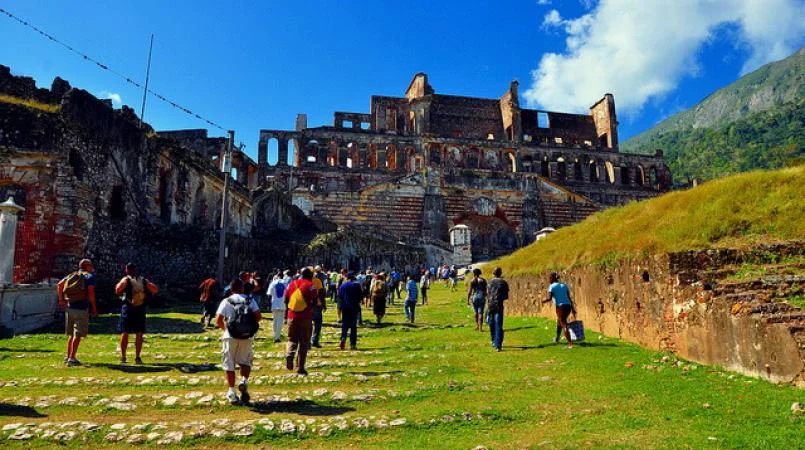
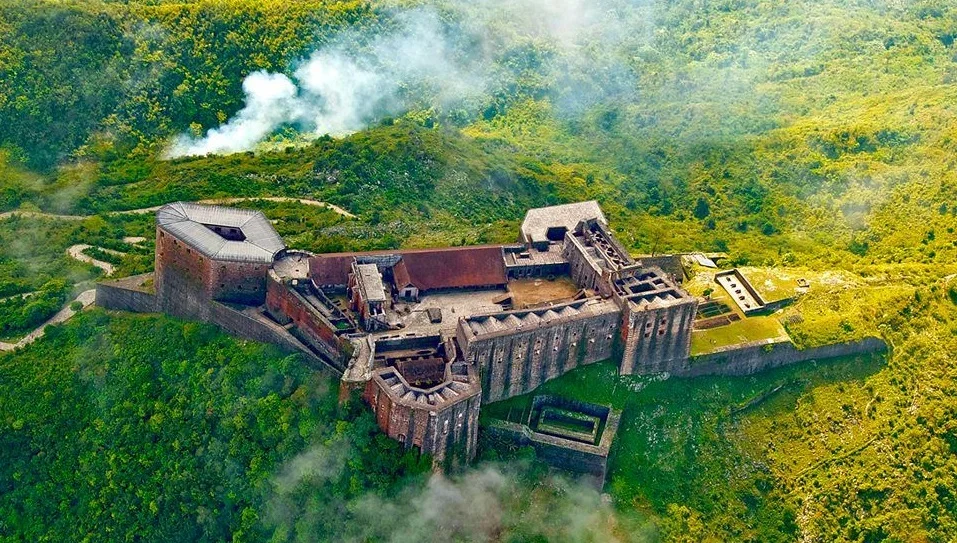
When we think of Haiti, we often think of its rich culture, heroic history, and breathtaking landscapes. But did you know that Haïti is also home to the largest fort in the Caribbean? The Citadelle Laferrière, located in the Nord department, is an architectural masterpiece and a symbol of freedom that attracts thousands of visitors each year. This historic monument is a national pride and a testament to the resilience of the Haitian people.

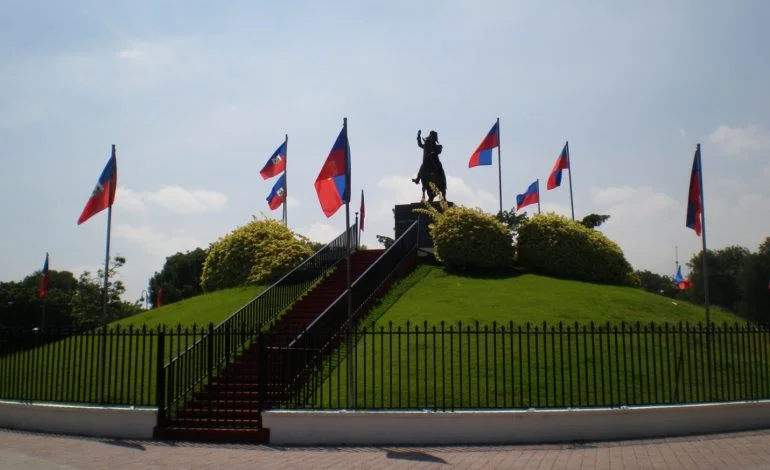
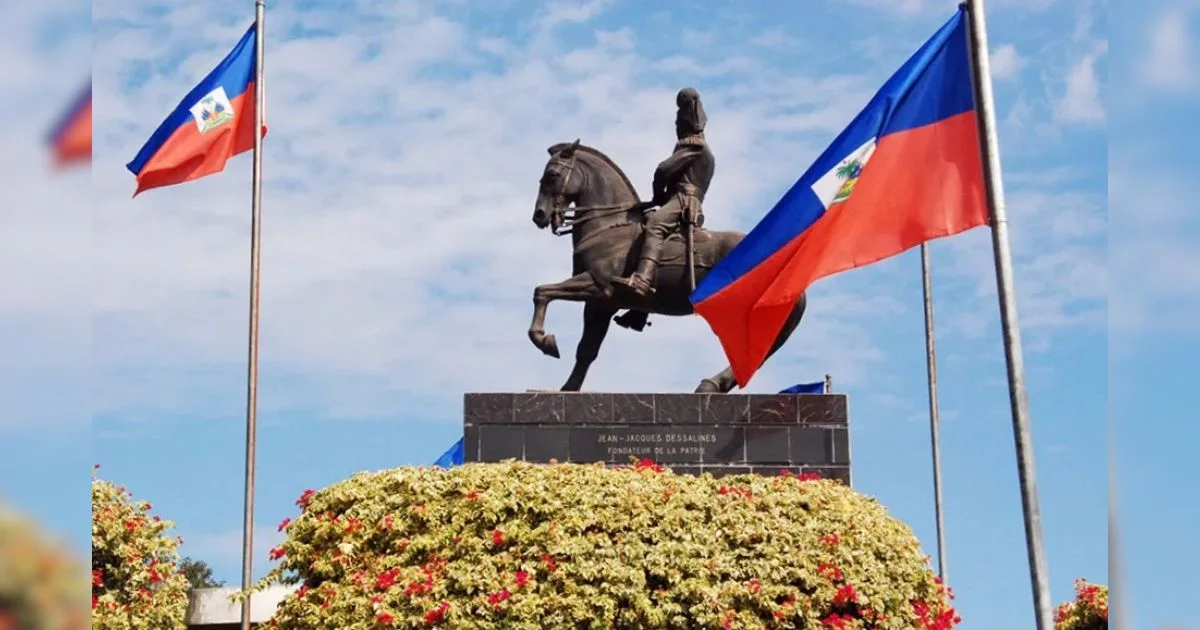
First black nation to free itself from slavery and gain independence from France in 1804 and influenced other liberation movements around the world, inspiring struggles for freedom and equality.

Haïti is blessed with spectacular natural landscapes, including white sand beaches, mountains and rich biodiversity.

Haïti has a rich historical heritage, including sites like the Citadelle Laferrière and the Sans-Souci Palace, listed as UNESCO World Heritage Sites.

Haïti has a rich and diverse culture, influenced by African, European and indigenous elements. Haitian music, dance, art and cuisine are celebrated around the world.