






News / Little-known places / View Recent Posts

Culture
Learn more
When Haiti’s talent and cultural wealth become one.
“Haïti and its incredible genius” is the great competition that the city of Lowell, Massachusetts, had the pleasure of hosting on October 5th. Organized by IVAP Haiti, an organization that, despite the many difficulties, remains faithful to its mission. IVAP firmly believes that the new Haïti is already written somewhere, and it is up to us, through our actions, to make it concrete and constantly highlight it. Hence the need to organize such a competition.
Learn more 
History
Learn more
Haiti, dream space.
Between dream and Haitian reality: A call for unity and action Many men have dreamed big for Haiti. Toussaint Louverture and Jean Jacques Dessalines are examples. Although torn apart by invisible hands, the social fabric of the country had always been considered the greatest project to be set in motion by men of letters. Until then, the history of Haïti remains and remains for Haitians the most appropriate space to dream and propose full and complete freedom. Indeed, Toussaint Louverture had the dream of improving the lot of slaves. Dessalines, for his part, sacrificed himself for the independence of our island (Haiti-Saint-Domingue). After our liberation from the French, men of letters had to take other paths to safeguard the dignity of the country. This situation showed another form of revolution like poets of the patriotism school with supporters such as: Louis Joseph Janvier, Anténor Firmin, Demesvar Délorme and the Generation of the Round with Fernand Hibbert, Georges Sylvain also the indigenous school with Jean Price Mars, Jacques Stephen Alexis, Roussan Camille etc... who express their discontent by pouring ink. By describing or painting the situation of the country. Several years which were first conceived and then born the idea of giving the country its sovereignty, its own bicolor, its army, etc. it was not easy and did not continue like this. Haïti needs for the moment men of dreams, men who love their countries, but not the wealth of this country, men who love the happiness of their country, but not its misfortunes, men who have viable projects , but are not specialists in carnage who are only interested in their pockets, rather for the happiness of our two-tone, men who must fight against corruption, against waste, against the invisible hands of foreigners, against this form of public administration which targets only a small group of people in the country to the detriment of the population, this form of insecurity planned by the state, the so-called bourgeoisies, economic powers from abroad such as: France, USA, Canada, Brazil. q~Haïti in 1979 with full power. Maître Fevry is said to have declared: The dream of Haïti cannot support, nor accept improvised solutions ~q. The Haitian’s dream must always be a team effort. A team of men of skill, vision, good will, reflection and meditation. q~ Men who can place their personal and private interests over public interests. Men who want to make a new start to achieve the dream of Jean Jacques Dessalines and that of Henri Christophe who aimed that Haitians will not envy any other country in the world so that all Haitians can be happy in their own country, chanted Professor Lesly Saint Roc Manigat.~q Our dear Haiti, which was once the pearl of the Antilles, is no longer present today. For this we ask all Haitians: children, young people, adults and old people, let us unite our arms, our strength, our voices and all that we could do to liberate our dear homeland Haïti Chérie. Let’s change our reality together! Long live Haiti, long live freedom for the whole world.
Learn more 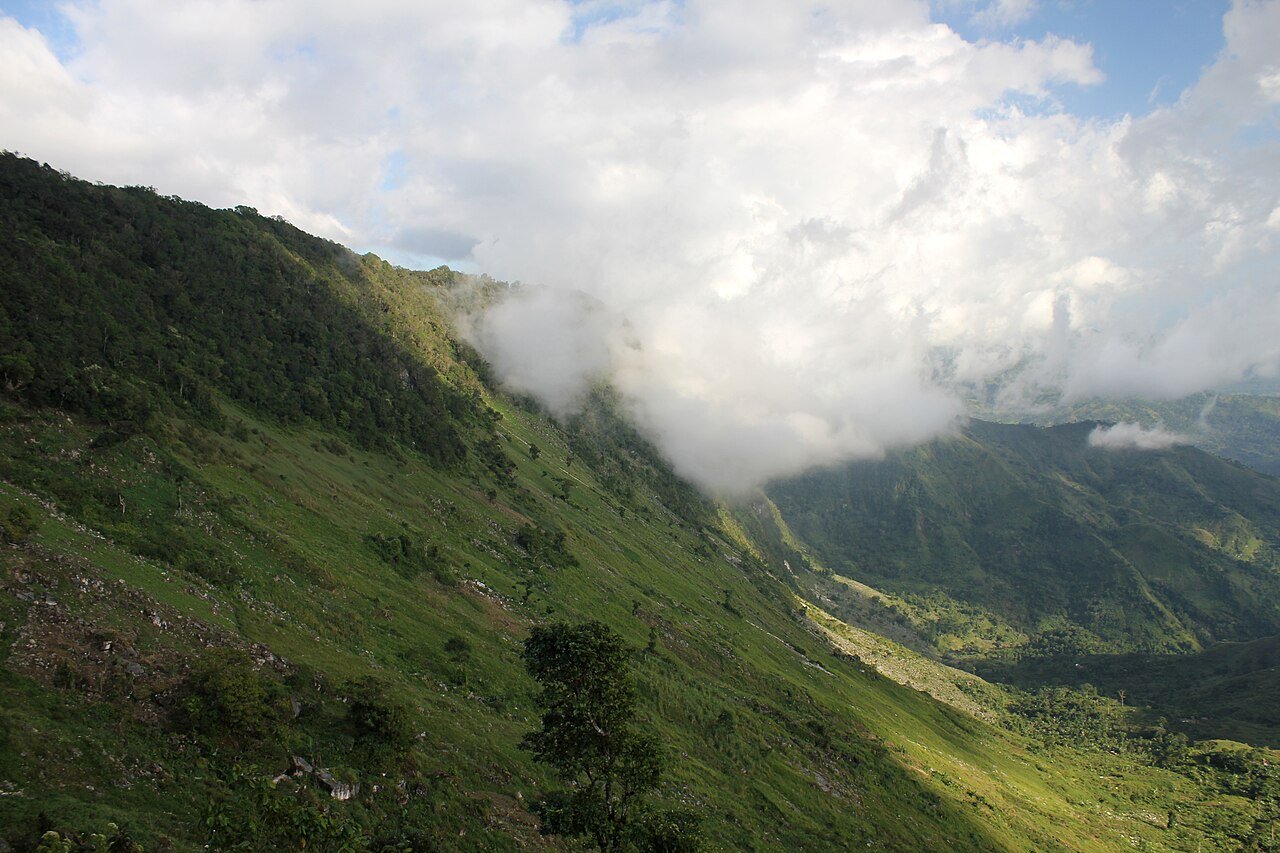
Nature
Learn more
Geography of Haiti: Landforms, climate and natural regions.
Haiti, an independent republic since 1804, is a country located in the Caribbean, precisely in the Gulf of Mexico. Occupying the eastern part of an island that it shares with the Dominican Republic, it extends over an area of 27,750 square kilometers. Famous for its tropical climate and tourist attractions such as Labadie, Cocoyer Beach, the Citadel and the Sans Souci Palace, the country attracts visitors from all over the world. Its diverse landscape includes impressive mountainous terrain as well as coastal plains which play an important role in its economy. Among its natural attractions are the majestic Massif de la Selle and inland fishing areas such as Lake Azuei. Despite its natural wealth, Haïti faces major economic challenges, including deforestation and land degradation, which hamper its sustainable development.
Learn more 
Beache
Learn more
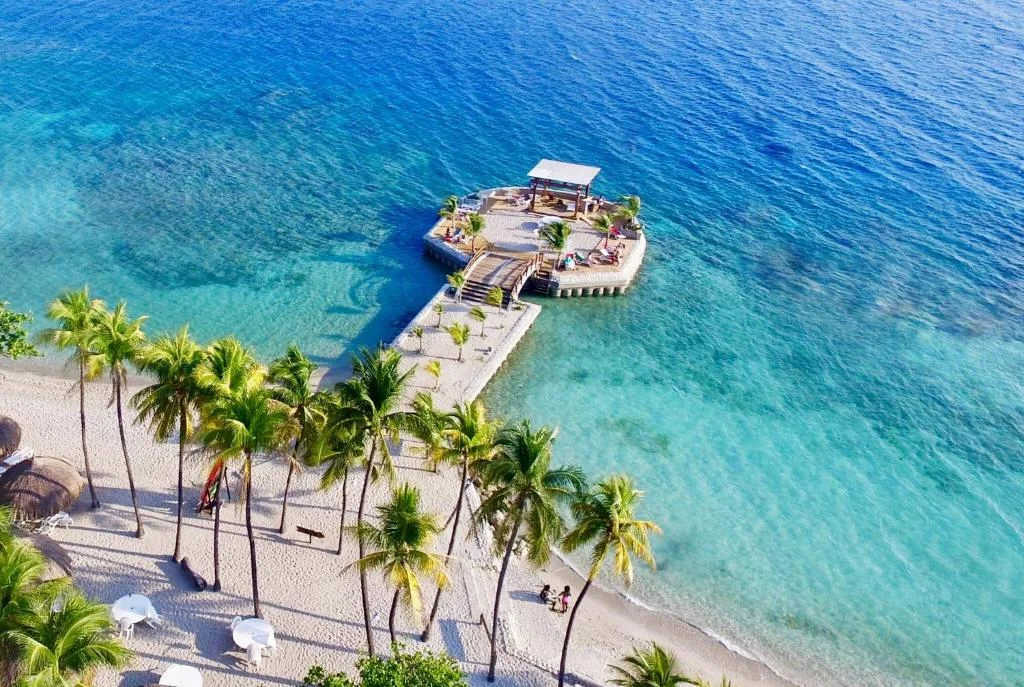
Haiti: Exploration of Nautical Activities
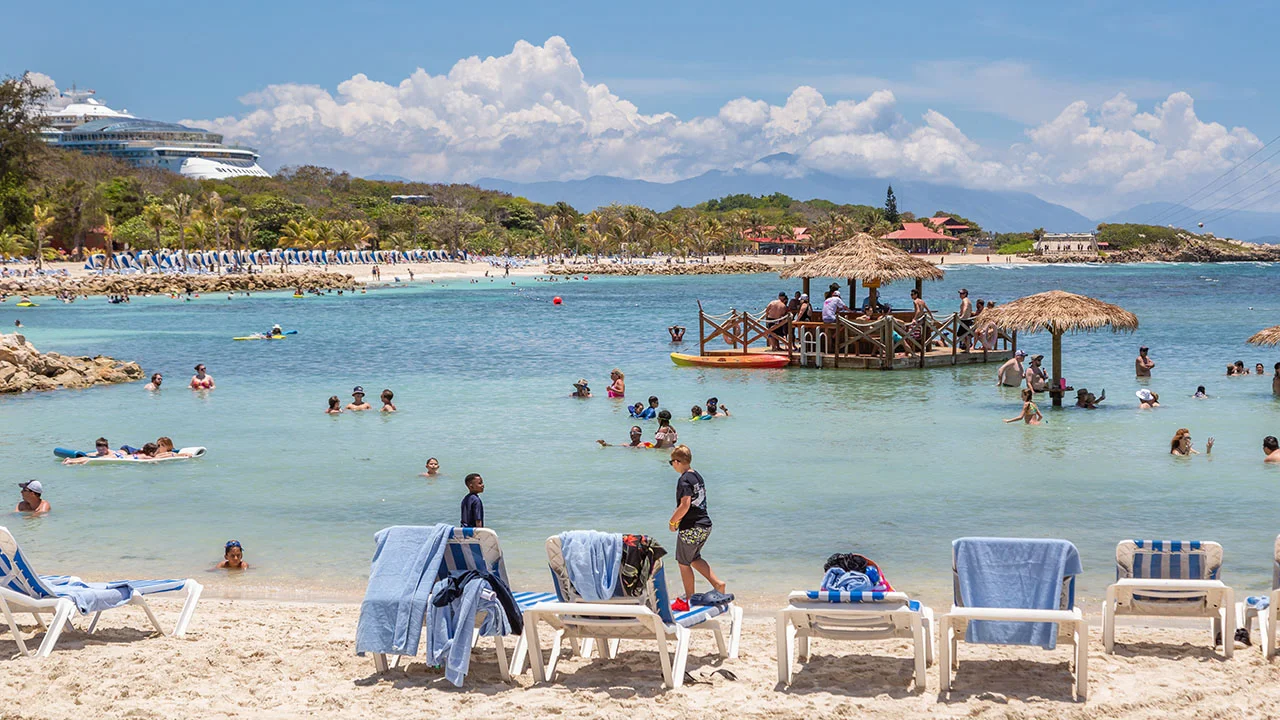
Haiti, associated with its rich history and vibrant culture, also offers a little-known aquatic paradise. With its pristine beaches, crystal clear waters and spectacular marine diversity, this Caribbean country is an ideal destination for lovers of water activities. Discover a fascinating underwater world, experience thrilling adventures and enjoy the Haitian coastline.
Learn more 
History
Learn more
The Haitian Revolution: A MAJOR Event in History
With the arrival of Christopher Columbus in Haïti in 1492, life on this small piece of peaceful territory would radically change into the most sinister chaos. Experiencing a major dive into crime, and the darkest barbarity, known as slavery. The arrival of black people captured in Africa, violently crossing the Atlantic to end up on Haitian soil, is part of this tragic story. The Amerindians (the first inhabitants of Haiti) having suffered a large-scale genocide, under the weight of European slavery, were unable to resist and were replaced by these Africans, who centuries later would arrive to put an end to this shameful system, through an unparalleled revolution.
Learn more 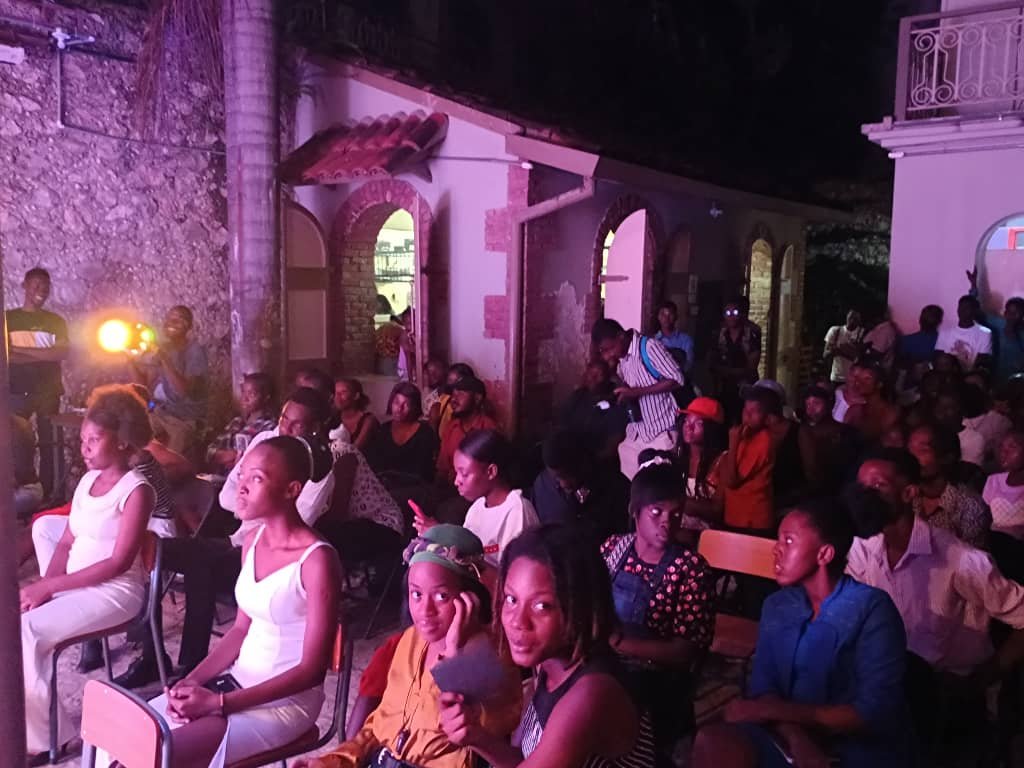
Events and Festivals
Learn more
Plume en Quest: Celebration of Haitian Women at the Alliance Française of Jacmel.
On March 23, 2024, in an atmosphere full of emotion and reflection, the Alliance française de Jacmel witnessed a unique cultural event of its kind. In collaboration with the Jacmel Jazz Festival, Plume en Quête presented a captivating show entitled “The Haitian woman is an asset”. Under the artistic direction of Jean Kenia, this captivating show drew on the provocative writings of the famous philosopher Simone de Beauvoir. Through striking artistic performances, the audience was transported on an introspective journey about the central role of women in Haitian society. The spectators, who came in large numbers to witness this event, were deeply touched by the evocative power of the show. “It was an incredible experience,” said one spectator. “This show captured the strength and resilience of Haitian women in a striking way.” Beyond its artistic aspect, this show also raised important questions about gender equality and women’s empowerment. By highlighting the essential contribution of Haitian women to society, he called for collective reflection on the need to promote social justice and gender equality. In short, this evening at the Alliance Française was much more than just entertainment: it was a vibrant testimony to the strength, resilience and beauty of Haitian women, as well as a call to action in favor of a fairer and more equitable future for all.
Learn more 
Music
Learn more
The Haïtian Compas: A Musical and Cultural Journey
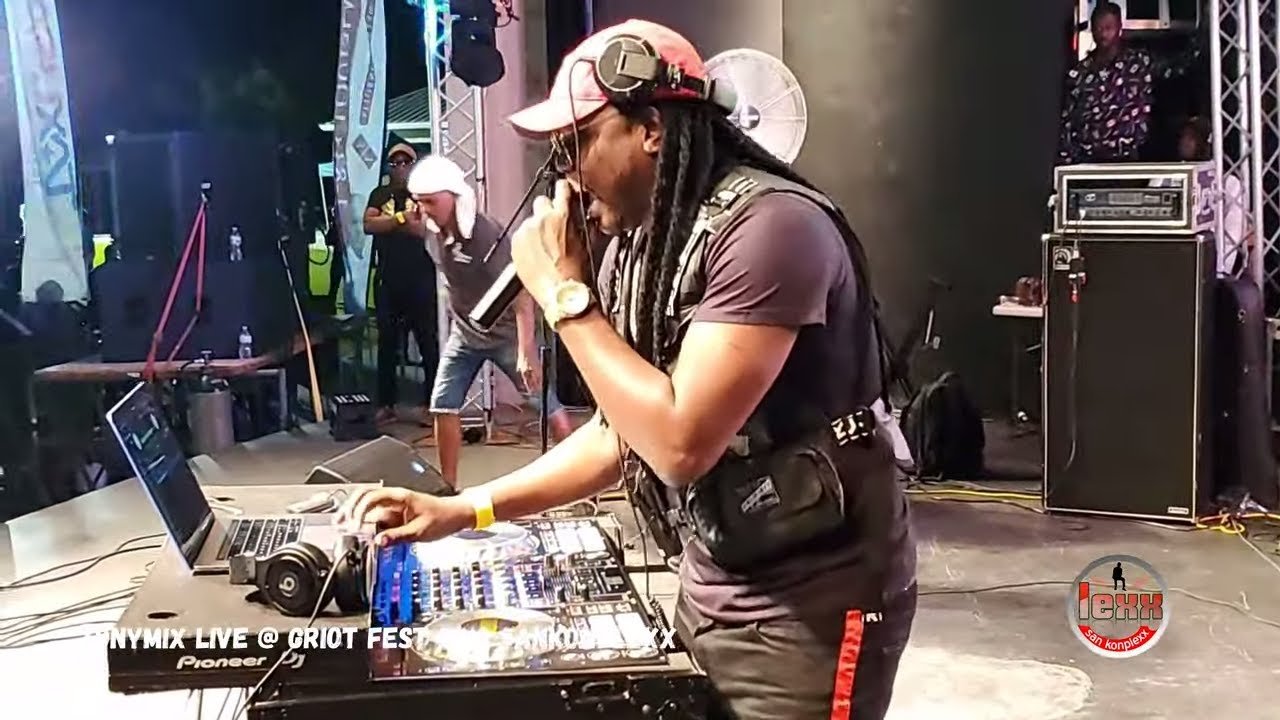
Music has always been an essential part of Haïtian culture, and among the many genres that have emerged from this Caribbean island, Compas holds a special place. It is a musical style that carries with it the history, cultural diversity and vibrant energy of Haïti. b~Origins and Evolution~b The Compas Haïtien, also known as Kompa, has deep roots in Haïtian and African musical traditions. Its development was influenced by genres such as Dominican merengue, Cuban salsa, jazz and even rock. This fusion of styles has resulted in a distinctive sound that embodies the cultural richness and diversity of Haïti. The Haïtian Compass has evolved over the decades, moving from a more traditional style to more modern and sophisticated forms. Iconic artists such as Nemours Jean-Baptiste and Tabou Combo helped shape the genre and propel it onto the international music scene. b~The Characteristics of the Compass~b Le Compas Haïtien is characterized by its intoxicating rhythm and complex arrangements. Traditional instruments such as guitar, saxophone, drums, and of course, bass, play a crucial role in creating this catchy music. The lyrics, often sung in Haïtian Creole, address varied themes, from love and joy to social and political issues. Dance is an inseparable component of the Haïtian Compass. The irresistible rhythms encourage the dancers to sway to the music. Traditional dance moves, such as "Kompa Direk" and "Kompa Love," reflect the joyful expression and sensuality that characterize this musical genre. b~Global Influence~b Over the years, the Haïtian Compas has transcended the borders of Haïti to conquer the international stages. Haïtian artists helped popularize the genre around the world, bringing with them the warmth and vitality of Haïtian culture. Music festivals dedicated to Compas attract fans from around the world, providing an immersive experience of this catchy music. The Haïtian Compass is much more than a musical genre; it is a standard bearer of Haïtian culture, a mirror reflecting the history, diversity and resilience of the Haïtian people. Discovering the Haïtian Compas means diving into a world of captivating rhythms, passionate dances and captivating stories, while celebrating Haïti’s unique musical heritage. Whether you are a world music lover or simply curious about new experiences, the Compas Haïtien is an invitation to an unforgettable sound journey.
Learn more 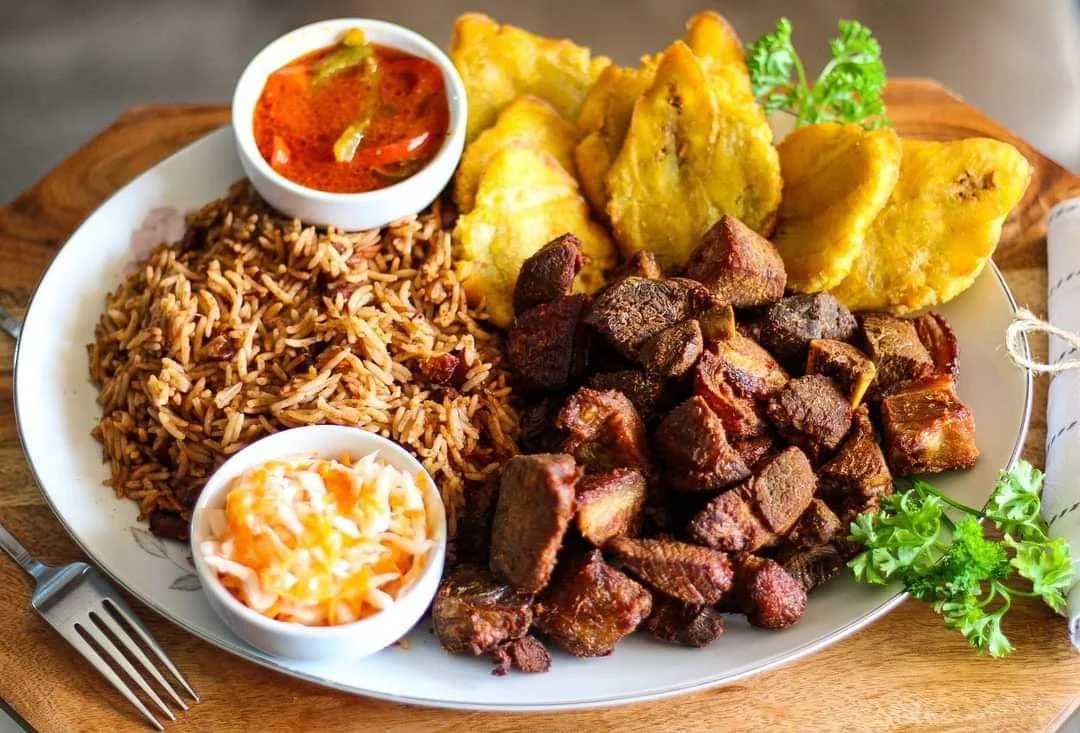
Kitchen
Learn more
Haiti: Haitian Cuisine, Among the Best in the World!
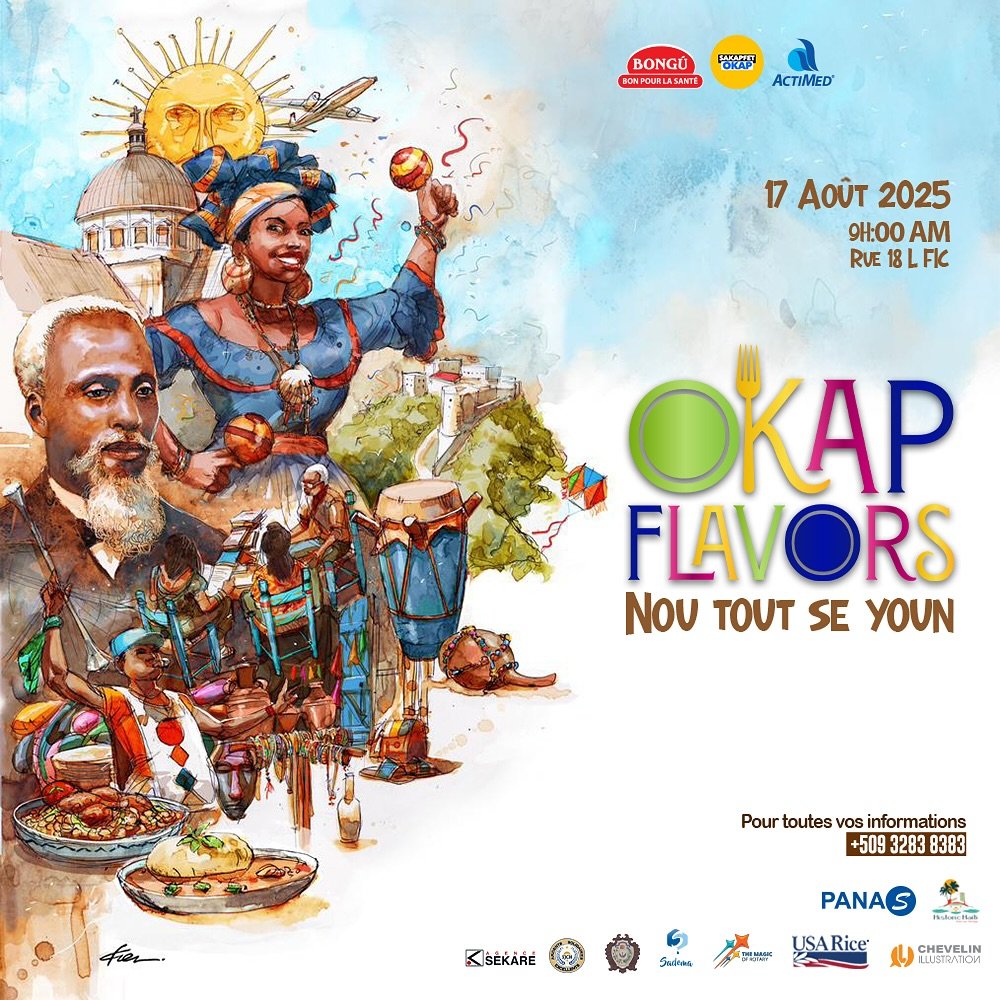
Haitian cuisine is a true culinary treasure that charms taste buds around the world. With its African, French, Creole and Native American influences, it offers a unique and memorable taste experience. From street food to festive dishes, Haitian cuisine celebrates the diversity of local ingredients and the ingenuity of chefs who transform them into culinary delights.
Learn more 
Good to know
Learn more
What are the national holidays in Haiti?
Haiti, rich in history and culture, celebrates several national holidays throughout the year. These celebrations reflect the identity and resilience of the Haitian people, marking key moments in their history and honoring their traditions. Discover the most important national holidays in Haiti, their meanings and how they are celebrated.
Learn more Recently Posted
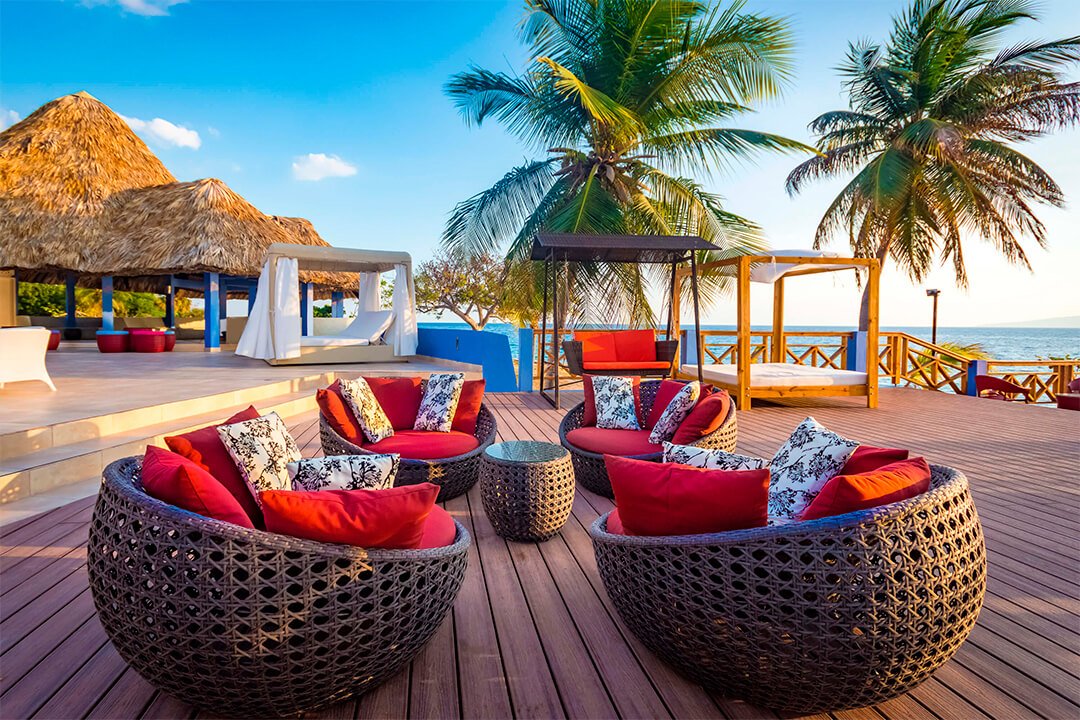
Does Haïti practice daylight saving time?
Time management in Haïti follows a practice shared by several countries: daylight saving time. Adopted for several decades, daylight saving time consists of moving the clocks forward by one hour for part of the year in order to maximize the use of daylight. This article explores how and why this measure is applied in Haiti, as well as its impact on the daily lives of Haitians.
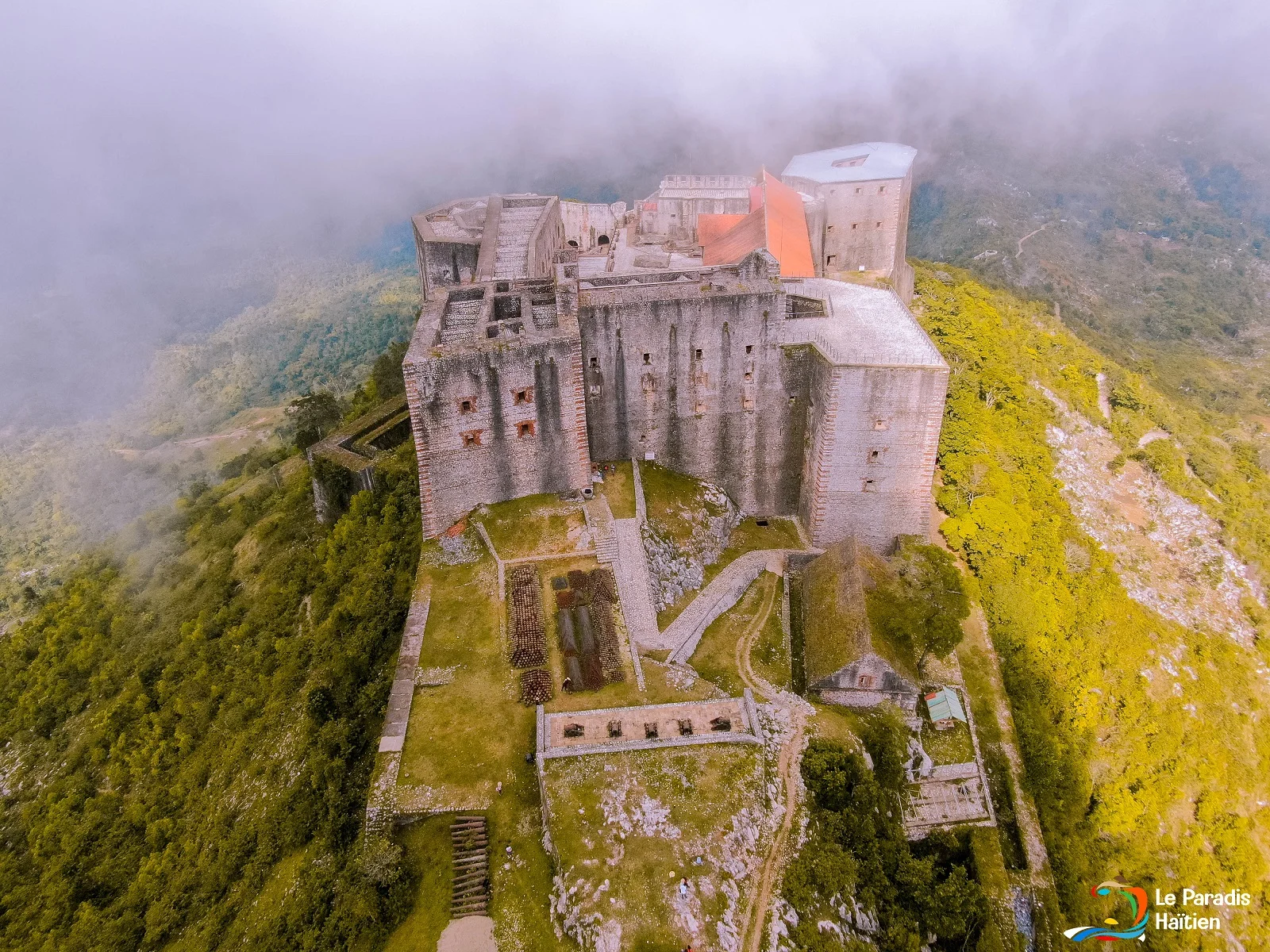
How long is Haiti?
The length of Haiti, measured from west to east, is approximately 650 kilometers. This figure illustrates the extent of this country that shares the island of Hispaniola with the Dominican Republic. In this article, we explore in detail the geographical dimensions of Haiti, as well as their influence on the diversity and organization of the country.
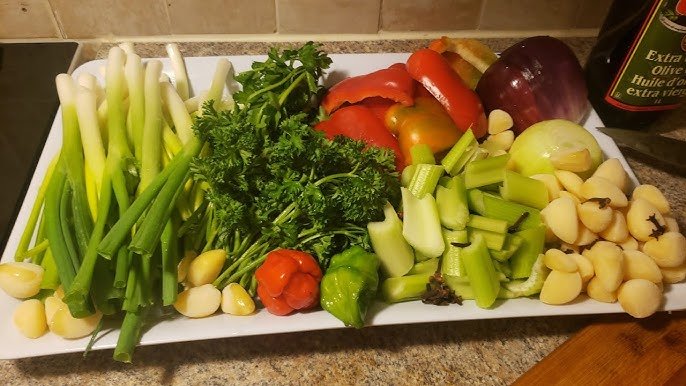
A Journey Through Haitian Spices
Haitian cuisine is a veritable feast of flavors, where spices and aromas play a central role. Essential Haitian ingredients don’t just add flavor; they create a rich and complex aromatic profile that characterizes this vibrant cuisine. Among the most commonly used spices is chili pepper, which brings heat and intensity. Herbs such as thyme and parsley are often used fresh, adding a touch of freshness and depth. Garlic and ginger are also key elements, bringing spicy and earthy notes. Another iconic spice is clove, which is often used in marinades and stews. Saffron and turmeric are also present in Haitian cuisine, bringing not only color but also unique flavors. Lime zest and lemon juice are frequently used to enhance dishes, adding a refreshing acidity. Over time, our preferences evolve, and certain ingredients take up more or less space on our plates. Is there a spice you’ve abandoned or, on the contrary, rediscovered over time?
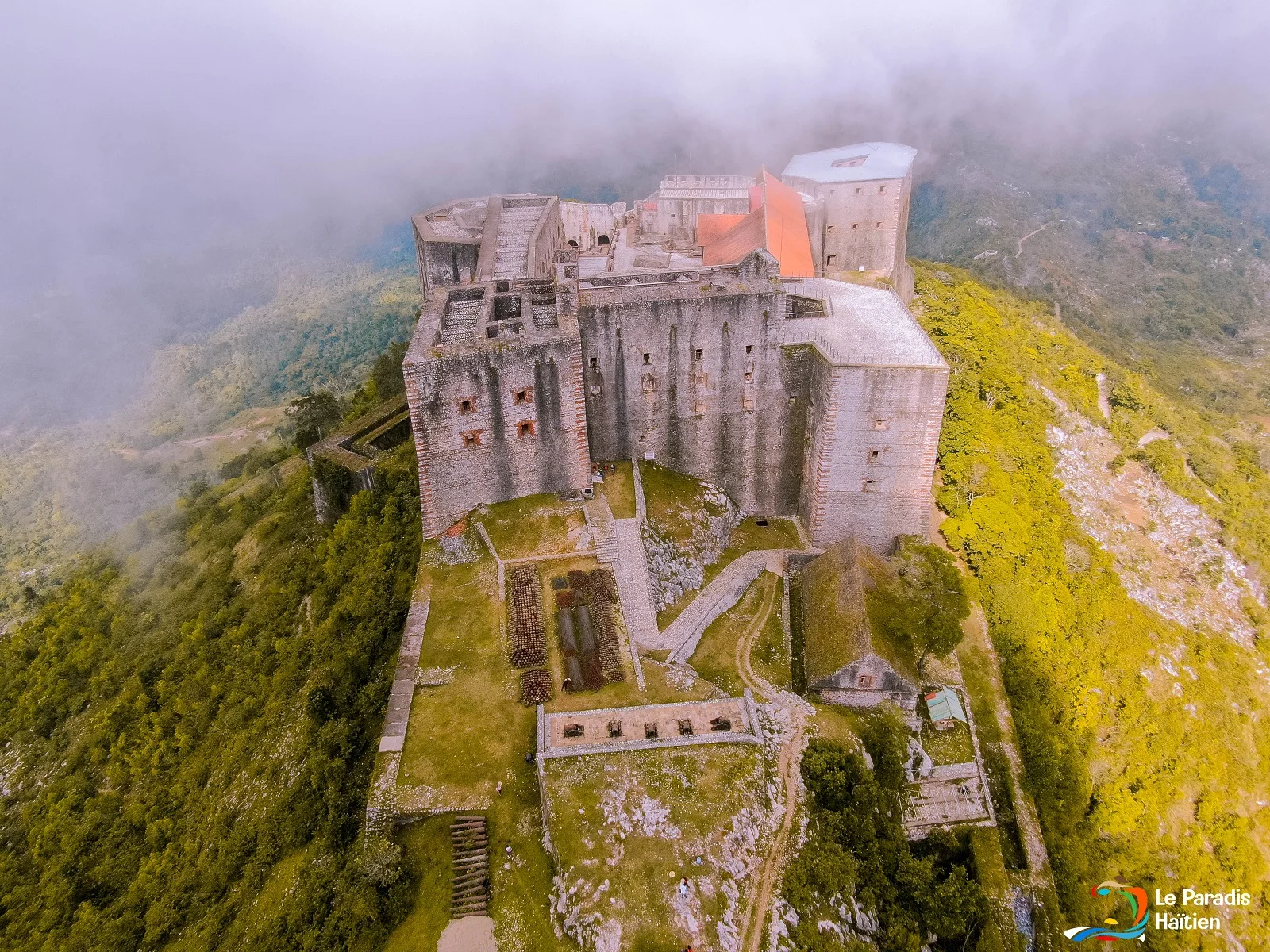
Haiti: Haitian Cuisine, Among the Best in the World!
Haitian cuisine is a true culinary treasure that charms taste buds around the world. With its African, French, Creole and Native American influences, it offers a unique and memorable taste experience. From street food to festive dishes, Haitian cuisine celebrates the diversity of local ingredients and the ingenuity of chefs who transform them into culinary delights.
Category
- Recent articles 100
- Heritage 2
- Kitchen 53
- Culture 35
- Music 16
- History 48
- Nature 13
- Beache 27
- Craftsmanship 3
- Literature 16
- Religion 4
- Movie 2
- Ecology 0
- Tourism 68
- Personality 13
- Languages 1
- Theater 0
- Games 2
- Other 2
- Community 5
- Entrepreneurship 4
- Technology 16
- Country 3
- City 8
- Business 3
- News 40
- Geography 4
- Scientific Research 0
- Education 2
- Production 3
- Diaspora 9
- Good to know 60
- Business and economy 1
- Events and Festivals 19
- Things To Do 1
- Little-known places 0
- Sponsored Articles 0
Recently Posted






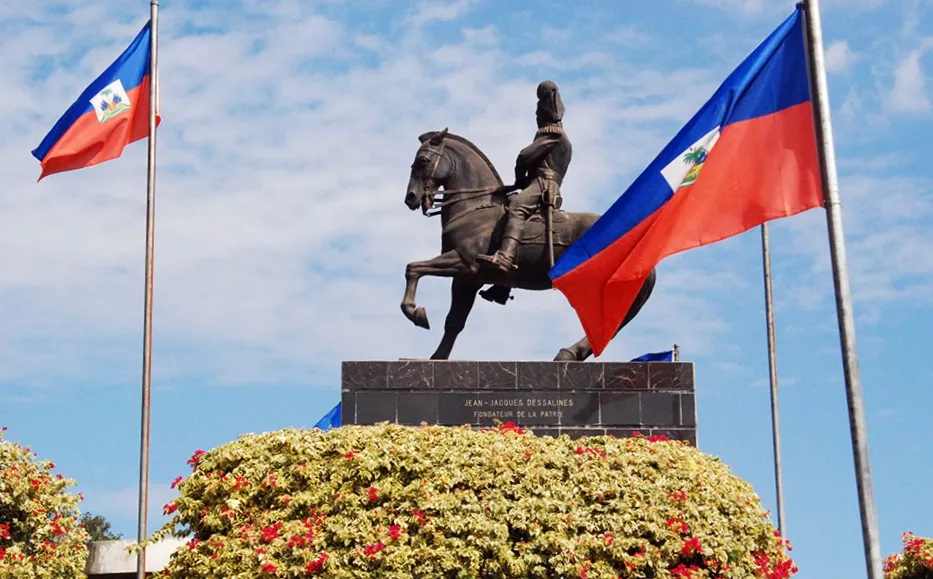


















History
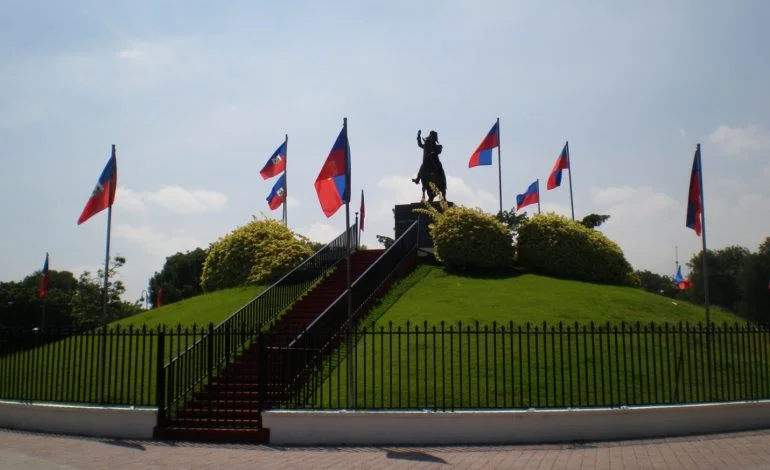
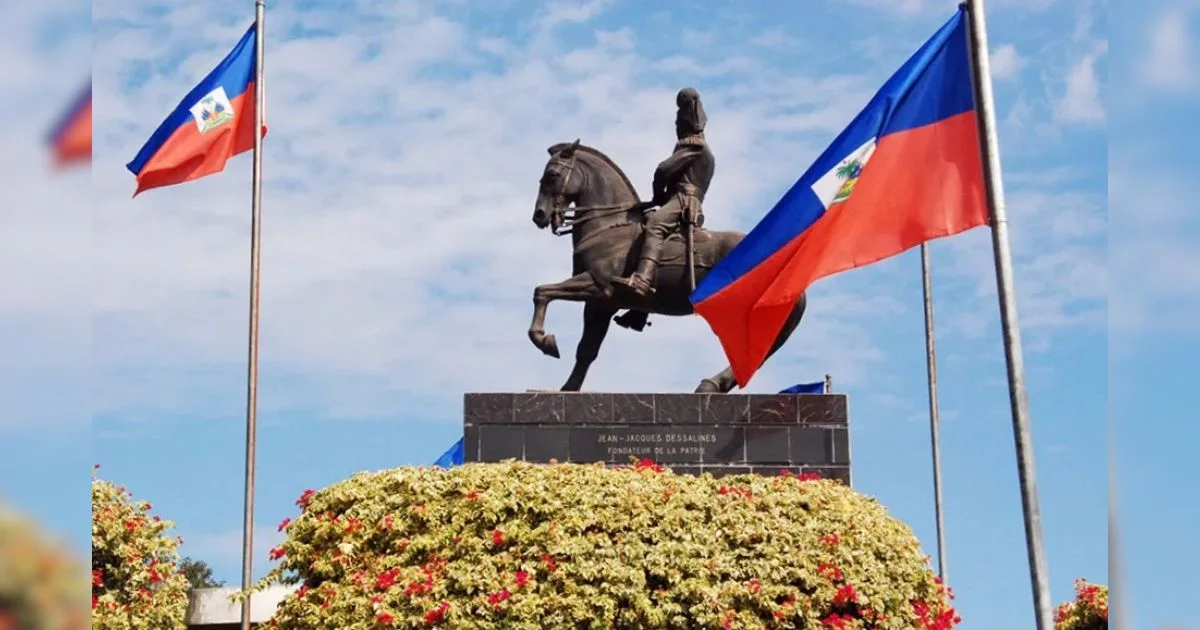
First black nation to free itself from slavery and gain independence from France in 1804 and influenced other liberation movements around the world, inspiring struggles for freedom and equality.

Natural beauty
Haïti is blessed with spectacular natural landscapes, including white sand beaches, mountains and rich biodiversity.

Heritage
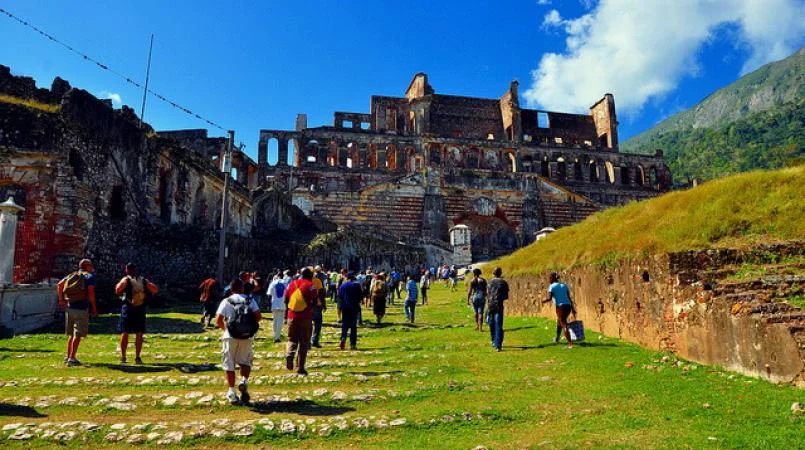
Haïti has a rich historical heritage, including sites like the Citadelle Laferrière and the Sans-Souci Palace, listed as UNESCO World Heritage Sites.

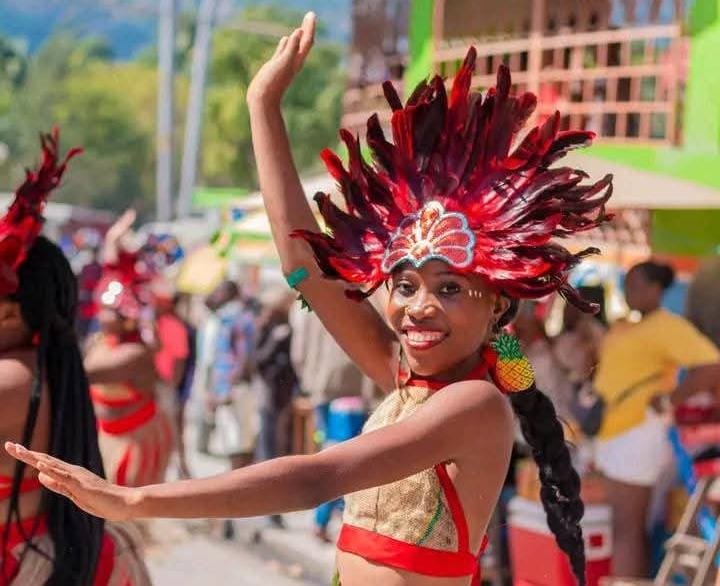
Culture
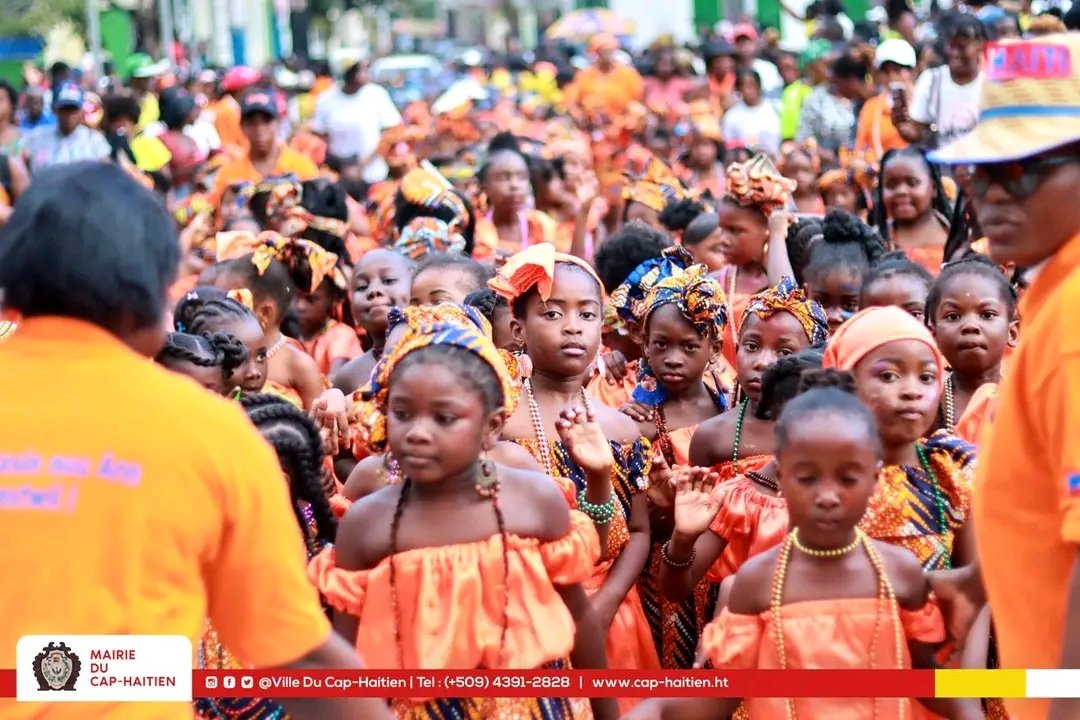
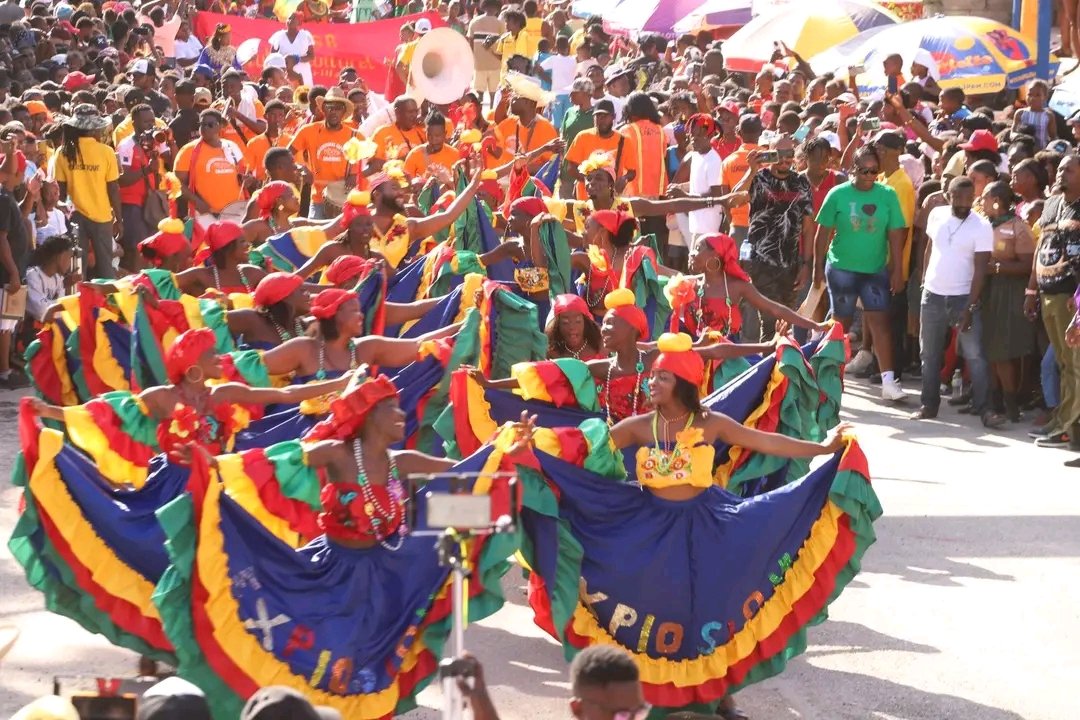
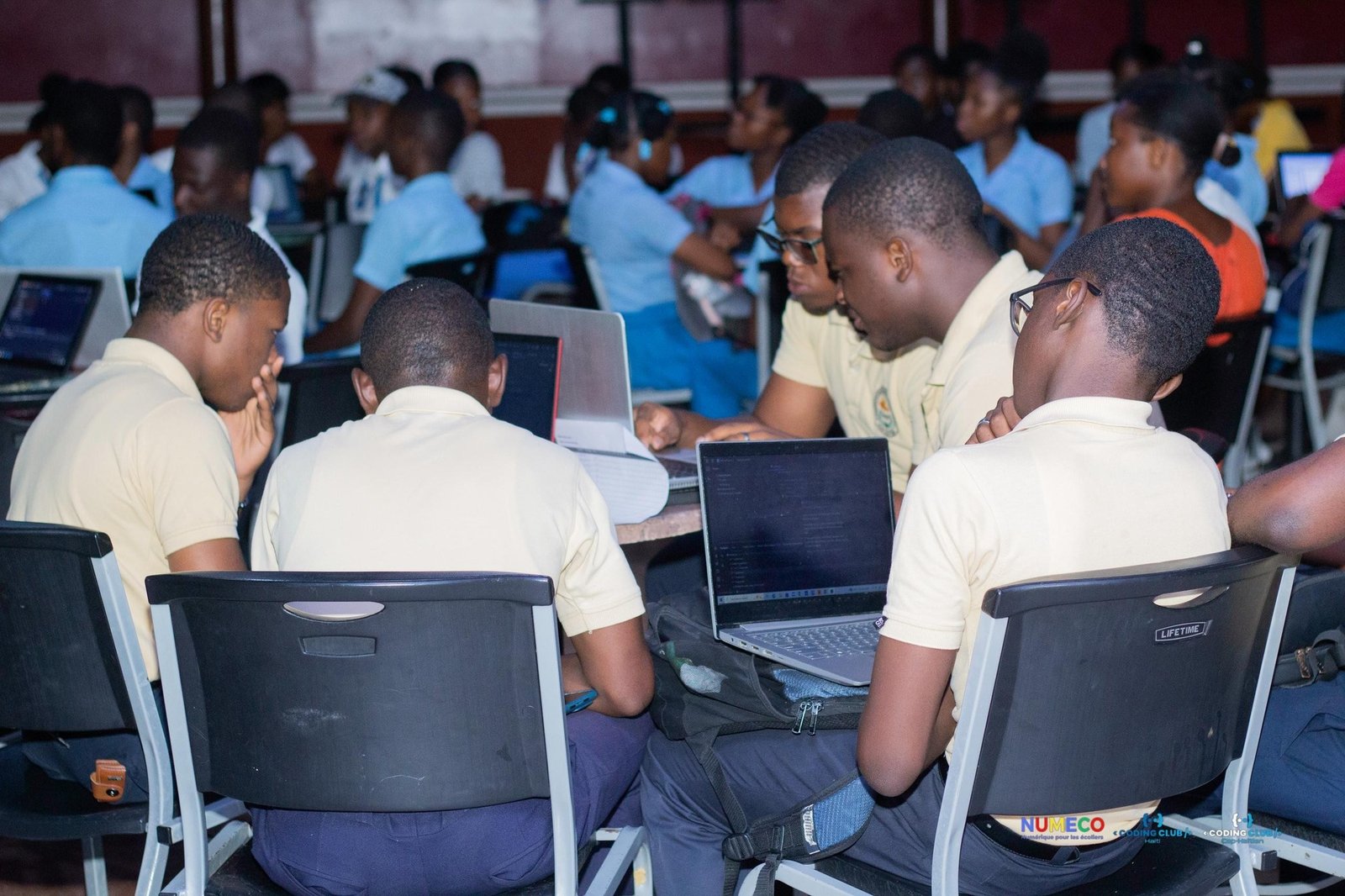
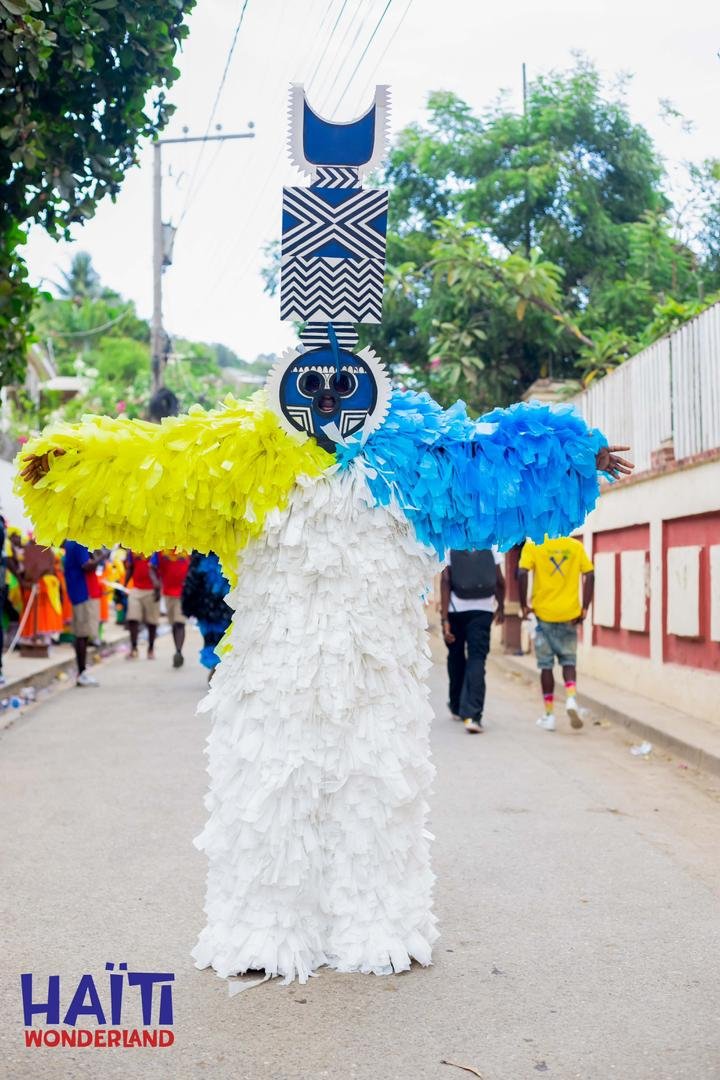
Haïti has a rich and diverse culture, influenced by African, European and indigenous elements. Haitian music, dance, art and cuisine are celebrated around the world.
- +
Post