






Unity is Strength or Liberty - Equality - Fraternity: What is Haiti’s true national motto?
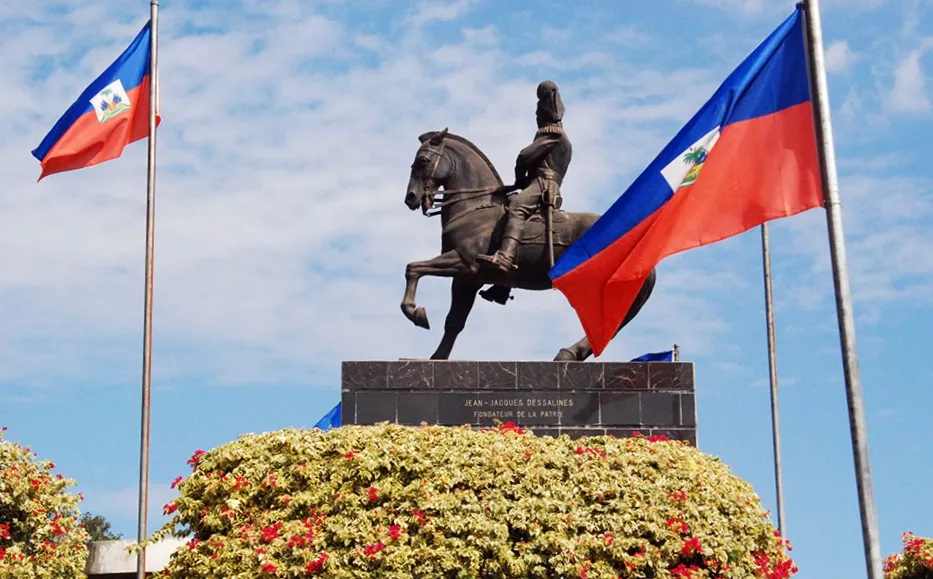
Haiti has two mottos: "Unity is Strength" on its coat of arms and "Liberty-Equality-Fraternity" in its 1987 Constitution. Find out which one is official.
Haïti is a country that never ceases to fascinate with its rich history, vibrant culture and breathtaking natural beauty. Although often overlooked, Haïti is full of treasures that deserve to be discovered. This unique Caribbean country, marked by centuries of history, a diverse culture and breathtaking landscapes, offers an unforgettable travel experience. Follow us to discover this jewel of the Haitian people.
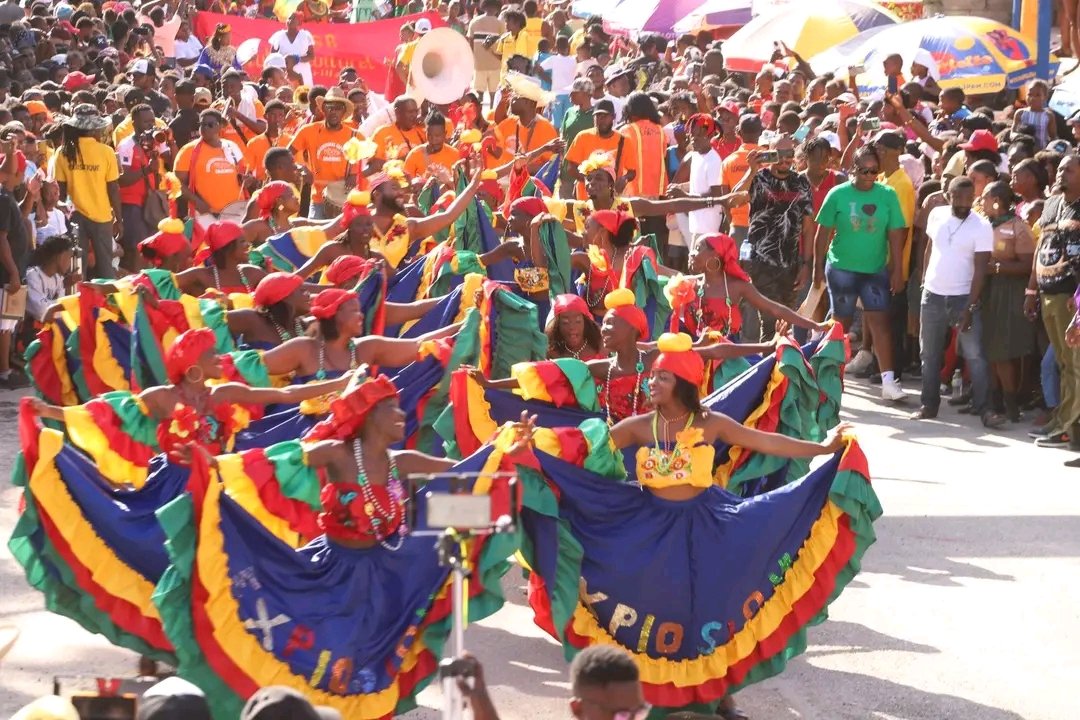
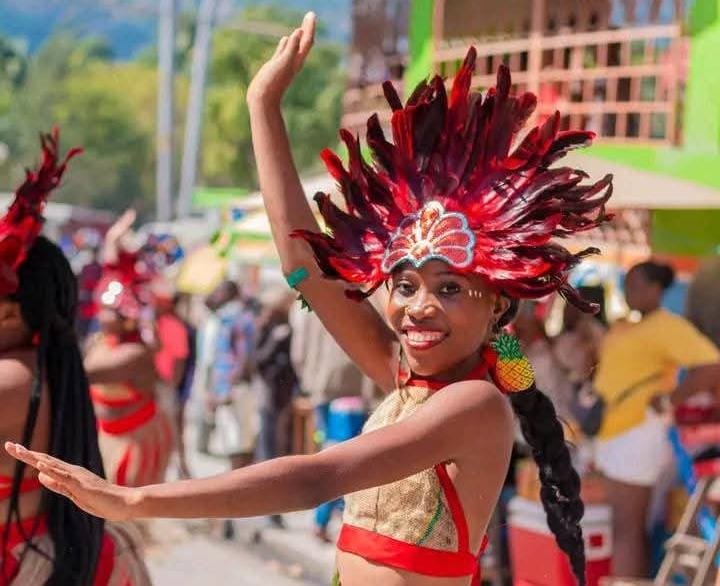
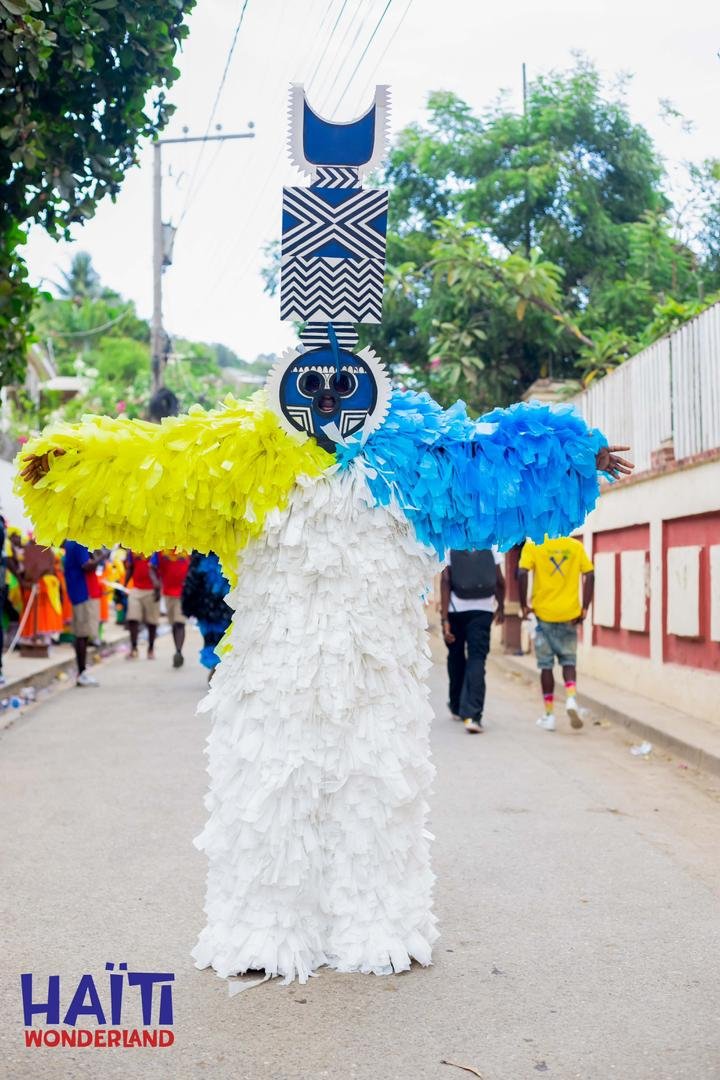
Haiti, pearl of the Antilles, is a multifaceted country where vibrant culture is manifested through its captivating music and dances. Let’s dive into the sound and choreographic world of Haiti, exploring the catchy rhythms, captivating melodies and graceful movements that captivate souls around the world.
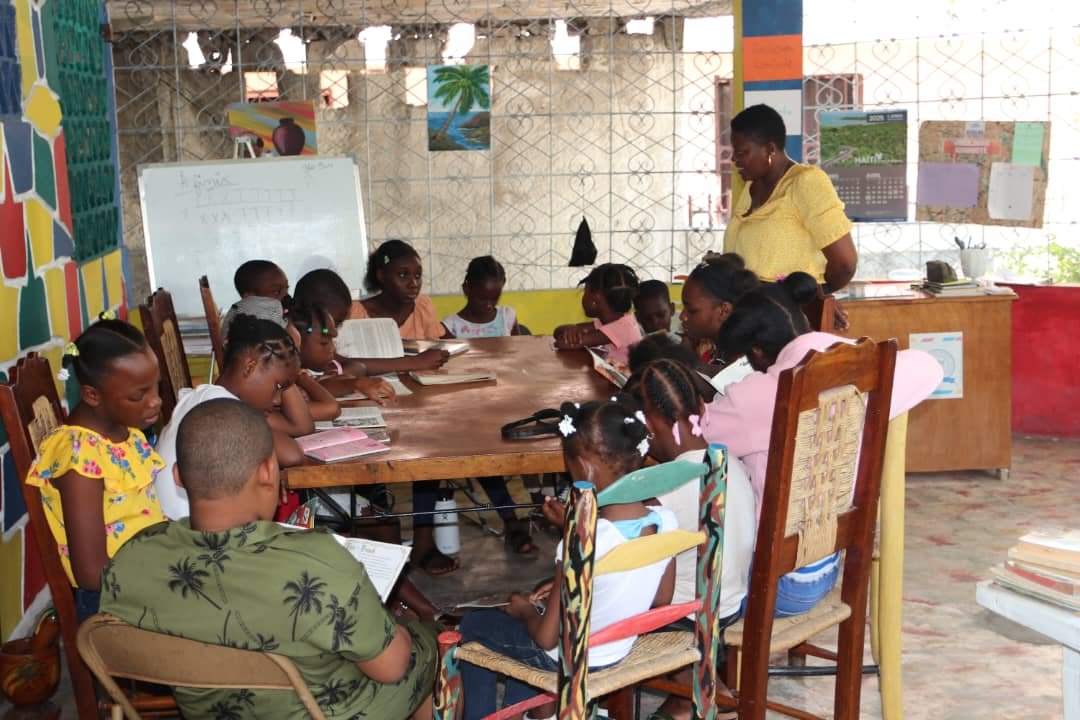
After "No to violence", the theme of the previous edition, "I read, I grow" is the theme around which the 18th edition of Week-end Poétique will take place, scheduled for January 31, 2025 at Carrefour. As a special guest, this edition will welcome Jean-Rony Charles, author of Pitié, a short story that, in its depth, focuses on the human condition, in particular the precarious life situations that many people face on a daily basis. Exhibitions, workshops, performances and book signings are among the various activities on the program for this 18th edition. The Week-end Poétique is not only a relaxing activity, but a real space for engagement, offering activities that have a direct impact on the Carrefour community. Events of a social, cultural, artistic, literary, etc. nature constitute its heart and contribute to enriching local life.
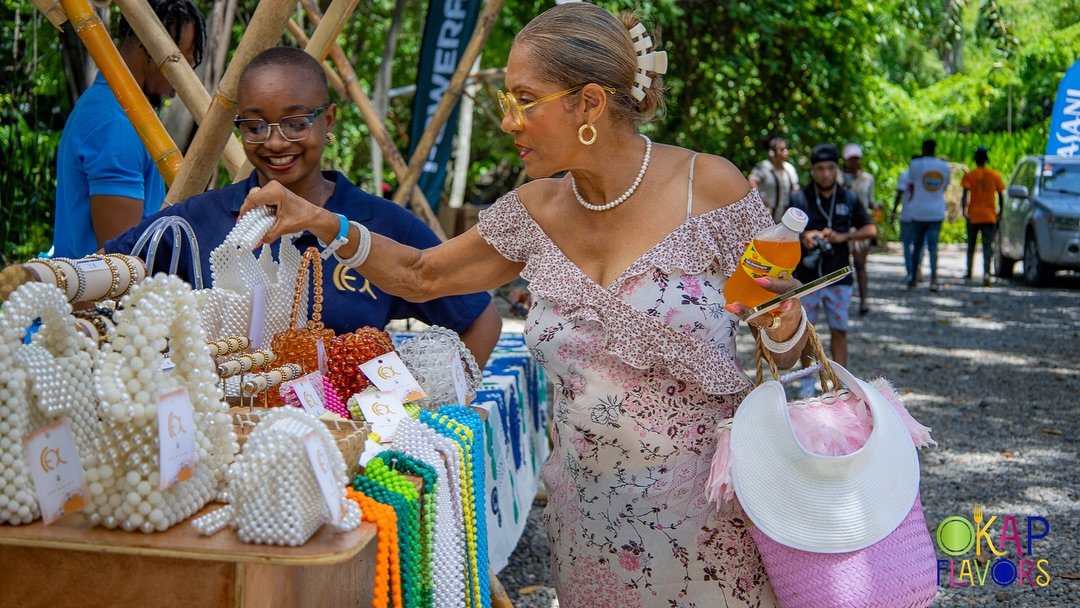
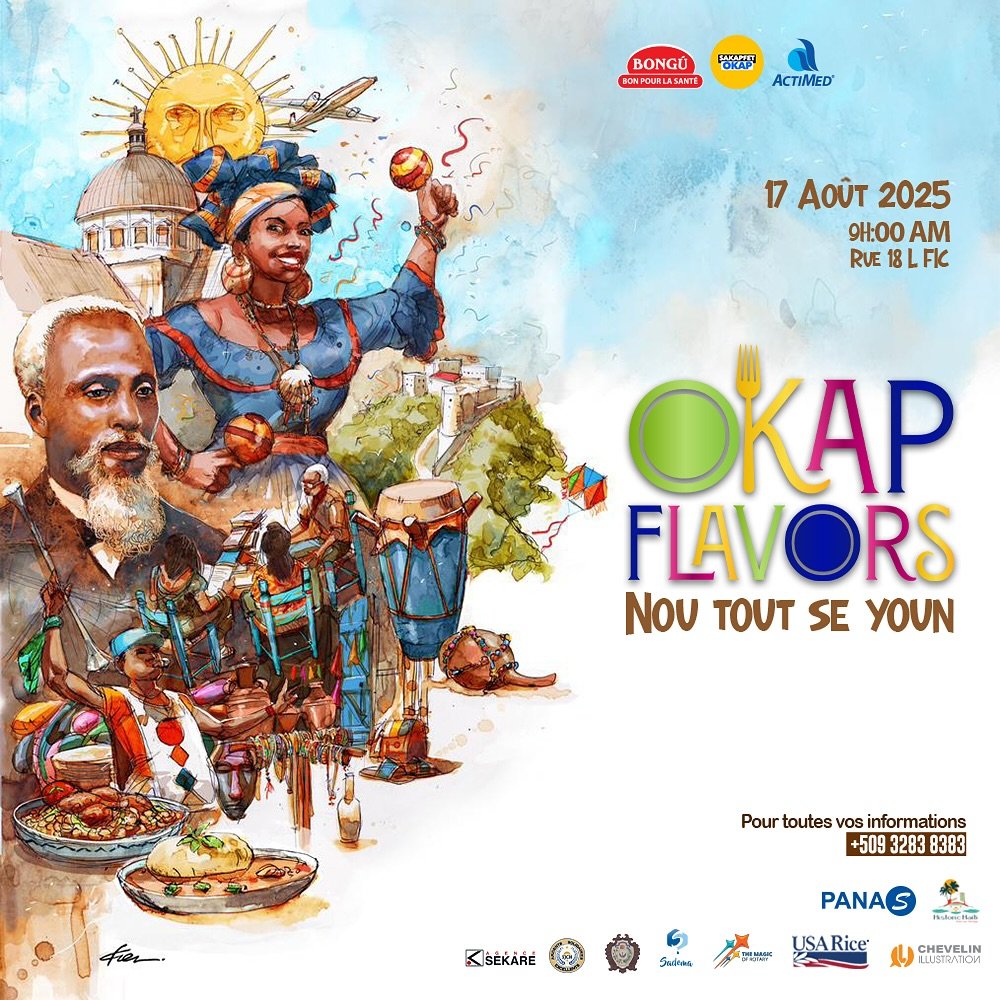
Cap-Haïtien is about to vibrate to the rhythm of innovation, creativity, and Haitian gastronomy! The 3rd edition of OKAP Flavors, organized by Sakapfet OKAP, will be held on Saturday, August 17, 2025, at the Foyer d’Initiative et de Créativité (FIC), known as Kay Frè a, rue 18L in Cap-Haïtien. This flagship event highlights local entrepreneurship, the cultural and culinary richness of the Grand Nord region, while creating economic opportunities for the region.
Kwen Pawòl Lib is preparing to start the new year in style. The nineteenth exit, the first of the year, is scheduled for this Thursday, January 9, 2025 at 4:30 p.m. at Caroline Bar, Mon Repos 38, Carrefour. This socio-cultural initiative, which aims to bring together people of all ages, offers a space for dialogue where participants can exchange and reflect on societal, environmental, etc. topics and issues. For this edition, Kwen Pawòl Lib will have the honor of welcoming a distinguished speaker: Gutenberg Destin. A psychologist by training, Gutenberg Destin is one of the instigators of Ribanbèl Timoun, a space dedicated to the well-being and relaxation of children. Sensitized to environmental issues, he is currently pursuing studies in geography at the University Institute of Sciences and leads numerous training courses for national and international institutions, including UNESCO, on risk and disaster management. Alongside Jean Rony Charles, who will moderate this 19th issue, the discussion will focus on the theme: "Natural disasters do not exist...". This meeting promises to be rich and essential, especially in a context where Haïti is among the most vulnerable countries facing environmental challenges. Come in large numbers! Author: Estriplet Millor Restitution of the content creation workshop: Carrefour, behind the scenes.
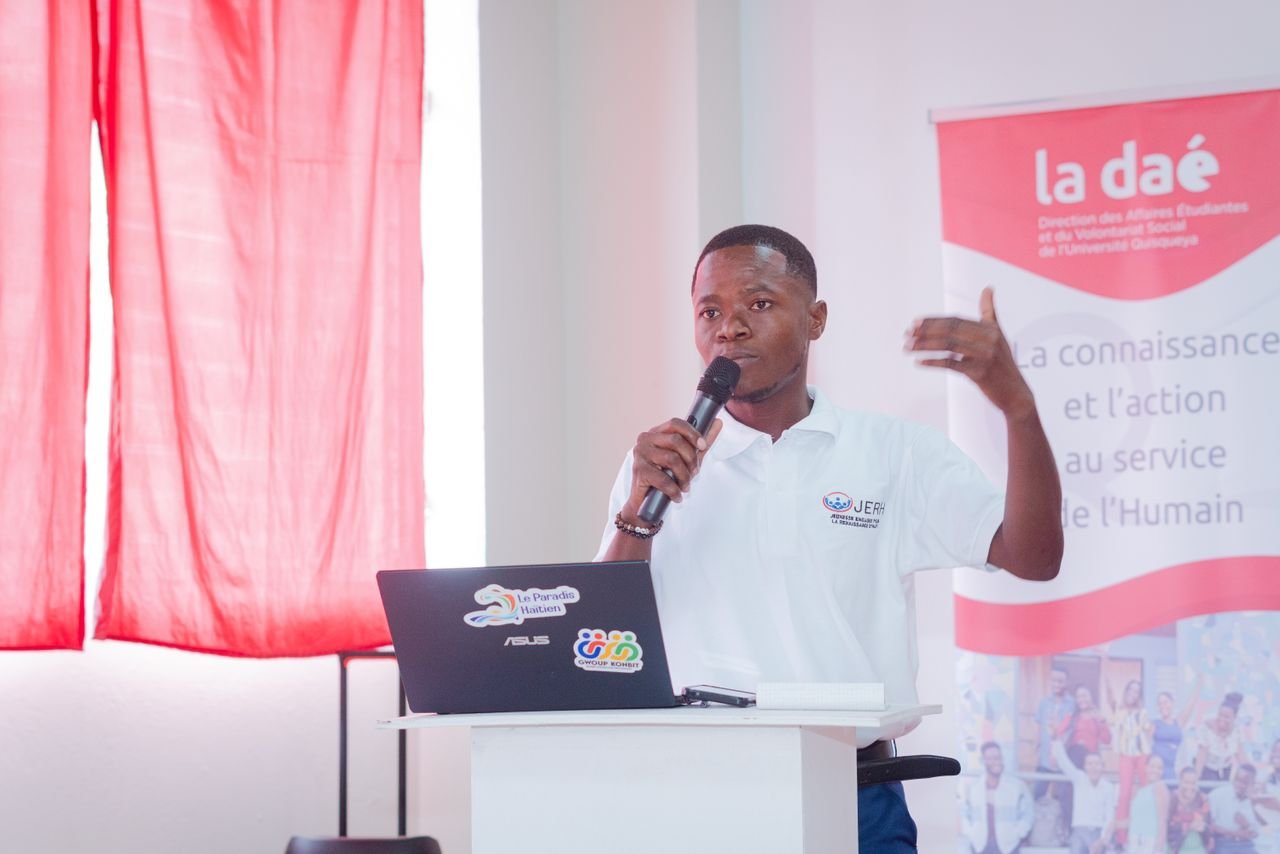
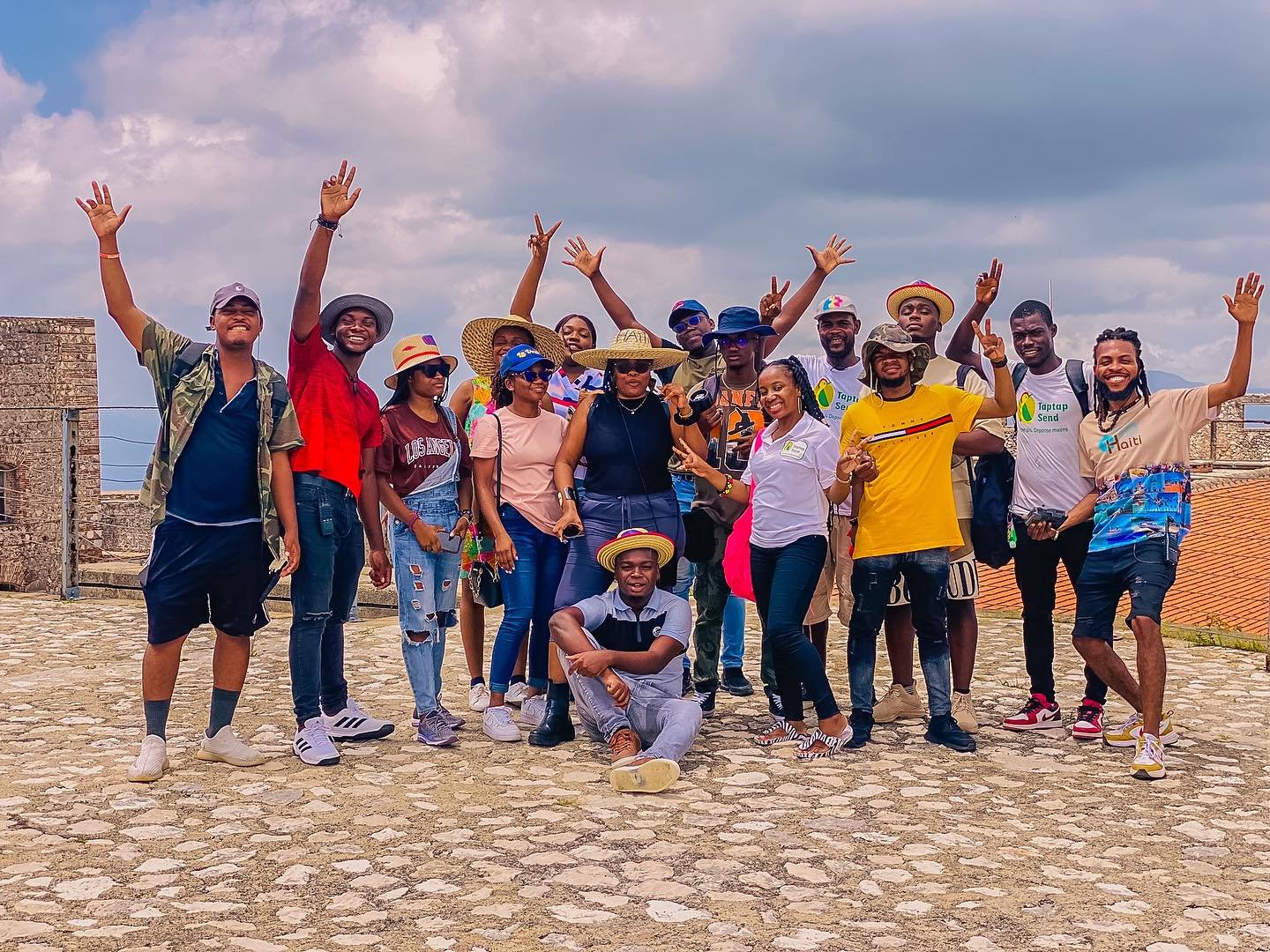
Le Paradis Haitien, a passionate community operating in the fields of tourism, history and heritage, has given itself the noble mission of discovering, knowing and promoting Haiti. This initiative goes well beyond simple tourism, as it aims to strengthen the connection between Haitians, whether they reside in Haïti or abroad, and their country, by offering unique and meaningful experiences. b~The Haitian Paradise Mission~b The mission of Paradis Haitien is clear and inspiring. It’s about reconnecting and connecting every Haitian, wherever they are, with their country in a way that transcends the usual clichés. They aspire to create a sense of belonging by offering unparalleled experiences that showcase the cultural richness and diversity of Haiti. By building and strengthening the “Haitian Narrative,” Haitian Paradise seeks to ensure that each individual reappropriates, defends and acts responsibly for the well-being and development of the country.
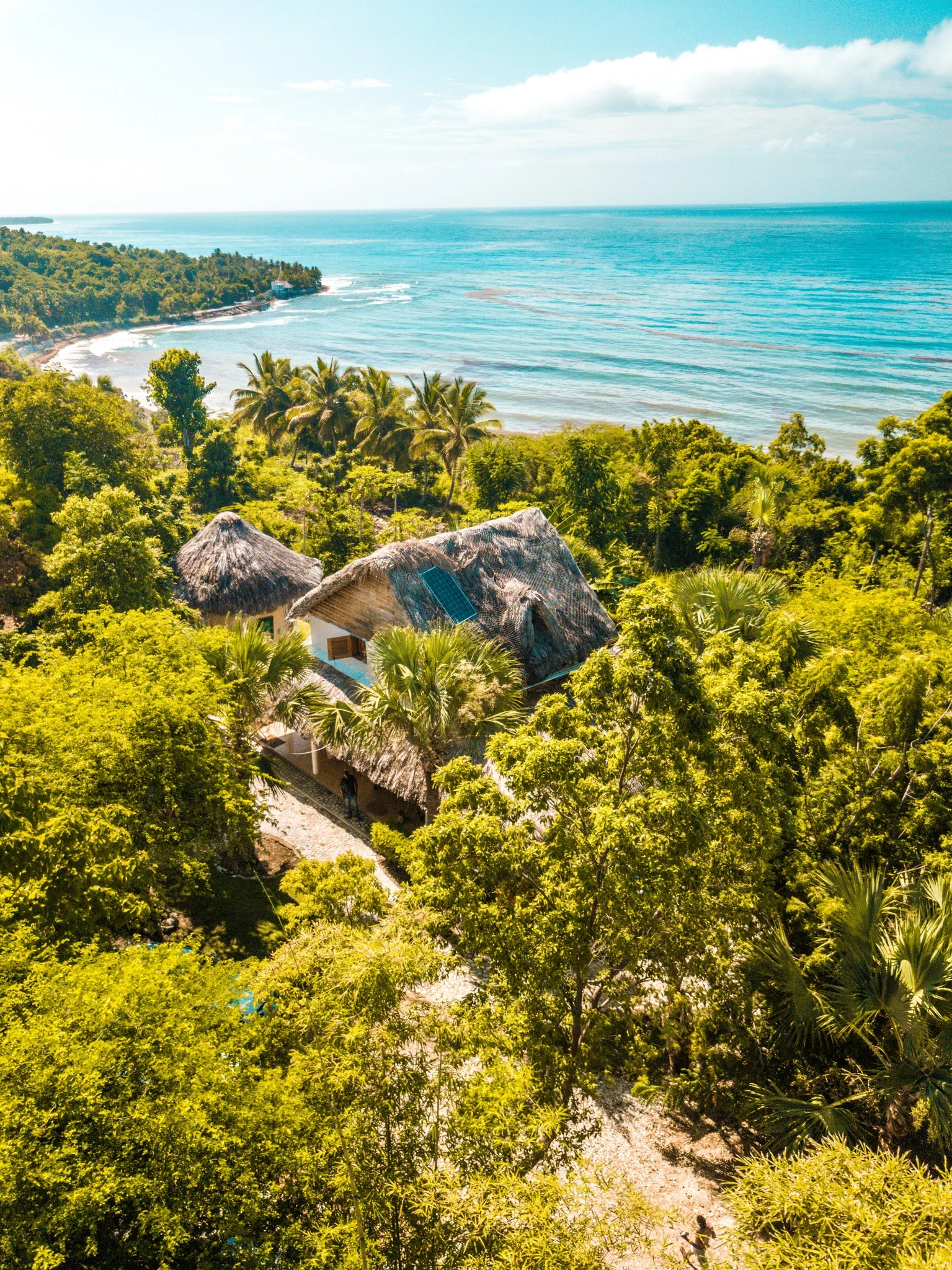
Nestled in the heart of the Caribbean Sea, the Republic of Haïti reveals its unique charms, proudly blending its rich historical heritage with breathtaking tropical nature. This majestic island, cradle of the first independent black republic, continues today to embody the resilience and spirit of freedom that shaped its unique destiny.
Haiti, a Caribbean republic with a rich historical past, is divided into ten departments comprising 140 communes. Its history dates back to pre-Columbian times with the Tainos, followed by European colonization and a historic rebellion against slavery and colonial rule, culminating in its independence in 1804. Despite its current challenges, Haïti offers remarkable natural beauty with its beaches, its mountains and its cultural diversity. Among its municipalities, some stand out for their charm and history. Here is a selection of five of the most remarkable communes in Haiti, inviting you to discover its hidden treasures.
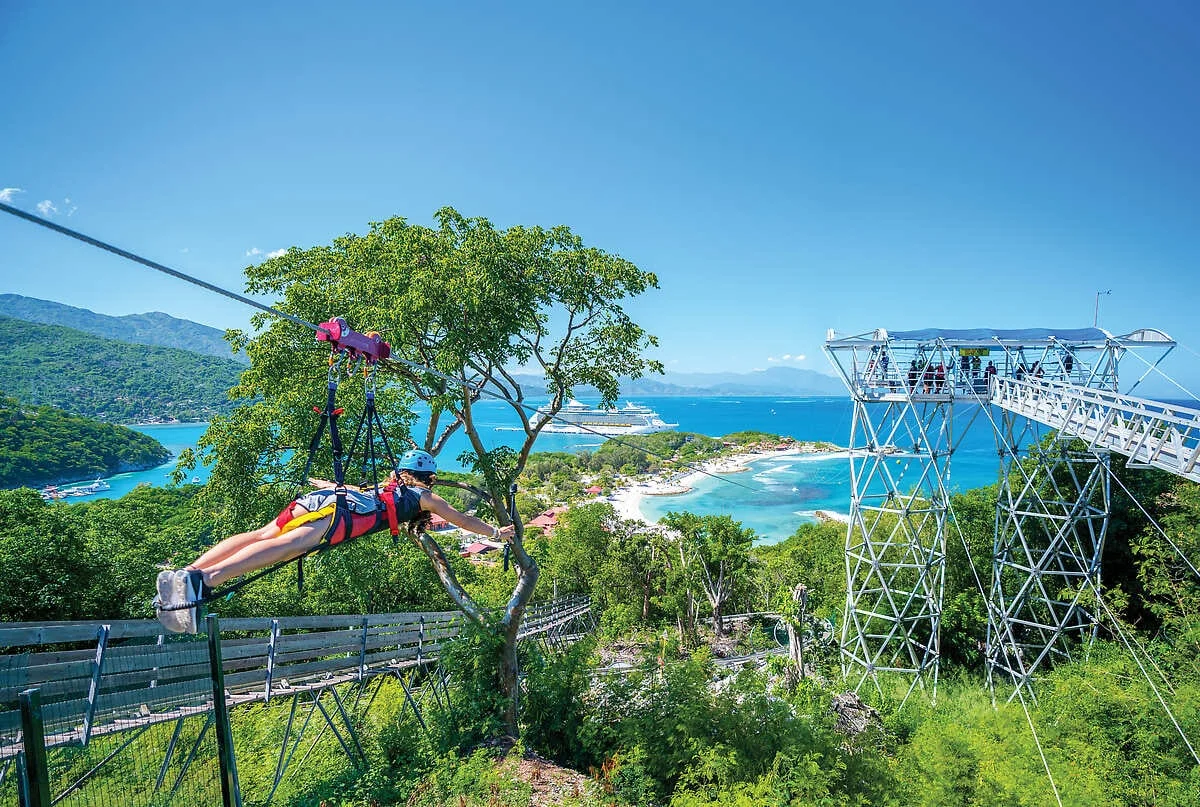
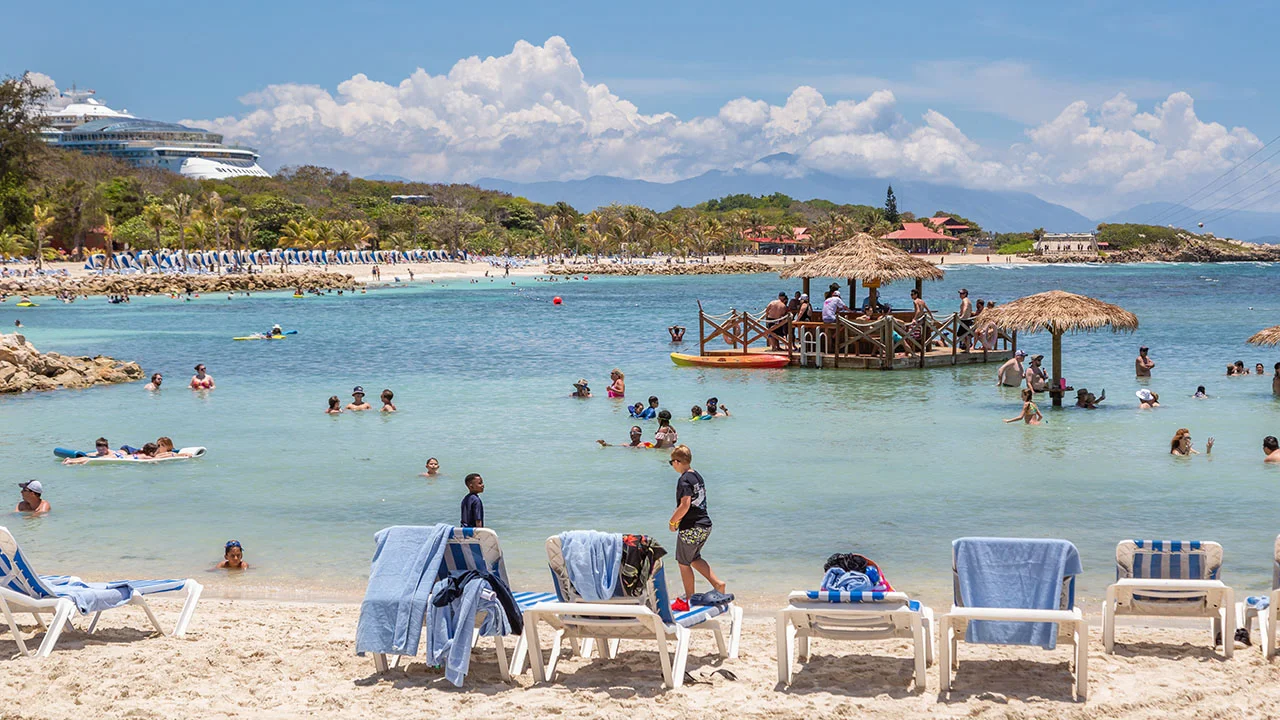
Haiti, this Caribbean island with a rich historical past and generous nature, reveals one of its most precious treasures: Labadee. Nestled less than 10 km northwest of Cap-Haitien, Labadee stands like a seaside pearl, offering its visitors an exquisite experience combining relaxation, adventure and cultural discovery.
Haiti, a Caribbean island, is full of natural and cultural treasures just waiting to be discovered. From majestic mountains to white-sand beaches to fascinating historical remains, Haïti offers a variety of attractions that captivate travelers from around the world. Here is an overview of the main attractions not to be missed during your stay in Haiti:
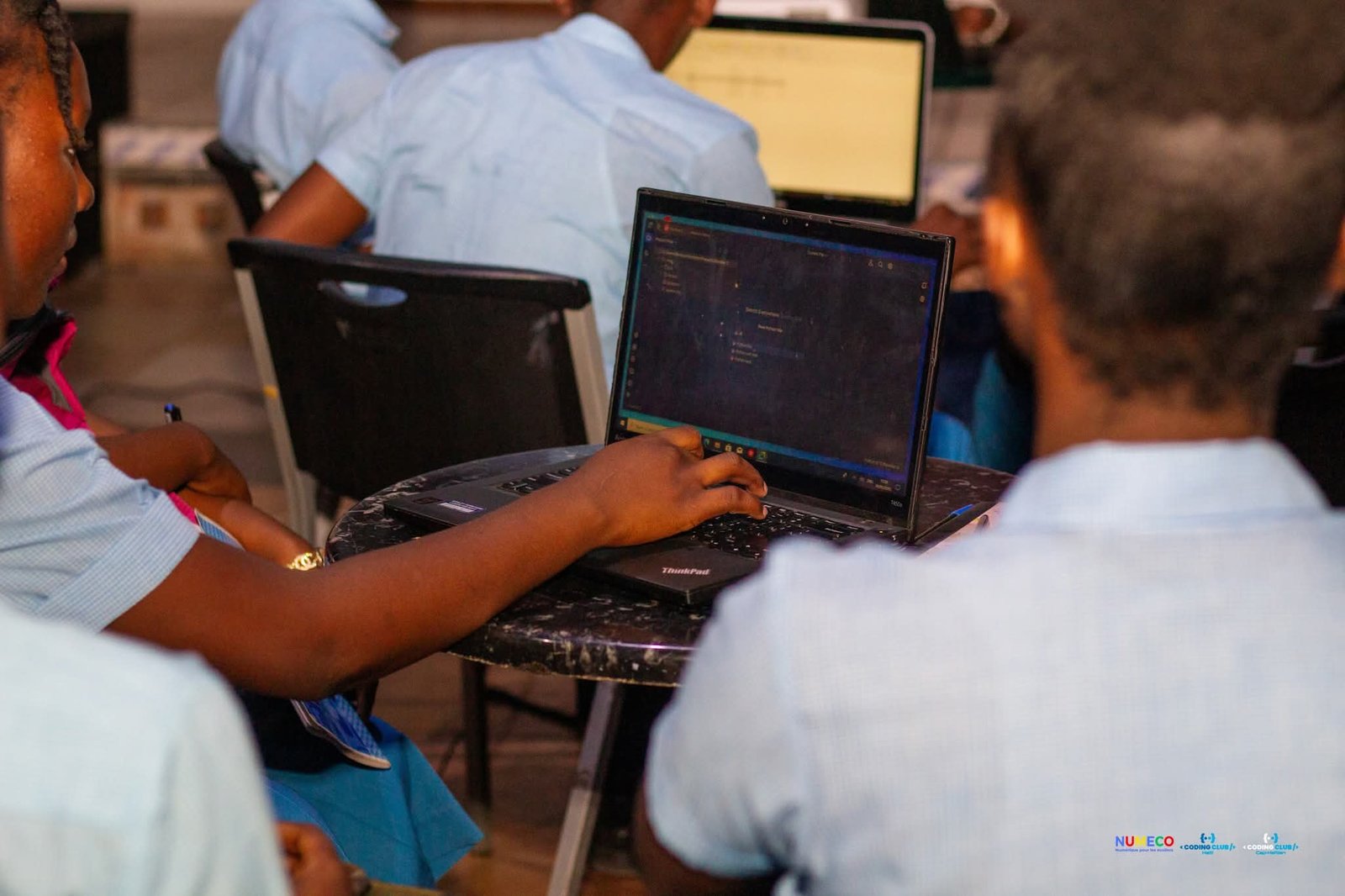
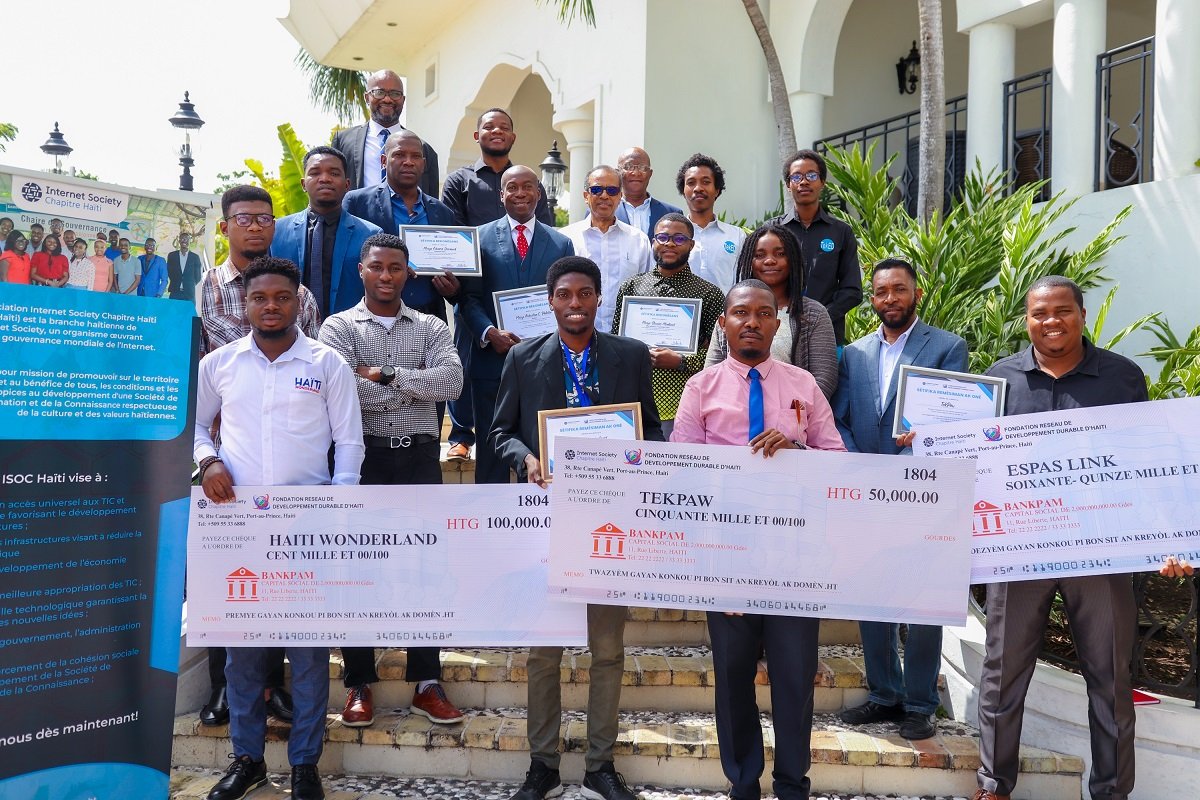
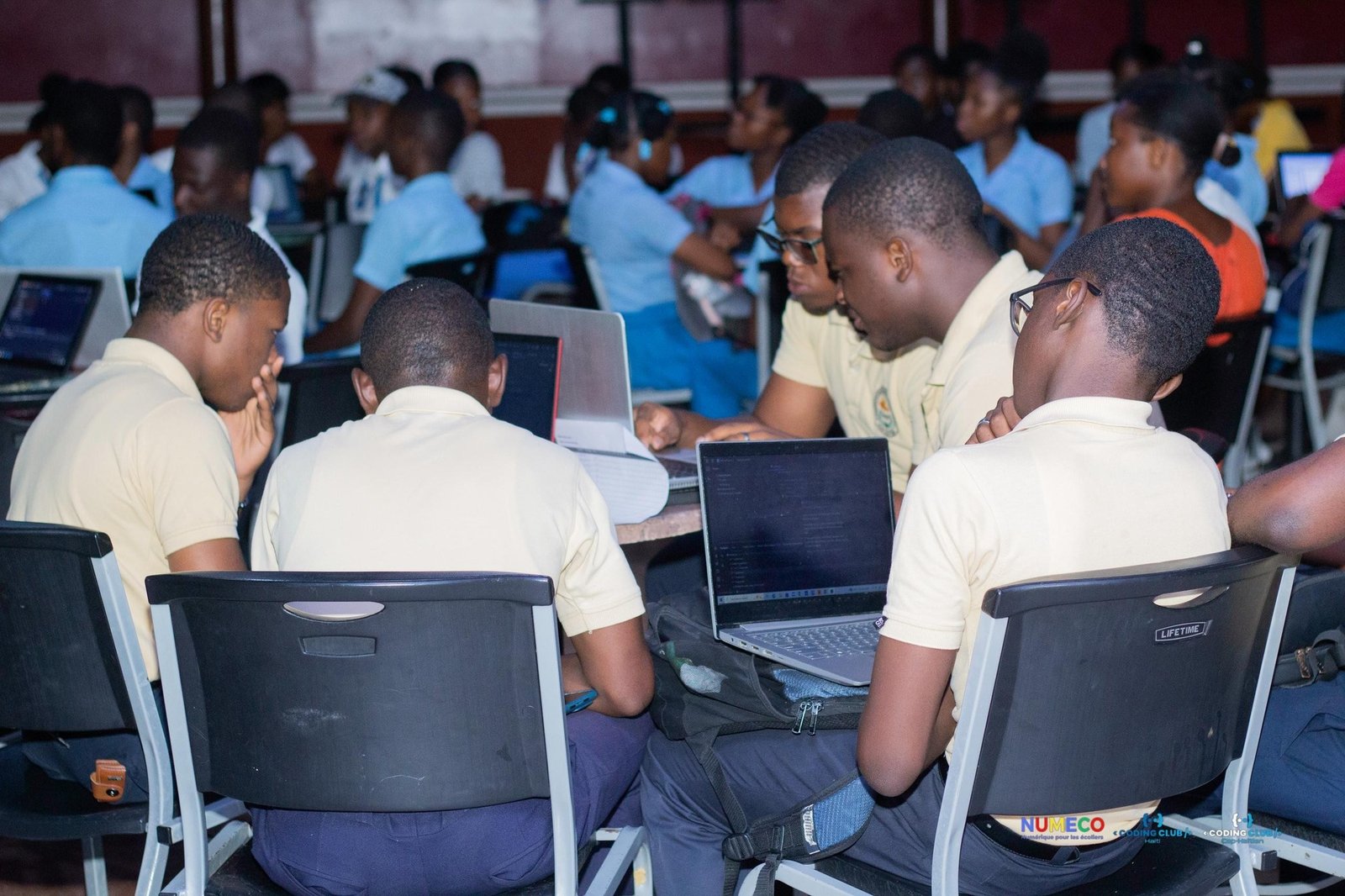
On February 2, 2025, a new initiative promoting women’s empowerment was launched with the launch of a digital skills training program, led by BIZNISLIFE and UHDES (Haitian Emergency for Economic and Social Development). This ambitious project aims to train and support 50 young women from the Nippes department in the digital world, offering them a gateway to promising professional opportunities.
Haiti, a captivating Caribbean island, is a tropical paradise often overlooked by travelers. Between white sand beaches, mountainous landscapes, vibrant culture and fascinating history, this island gem offers a unique and unforgettable experience. If you are looking for an authentic destination, off the beaten track, Haïti is the perfect place for an adventure rich in discoveries. Here is why Haïti deserves its place among the most beautiful places to explore.

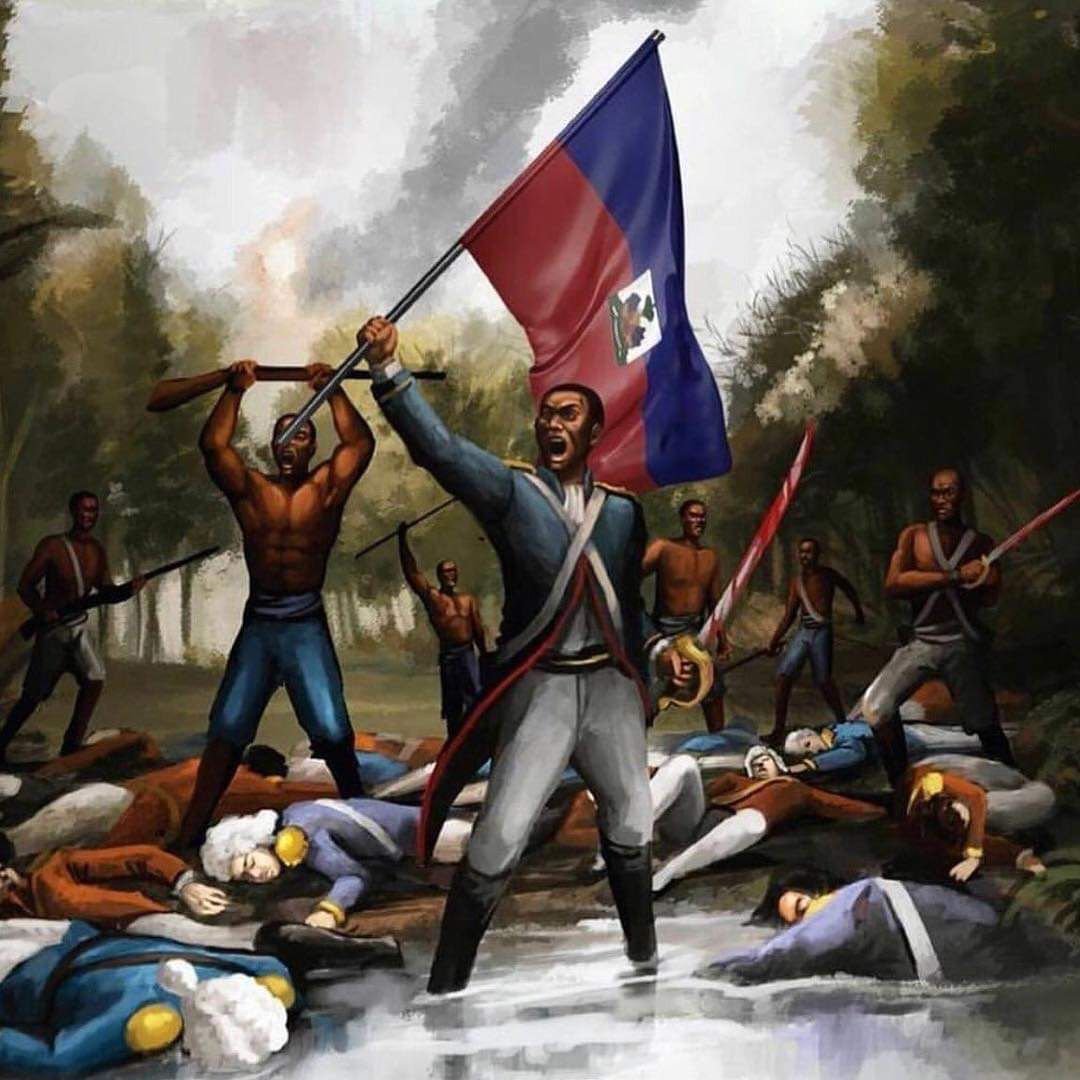
First black nation to free itself from slavery and gain independence from France in 1804 and influenced other liberation movements around the world, inspiring struggles for freedom and equality.

Haïti is blessed with spectacular natural landscapes, including white sand beaches, mountains and rich biodiversity.

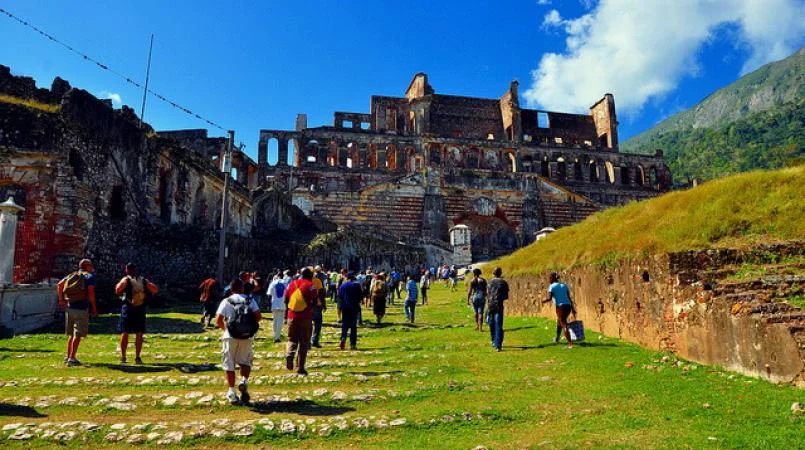
Haïti has a rich historical heritage, including sites like the Citadelle Laferrière and the Sans-Souci Palace, listed as UNESCO World Heritage Sites.

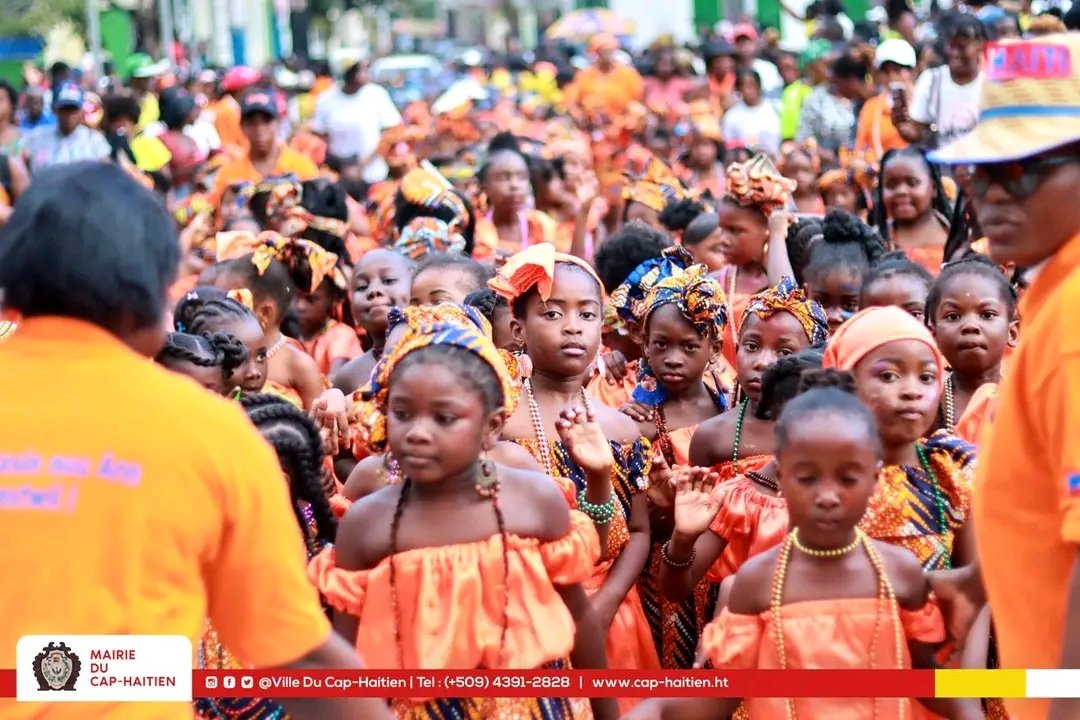
Haïti has a rich and diverse culture, influenced by African, European and indigenous elements. Haitian music, dance, art and cuisine are celebrated around the world.