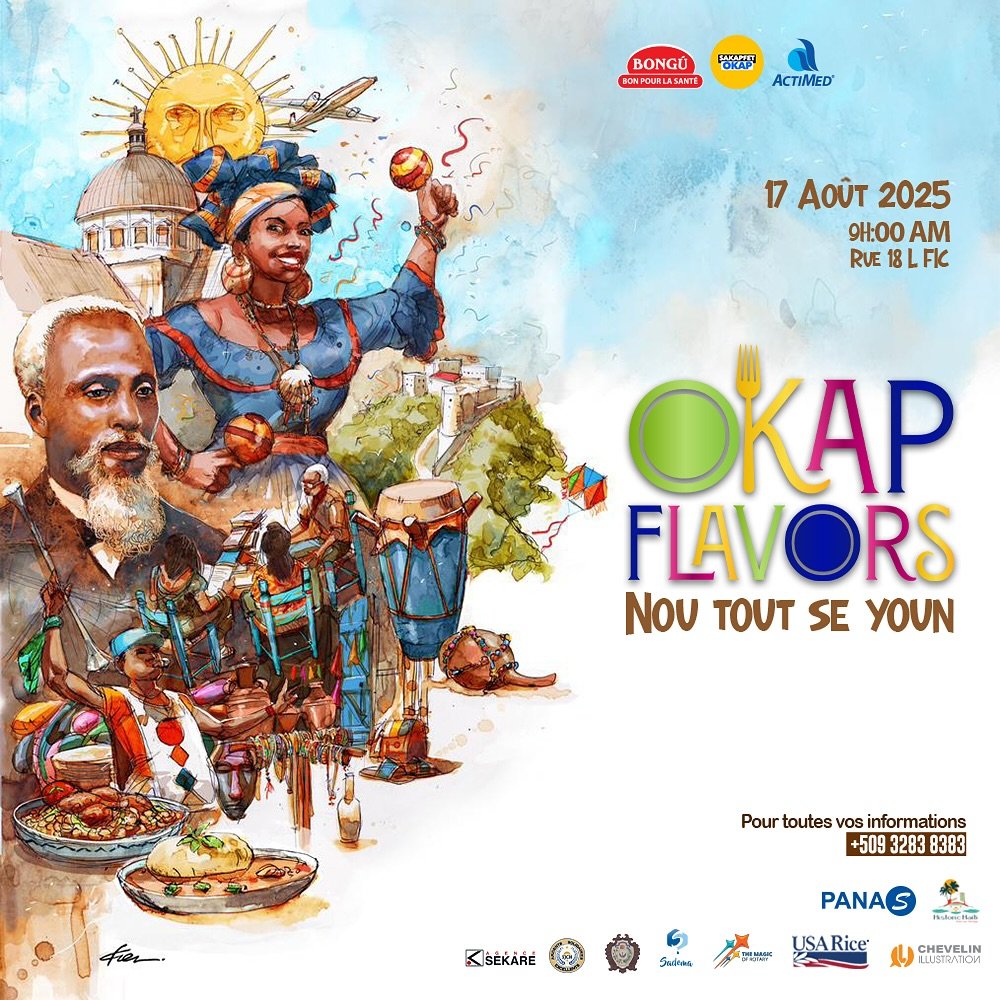
Quick and easy recipe for Haitian calalou sauce
Do you like calalou? How would you rate your calalou sauce out of 10? And when was the last time you had a good calalou?

Haiti’s national motto, “Strength in Unity,” is emblazoned on the Haitian flag and is an integral part of the country’s identity. But what does this phrase really mean to Haïti and why is it so important? This article explores the historical, cultural, and symbolic significance of this motto, which embodies the Haitian spirit of solidarity and resilience.
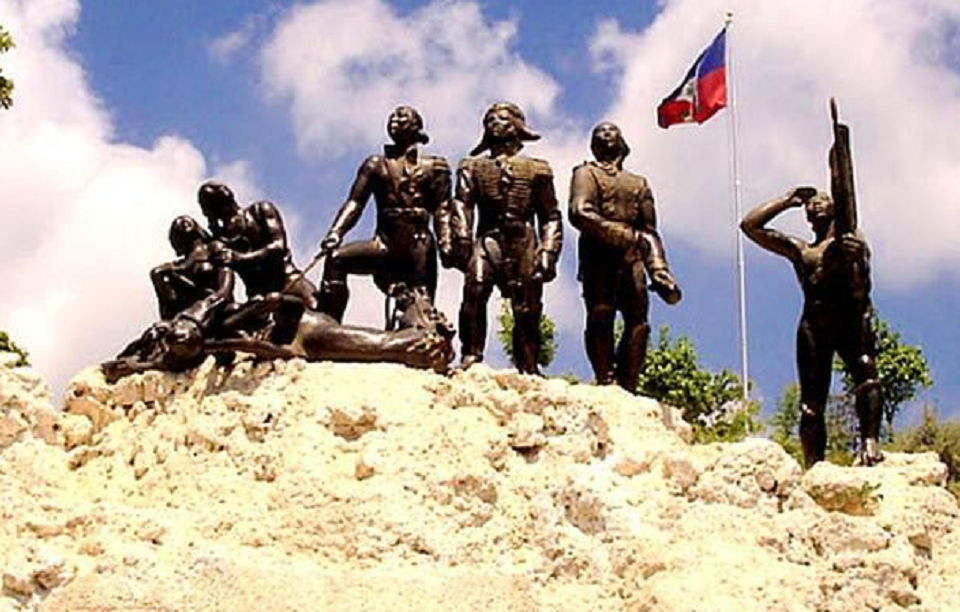
Several centuries ago, in the heart of the Atlantic Ocean, an island of captivating beauty and incredible wealth, called Hispaniola, attracted the attention of the world’s powerful. Discovered by Christopher Columbus in 1492, the island became the center of covetousness. But the colonial powers did not yet know that the island concealed within it an indomitable people. The Tainos, the first inhabitants, resisted the invader with the spirit of freedom. They were crushed, but their untamed spirits persisted in the wind, in the earth, and, much later, in the dreams of the African slaves who would come. Centuries pass and, under the merciless yoke of the French colonists, the island is transformed into a vast field of sugar cane, cultivated by the hands of slaves from Africa. These men and women, deported against their will, carry within them the hope of one day freeing themselves, of breaking the chains of oppression. And it is this dream, this sacred fire, which will burst forth in a revolt so great that it will mark the history of the world forever.
In 1804, Haïti emerged from the flames of revolution as the world’s first independent black republic, but its freedom would come at a steep price. France, a former colonial power, orchestrated an unprecedented economic revenge, weaving a web of exploitation and injustice that would hamper Haiti’s development for generations. This toxic relationship, marked by extortion and violence, not only shaped the destiny of one nation but also filled the coffers of another, leaving deep scars that persist to this day. Immerse yourself in this story, a gripping tale of colonial greed and resilience, which reminds us of the importance of never forgetting the injustices of the past and their lasting impact on our world today.
Haiti, a Caribbean island of great historical significance, is known for being the world’s first free black republic. His tumultuous journey, punctuated by revolts, struggles for freedom and independence, left an indelible mark in the annals of world history.
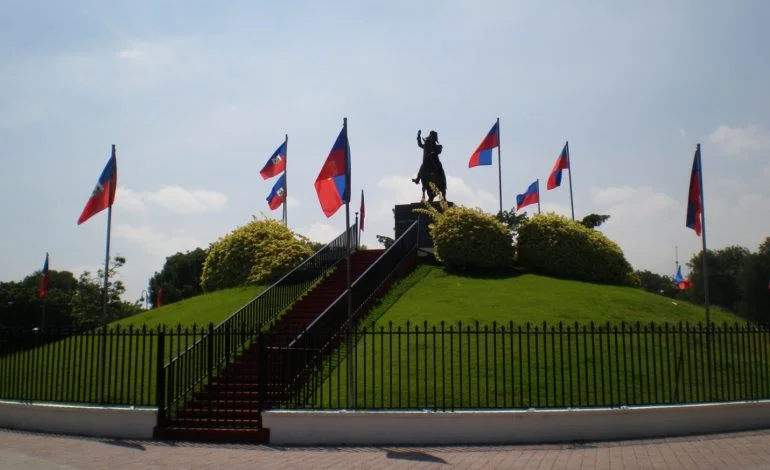
January 1 is an emblematic date for Haiti, marking not only the start of the new year but above all the commemoration of the country’s independence. In 1804, after a fierce struggle against French colonial rule, Haïti became the world’s first independent black republic. This day is celebrated with pride and fervor across the country, combining tradition, history and culture.
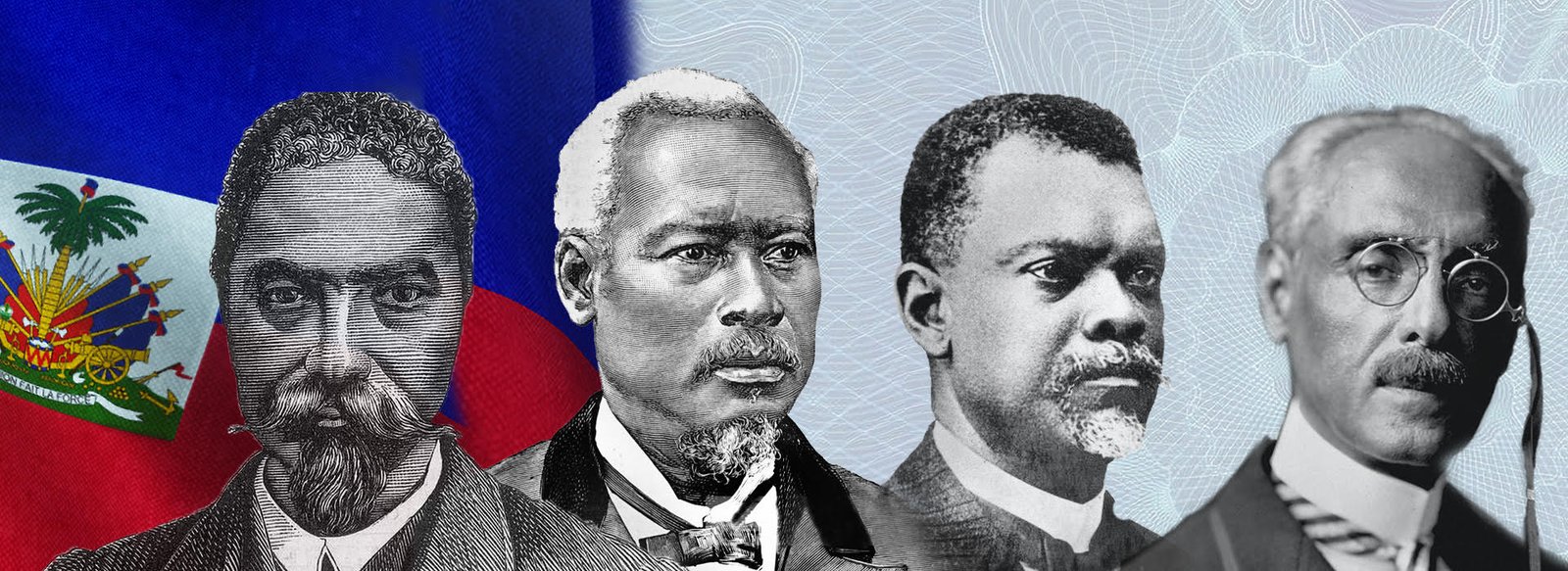
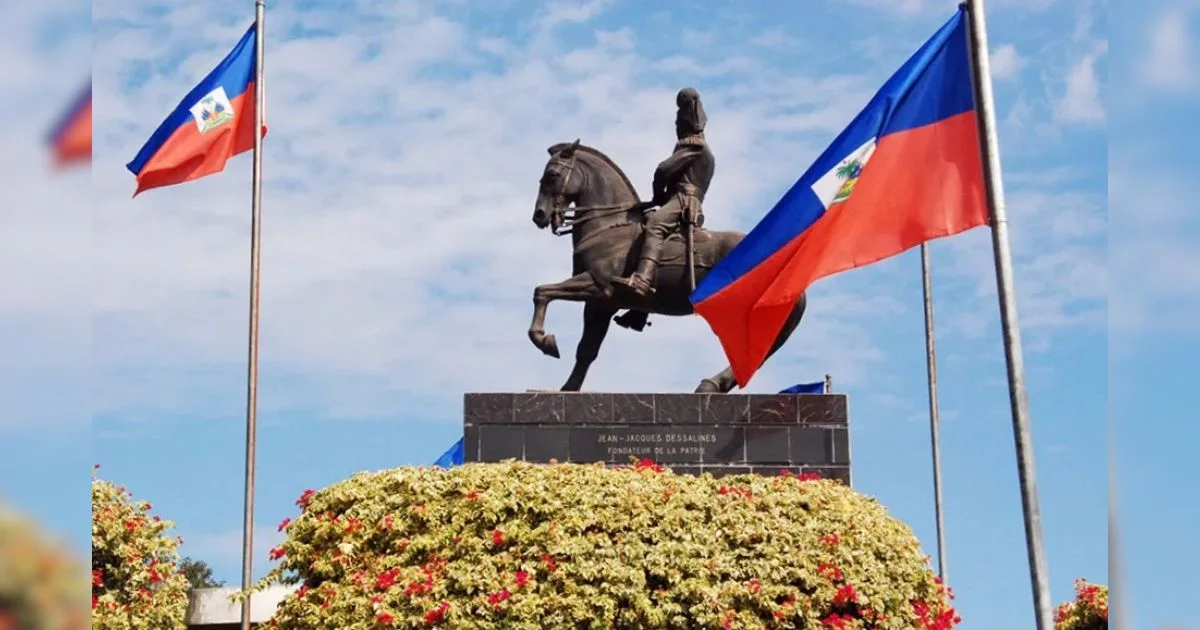
Between dream and Haitian reality: A call for unity and action Many men have dreamed big for Haiti. Toussaint Louverture and Jean Jacques Dessalines are examples. Although torn apart by invisible hands, the social fabric of the country had always been considered the greatest project to be set in motion by men of letters. Until then, the history of Haïti remains and remains for Haitians the most appropriate space to dream and propose full and complete freedom. Indeed, Toussaint Louverture had the dream of improving the lot of slaves. Dessalines, for his part, sacrificed himself for the independence of our island (Haiti-Saint-Domingue). After our liberation from the French, men of letters had to take other paths to safeguard the dignity of the country. This situation showed another form of revolution like poets of the patriotism school with supporters such as: Louis Joseph Janvier, Anténor Firmin, Demesvar Délorme and the Generation of the Round with Fernand Hibbert, Georges Sylvain also the indigenous school with Jean Price Mars, Jacques Stephen Alexis, Roussan Camille etc... who express their discontent by pouring ink. By describing or painting the situation of the country. Several years which were first conceived and then born the idea of giving the country its sovereignty, its own bicolor, its army, etc. it was not easy and did not continue like this. Haïti needs for the moment men of dreams, men who love their countries, but not the wealth of this country, men who love the happiness of their country, but not its misfortunes, men who have viable projects , but are not specialists in carnage who are only interested in their pockets, rather for the happiness of our two-tone, men who must fight against corruption, against waste, against the invisible hands of foreigners, against this form of public administration which targets only a small group of people in the country to the detriment of the population, this form of insecurity planned by the state, the so-called bourgeoisies, economic powers from abroad such as: France, USA, Canada, Brazil. q~Haïti in 1979 with full power. Maître Fevry is said to have declared: The dream of Haïti cannot support, nor accept improvised solutions ~q. The Haitian’s dream must always be a team effort. A team of men of skill, vision, good will, reflection and meditation. q~ Men who can place their personal and private interests over public interests. Men who want to make a new start to achieve the dream of Jean Jacques Dessalines and that of Henri Christophe who aimed that Haitians will not envy any other country in the world so that all Haitians can be happy in their own country, chanted Professor Lesly Saint Roc Manigat.~q Our dear Haiti, which was once the pearl of the Antilles, is no longer present today. For this we ask all Haitians: children, young people, adults and old people, let us unite our arms, our strength, our voices and all that we could do to liberate our dear homeland Haïti Chérie. Let’s change our reality together! Long live Haiti, long live freedom for the whole world.

We are all familiar with the words of this song: "Caonabo fut mis en prison à Isabella et quelques mois plus tard embarqué pour l’Espagne, il disparut en mer avec le bateau qui le portait...". But do you know the story of CAONABO, the first to defend the island?
Haiti, often reduced to alarming headlines about gang activity, is much more than that. It is a country whose history, natural riches and culture are deeply woven into the fabric of humanity. Although it faces challenges, there is so much to admire and celebrate in this Caribbean nation.
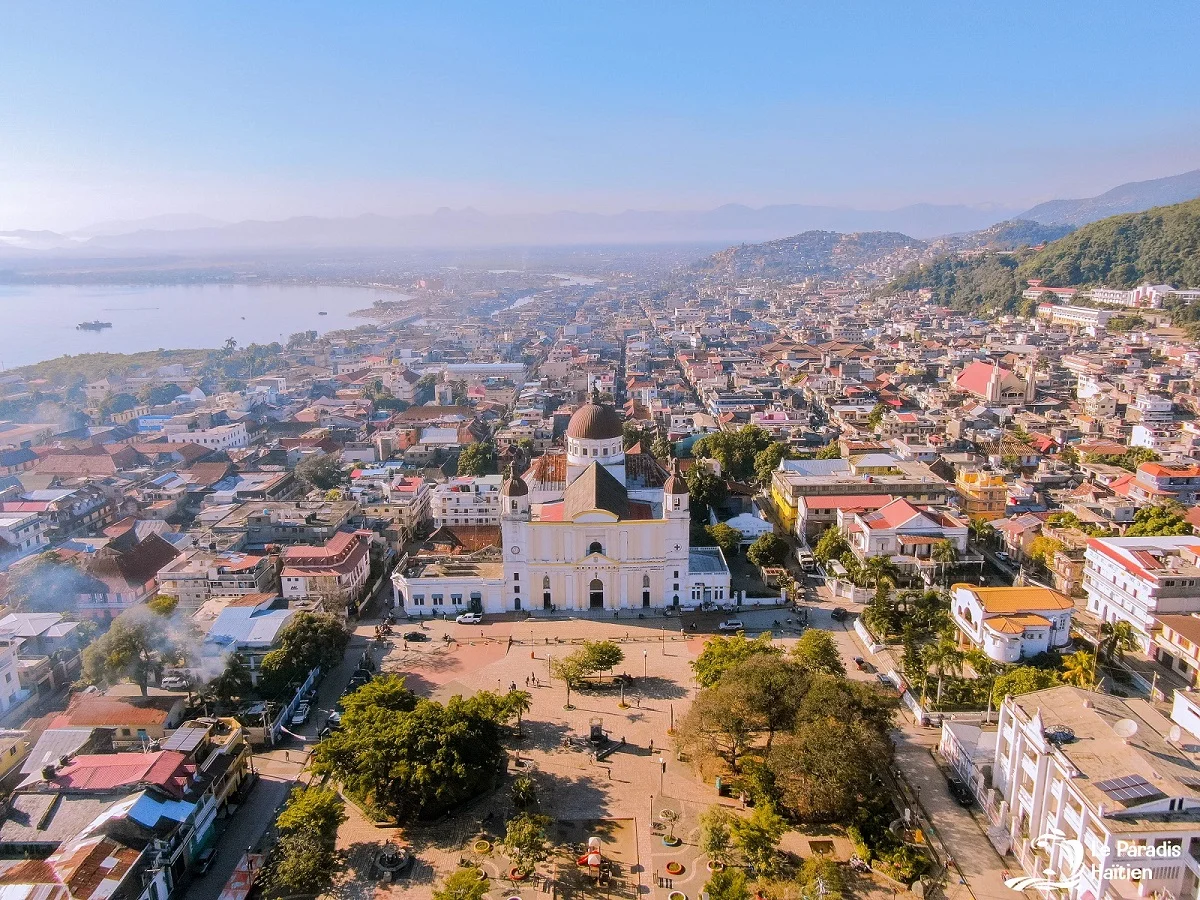
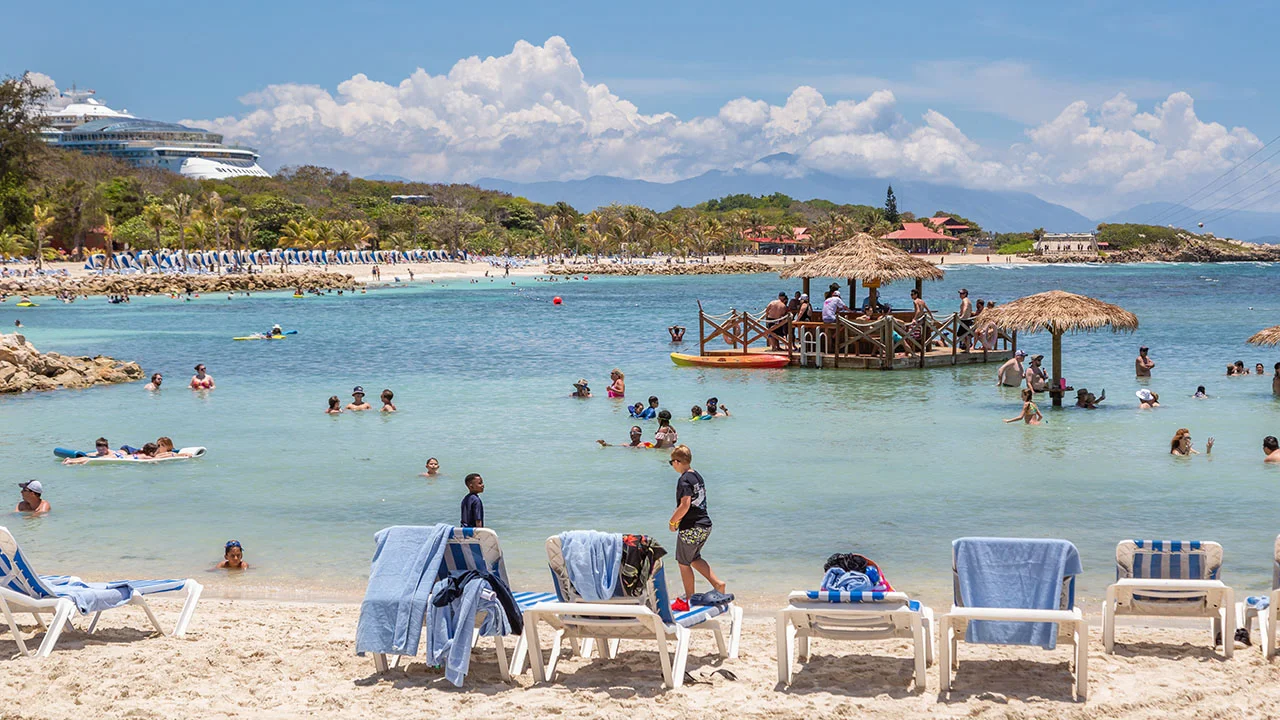
Haiti, often overlooked as a tourist destination, has a unique charm that seduces visitors in search of authenticity, history and breathtaking landscapes. With its heavenly beaches, rich historical heritage and vibrant culture, Haïti offers an unforgettable experience. Let’s dive together into the best that tourism in Haïti has to offer.
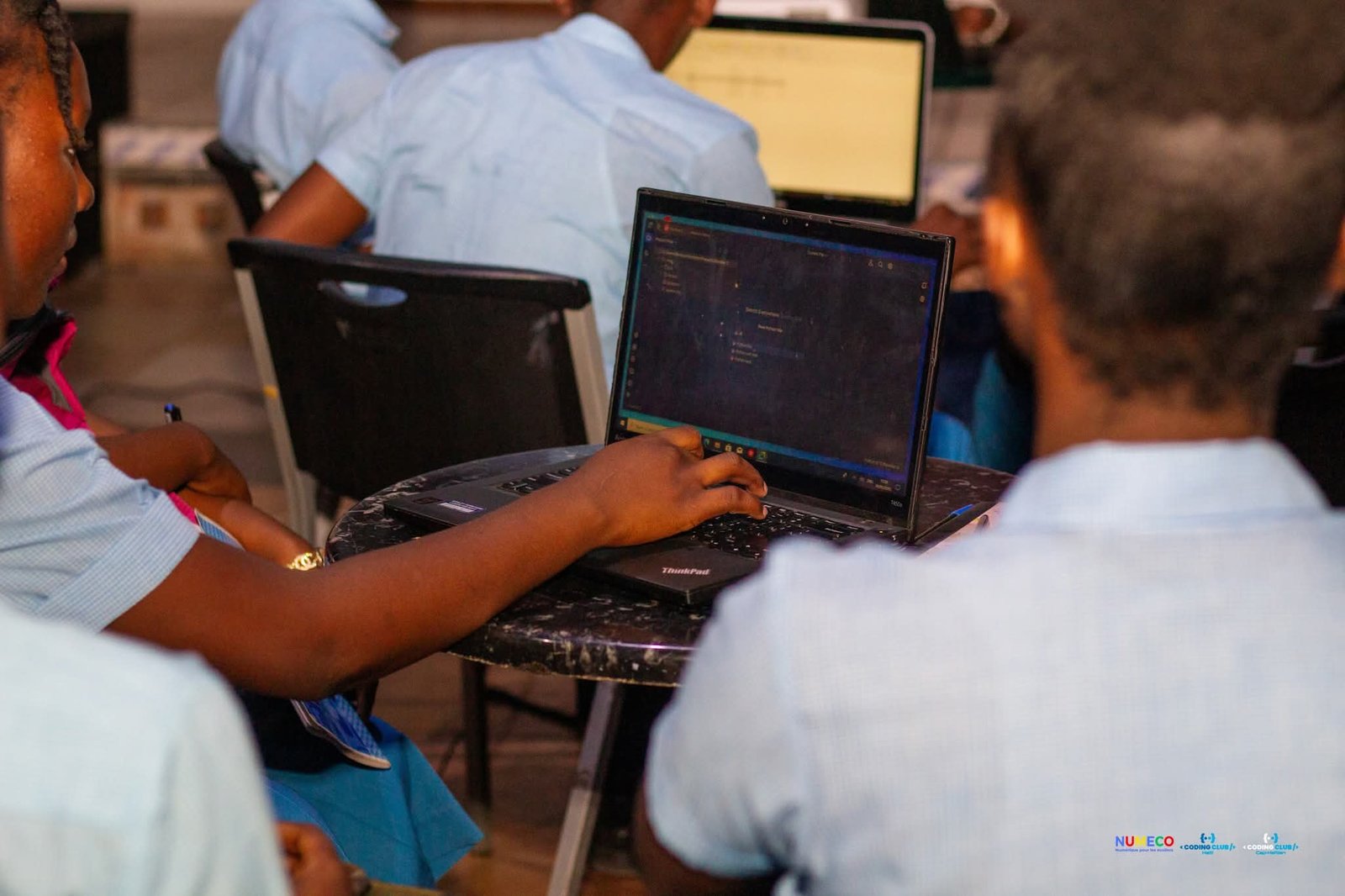
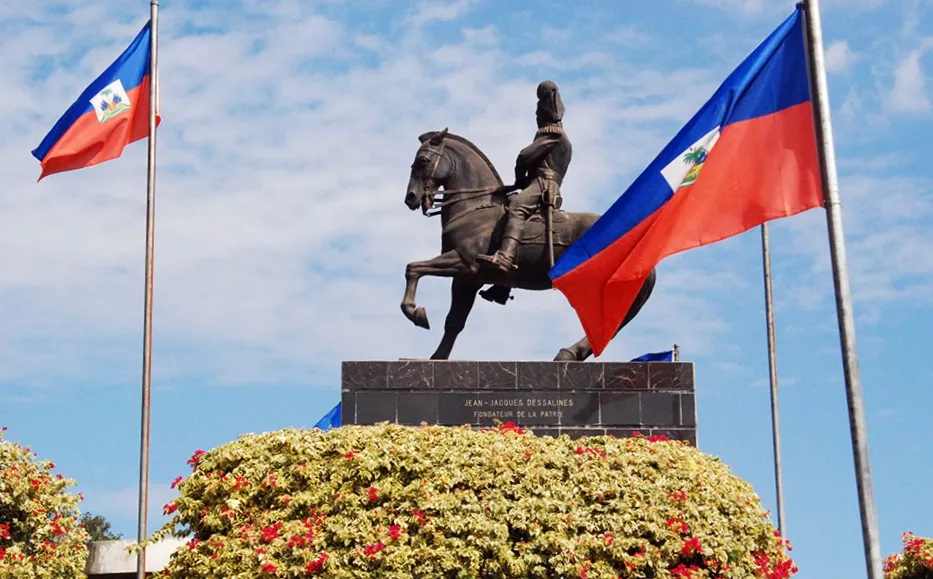
When we talk about the Caribbean, images of white sand beaches, turquoise waters and luxurious resorts often come to mind. But Haïti offers much more than a classic postcard. With its fascinating history, vibrant culture and breathtaking natural landscapes, Haïti stands out as a unique destination. Whether you are a culture vulture, nature enthusiast or curious foodie, Haïti is a treasure trove to explore. Discover why this country deserves a top spot on your travel list.
Time management in Haïti follows a practice shared by several countries: daylight saving time. Adopted for several decades, daylight saving time consists of moving the clocks forward by one hour for part of the year in order to maximize the use of daylight. This article explores how and why this measure is applied in Haiti, as well as its impact on the daily lives of Haitians.
The "love language" is a concept developed by Gary Chapman, which describes the different ways in which people express and receive love. There are five main love languages, including Gifts and Acts of Service. If you recognize yourself in these languages, here are the Top 5 Haitian dishes perfect for Valentine’s Day. Get ready to treat your partner on a special night!
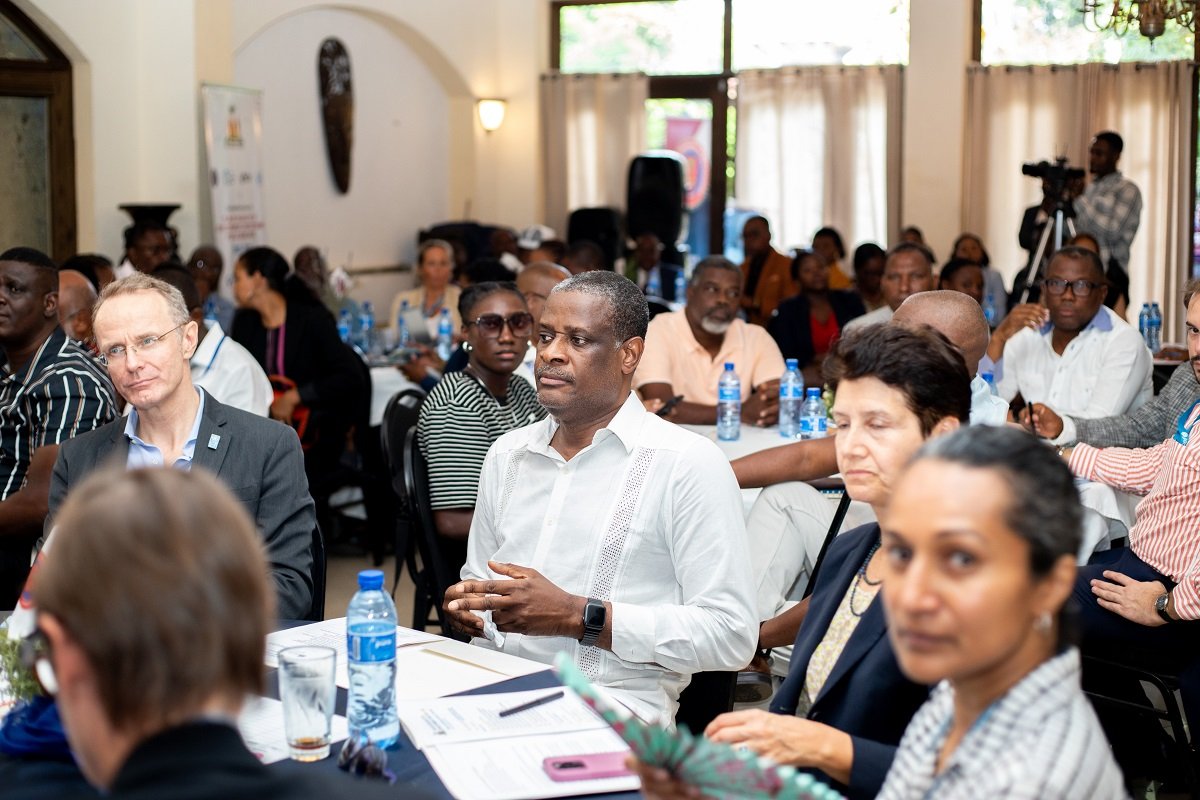
Local trade in Haiti, while rich in diversity and potential, faces numerous challenges, including the low visibility of local producers and the lack of adequate infrastructure for marketing their products. This includes the massive influx of products from foreign countries, which unfairly overwhelms the small Haitian market with very poor-quality products. It is in this context that Phanord Cabé, CEO of the online media Hebdo24, unveiled his ambitious project, "Mache Ayisyen." It is a digital platform dedicated to the promotion and sale of local Haitian products. Scheduled for launch in April 2025, Mache Ayisyen aims to connect Haitian producers and consumers through an online platform. The objective is clear: to encourage the consumption of local products while providing much-needed visibility to the country’s small businesses. By focusing on the growth of local commerce, this initiative could be a catalyst for boosting the Haitian economy.

First black nation to free itself from slavery and gain independence from France in 1804 and influenced other liberation movements around the world, inspiring struggles for freedom and equality.

Haïti is blessed with spectacular natural landscapes, including white sand beaches, mountains and rich biodiversity.

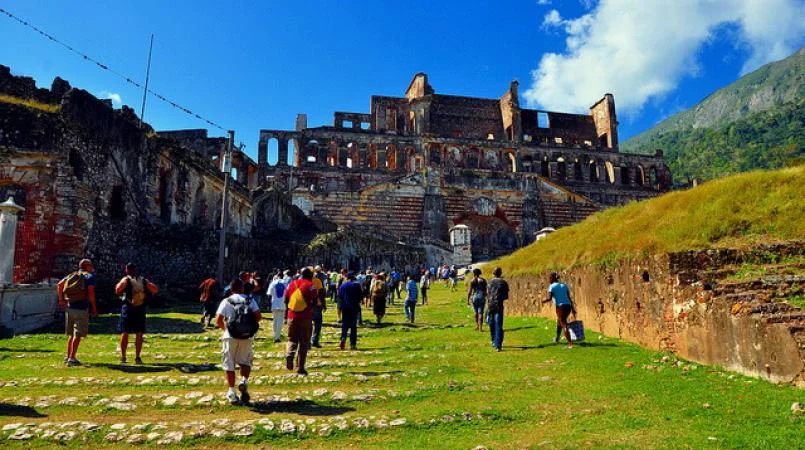
Haïti has a rich historical heritage, including sites like the Citadelle Laferrière and the Sans-Souci Palace, listed as UNESCO World Heritage Sites.

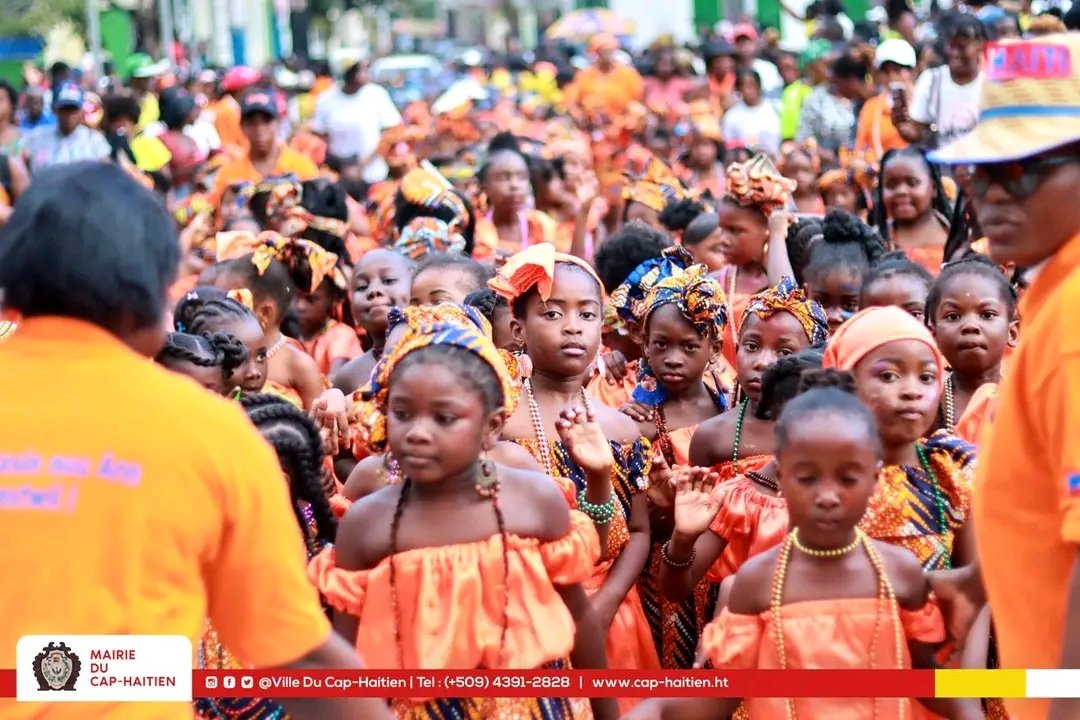
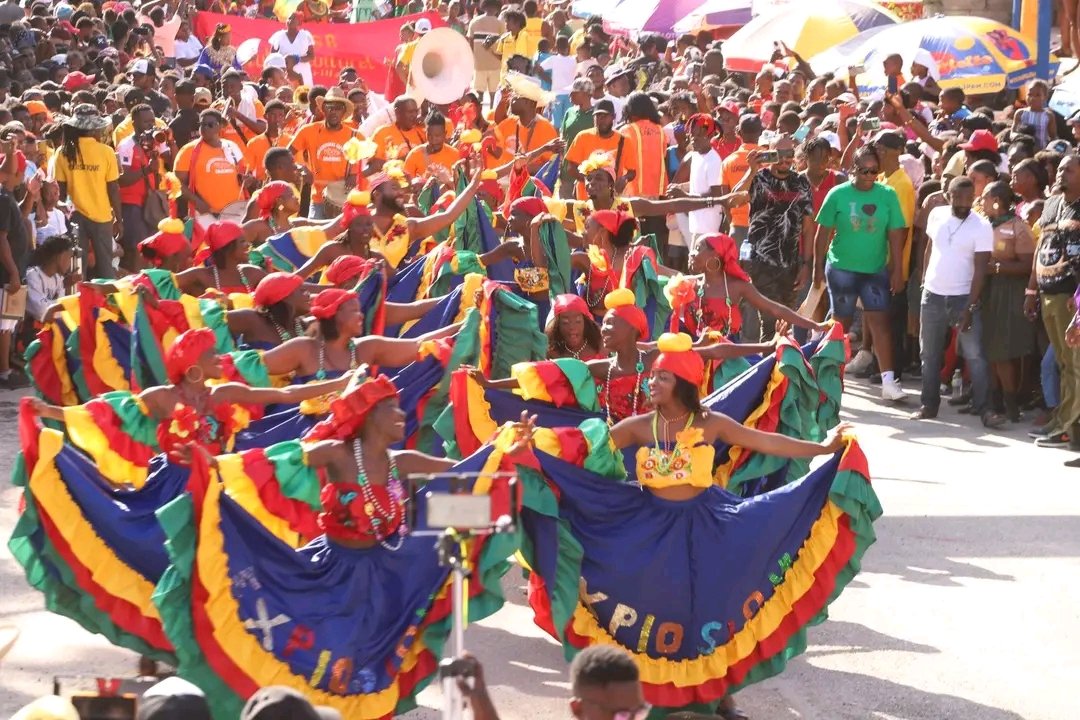
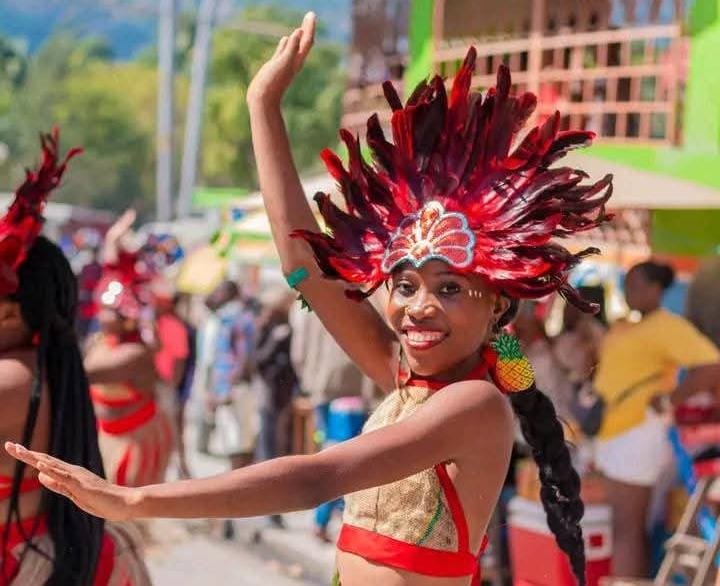
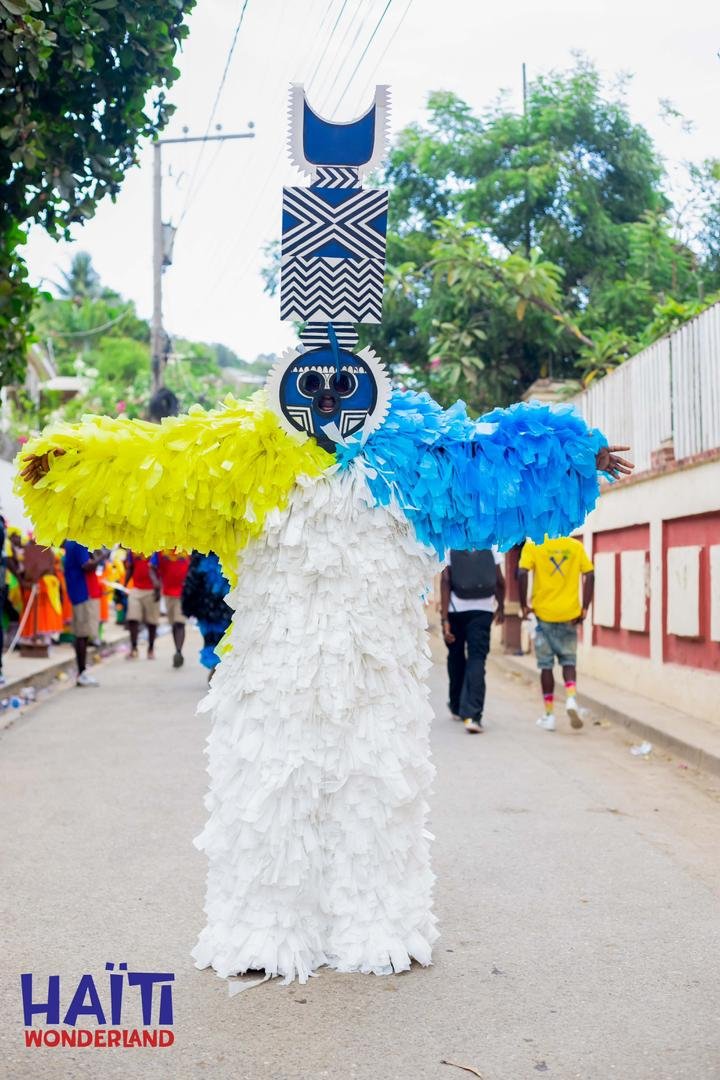
Haïti has a rich and diverse culture, influenced by African, European and indigenous elements. Haitian music, dance, art and cuisine are celebrated around the world.