News / Ecology / View Recent Posts
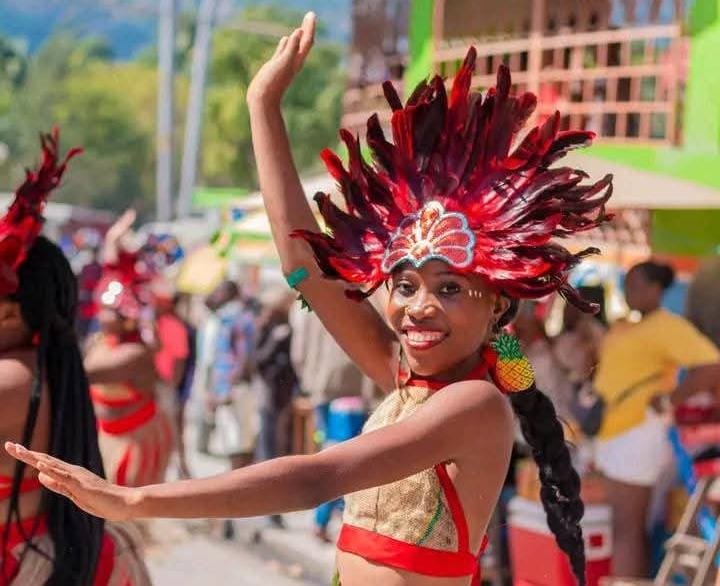
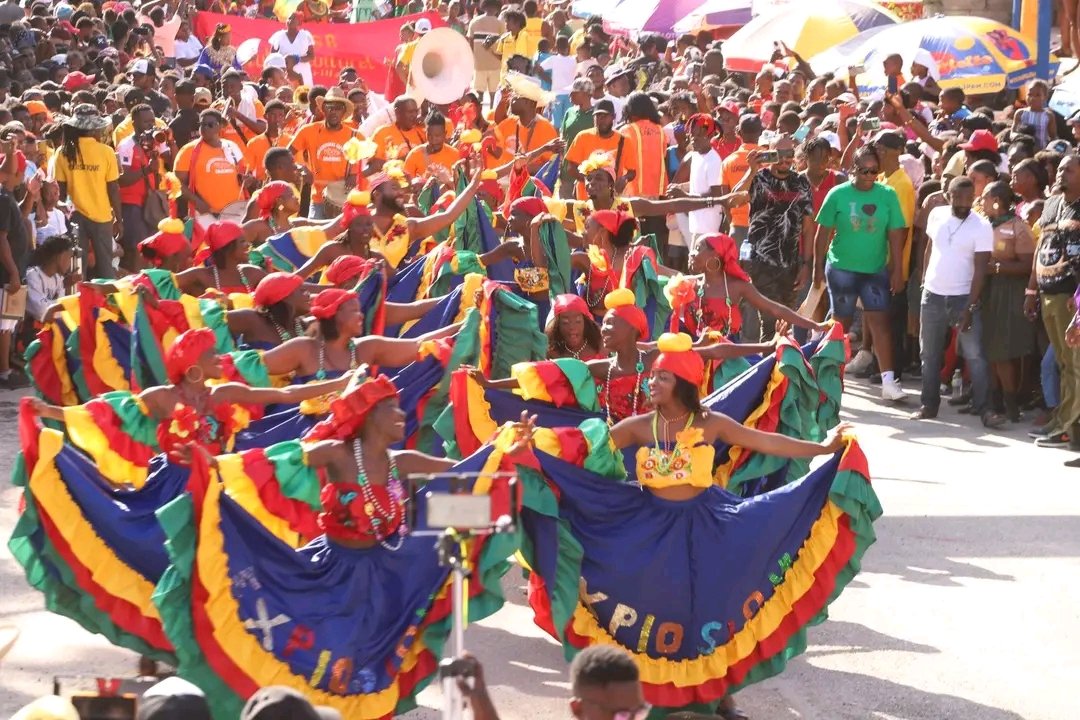
Traditional Haitian dance, an ode to the culture and roots of Haiti
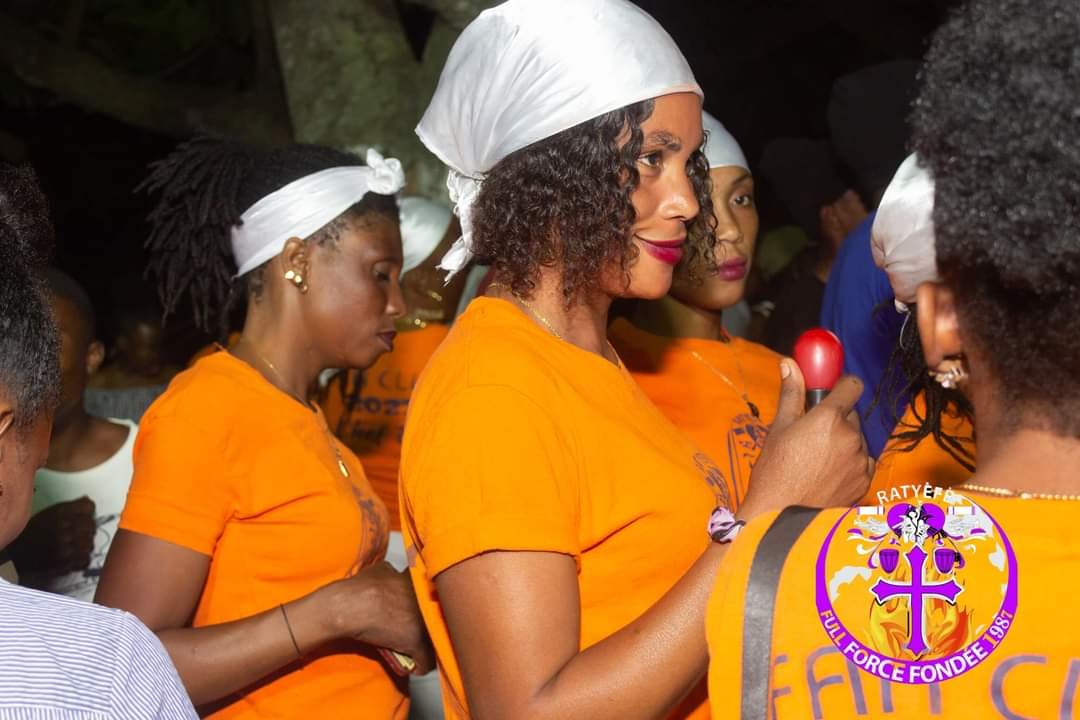
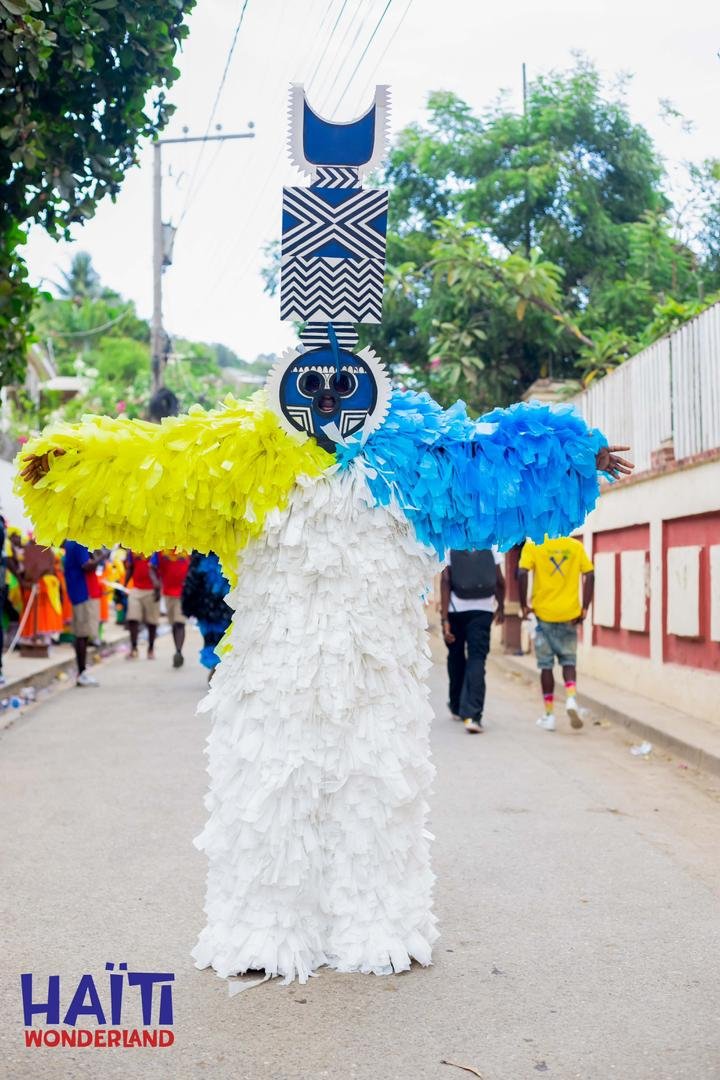
Traditional Haitian dance is rich in history and meaning. It constitutes an essential part of Haitian culture. Practiced during various celebrations such as festivals and religious ceremonies, it is in its essence, a vibrant testimony to the resilience and creativity of a people whose roots are deeply immersed in a fascinating past. Through its rhythms, movements and costumes, this dance tells stories, celebrates traditions and unites entire generations of Haitians.
Par Moise Francois |
Learn more LEGACY LEADERSHIP AWARD 2025: 6 leaders honored in Carrefour for their commitment and impact in the commune
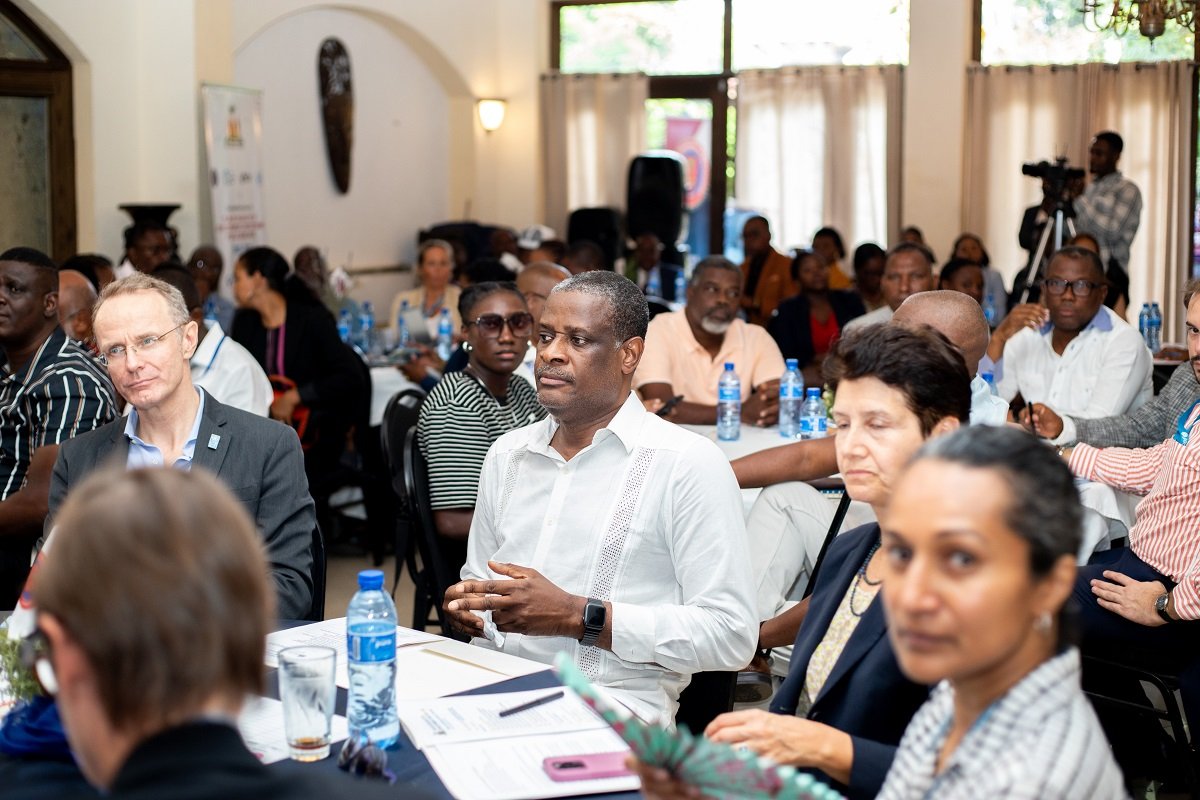
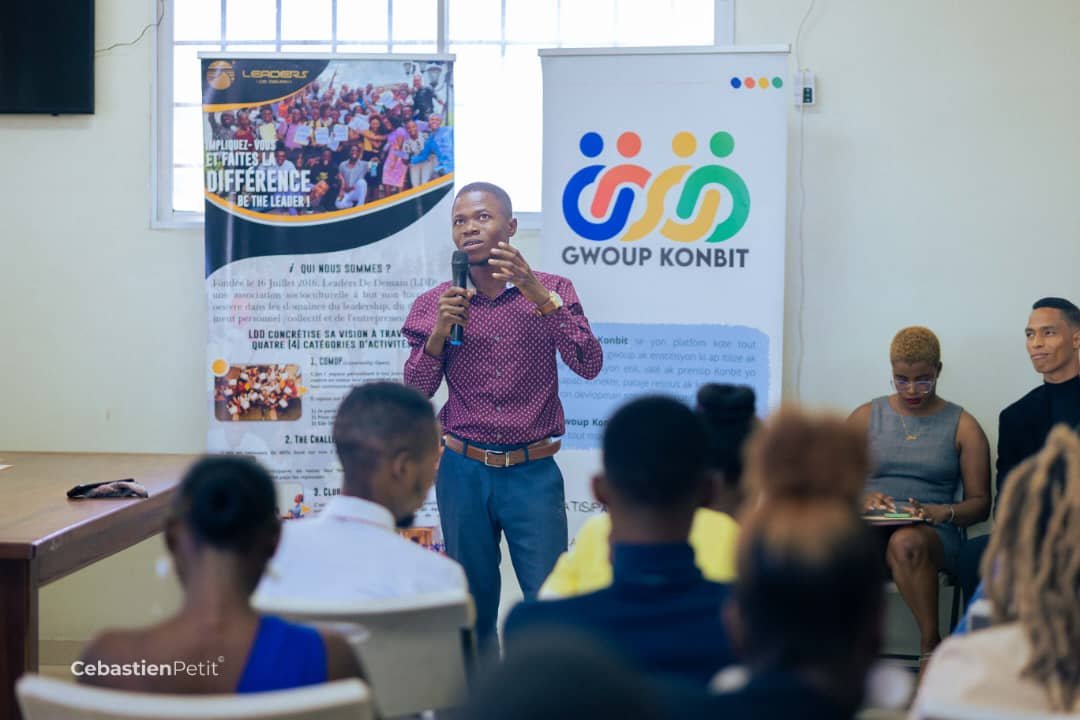
The LEGACY LEADERSHIP AWARD 2025, organized by LEAD-ACADEMY, honored the committed youth of the commune of Carrefour. This prestigious event brought together nearly 200 young people and many local actors to celebrate exemplary leadership in a region facing many challenges.

Par Appolon Guy Alain | 3
Learn more Haïti / Fort Saint-Joseph: Historical Vestige of the Resistance
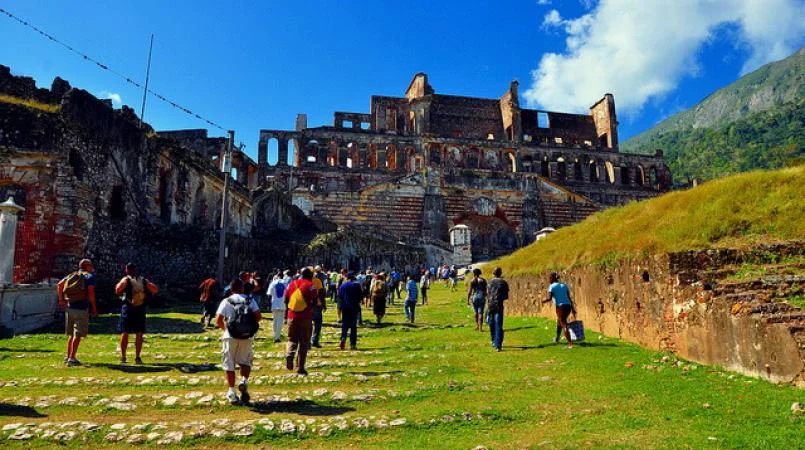
Located in the Bay of Cap-Haitien, Fort Saint-Joseph stands like a silent guardian of Haiti’s tumultuous history. Built in two stages, in 1748 and 1774, this defensive work was once a crucial element of the city’s protection system against French colonial assaults. Alongside other forts such as Picolet and Magny, its mission was to control maritime passages and defend Haitian sovereignty. However, its history is not limited to its defensive function. In 1802, then under the control of General Henry Christophe, the fort became the scene of a heroic act of resistance. Faced with the French expeditionary army, Christophe ordered the destruction of the powder magazine and the entrance gate to the fort, thus rendering it temporarily unusable. This courageous gesture, although tactical, left indelible scars on the very structure of the fort, testifying to the fierce clashes between French colonial forces and Haitian resistance fighters. These historic marks, still visible today, offer a window into the country’s tumultuous past. They allow visitors and historians to interpret the fierce struggles that forged Haitian identity. Fort Saint-Joseph, as a witness to the resistance and the struggle for freedom, embodies the indomitable spirit of the Haitian people. Recognizing its historical significance, the Haitian government officially classified Fort Saint-Joseph as national heritage in 1995. This recognition paved the way for restoration efforts aimed at preserving this precious vestige of Haitian military heritage. Thanks to collaboration between the public sector and local private funding, the fort has recently been restored and enhanced. Thus, Fort Saint-Joseph remains much more than a simple stone structure. It is a living symbol of the resilience and determination of the Haitian people, reminding all visitors that Haiti’s history is deeply rooted in the struggle for freedom and human dignity. To virtually discover this jewel of Haitian history, you can visit the following link: https://haitiwonderland.com/haiti-virtual-reality-ht/monuments-histoire/haiti--fort-saint-joseph--visite- virtual/11
Par Haïti Wonderland |
Learn more Oyster Lagoon in Belle-Anse, an ecotourism emerald to explore
The Lagon des Huîtres National Park, one of the jewels of Haitian biodiversity, is a true natural sanctuary. This park is home to twenty-one lagoons forming an ecosystem of inestimable richness. The Pichon waterfall, with its twelve majestic waterfalls, embodies the wild beauty and natural power of the site. The park’s vegetation is dominated by Bayahondes (Prosopis juliflora), creating a dry forest that serves as a refuge for diverse wildlife. Among the most notable residents are the graceful Greater Flamingo (Phoenicopterus roseus) and the Ricord Iguana (Cyclura ricordi), a species endemic to the island of Hispaniola. The red, gray and white mangroves of the Lagon des Huîtres site play an essential role in providing protected habitats for a multitude of species.
Par Faïly Anderson Trazil | 1
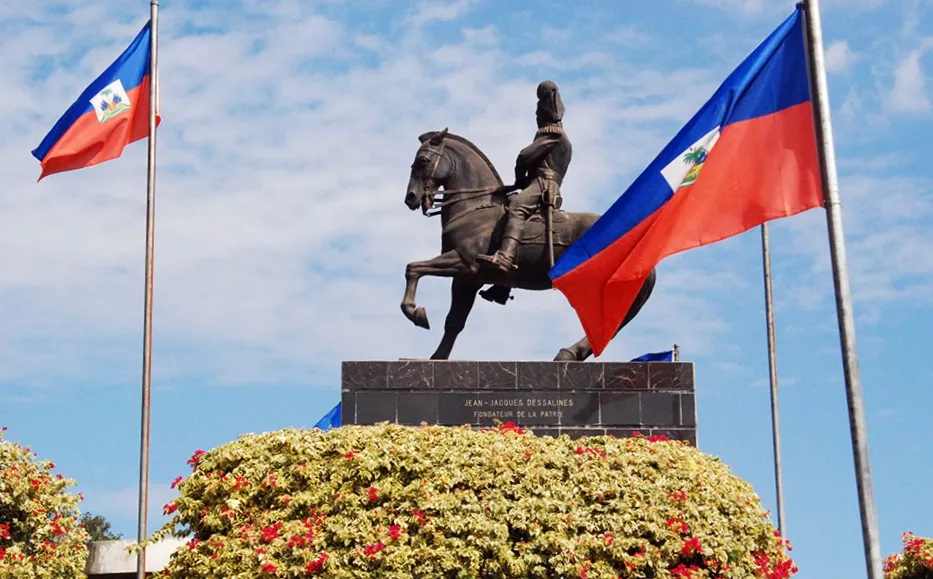
Learn more Explore Haiti’s tourist and historical treasures
Haiti, a country located in the Caribbean, is an exceptional destination offering rich history, vibrant culture and magnificent landscapes. Here is a list of historical monuments and beautiful places to visit in Haïti to immerse yourself in this land full of treasures.
Par Appolon Guy Alain |
Learn more List of the 25 Best Haitian Dishes in 2025: A Journey to the Heart of Haitian Cuisine
Haiti, pearl of the Caribbean, never ceases to amaze with its cultural richness, its captivating landscapes and, above all, its authentic cuisine. Each dish tells a story, a heritage passed down from generation to generation, where exotic flavors and culinary traditions blend to create an unforgettable experience. Here is a selection of the 25 best Haitian dishes in 2025, to be savored absolutely during your next visit to Haiti!
Par Appolon Guy Alain | 1
Learn more What is the meaning of the word “Haiti”?
The word “Haiti” is deeply rooted in the history and culture of the island, representing much more than just a name. It symbolizes an identity, a heritage, and a unique geography. But what is the true meaning of this iconic word? Let’s explore its origins, history, and symbolic significance.
Par Appolon Guy Alain |
Learn more When Haiti’s talent and cultural wealth become one.
“Haïti and its incredible genius” is the great competition that the city of Lowell, Massachusetts, had the pleasure of hosting on October 5th. Organized by IVAP Haiti, an organization that, despite the many difficulties, remains faithful to its mission. IVAP firmly believes that the new Haïti is already written somewhere, and it is up to us, through our actions, to make it concrete and constantly highlight it. Hence the need to organize such a competition.
Par Jose-Dentha DENOYER | 1
Learn more Recently Posted
What Connects Haïti to Africa? An Indestructible Cultural and Historical Bridge
Haïti and Africa share a deep and historical bond, forged over centuries. This bond goes beyond simple colonial history, it is nourished by cultural roots, ethnic affinities, and a common heritage stemming from the struggle for freedom. Throughout history, the African diaspora, and the impact of slavery, Haïti has become a symbol of resilience and black pride, particularly for many African and Afro-descendant communities around the world. But what really connects Haïti to Africa? Let’s dive into this exceptional and meaningful relationship.
The Delights of Haitian Cuisine: 20 Essential Dishes
Haitian cuisine is often considered one of the best in the world, thanks to its spicy flavors and tasty dishes. It reflects the rich history and culture of the country, mixing African, European and Caribbean influences. We invite you to explore 20 must-try Haitian delights, whether it’s breakfast, lunch or dinner.
A Journey to the Heart of Pre-Columbian Heritage: A Look Back at the Arawak, Tainos, Ciboney Survival Event
On December 5, 2024, the Emmanuel Charlemagne Municipal Cultural Center opened its doors for an unforgettable day dedicated to the history and memory of the pre-Columbian peoples of Haïti and the Caribbean. Entitled "Arawak, Tainos, Ciboney Survival", this cultural initiative brought together enthusiasts, researchers and the curious in an atmosphere rich in discoveries and emotions.
Le Makaya, histoire et pratiques vaudouesques en haïti
Le Makaya est bien plus qu’une simple fête ; il est un pilier spirituel du vaudou haïtien, une tradition vivante qui lie les croyances ancestrales aux rituels de purification, de guérison et de renouveau. Célébré principalement à la fin du mois de décembre, le Makaya tire ses racines de l’Afrique, en particulier des civilisations bantoues, et se déroule dans un contexte profondément spirituel où les liens avec les ancêtres et les forces naturelles sont essentiels. Le terme "Makaya", qui signifie "feuilles" en Kikongo, est intrinsèquement lié à la nature et aux plantes, éléments essentiels du vaudou. Ce lien direct avec la nature fait du Makaya un moment de purification, où les croyants se connectent à la terre et aux esprits par l’intermédiaire des végétaux. La tradition du Makaya vient des peuples Bantous, principalement du Congo, et de leurs pratiques spirituelles qui ont été transposées, adaptées et enrichies par la diaspora haïtienne pendant la période de l’esclavage. La période du Makaya commence le 21 décembre, lors du solstice d’hiver, une date symbolique marquant la victoire de la lumière sur les ténèbres, le commencement du renouveau solaire. Dans le vaudou, cette époque est perçue comme un moment d’introspection où la nuit la plus longue de l’année se transforme lentement en jour, apportant avec elle des forces purificatrices et régénératrices.
Haitian Creole is our identity, it deserves to be valued: History, Origin and Evolution
The Haitian Creole, born in the 17th century during the French colonization on the island of Hispaniola, is not only a communication tool; it is an essential part of the Haitian identity. Despite being recognized as an official language in 1987, French is still considered an elite language, creating a social divide. In the educational system, where French is the language of instruction, Creole is often neglected, which affects the ability of students to understand what they are learning, especially for children from rural areas. It has a unique grammatical structure that facilitates learning, and serves as a means of cultural expression in literature, music, and other arts. The advancement of technology will allow Creole to gain more visibility in social media, but the stigmatization of the language still exists. Therefore, it is important for Creole to be valued in education and other sectors, to allow the new generation to grow up with pride for their heritage. The Haitian Creole language, which is the first language for the majority of people in Haiti, is not only a means of communication, but it is also a reflection of the cultural wealth and history of the people. In a country full of diversity, Creole and its origin, its evolution and its place in society, is a testimony of resistance and adaptation.
Category
- Recent articles 100
- Heritage 2
- Kitchen 53
- Culture 35
- Music 16
- History 48
- Nature 13
- Beache 27
- Craftsmanship 3
- Literature 16
- Religion 4
- Movie 2
- Ecology 0
- Tourism 68
- Personality 13
- Languages 1
- Theater 0
- Games 2
- Other 2
- Community 5
- Entrepreneurship 4
- Technology 16
- Country 3
- City 8
- Business 3
- News 39
- Geography 4
- Scientific Research 0
- Education 2
- Production 3
- Diaspora 9
- Good to know 60
- Business and economy 1
- Events and Festivals 19
- Things To Do 1
- Little-known places 0
- Sponsored Articles 0
Recently Posted

History
First black nation to free itself from slavery and gain independence from France in 1804 and influenced other liberation movements around the world, inspiring struggles for freedom and equality.

Natural beauty
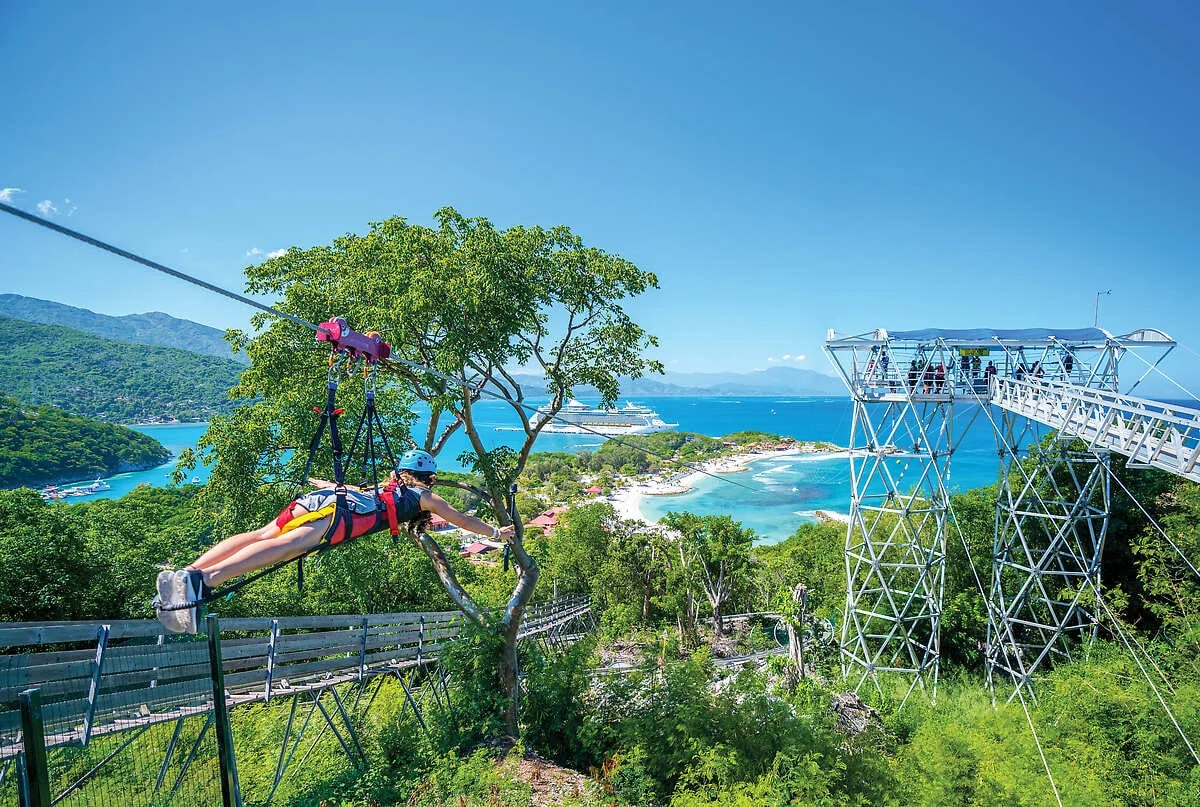
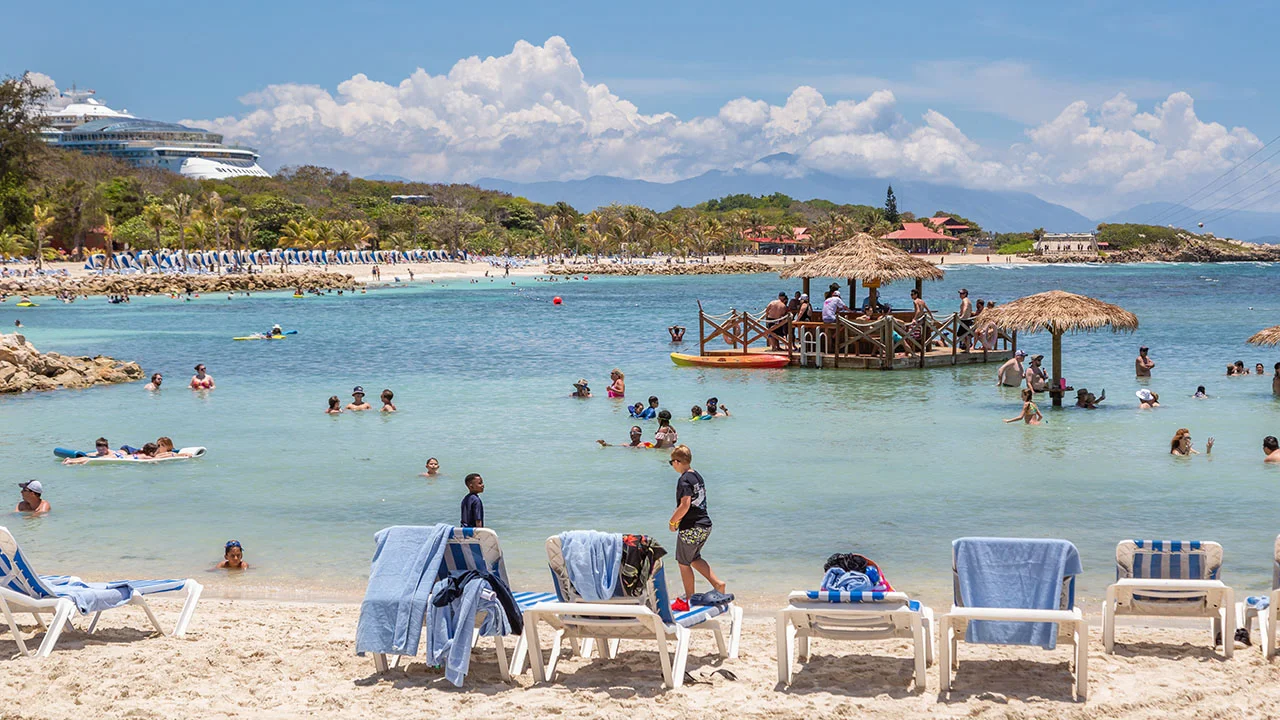
Haïti is blessed with spectacular natural landscapes, including white sand beaches, mountains and rich biodiversity.

Heritage
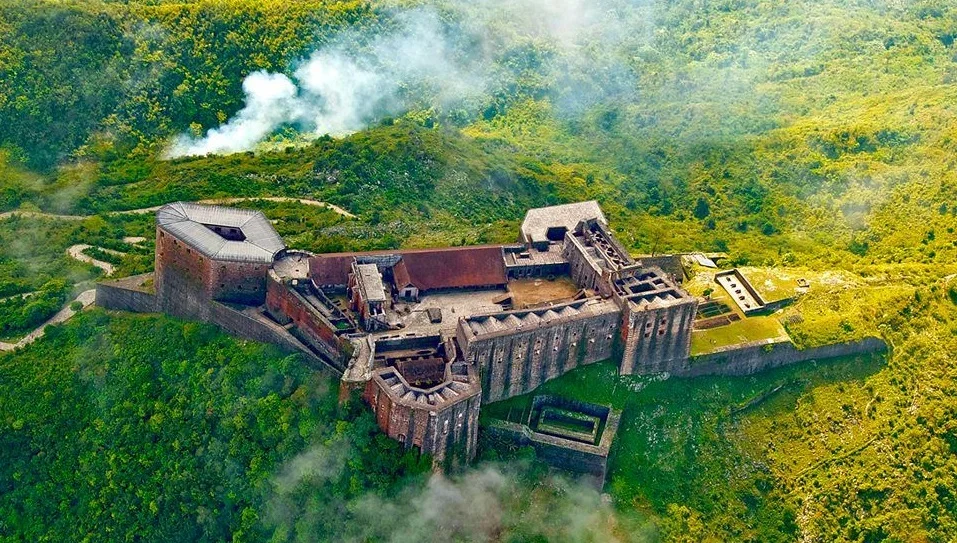
Haïti has a rich historical heritage, including sites like the Citadelle Laferrière and the Sans-Souci Palace, listed as UNESCO World Heritage Sites.

Culture
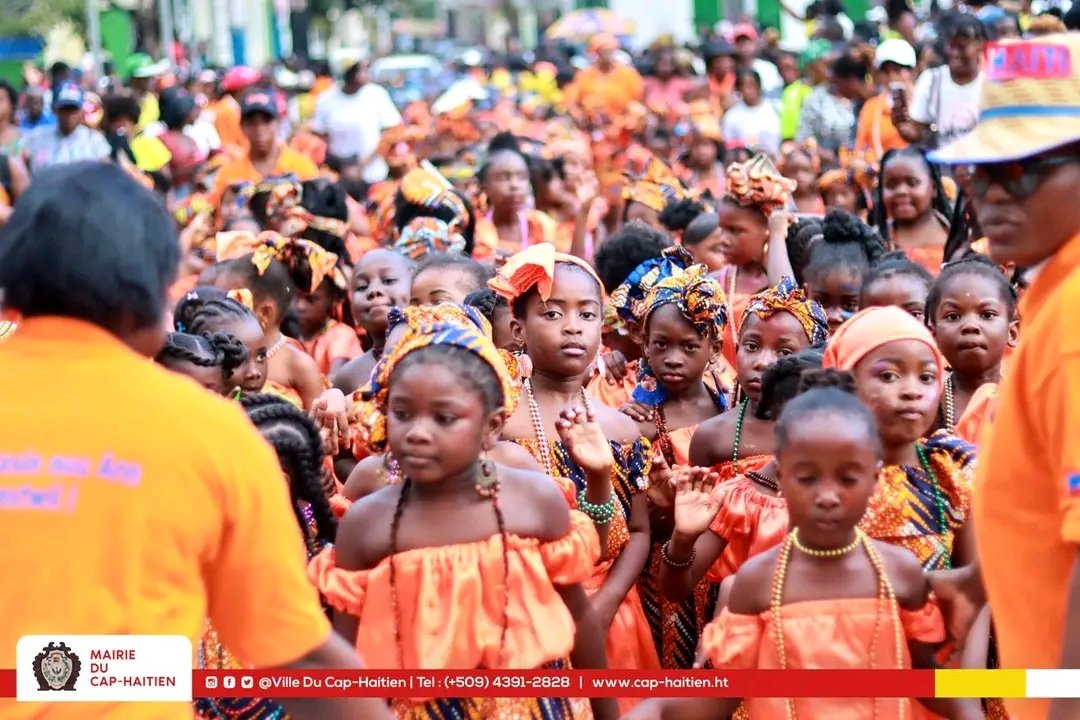
Haïti has a rich and diverse culture, influenced by African, European and indigenous elements. Haitian music, dance, art and cuisine are celebrated around the world.
- +
Post