






World Tourism Day: 7 Reasons Why Haïti is an Exceptional Tourist Destination
Majestic citadel, heavenly beaches, vibrant art: Discover why Haiti is revolutionizing Caribbean tourism and why you absolutely must visit now.
Jennifer EUGÈNE was born in Port-au-Prince on May 1st, 1995. She is an author and lawyer by training, and she skillfully combines her two passions: the defense of human rights and writing. From a young age, she found shelter and refuge in words, offering solace against a world that is often too chaotic and difficult. While other young people of her age shared their lives out loud, she immersed herself in her own universe, that of writing. At the age of fourteen, writing became for her more than just a hobby: it became a means of finding inner peace, overcoming struggles, and understanding herself. It was in this context that she found her true vocation.
Located in the southern metropolis of Haiti, within the commune of Camp Perrin, near the city of Les Cayes, Saut Mathurine is one of the largest and impressive waterfalls in Haiti. this natural site is a true treasure for nature lovers, adventurers and tourists in search of authentic beauty. If the southern region of Haïti is known for its many lush beaches under the weight of the Antilles sun, its numerous caves, forts of all kinds and other important historical sites. Among all this great natural wealth, there are cities which stand out for their exceptional side. And which does not leave those who are willing to visit them indifferent. The Mathurine jump is precisely one of them. The Saut Mathurine stands out for its impressive height and powerful flow, creating a breathtaking natural spectacle. The waterfall, which flows forcefully into a pool, is made up of clear, turquoise waters, while providing an idyllic and peaceful setting for those who bathe there. In other words, visitors can take advantage of this enchanting setting to relax, picnic or swim in the fresh and invigorating waters of Mathurine Falls.
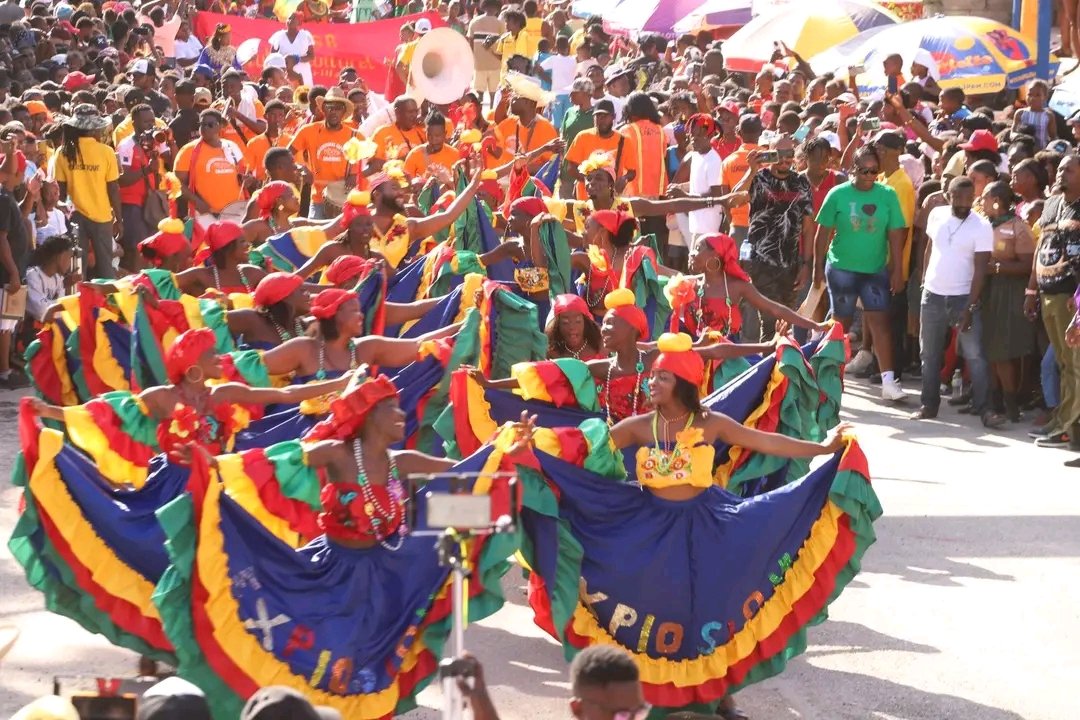
On Friday, July 26, 2024, the eyes of the world turned to Paris for the highly anticipated opening of the Olympic Games. As flags flew and excitement mounted, Haïti captured the attention and imagination of millions of spectators. In a spectacular parade, Haïti proved that it could compete with the world’s greatest powers, not only on the playing field, but also on the fashion and cultural catwalk.
In 1804, Haïti emerged from the flames of revolution as the world’s first independent black republic, but its freedom would come at a steep price. France, a former colonial power, orchestrated an unprecedented economic revenge, weaving a web of exploitation and injustice that would hamper Haiti’s development for generations. This toxic relationship, marked by extortion and violence, not only shaped the destiny of one nation but also filled the coffers of another, leaving deep scars that persist to this day. Immerse yourself in this story, a gripping tale of colonial greed and resilience, which reminds us of the importance of never forgetting the injustices of the past and their lasting impact on our world today.
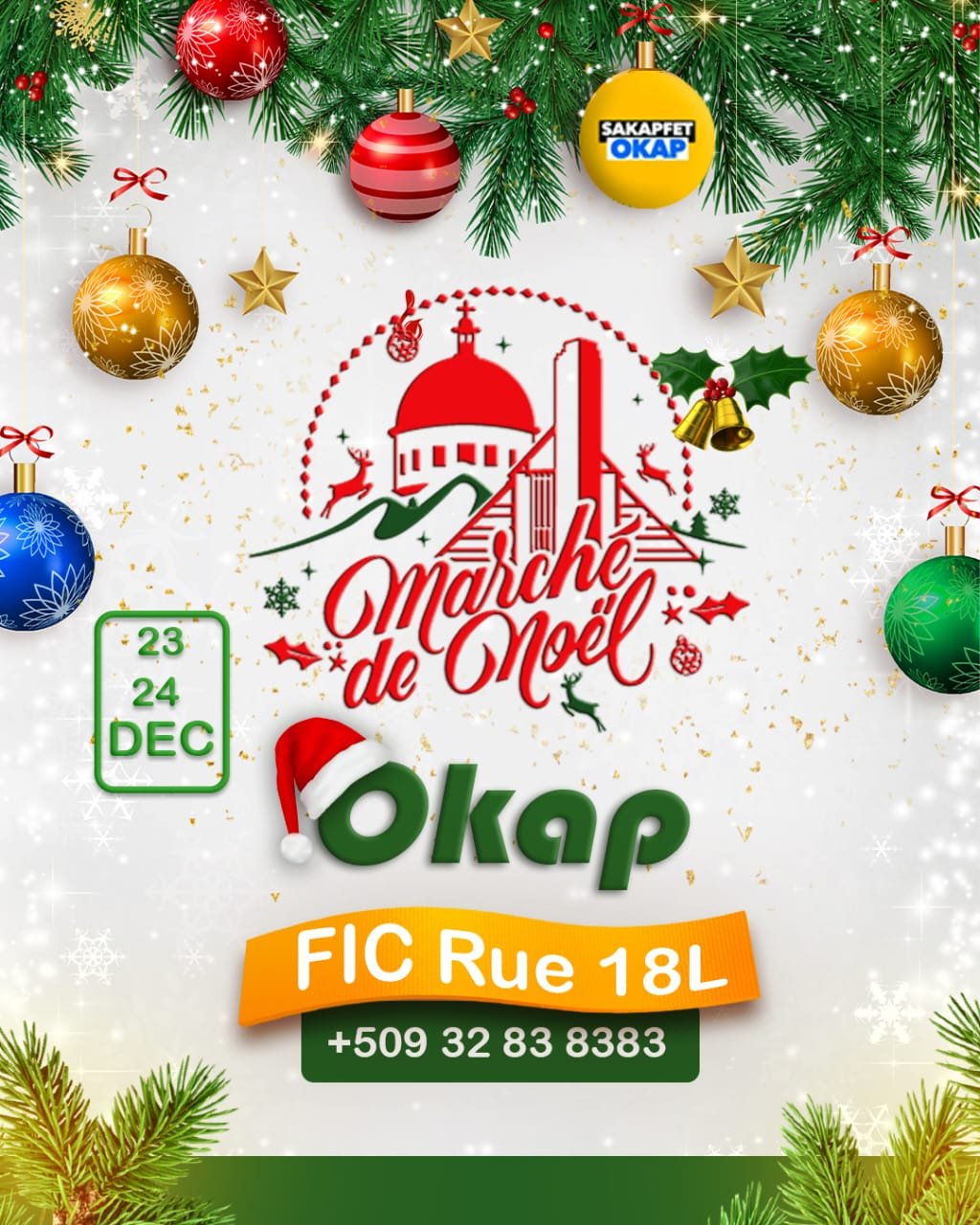
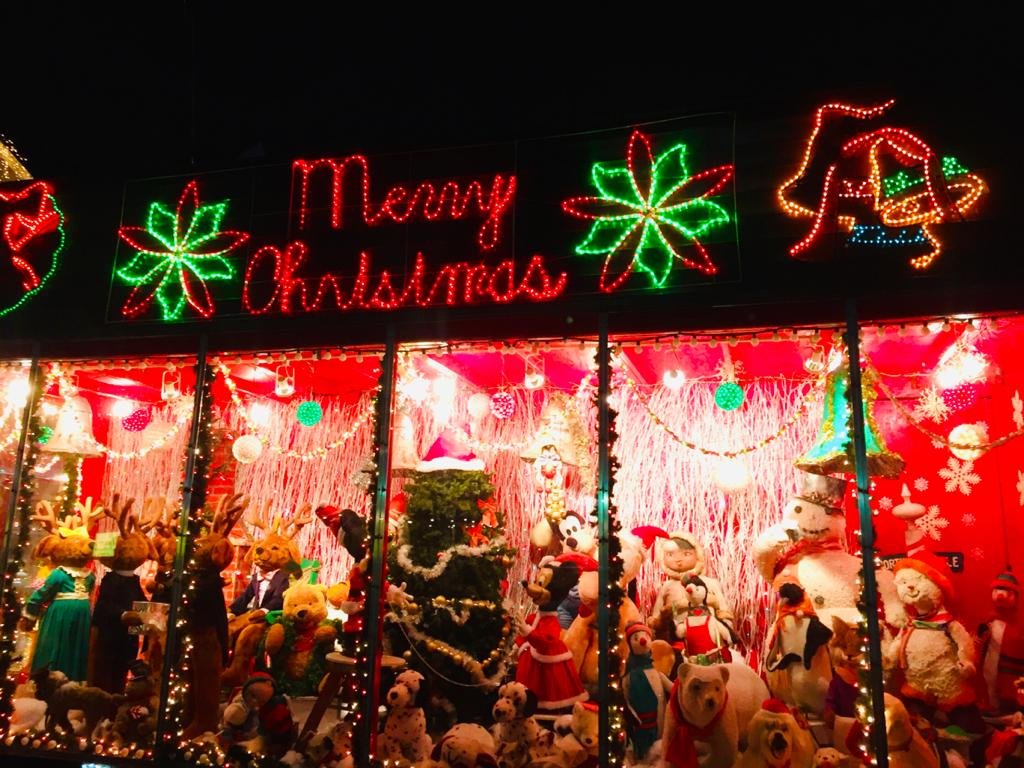
The joyful ringing of bells echoes through the streets of Haïti as the holiday season approaches. Christmas is a magical time when the streets light up, families gather and a warm atmosphere invades the island. Between traditions, cultural discoveries and gourmet feasts, Christmas in Haïti promises a unique experience. b~The Magic of Lights and Decorations~b From the beginning of December, Haïti is adorned with sparkling lights and festive decorations. The markets come alive with shimmering garlands, twinkling stars and ornate fir trees. The streets of Port-au-Prince in Jacmel shine with a special magic, inviting locals and visitors to immerse themselves in the festive spirit. b~Haitian Traditions at Christmas~b Christmas in Haïti is celebrated with a unique combination of religious traditions and local customs. Midnight Mass is a deeply rooted tradition, drawing worshipers to churches to celebrate the birth of Jesus in a vibrant atmosphere of song and prayer. A popular tradition is the "Dawn Mass" which takes place at dawn on December 25. The faithful gather to welcome Christmas Day with special fervor, testifying to the deep spirituality that permeates the festivities. The festivities are not limited to churches. Street parades, folk dances and concerts are commonplace, creating a joyful atmosphere throughout the country. Traditional Haitian music, such as direct compass and voodoo, adds a special dimension to these celebrations. b~Cultural Discoveries: Haitian Crafts~b Christmas is also an ideal opportunity to discover unique Haitian crafts. Christmas markets offer a variety of handicrafts, such as wooden sculptures, vivid paintings, wrought iron items and traditional jewelry. These works of art reflect the artistic talent of the Haitian people and provide unique and meaningful gifts. Local markets, such as the Ferrier market in Cap-Haitien and the Jacmel market, are essential places to discover the authenticity of Haitian crafts. These purchases also help support local artists and the community economy. b~Gourmet Feasts: Christmas Cuisine~b Christmas in Haïti is also a gastronomic celebration. Families gather around festive tables laden with traditional culinary delights. “Joumou soup”, a pumpkin soup, is an essential specialty of the holiday season. Pork, lamb and chicken dishes are also common, accompanied by rice and local vegetables. Traditional desserts, such as “Pen patat” and “Tablèt Pistach,” add a sweet touch to the celebration. Tropical fruits, such as mangoes and bananas, are also often present on Christmas tables, recalling the richness of Haitian biodiversity. Christmas in Haïti is a vibrant celebration that blends the magic of lights, religious traditions, local crafts and delicious cuisine. It is a time when joy and generosity are in the spotlight, and when Haitians open their hearts to share the magic of the season with the world.
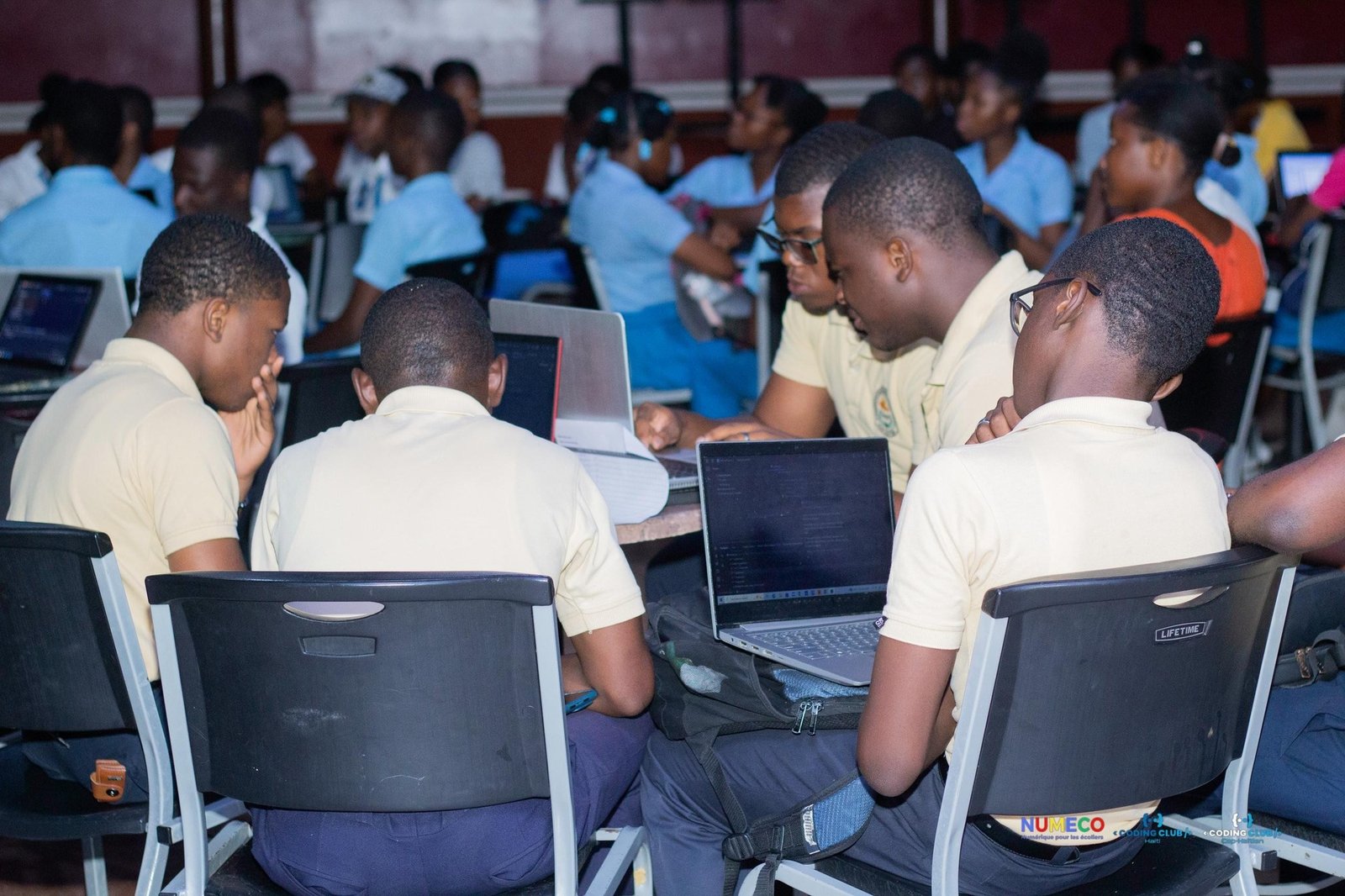
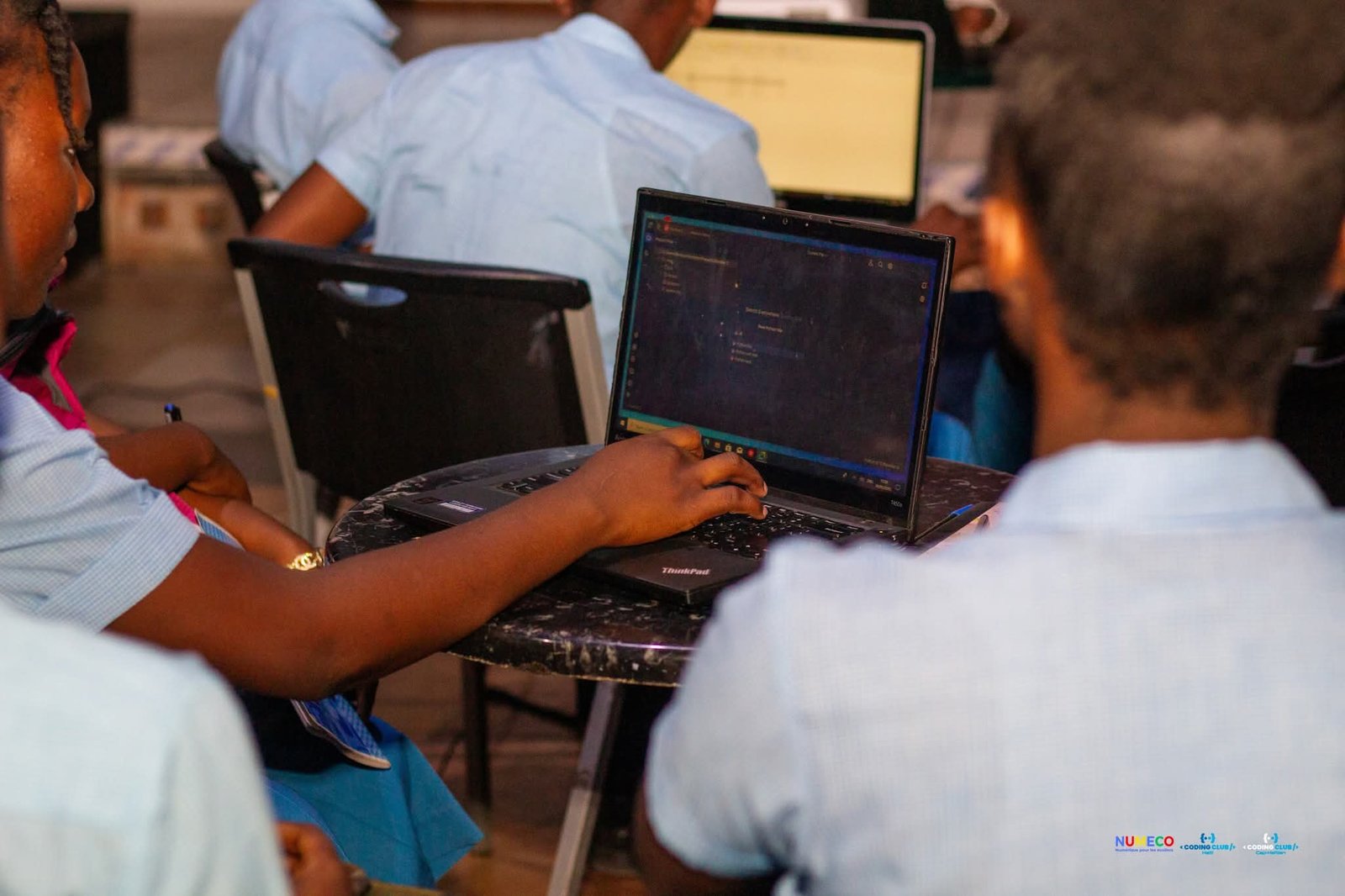
In a country where many schools lack digital resources, a local and adapted solution stands out: AsProNote, an educational platform developed by Fedner Michel, an active member of the Coding Club Carrefour.
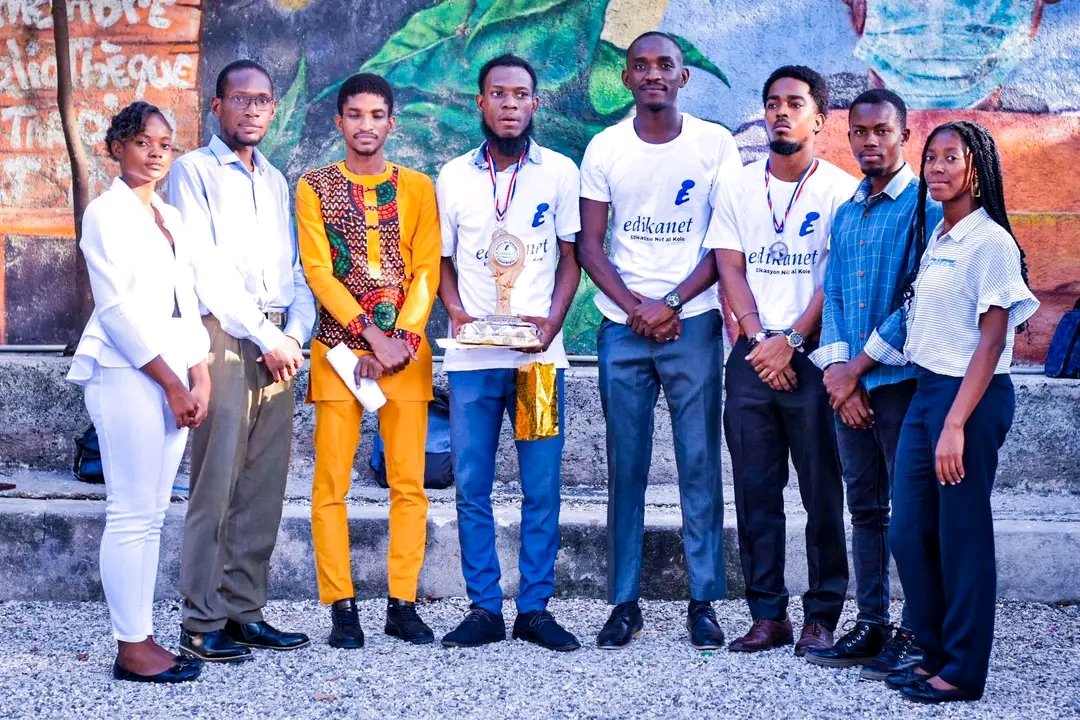
Edikanèt is an association dedicated to education in the Haitian Creole language on the Internet. Founded in 2019 at Lycée Toussaint Louverture, the organization works to promote, recognize, and use Haitian Creole in all educational, social, and institutional spaces in the country. It was created by three young activists committed to this cause: Luc Cadet FIGARO, Alan Joe JEAN, and Marcus JUSMA. From the beginning, Edikanèt set itself key goals: promoting education in Creole across all regions of Haiti; creating educational materials in Creole; fighting against linguistic discrimination toward Creole speakers; and elevating Creole as a language of instruction, culture, and prestige. This initiative was born out of awareness of the persistent marginalization of Haitian Creole in Haitian society. Their most recent major initiative was a quiz competition held in July 2025, focused on general knowledge—such as Haitian history, geography, culture, mathematics, Creole grammar, and other subjects related to learning in Creole. The winner, Roobens D. Victor, came out first among 113 participants.
Born in Port-au-Prince on October 10, 2001, Jean Wood Jude is a young 23-year-old Haitian poet/slammer. His talent and determination in the pursuit of his poetic passion have allowed him to serve the cause of poetry and to be one of the best-known figures in the Haitian poetic world thanks to short videos broadcast on social networks. Apart from his artistic and literary activity, Jean Wood Jean is a student in social communication at the Faculty of Human Sciences (FASCH) within the State University of Haiti. Better known under the nickname Silent Poet, he has more than 200,000 followers on his social networks, and regularly publishes poems in French and Creole. The release of his collection entitled “waltz of a silent heart or Pantalèt Kè m” will only confirm the talent of this young artist.
When we talk about the Caribbean, images of white sand beaches, turquoise waters and luxurious resorts often come to mind. But Haïti offers much more than a classic postcard. With its fascinating history, vibrant culture and breathtaking natural landscapes, Haïti stands out as a unique destination. Whether you are a culture vulture, nature enthusiast or curious foodie, Haïti is a treasure trove to explore. Discover why this country deserves a top spot on your travel list.
Haiti, an island located in the Caribbean, is not geographically or politically attached to Africa. However, despite the distance and geographical differences, Haïti and Africa share an extremely strong historical, cultural and spiritual bond, forged by centuries of shared history, including the slave trade, colonization and the struggle for freedom. So, is Haïti part of Africa? Let’s explore this question from different angles, highlighting the African roots that shape Haïti to this day.
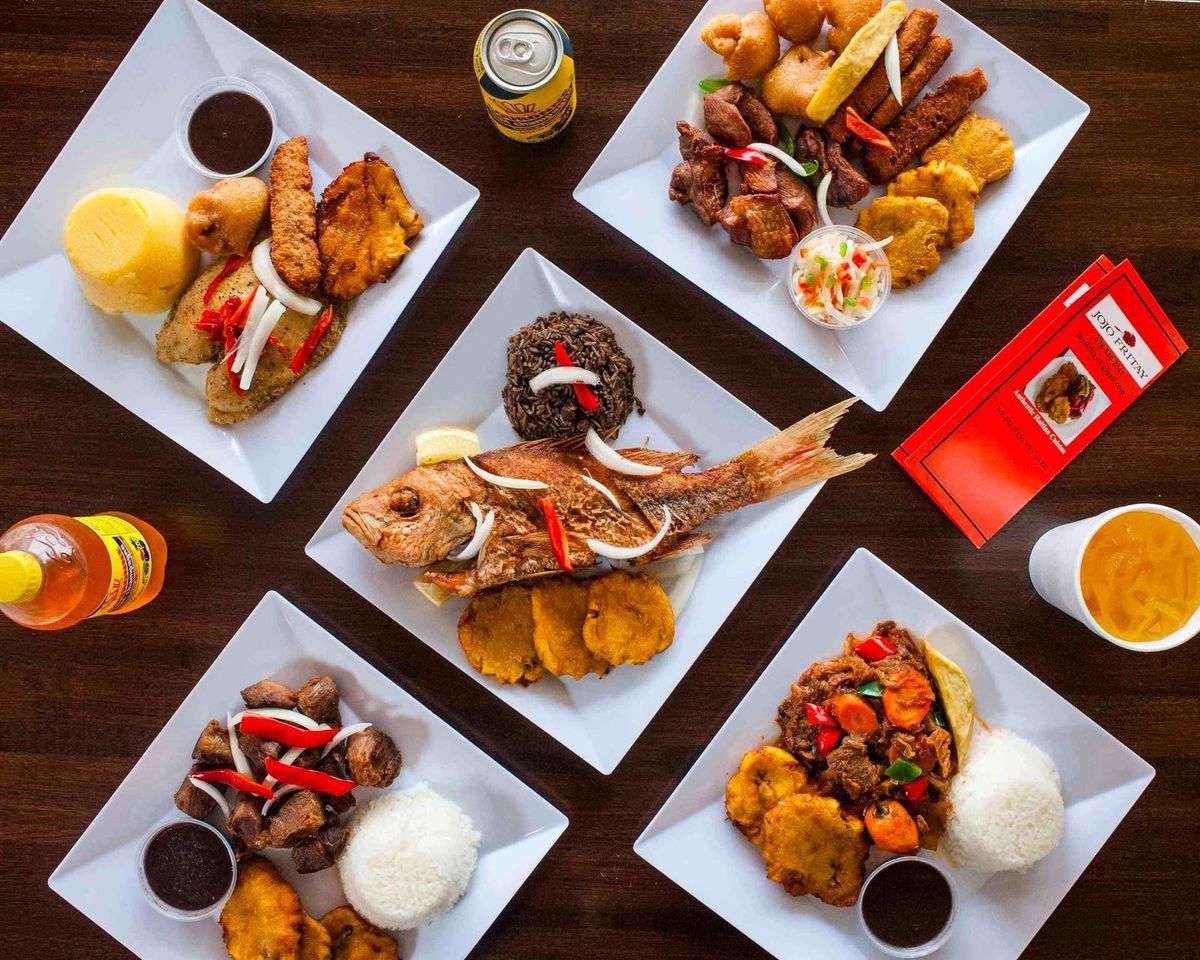
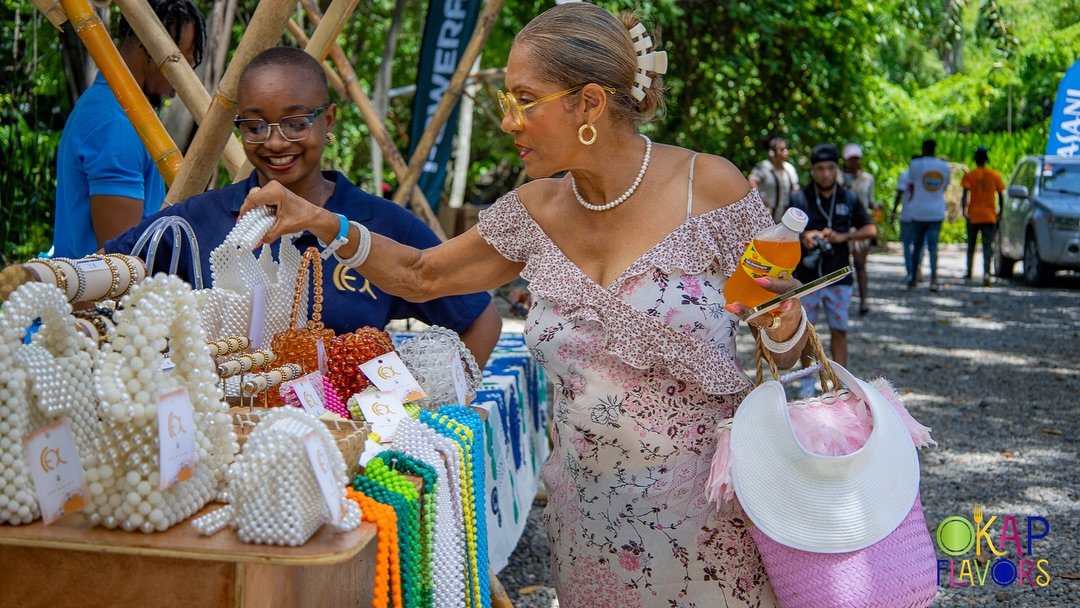
Haitian cuisine, with its blend of spices, flavors, and traditions, occupies a unique place in the Caribbean culinary panorama. Rooted in centuries of history and cultural influences, it is distinguished by several elements that make it exceptional. Let’s discover what makes Haitian gastronomy unique.

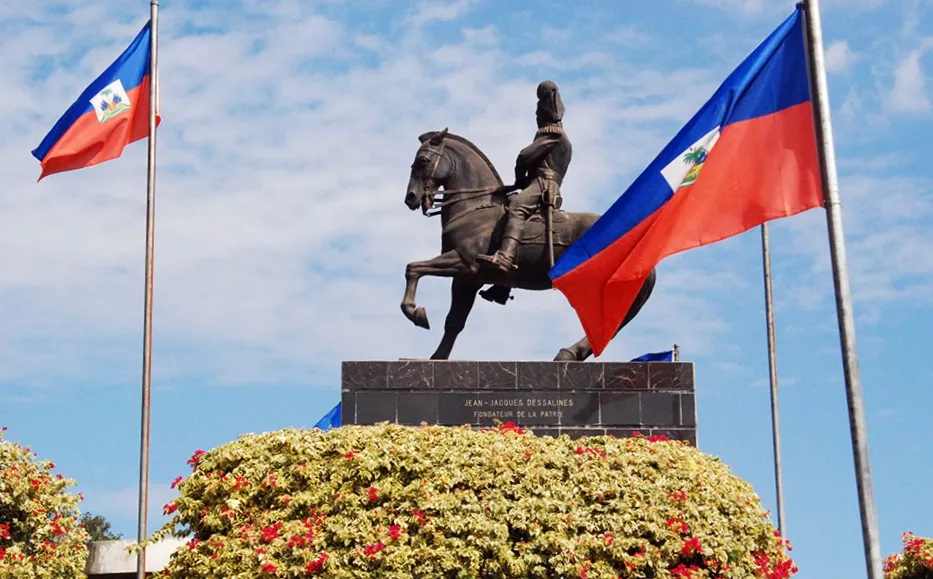
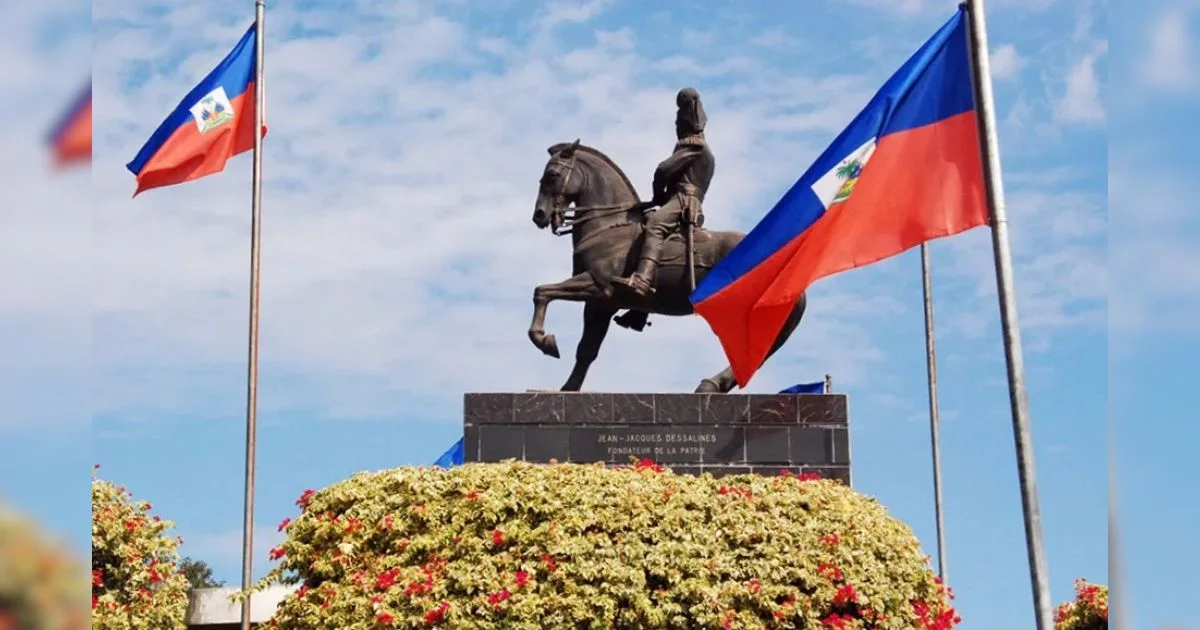
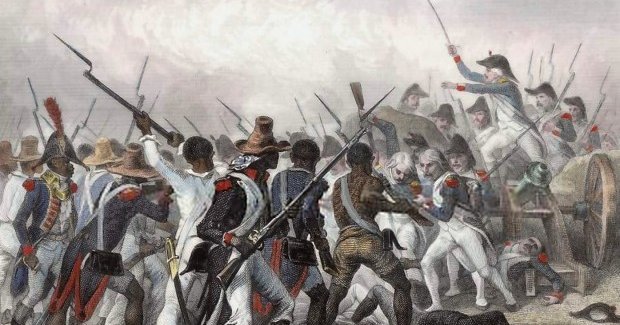
First black nation to free itself from slavery and gain independence from France in 1804 and influenced other liberation movements around the world, inspiring struggles for freedom and equality.

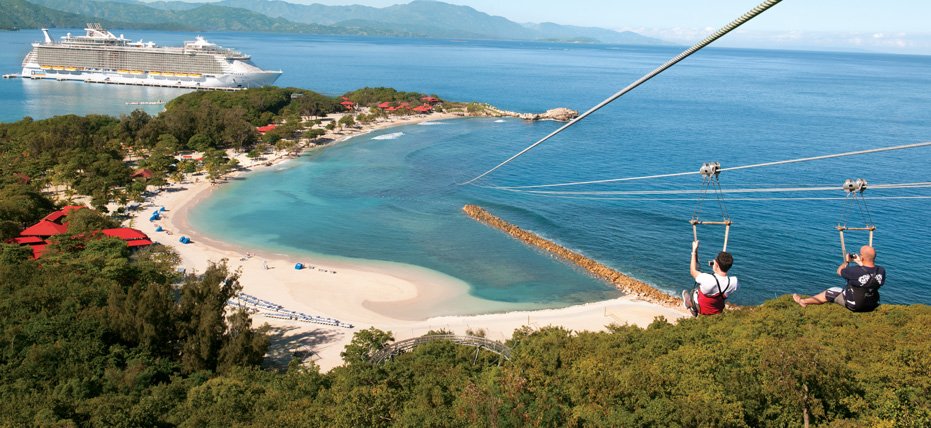
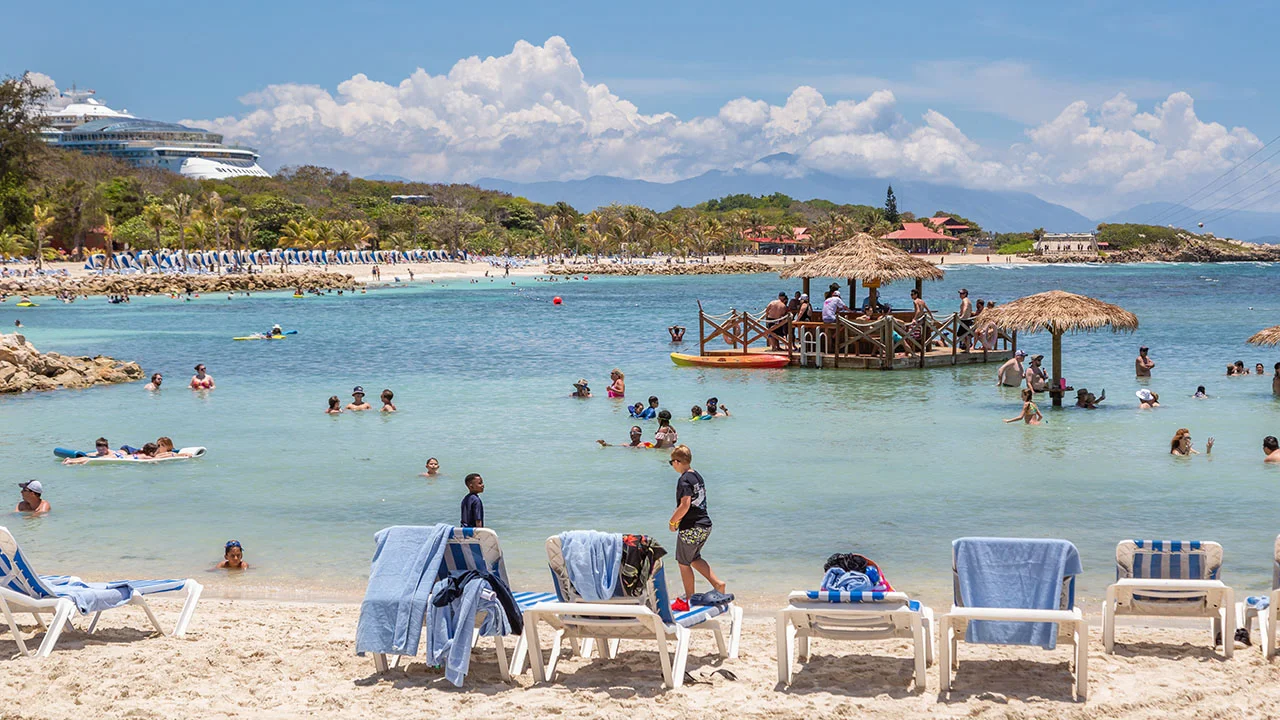
Haïti is blessed with spectacular natural landscapes, including white sand beaches, mountains and rich biodiversity.

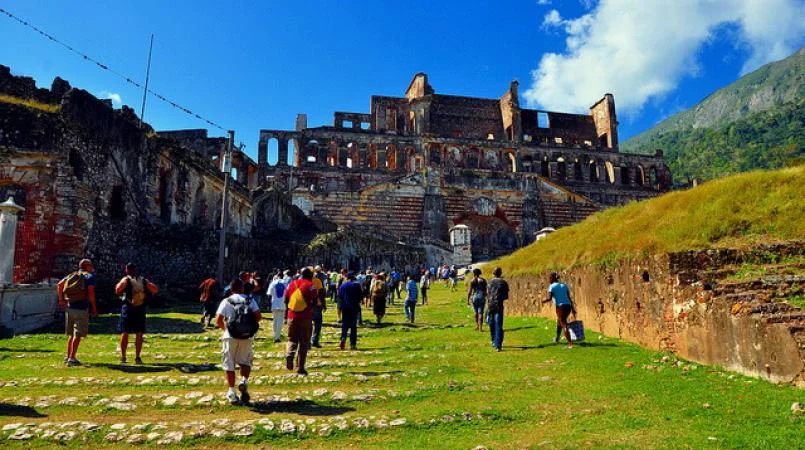
Haïti has a rich historical heritage, including sites like the Citadelle Laferrière and the Sans-Souci Palace, listed as UNESCO World Heritage Sites.

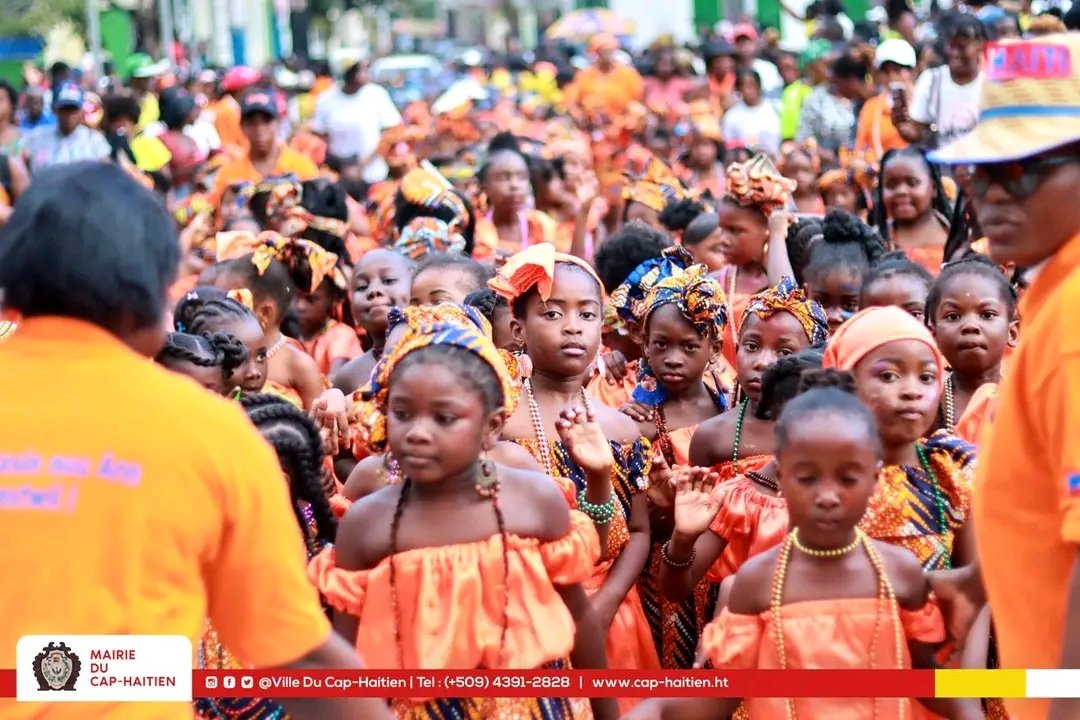
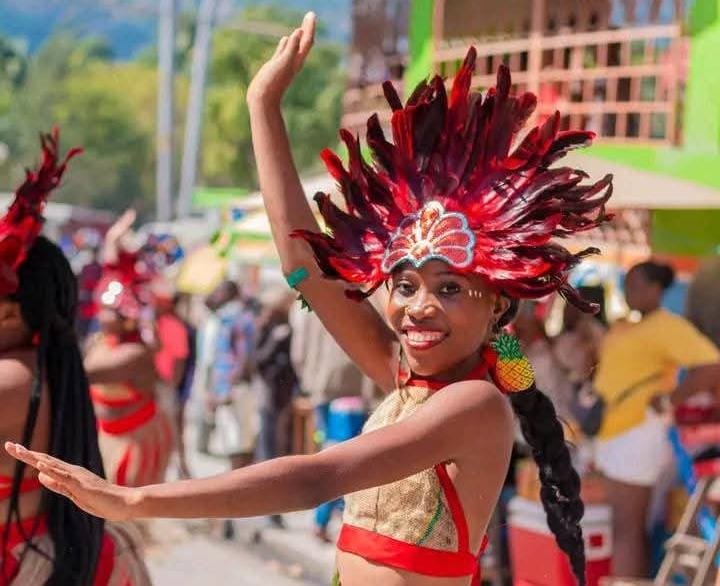
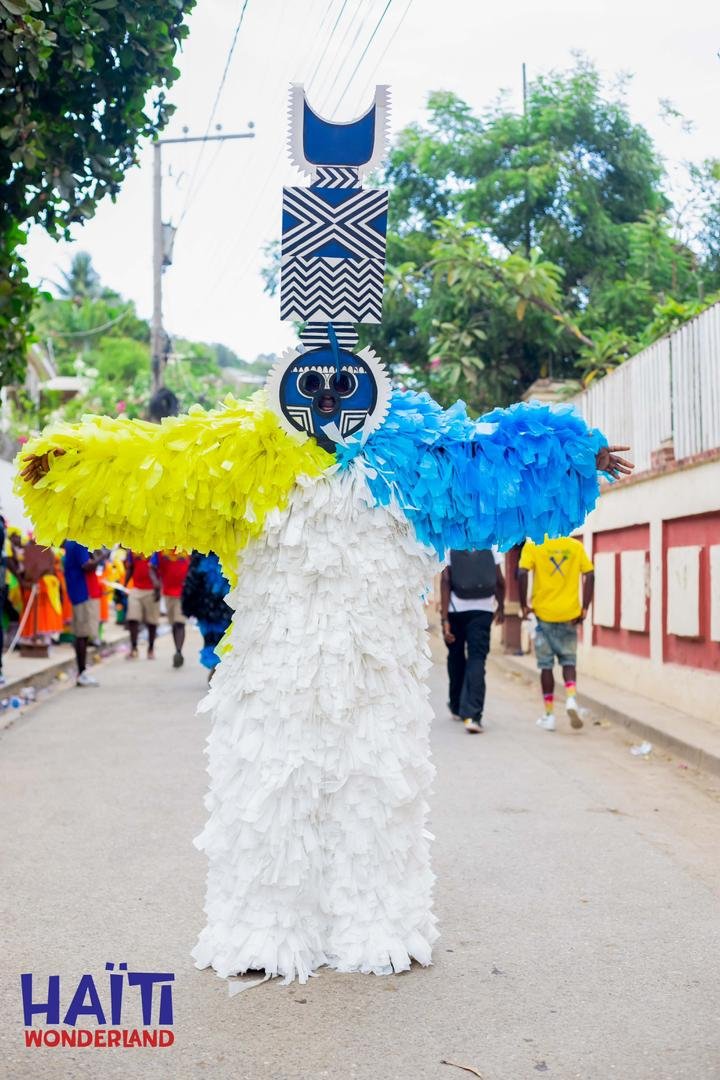
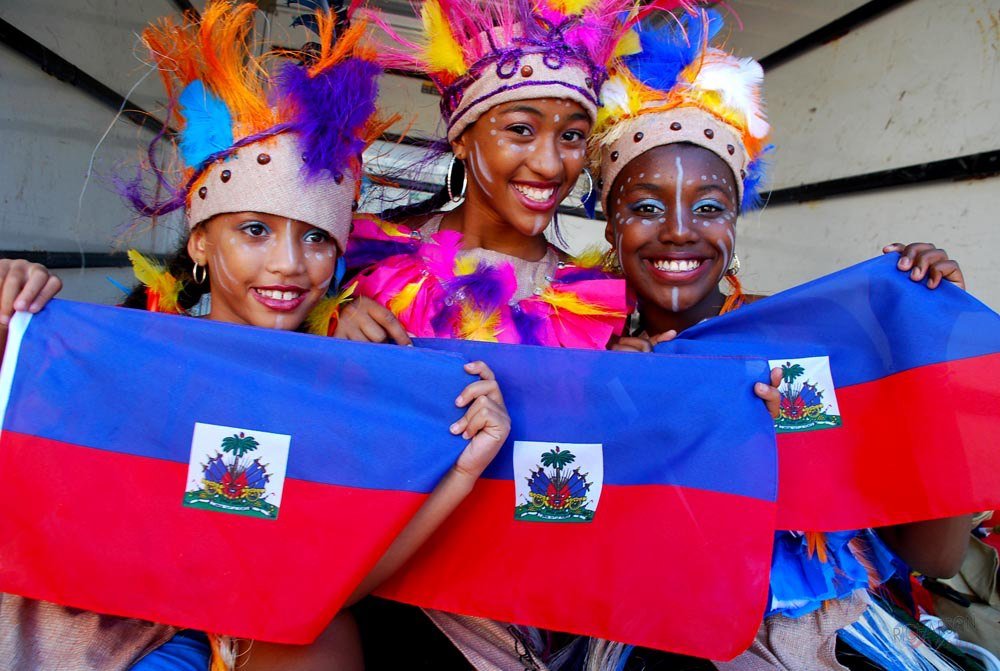
Haïti has a rich and diverse culture, influenced by African, European and indigenous elements. Haitian music, dance, art and cuisine are celebrated around the world.