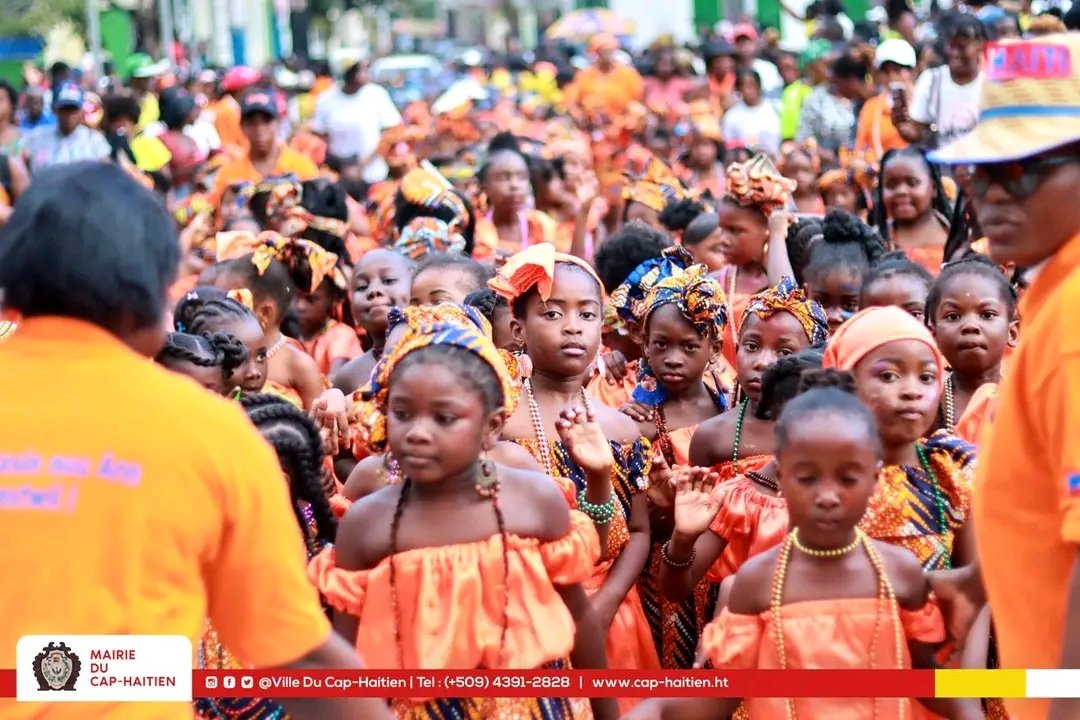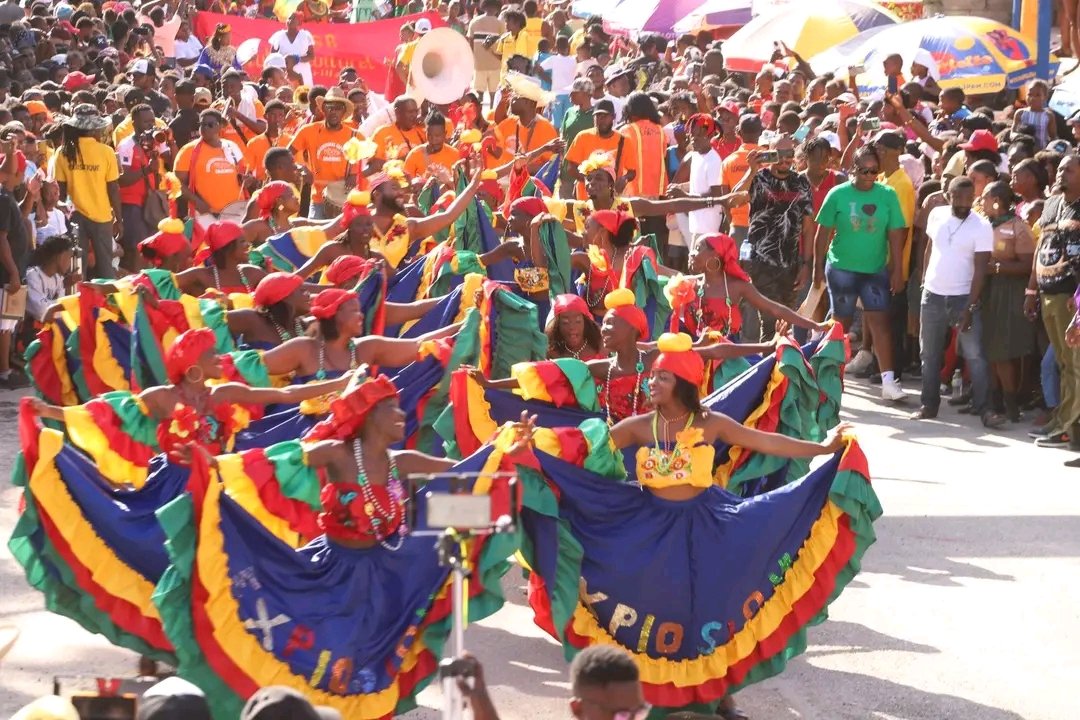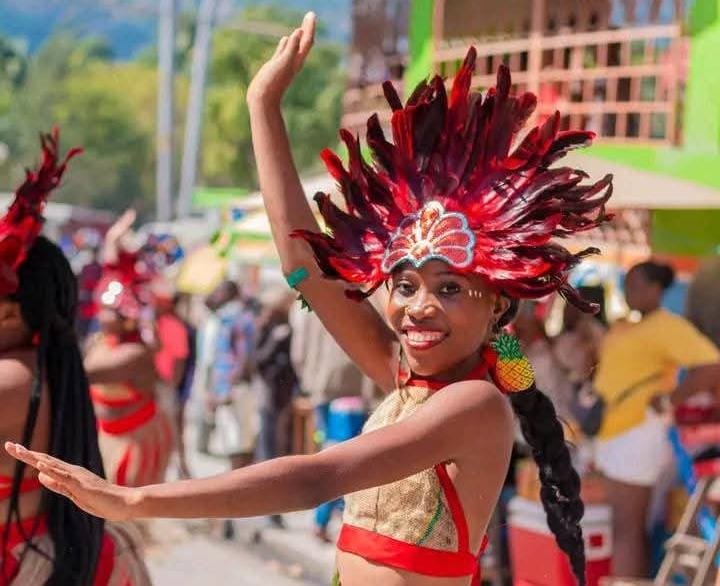
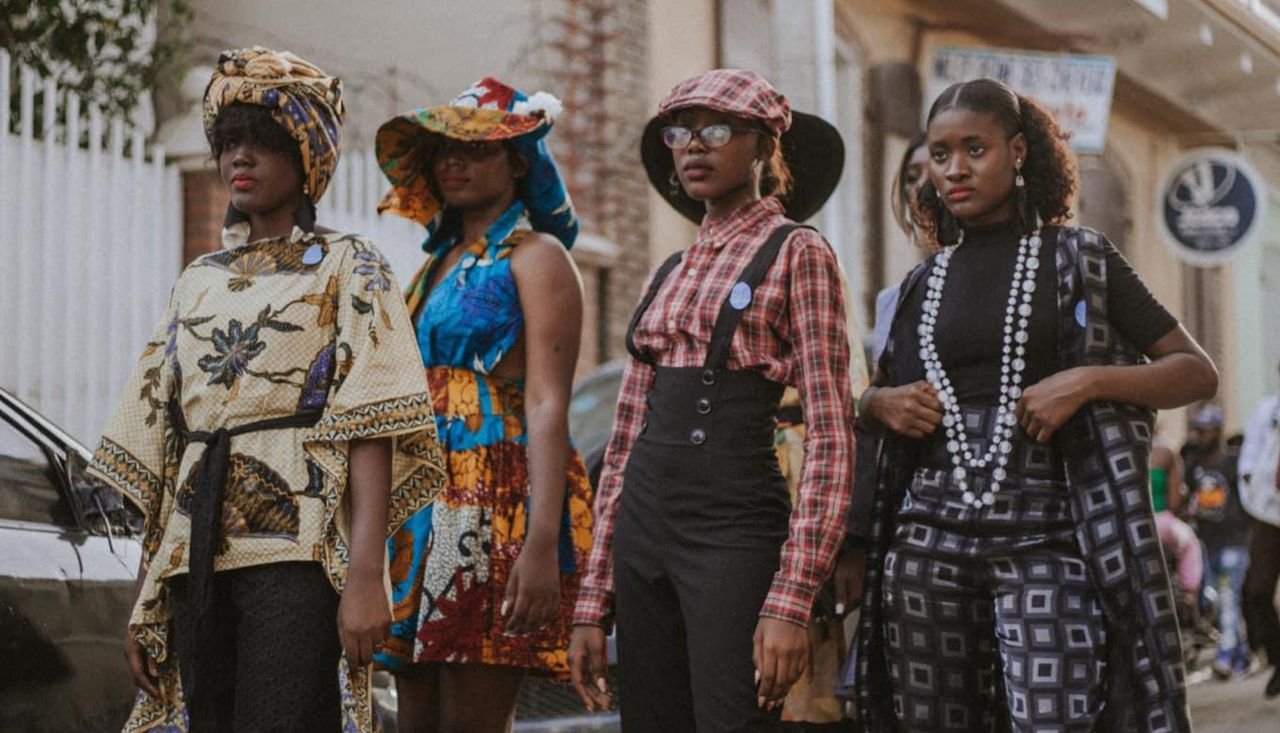

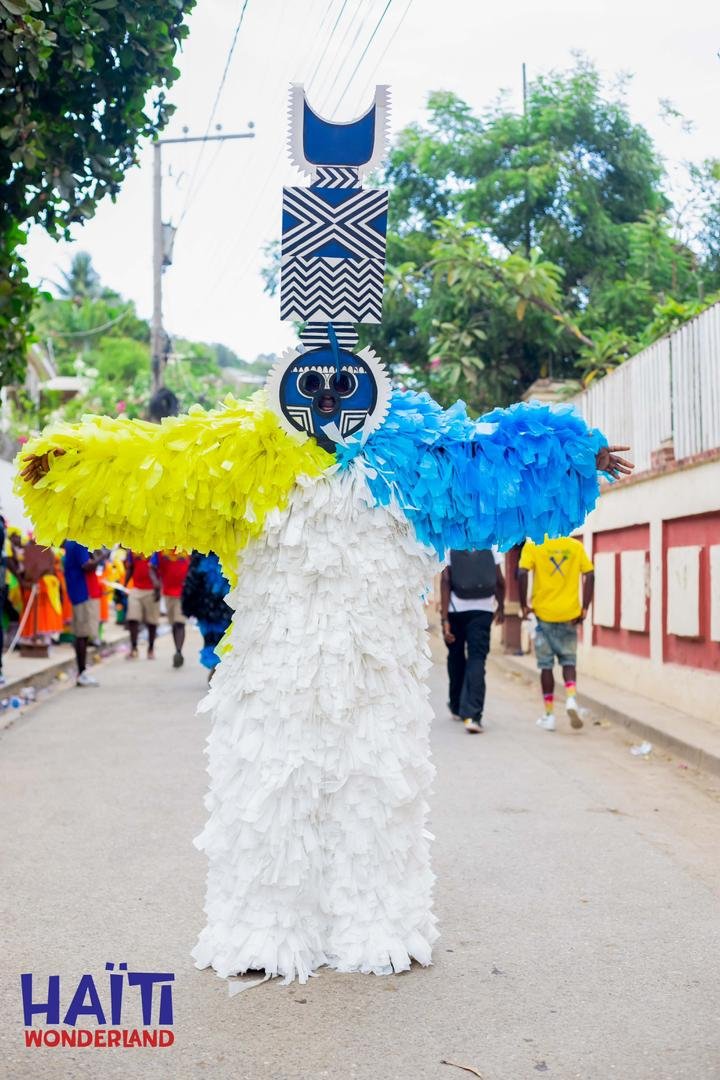
Children’s Carnival in Cap-Haïtien: A festive atmosphere in the heart of the city
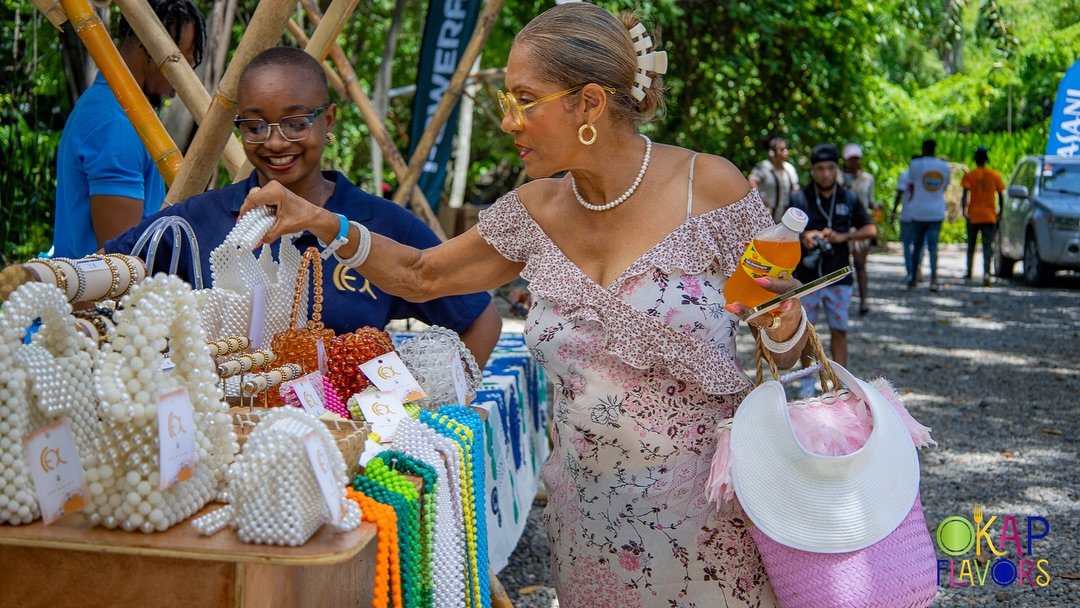
Discover the Children's Carnival in Cap-Haïtien, a joyful celebration full of color and Haitian traditions!

The ideal place for vacations, honeymoons, excursions, sightseeing tours and much more. This paradise island, located in the south of Haiti, near Île-à-Vache, offers a picturesque setting which makes it a destination of choice. A stone’s throw from Île à Vache, a 128 km² island bathed by the crystal clear waters of the Caribbean Sea, Île des Amoureux is a true gem to explore in Haiti. Just 5.50 nautical miles from the coastal town of Les Cayes, this island is easily accessible. Travelers can reach the town of Les Cayes by car or opt for charter flights arriving at the regional airport. From the port of Les Cayes, a short 20-minute boat trip will take you to this enchanting destination. The fascinating history of Île à Vache adds an extra dimension to your experience. Once a refuge for pirates and buccaneers, this island was nicknamed "Treasure Island". Today, it continues to charm visitors with its authentic ambiance, pristine beaches and crystal clear waters. Whether you’re looking for beach relaxation, underwater adventures, a romantic getaway, an exotic adventure or cultural discoveries, Lovers’ Island has it all. Dive into the clear waters to explore colorful coral reefs, hike through lush vegetation, or soak up the bustling atmosphere of local markets. For couples looking for romance, there’s nothing like a sunset stroll on the beach, followed by a candlelit dinner under the stars. Lovers’ Island is much more than just a vacation destination, it is a true haven of peace where adventure and relaxation meet. Whether you are a lover of relaxation or an adventurer at heart, this island will seduce you with its authentic charm and breathtaking landscapes. Embark on an unforgettable getaway and discover all that Haïti has to offer on this island paradise.
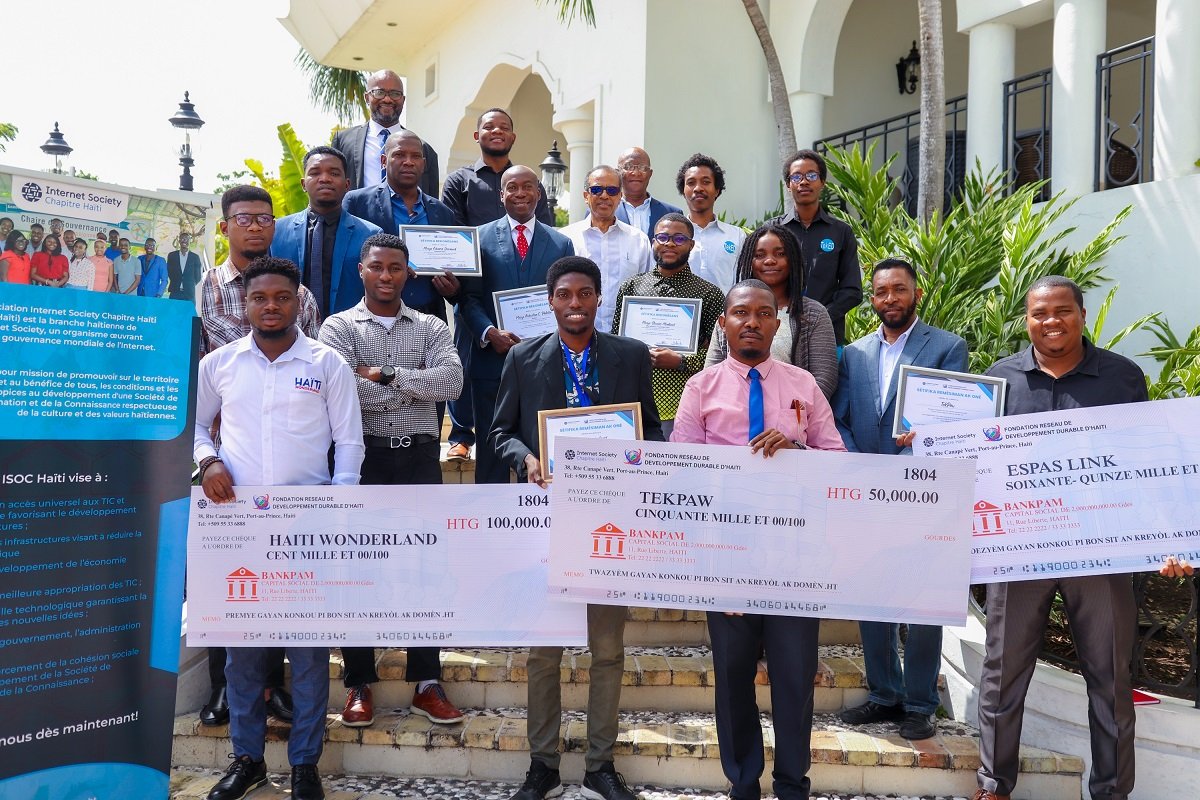
In today’s world, where online presence is crucial for business success, being visible on search engines is essential. Imagine this: a potential client is looking for services like yours in Haiti. He opens Google and types something like b~"Haïti web agency"~b or b~"Haitian developer"~b. The question is: where does your business rank in these search results? In our case, b~Appo-graphic~b is present in the first three results for the search b~"Haïti web agency"~b and b~Appolon Guy Alain~b occupies the first place for the search on b~"developer Haitian"~b, thanks to two of our well-optimized articles. This surely guarantees them more contracts, just as it guarantees us more contracts, because you found us among the first results when carrying out searches on natural referencing in Haïti and SEO. At Haïti Wonderland, we understand the importance of this visibility. That’s why we work to ensure your business is among the top three search results for relevant keywords in your industry, as we know the majority of customers only click on those top three results. Our services currently focus on writing highly optimized advertising articles, designed to propel you to the top of search results. We write about you and your industry, ensuring that each article is carefully targeted to attract the attention of search engines and potential customers. In just a few weeks, these articles can start ranking in the top positions of search results, providing increased visibility and driving traffic to your website or social media pages.
In a town struck by insecurity and economic problems, where survival becomes a daily struggle, some refuse to give in to chaos. In Carrefour, a city plunged into the spiral of violence that eats away at all signs of life, Pierry Denejour embodies this spirit of resistance. Aged around thirty, the native of Port-au-Prince is not only a merchant. The only son of Evena Denejour – a "Marijàn" whose name he proudly bears –, the entrepreneur has transformed his love for art into a passion that lights up his life. A collector of paintings on canvas, he is also the founder of DEP-ARTS Production Multi-Services, a company he launched on December 2, 2018, which is now celebrating six years of active presence in the Carrefour community. Specializing in the sale of electronic equipment, MonCash and NatCash services among others, DEP-ARTS has built a solid reputation in six years. But beyond its commercial activities, it is through its ability to establish relationships of trust and support community initiatives that Pierry has established itself as a key player in its community. Under his leadership, DEP-ARTS is much more than a company: it is a symbol of hope in a town in search of renewal.
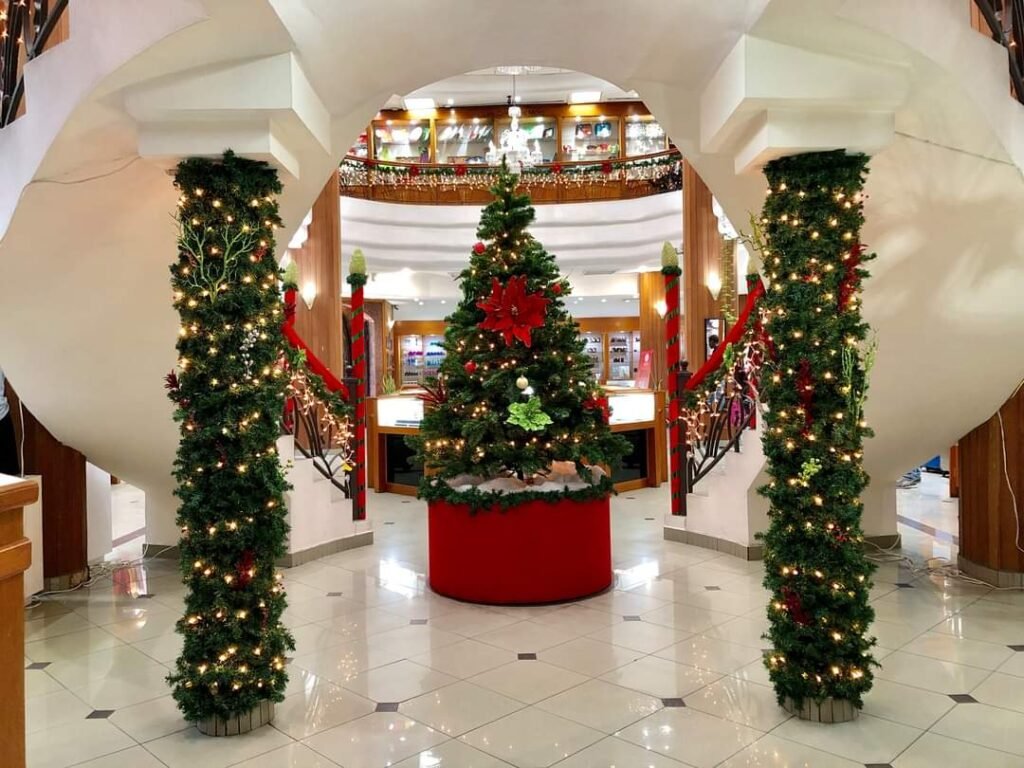
In Haiti, December 25th, Christmas Day, is much more than just a religious holiday. It is a date filled with traditions, cultural meanings, and moments of sharing. This article explores what this day means to Haitians and how it is celebrated throughout the country.
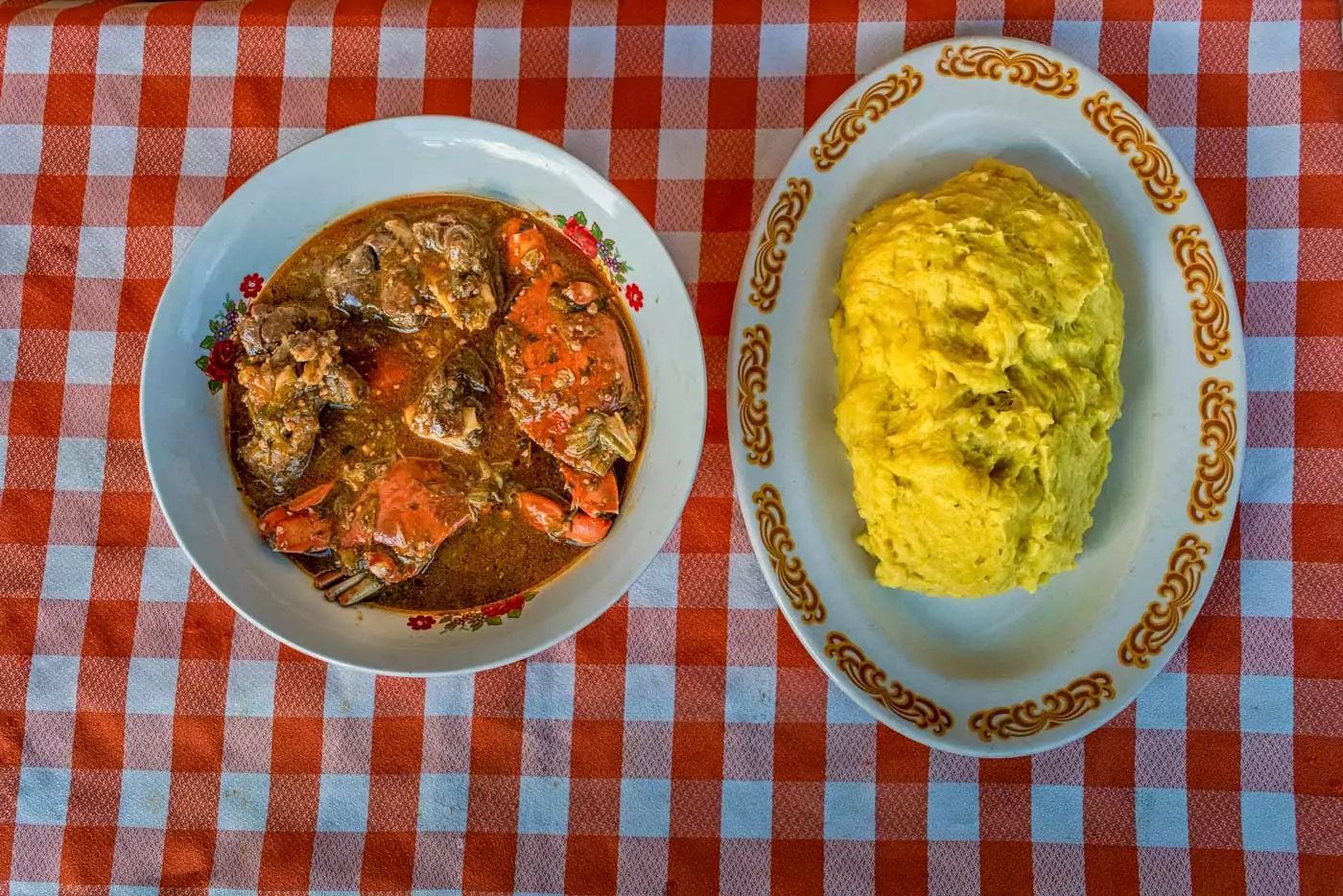
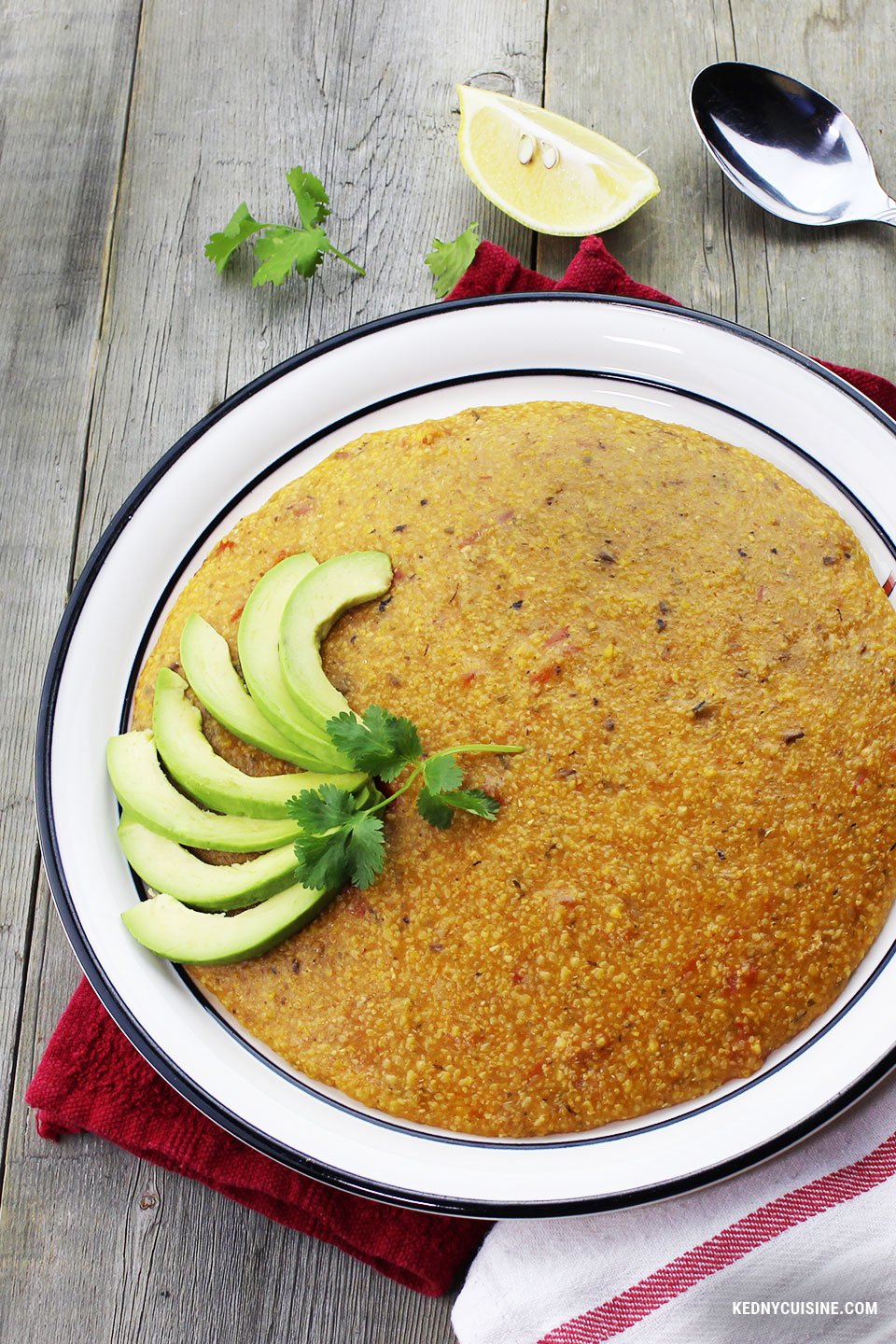
Haitian cuisine is full of flavors, colors, and aromas that reflect the country’s history and cultural diversity. Among the most iconic dishes, "Diri sòs pwa ak legim" (rice, pea sauce, and vegetables) stands out as a true culinary treasure. This dish is much more than just a meal: it symbolizes the sharing, tradition, and creativity of Haitians. In this article, let’s discover why this dish is so popular and what makes it an icon of Haitian gastronomy.
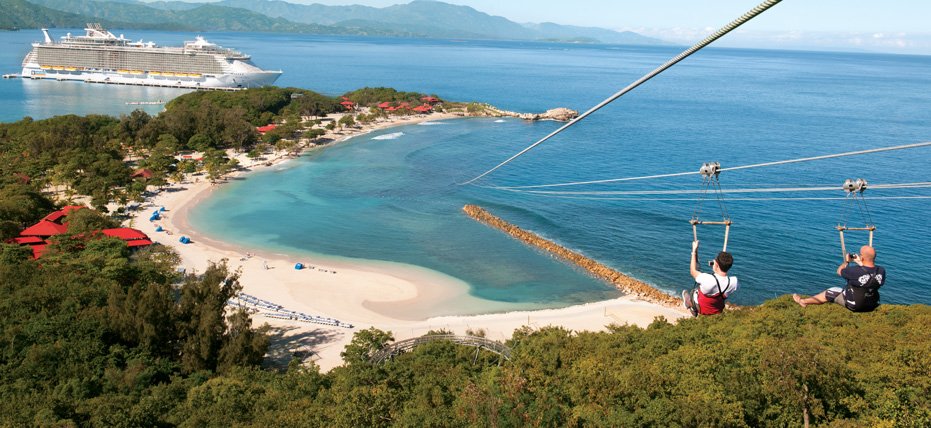
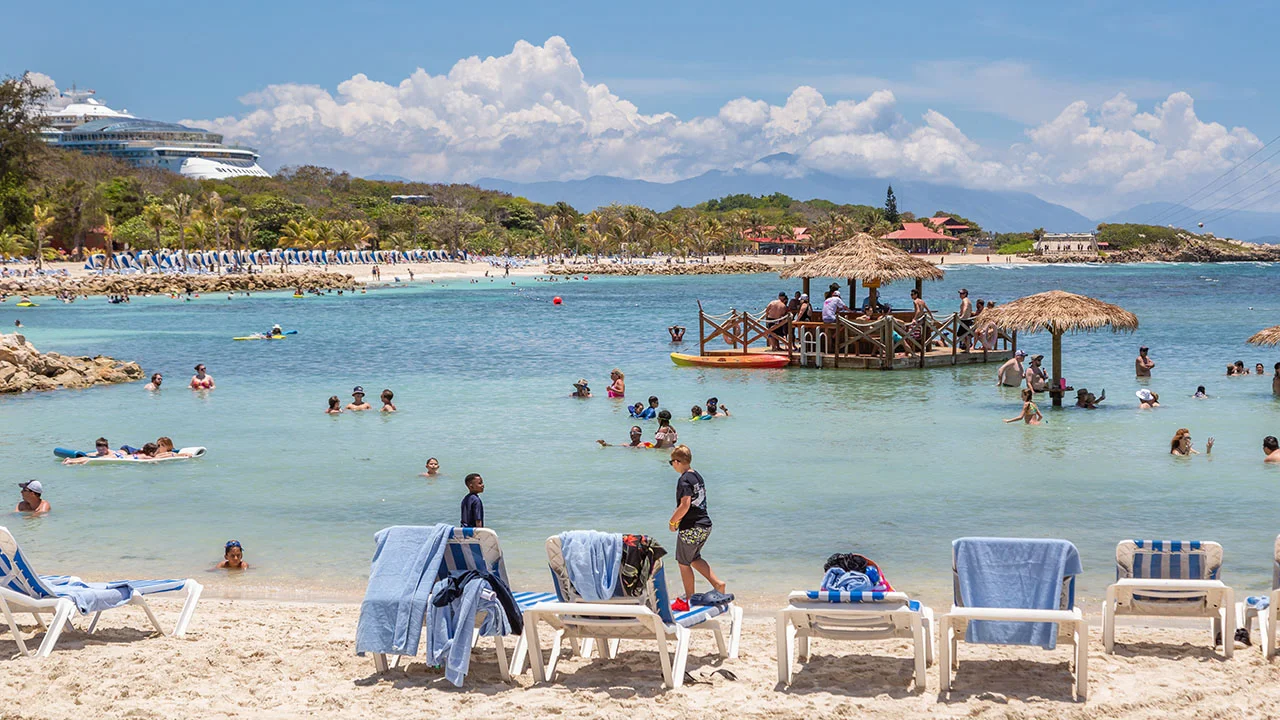
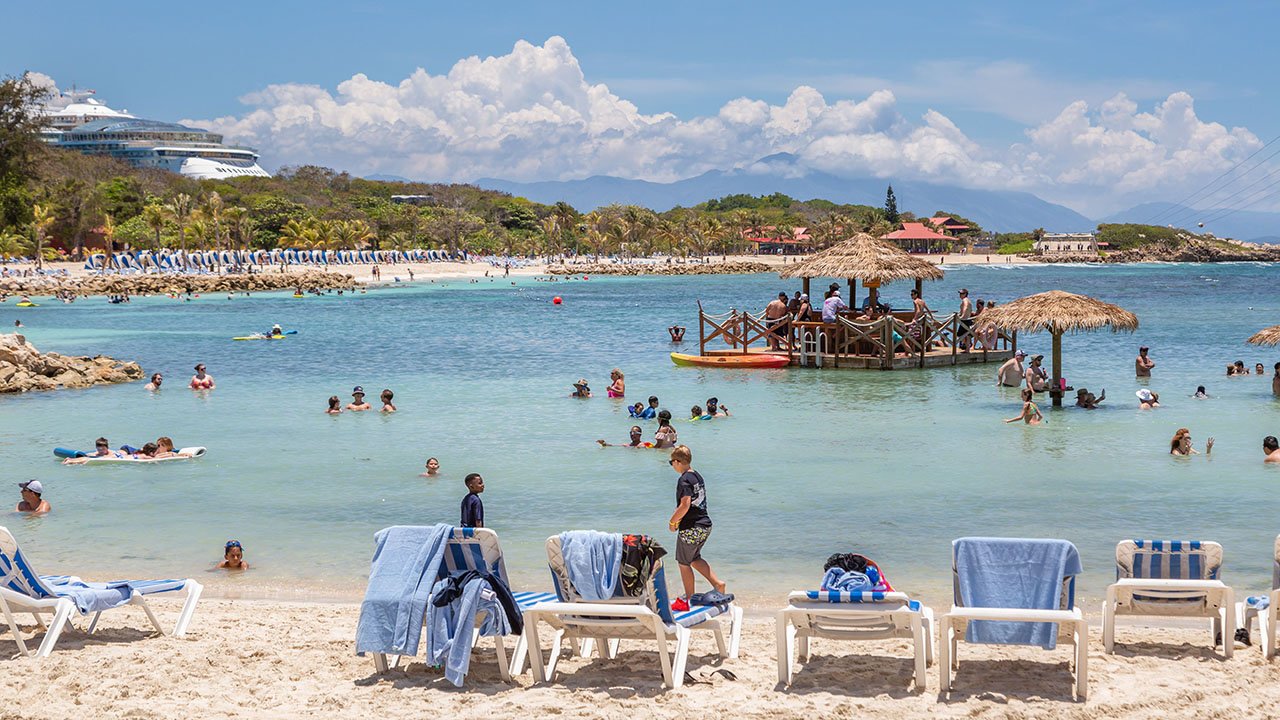
On September 1, 2024, Haïti vibrated to the rhythm of Roadtrip 4.0, an exceptional event that left a memorable mark on all participants. Organized by ShoublackHaïti and Championbusiness, this fourth edition of the Roadtrip brought together dozens of people on the beach of Marquis Paradise, near Labadee, Haiti, for a day combining relaxation, entertainment and cultural immersion.
The democratic political system requires the active participation of citizens in the management of the city. Everyone freely expresses their opinion for harmonious management of society. Generally the choices are made from the organization of free and honest elections. However, sometimes candidates use diverted means to achieve their ends. Can we consider this act as a form of corruption or a political strategy? In a democratic society, the organization of elections at regular intervals is an imperative. Managers are generally elected by the majority of voters, which ensures them a certain legitimacy within the framework of government management. Today, more and more, around the world, the elections are controlled by economic power. This sector gives a lot of silver to candidates who often buy the media services in order to have certain visibility through mass communication means (radio, VAT, Internet, etc.) and do without constraints Many very expensive trips, which require enormous capital. By the way, the possibility that a candidate with low financial means of being elected is increasingly reduced in Western societies. Despite everything, it is illegal to buy the votes of the voters. It is an act of corruption that should lead to criminal sanctions. No society can tolerate this practice which could hamper the degeneration of the democratic system and, consequently, of the electorate system. Civil society and human rights organizations must be vigilant in order to avoid these harmful drifts in the democratic system. In fact, the temptation to bribe the voters in order to access elective positions must be denounced as an act of corruption. In doing so, will lead to political dissenting between duty, and law, because citizens are called upon to freely choose the leaders of the city. Ultimately, the organization of the elections must be the fruit of consensus between the various groups of the social system. Managers must be chosen according to their ability to provide adequate answers to the problems of the company. They can still benefit from powerful financial means from other partners. But, giving voters directly money is a condemnable detective act which reduces the autonomy of action and thinking of voters. In this sense, the latter’s vote must reflect the desire to choose or build a fair, fair and favorable company.
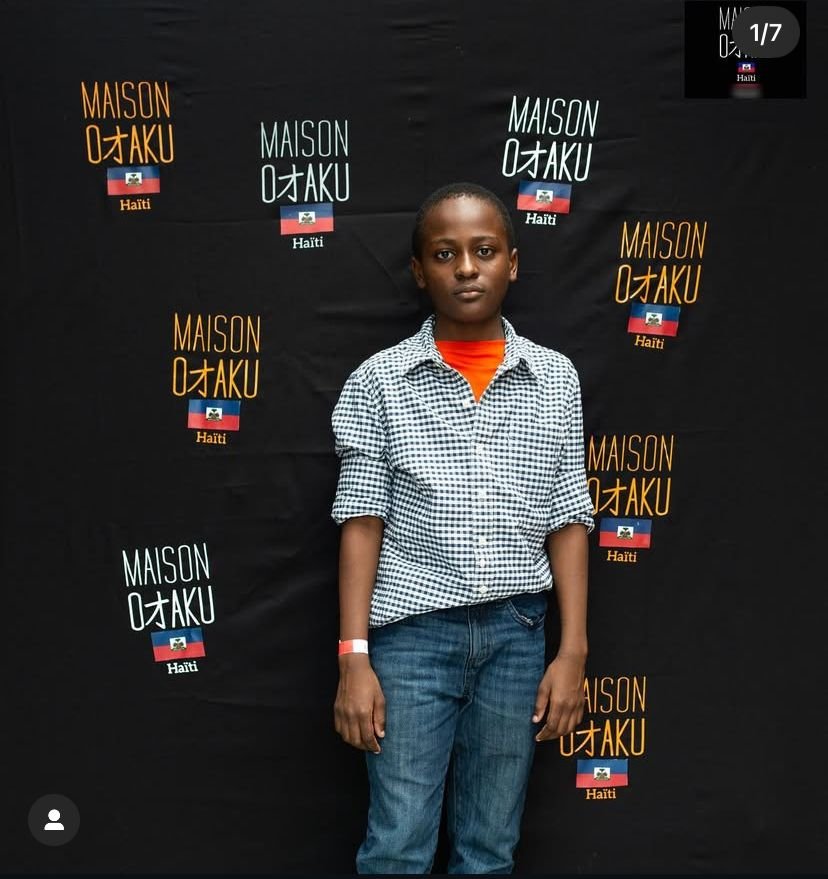
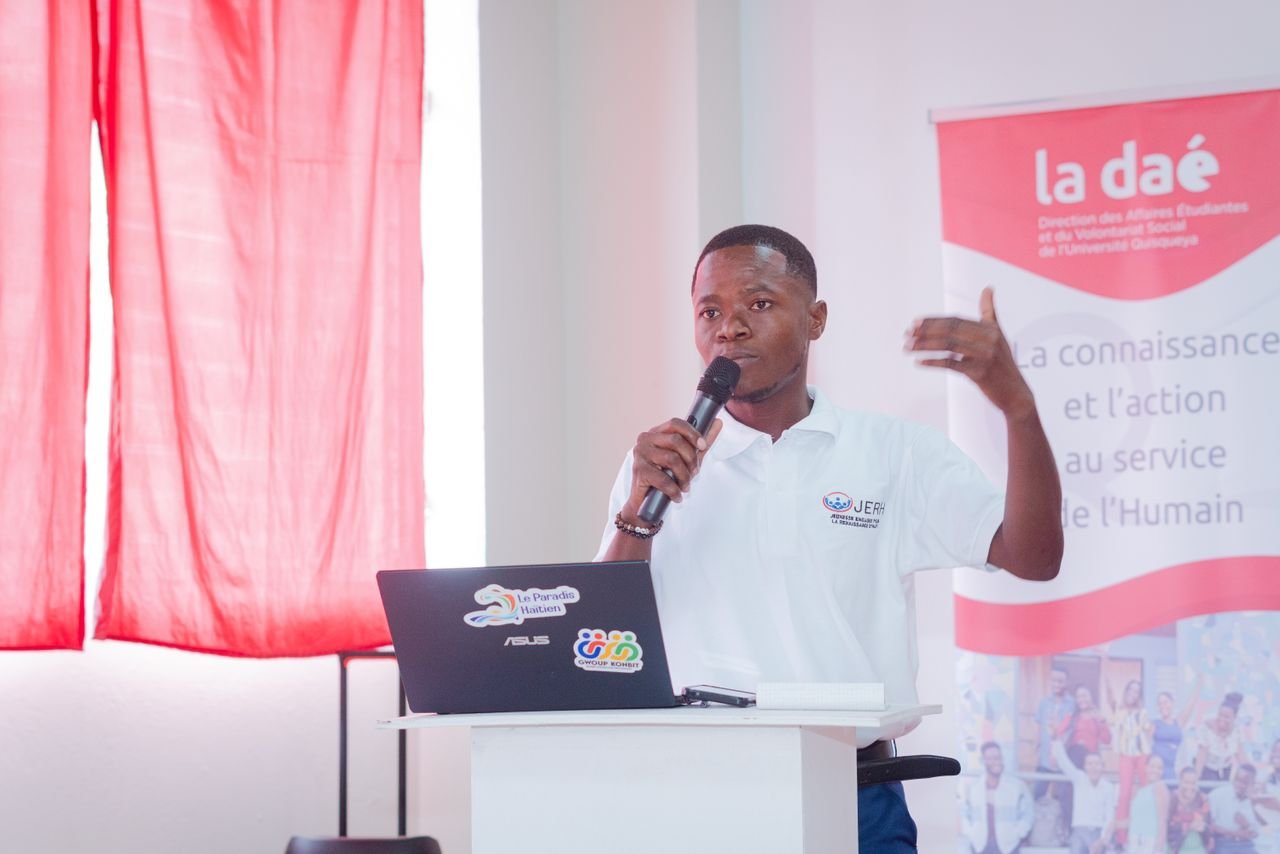
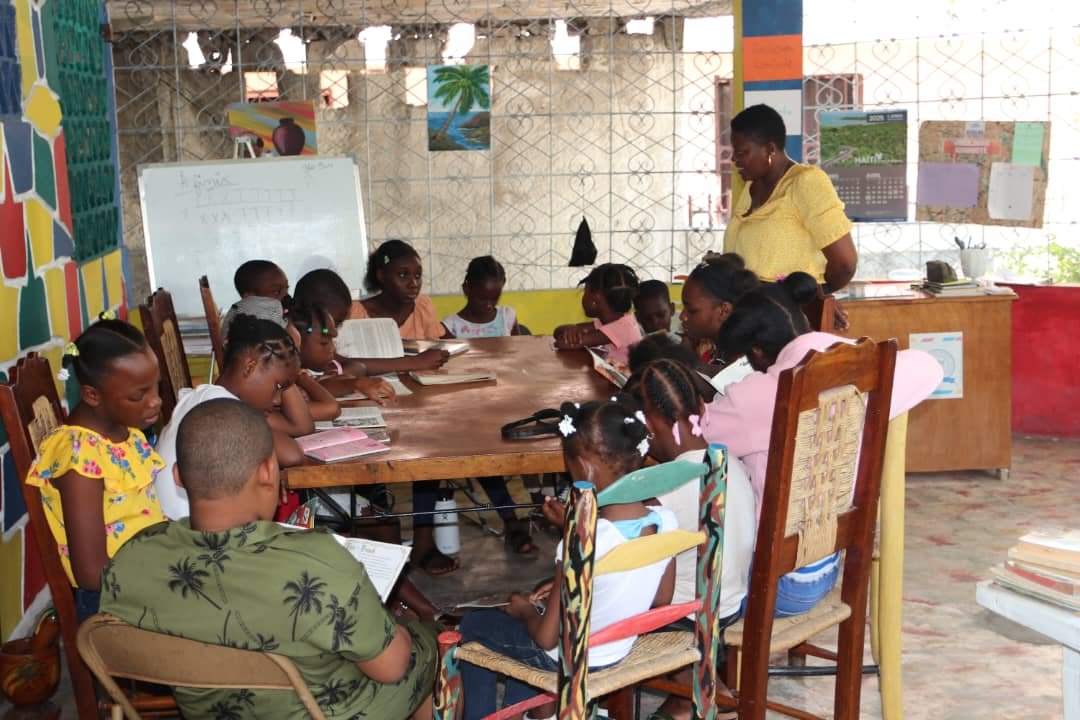
In Arabic, the family of words Amin, Iman or imam, imana designate faith, trust, security. This word is also present in the Swahili language (Kenya, Tanzania, East Congo Kinshasa) in the form imani: trust. "The term Imana is not the equivalent of God-Goddess which is a Western vision of divinity. Indeed,: "the term "imana" does not designate above all a personal being that should be honored and implored, but a diffuse fluid that should be captured." In other words, Imana is a neutral vital force that manifests itself in the inner cosmos of each living being." ¹ Imana, by Michel Darlin Johancy is a musical, symphonic and spiritual journey through three geographies: an inner geography of meditation, a cultural identity journey and an artistic musical stroll. These three itineraries unfold in Haitian spaces. This symphonic and spiritual journey takes place in 10 stages or 10 movements.
Haiti, a jewel nestled in the heart of the Caribbean, stands out for its cultural, natural and historical wealth. This vibrant nation is divided into 10 departments, each offering unique treasures to discover. Originally formed from the three provinces of the colony of Santo Domingo (North, South and West), these departments have evolved over the years, subdividing into a mosaic of dynamic and distinct regions. Today, Haïti is organized into 42 districts, 146 communes and 575 communal sections. These subdivisions reflect a geographic and cultural diversity that is worth exploring. Ready for a captivating journey through the 10 departments of Haiti? We take you on an exciting exploration of their districts, towns and cities that make them up. Hang in there, the adventure starts here!
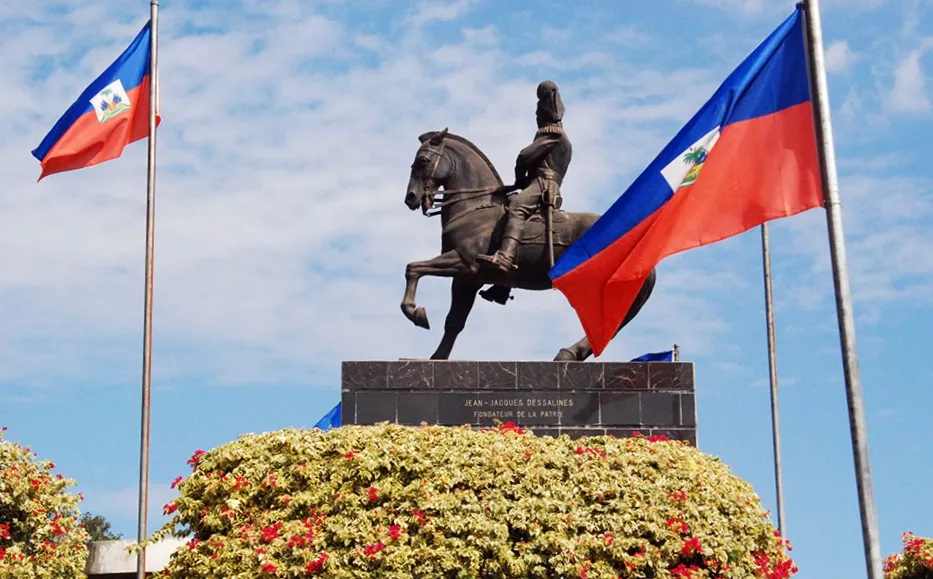
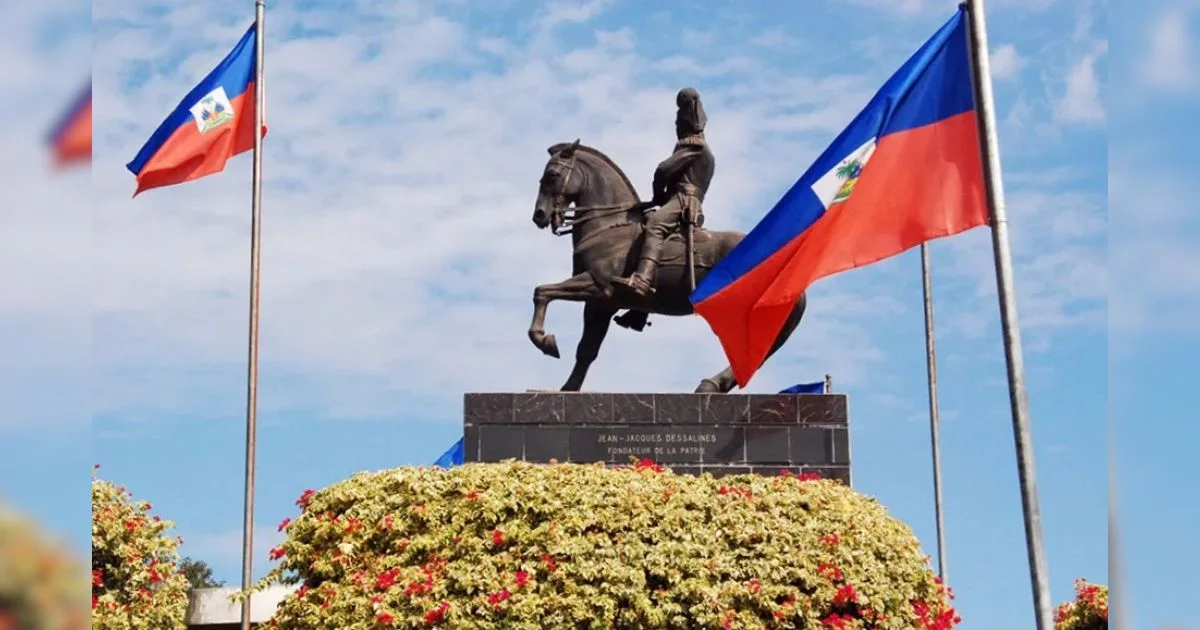
On May 18, Haïti celebrates "Flag Day", a public holiday marking the creation of the Haitian flag in 1803. Displayed for the first time in Arcahaie by Jean-Jacques Dessalines, this national symbol results from the fight for independence against slavery and French domination. Established in 1926 by Timothée Paret, then Minister of Justice under the presidency of Louis Borno, this celebration took on a particular dimension in the midst of American occupation and remains as a tradition. Haitians honor this day with school parades, musical groups in the streets and patriotic songs, recalling the union and solidarity of ancestors. The “Flag Festival” is an opportunity to reflect on the values of freedom and determination which continue to forge the Haitian national identity.
Haiti, a Caribbean republic with a rich historical past, is divided into ten departments comprising 140 communes. Its history dates back to pre-Columbian times with the Tainos, followed by European colonization and a historic rebellion against slavery and colonial rule, culminating in its independence in 1804. Despite its current challenges, Haïti offers remarkable natural beauty with its beaches, its mountains and its cultural diversity. Among its municipalities, some stand out for their charm and history. Here is a selection of five of the most remarkable communes in Haiti, inviting you to discover its hidden treasures.
Le Makaya est bien plus qu’une simple fête ; il est un pilier spirituel du vaudou haïtien, une tradition vivante qui lie les croyances ancestrales aux rituels de purification, de guérison et de renouveau. Célébré principalement à la fin du mois de décembre, le Makaya tire ses racines de l’Afrique, en particulier des civilisations bantoues, et se déroule dans un contexte profondément spirituel où les liens avec les ancêtres et les forces naturelles sont essentiels. Le terme "Makaya", qui signifie "feuilles" en Kikongo, est intrinsèquement lié à la nature et aux plantes, éléments essentiels du vaudou. Ce lien direct avec la nature fait du Makaya un moment de purification, où les croyants se connectent à la terre et aux esprits par l’intermédiaire des végétaux. La tradition du Makaya vient des peuples Bantous, principalement du Congo, et de leurs pratiques spirituelles qui ont été transposées, adaptées et enrichies par la diaspora haïtienne pendant la période de l’esclavage. La période du Makaya commence le 21 décembre, lors du solstice d’hiver, une date symbolique marquant la victoire de la lumière sur les ténèbres, le commencement du renouveau solaire. Dans le vaudou, cette époque est perçue comme un moment d’introspection où la nuit la plus longue de l’année se transforme lentement en jour, apportant avec elle des forces purificatrices et régénératrices.
One year after the release of their album “TRAVÈSE”, the group Nanm Vodou continues to trace its musical path with passion and authenticity. With the valuable support of the French Institute in Haiti, Nanm Vodou presented the concert “Yon lane pou Travèse” on Thursday July 18, 2024, to mark the start of the summer festivities. Fans of Haitian music and culture experienced a captivating evening, where the rhythms of drums and sacred chants resonated with spiritual intensity.

First black nation to free itself from slavery and gain independence from France in 1804 and influenced other liberation movements around the world, inspiring struggles for freedom and equality.

Haïti is blessed with spectacular natural landscapes, including white sand beaches, mountains and rich biodiversity.

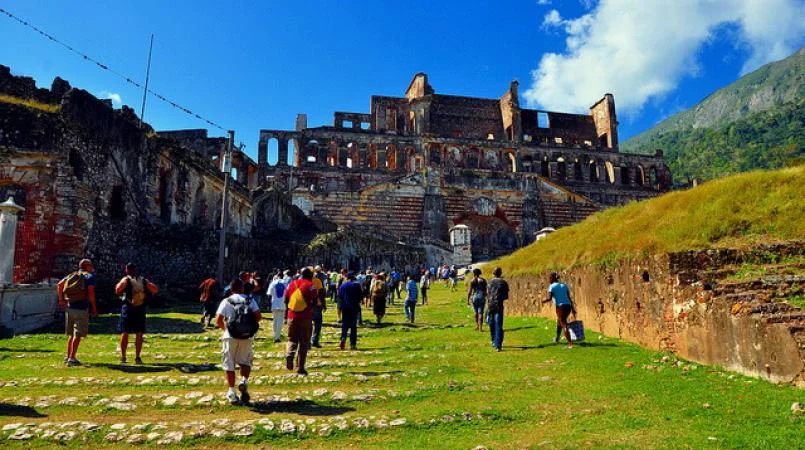
Haïti has a rich historical heritage, including sites like the Citadelle Laferrière and the Sans-Souci Palace, listed as UNESCO World Heritage Sites.

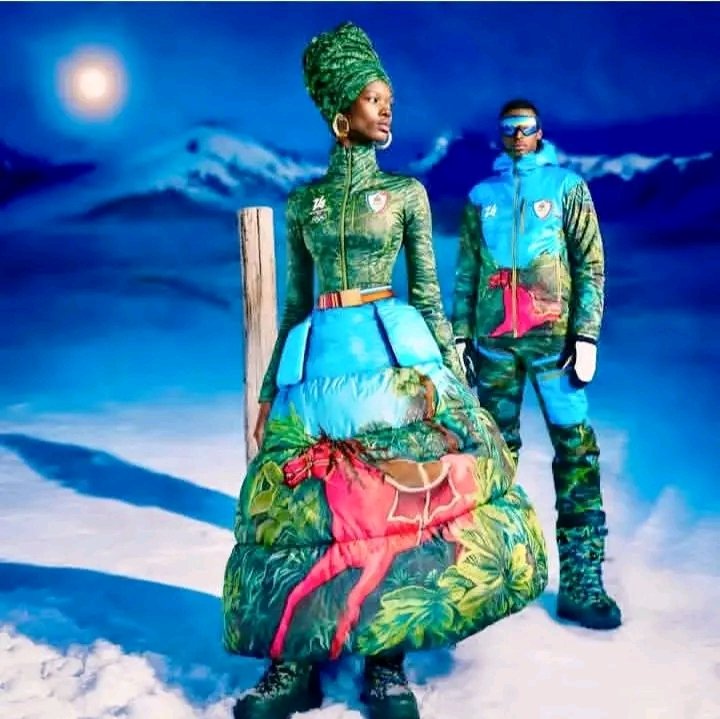
Haïti has a rich and diverse culture, influenced by African, European and indigenous elements. Haitian music, dance, art and cuisine are celebrated around the world.