contact@haitiwonderland.com+509 36184317

Discover

Shopping Cart

20 Best Places to Visit in Haiti: Tourist attractions, Beaches and More.

20 Best Places to Visit in Haiti: Tourist attractions, Beaches and More.

Haiti, a Caribbean island, is full of natural and cultural treasures just waiting to be discovered. From majestic mountains to white-sand beaches to fascinating historical remains, Haïti offers a variety of attractions that captivate travelers from around the world. Here is an overview of the main attractions not to be missed during your stay in Haiti:

Citadelle Laferrière

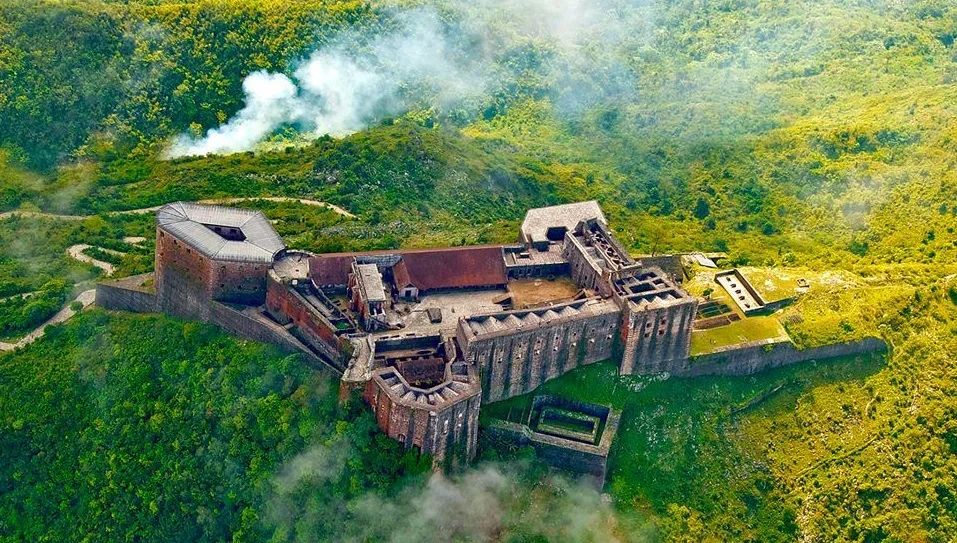
Citadelle la Ferrière - Cap-Haitien

Perched on a mountain ridge, the Citadelle la Ferrière is an impressive and emblematic fortress in the history of Haiti. Built at the beginning of the 19th century to defend against foreign invasions, this citadel offers a breathtaking panoramic view of the surrounding area.

The architecture of the Citadel is impressive, and it is a UNESCO World Heritage Site due to its historical importance and unique architecture. Visitors today can explore the Citadel and enjoy panoramic views of the surrounding countryside. It is one of the most popular tourist attractions in Haiti, offering visitors a glimpse into the nation’s fascinating history and cultural heritage.

Explore the Citadelle Laferrière in virtual reality! : https://haitiwonderland.com/haiti-virtual-reality-ht/monuments-histoire/haiti--citadelle-la-ferriere--visite-virtuelle/1

Haïti : Labadee
Haïti : Labadee
Haïti : Labadee

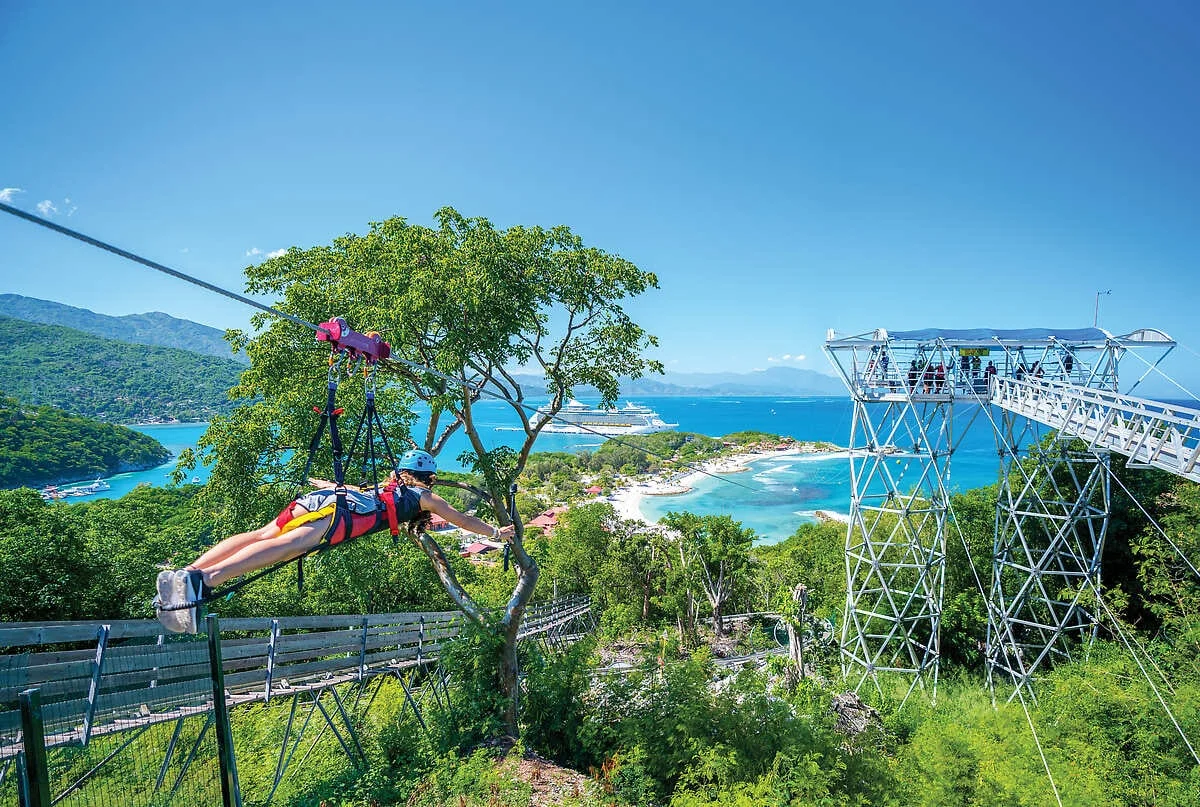
Labadee - Cap-Haitien

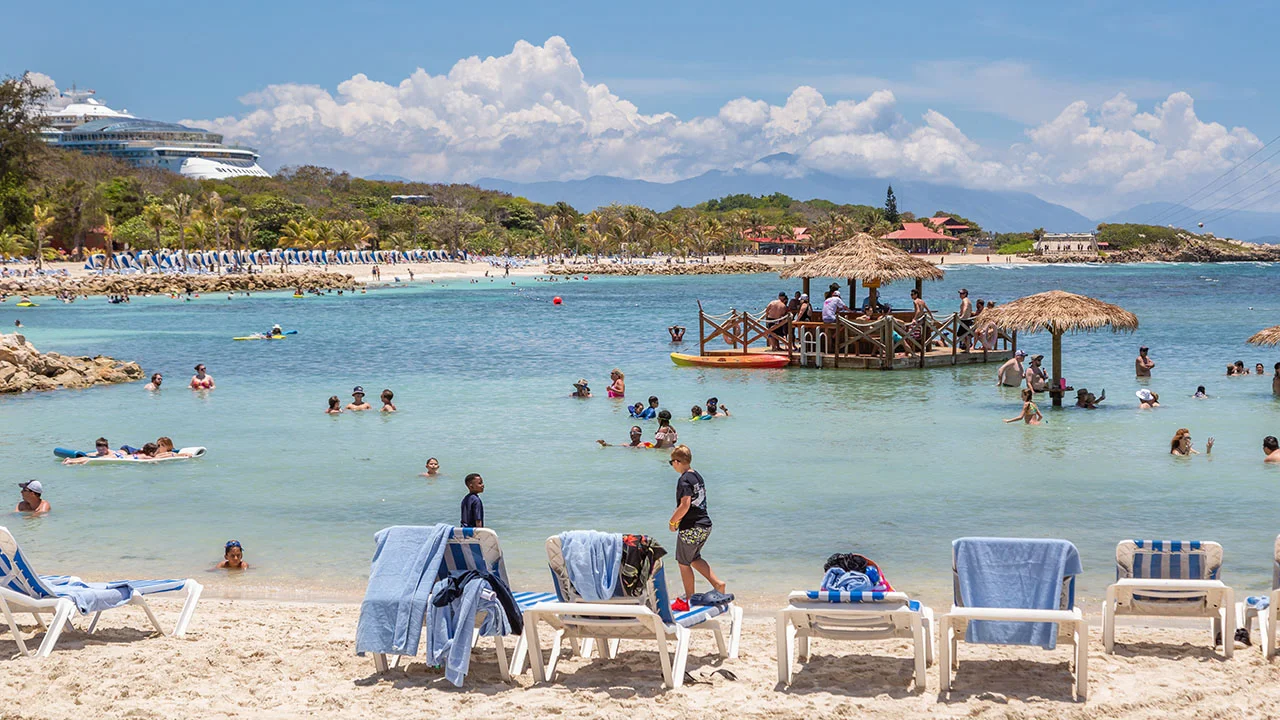
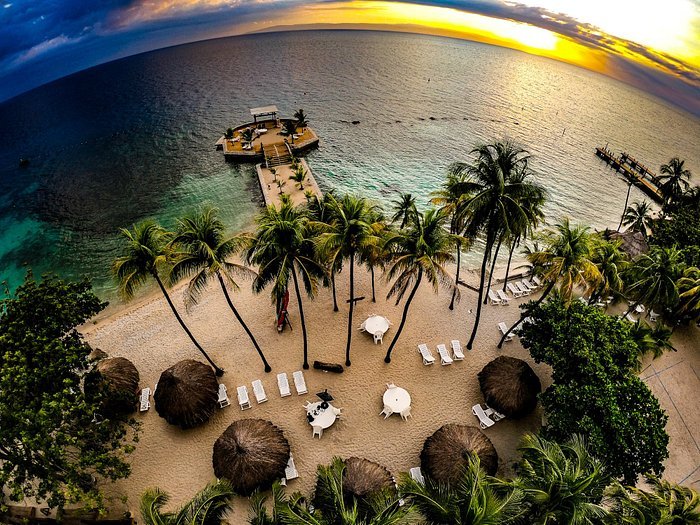
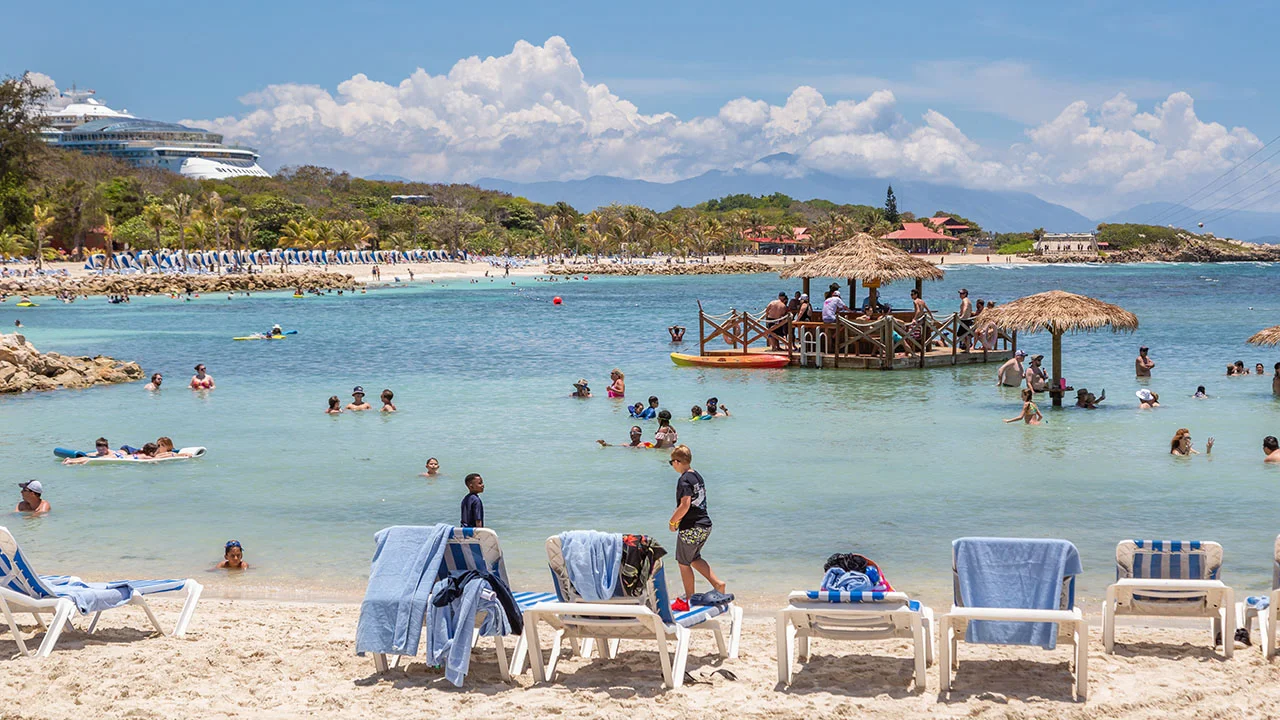
Labadee, a peninsula in the north of Haiti, a dream destination for beach lovers. With its crystal clear waters and white sand beaches lined with palm trees, Labadee is the perfect place to relax and soak up the Caribbean sun. Owned by the Royal Caribbean International cruise line, this private enclave is a must-see stopover for travelers plying the turquoise waters of the Caribbean aboard the company’s cruise ships.

Jardin botanique des Cayes

Cayes Botanical Garden - Cayes

Nestled in the heart of the town of Les Cayes, this botanical garden offers an oasis of greenery and tranquility. Visitors can admire a wide variety of tropical plants, as well as peaceful ponds and winding paths. This botanical garden is a place dedicated to the preservation and presentation of local flora, as well as raising public awareness of the importance of biodiversity conservation.

Bassin Bleu
Bassin Bleu
Bassin Bleu

Bassin Bleu - Jacmel

For an adventure in the great outdoors, head to Bassin Bleu in Jacmel. This picturesque site is made up of three waterfalls surrounded by lush vegetation. Visitors can swim in natural pools of turquoise water and even zipline over the falls.

Palais Sans Souci
Palais Sans Souci
Palais Sans Souci

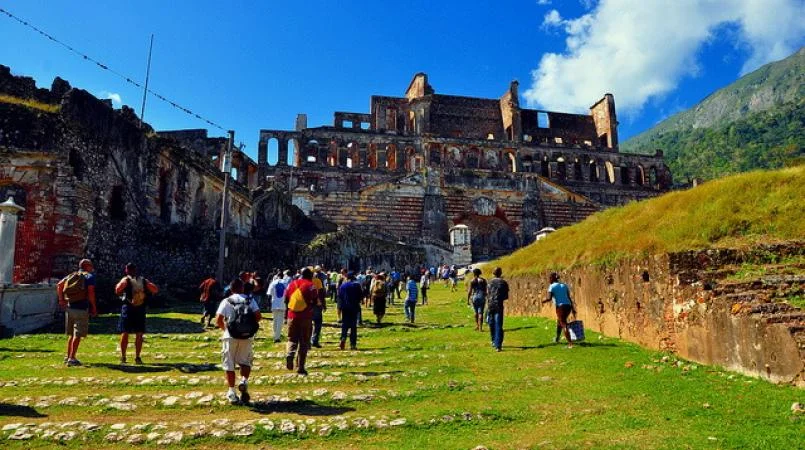
Palais Sans Souci - Cap-Haïtien

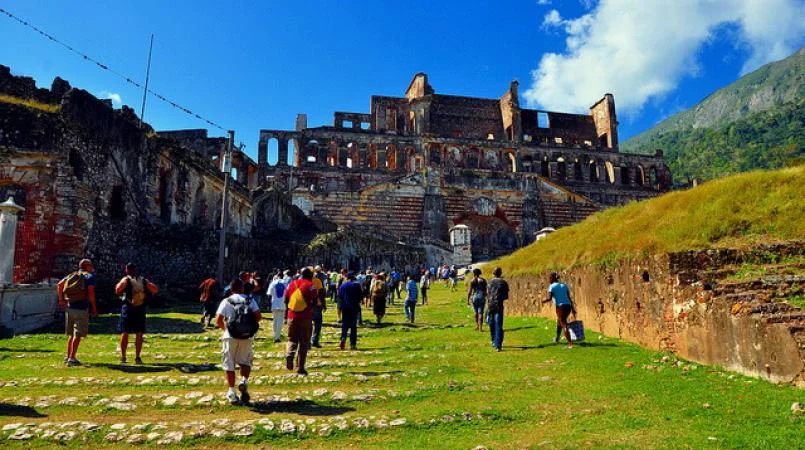
Former residence of King Henry I of Haiti, Palais Sans Souci is an architectural masterpiece nestled in the mountains near Cap-Haïtien. Visitors can explore the ruins of this majestic palace and imagine the island’s past grandeur. In 1982, the Sans Souci Palace was listed as a UNESCO World Heritage Site, in recognition of its historical and architectural importance.

Explore the Sans Souci Palace in virtual reality! : https://haitiwonderland.com/haiti-virtual-reality-ht/monuments-histoire/haiti--palais-sans-souci--visite-virtuelle/3

Royal Decameron Indigo

Royal Decameron Indigo - Montouis

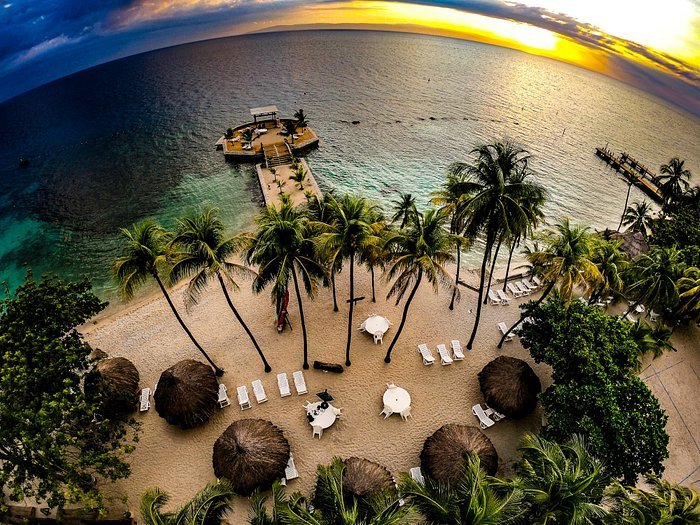
Located on the northern coast of Haiti, this all-inclusive resort offers the perfect blend of relaxation and adventure. With its private beaches, world-class restaurants and water activities, the Royal Decameron Indigo is a haven for travelers seeking comfort.

Grotte Marie-Jeanne
Grotte Marie-Jeanne
Grotte Marie-Jeanne

Grotte Marie-Jeanne - Cayes

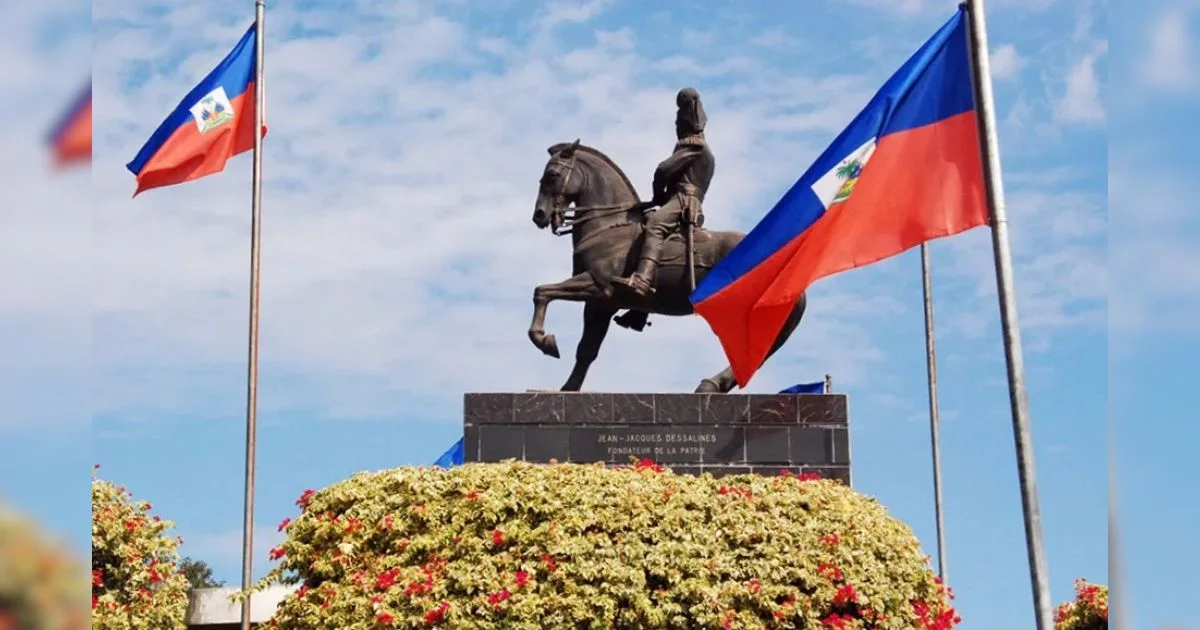
This spectacular cave near the town of Les Cayes is a true paradise for caving enthusiasts. Visitors can explore its underground galleries, admire its stalactites and stalagmites. It played a significant role in the Haitian Revolution which resulted in Haitian independence in 1804. It is said that the cave served as a refuge for rebel slaves led by General Jean-Jacques Dessalines. This cave has become a symbol of the struggle for freedom and is often visited by tourists and Haitians to commemorate this history.

Île à Rat
Île à Rat
Île à Rat

Île à Rat - Cap-Haïtien

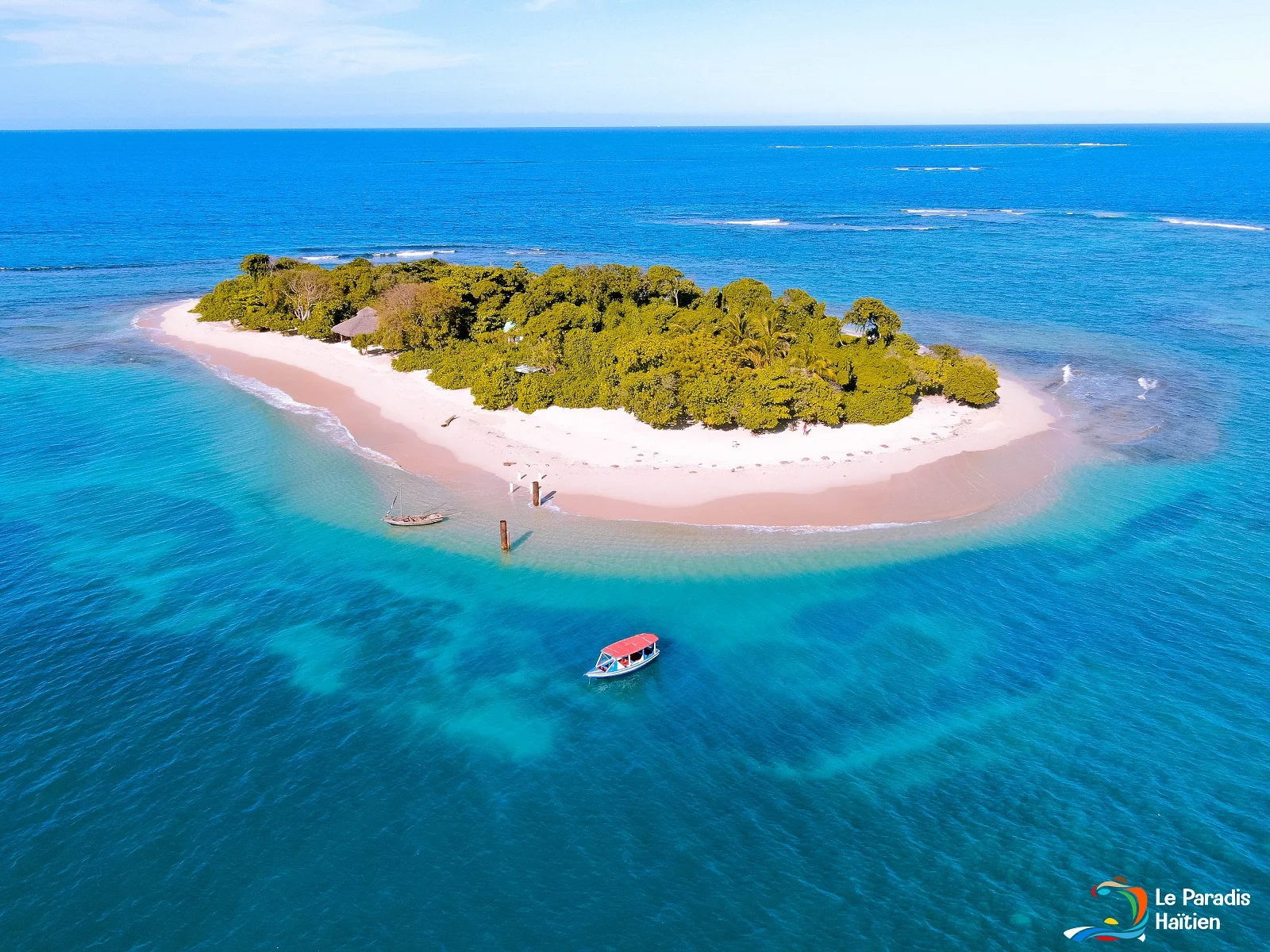
Accessible by boat from Cap-Haitien, Île à Rat is a small, unspoilt tropical paradise. Visitors can snorkel among the colorful coral reefs, relax on its white sand beaches, or simply enjoy the tranquility of the island.

MUPANAH
MUPANAH
MUPANAH

MUPANAH - Port-au-Prince

The Musée du Panthéon National Haïtien in Port-au-Prince houses an impressive collection of artifacts and works of art that trace the turbulent history of Haiti, from pre-Columbian times to the present day. Visitors can discover historical artifacts, famous paintings and interactive exhibits.

Saut-Mathurine
Saut-Mathurine
Saut-Mathurine

Saut-Mathurine - Cayes

Located near the town of Les Cayes, this picturesque waterfall is one of the highest in Haiti. Visitors can swim in its refreshing waters, have picnics by the river, or simply admire its natural beauty.

Kenscoff et Furcy
Kenscoff et Furcy
Kenscoff et Furcy

Kenscoff and Furcy - Kenscoff

Nestled in the mountains near Port-au-Prince, the villages of Kenscoff and Furcy offer a peaceful refuge from the hustle and bustle of the city. Visitors can go on scenic hikes, learn about the local culture, and enjoy traditional Haitian dishes.

Moulin Sur Mer
Moulin Sur Mer
Moulin Sur Mer

Moulin Sur Mer - Montouis

This former sugar plantation transformed into a hotel complex is a hidden gem on the northern coast of Haiti. Visitors can stay in quaint cottages, explore the ruins of the old sugar mill, and relax on its private beaches.

Parc Historique de la Canne à Sucre

Parc Historique de la Canne à Sucre - Tabarre

This historic park near Port-au-Prince traces the history of sugar cane in Haiti, from cultivation to processing. Visitors can discover sugar cane plantations, restored mills, and even take part in local rum tastings.

Cascade Saut d’Eau
Cascade Saut d’Eau
Cascade Saut d’Eau

Saut d’Eau Waterfall - Center Department

This sacred waterfall is an important place of pilgrimage for many Haitians. Every year, thousands of faithful come to bathe in its waters and pay homage to the Virgin Mary during the Saut d’Eau festival.

Heroes of Vertières - Cap-Haitien

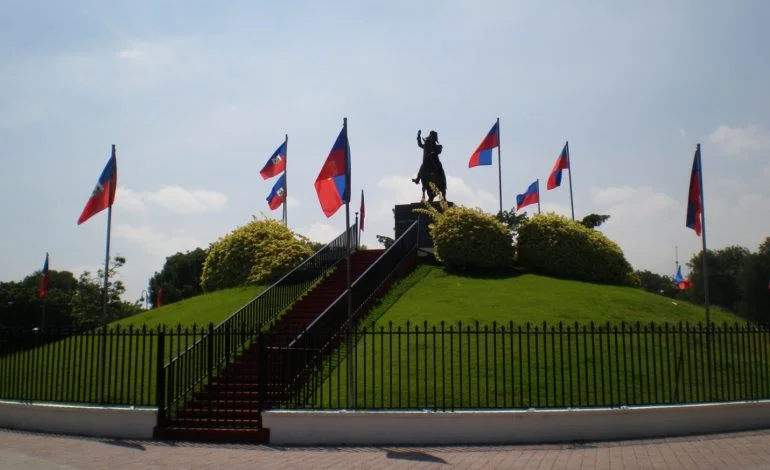
This monument commemorates the decisive victory of Haitian troops over French forces at the Battle of Vertières in 1803, which led to Haiti’s independence. Visitors can discover monumental sculptures and learn more about the history of the Haitian revolution.

Cormier Beach
Cormier Beach
Cormier Beach

Cormier Beach - Cap-Haïtien

This quiet beach near Cap-Haitien is a true haven of peace for travelers looking for relaxation

Haiti, with its unique natural and cultural treasures, offers an unforgettable travel experience for those who dare to explore its hidden wonders. From historical remains to idyllic beaches to vibrant cities, every corner of this Caribbean gem is infused with the richness and diversity of Haitian culture. Whether you are a history buff, nature enthusiast, or intrepid adventurer, Haïti has something to offer every visitor.

Haïti : Côte des Arcadins

Côte des Arcadins - Montouis

Côte des Arcadins is a coastal region located on the west coast of Haiti, north of the capital Port-au-Prince. It is famous for its magnificent white sand beaches, crystal clear waters and tropical atmosphere. The area is home to several resorts, resorts and restaurants offering visitors a range of activities, from relaxing on the beach to water sports like scuba diving and sailing. The Côte des Arcadins is also known for its lively nightlife, with bars, clubs and open-air concerts. It is a popular destination for tourists looking for sun, sea and relaxation in an exotic setting.

Haïti : Fort-Jacques & Alexandre

Fort-Jacques & Alexandre - Port-au-Prince

Fort-Jacques and Fort Alexandre are two historic sites located in Haiti, near the capital Port-au-Prince.

Fort-Jacques: This fort, built at the end of the 18th century, overlooks the town of Pétion-Ville. It was erected during the French colonial period to defend the region against possible attacks. Today, it is a popular tourist site offering panoramic views of the surrounding region and serving as a reminder of Haiti’s turbulent history.

Fort Alexandre: Also known as Fort Alexandre Pétion, it is also located in Pétion-Ville, near Fort-Jacques. Built under the presidency of Alexandre Pétion, one of the first Haitian leaders after the country’s independence, this fort played an important role in the defense of the region. It also offers a panoramic view and constitutes a testimony to the military history of Haiti.

These two forts are fascinating historical sites, offering visitors insight into Haiti’s history and military architecture, as well as spectacular views of the surrounding region.

Haïti : Fort Picolet

Fort Picolet - Cap-Haïtien

Fort Picolet is an ancient fortification located in the town of Cap-Haitien, in northern Haiti. Built in the 17th century, this fort was part of the French colonial defense system established to protect the region against enemy attacks, including those from pirates and enemy fleets.

Fort Picolet is notable for its strategic location, perched on a hill overlooking the bay of Cap-Haitien. From here it provided a commanding view of the sea and surrounding areas, allowing defenders to monitor and repel potential attacks.

Today, Fort Picolet is one of the most important historical sites in Cap-Haïtien. Although partially in ruins, it remains a major tourist attraction, offering visitors a unique opportunity to learn about Haiti’s colonial history and admire the impressive remains of this ancient fortification.

Explore the ruins of Fort Picolet in virtual reality! : https://haitiwonderland.com/haiti-virtual-reality-ht/monuments-histoire/haiti--fort-picolet--visite-virtuelle/14

Haïti : Parc national La Visite

Parc national La Visite

La Visite National Park is one of the most important national parks in Haiti. Located in the mountains of the Massif de la Selle chain, it offers remarkable biodiversity as well as spectacular natural landscapes.

The park is a privileged place for lovers of hiking and ecotourism. It has marked trails that allow visitors to explore the natural beauty of the area while enjoying stunning views of the surrounding mountains. Local guides are often available to accompany visitors and provide information on the flora, fauna and history of the area.

Share
About the Author
Appolon Guy Alain
Appolon Guy Alain
Appolon Guy Alain

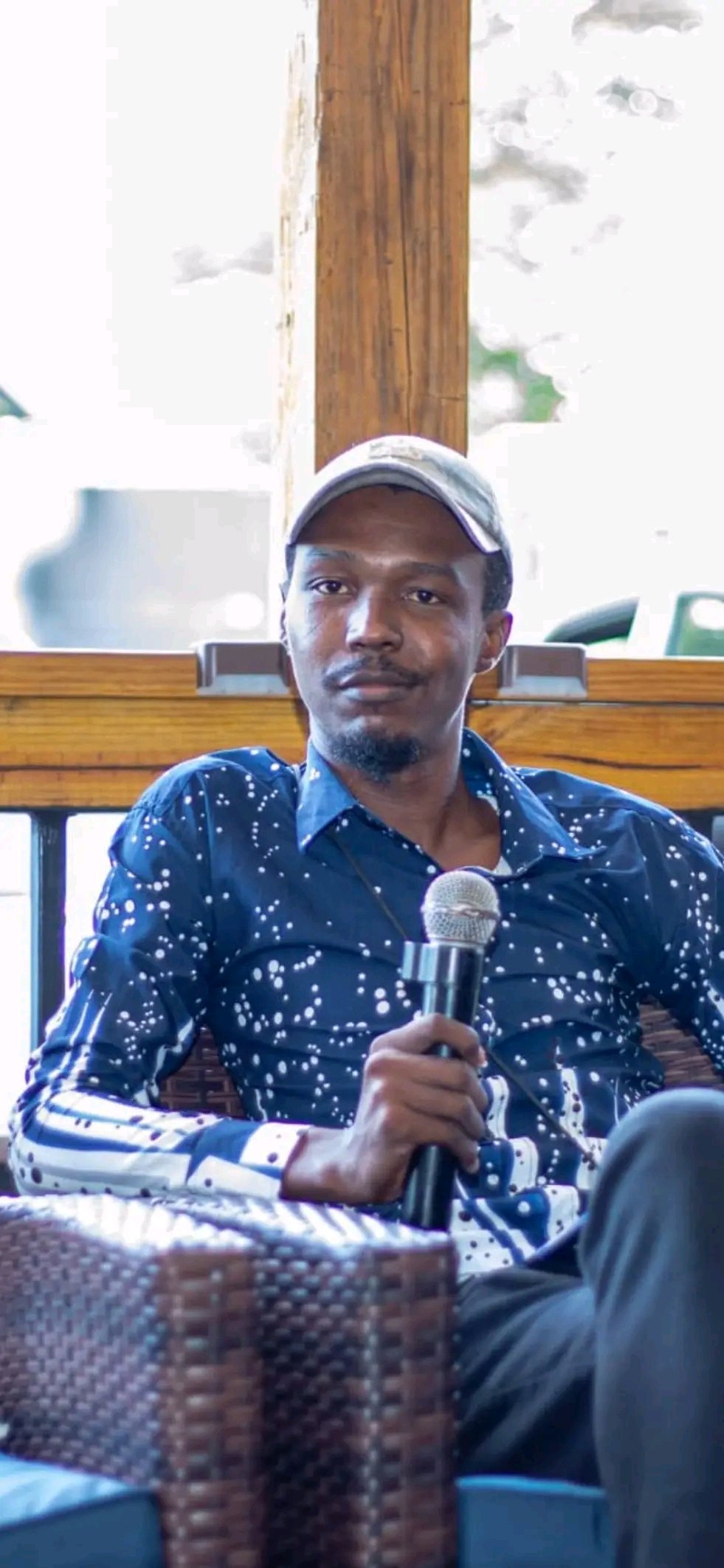
Full Stack Developer, Créatif, expérimenté, passionné des nouvelles technologies et de l’art.

See other articles from Appolon Guy Alain
Leave a comment

Recently Posted

Petit-Goave, Haiti: Decryption of the 3rd rara weekend!

It is more and more obvious that in Petit-Goave the media space is absorbed by the rivalry between Ratyèfè, triple champions and lambi gran lambi dlo, a former champion. The past weekend was once again irrefutable proof of the media tension over these two rival bands. With a carnival-like appearance, the fan club of the first dressed in a white shirt, short orange-yellow skirt, purple tie, black boot; the other dressed in a traditional hat, yellow jersey, red pants, red or yellow tennis shoes. This marriage of colors with the taste of carnival is the expression of cultural diversity as La Fontaine said in his book tales and short stories "diversity is my motto." This formula can adapt well to the rara. If it is true in Léogane this marriage of color has existed for ages. It is no less true that this was the case in Petit-Goave because we had to wait for the strong return of Ratyèfè in 2018 to see the rara fan clubs dress differently each new weekend. Last Saturday more than one expected a new face to face between Lambi gran dlo and Ratyèfè because the latter weighed anchor in the direction of the 2nd plain and the latter, in the direction of the city center. Less than in any other circumstance, this duel at the top was obvious. If for some comments it was a favorable opportunity for Lambi to take his revenge on his rival compared to the previous weekend because he had done the profile although he had the advantage because he was two against one. (Lambi,chenn tamarin vs Ratyèfè). This enormous advantage did not work in their favor because the hours that had passed worked against them, as proof they had gone to sleep while ratyèfè remained to play for at least 30 more rounds. Surprisingly but not surprisingly during the meeting long awaited by less than one, at the Acul not far from the Saint Jean-Baptiste church, lambi had decided not to play anymore. However, according to the customs and costumes of the rara when there are two bands, the one who stops playing first, shows weakness and surrender. Consequently, the other who is opposite out of decency and good morals has no other choice to do the same. It follows that for the umpteenth time the great power formation (lambi grand dlo) was unable to take revenge on its rival. For many cultural journalists who were present to witness this event did not have their tongue in their pocket to give their impression of Ratyèfè’s monster performance. This is the case for Brignol, a cultural commentary which wondered if Ratyèfè had the devil in his body so that the most incredulous were in their feeling of joy. On Sunday evening this monster of animation once again made its mark in the art of its know-how. This is what explains the almost unanimity among the cultural journalists of Petit-Goâve in granting first place to this band for its performance and its musical discipline. So, for this weekend according to the circle of cultural journalists of Petit-Goave and with the approval of many other cultural comments. We have the following classification: 1st Ratyèfè 2nd Grap Kenèp 3rd Orgueil de la jeunesse

Newsletter

Subscribe to our newsletter to stay informed of all our activities and news on Haiti.

There are several reasons why a foreign national might be interested in visiting Haiti

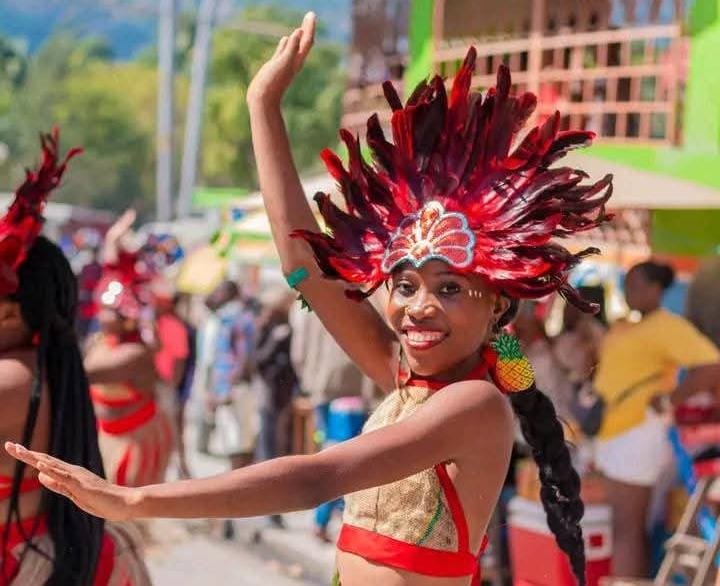
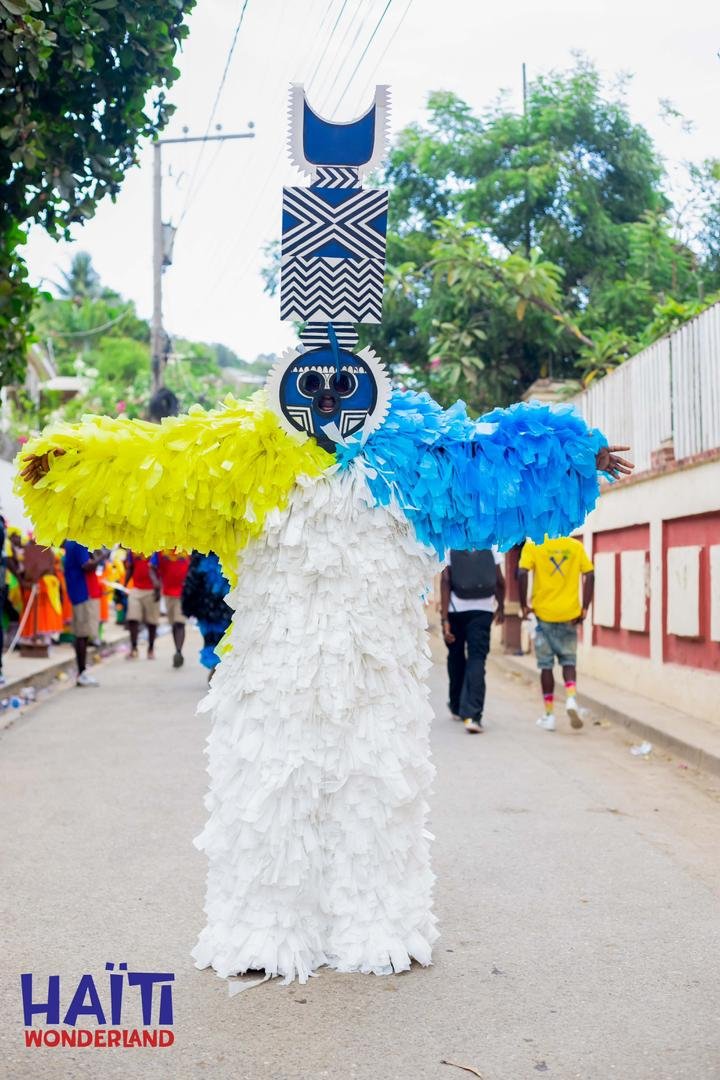
There are several reasons why a foreign national might be interested in visiting Haiti: Rich and diverse culture: Haïti has a unique culture resulting from a mixture of African, European (particularly French) and Caribbean influences. This is reflected in its music, cuisine, art and traditions. Fascinating history: Haïti was the first country in Latin America and the Caribbean to gain independence in 1804 after a successful slave revolt. Its history is rich in significant events and important historical figures. Magnificent natural landscapes: The island of Haïti offers a variety of breathtaking landscapes, from white sandy beaches to lush green mountains, picturesque waterfalls and isolated islands. Hospitality of the locals: Haitians are known for their warmth and hospitality towards foreign visitors, making the travel experience very pleasant and enriching on a human level. Opportunities for Sustainable Tourism: Haïti offers opportunities for sustainable tourism, including encouraging visits that directly benefit local communities and environmental conservation. Exploring historic sites: Historic sites such as the UNESCO-listed Citadelle Laferrière offer visitors a chance to discover colonial architecture and remains from pre-Columbian times. Vibrant cultural celebrations: Haïti is famous for its colorful festivals and cultural celebrations throughout the year, such as Carnival, where music, dance and traditional costumes are in the spotlight. In summary, visiting Haïti can offer a deep and authentic cultural experience, as well as an exploration of the unique natural and historical beauties of this Caribbean nation.

The Monferrier Dorval Chair of Constitutional Law, a gesture from the State University of Haiti, for the preservation of the memory of Professor Dorval

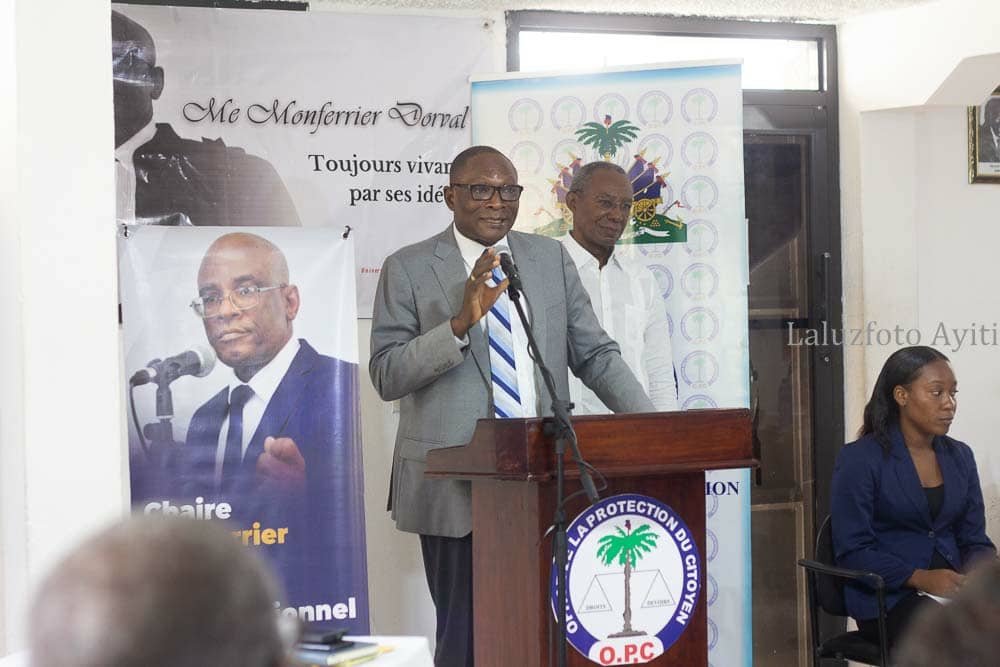
The Monferrier Dorval Chair of Constitutional Law is a high-intellectual-intensity initiative, taken by the State University of Haïti (UEH), through the leadership of its rectorate, in agreement with the leaders of the Faculty of Law and Economics (FDSE). The initiative’s primary goal is to honor and perpetuate the memory of the valiant and brilliant Professor Monferrier Dorval, assassinated in unclear circumstances, about three years ago. And in order to make a scientific contribution to the great debate that has been going on in Haitian society for about ten years about the need to change or not, the constitution of March 29, 1987, amended on May 11, 2011. Shouldn’t we try to apply it preferably? If it needs to be changed, should this change be radical, otherwise what should it have in terms of change within a new mother law for a better institutional organization of Haiti. The chair is scientifically chaired by Professor Henri Marge. Dorléans, (current head of AFPEC), and is vice-chaired by the dean of the faculty of law and economics, Me Eugène Pierre Louis. The Chair is materialized by a set of conferences and debates (15 in total), which take place in the premises of the Office of the Protection of the Citizen OPC, under the name of Wednesday of the Monferrier Dorval Chair. It is in this sense that for the fifth edition of the Wednesday of the chair (which took place this Wednesday, October 9, 2024 at the OPC, in the presence of the protector of the citizen, Me Renan Hédouville), attention was placed on education within the debate surrounding the possible development of a new constitution for Haiti. This 5th meeting took place under the theme of: "Education, Teaching, Research, Science and Technologies". The conference was hosted by three greats of the Haitian intellectual community, including two eminent professors of the UEH, namely, Professor Odonel Pierre Louis, academic director of the École normale supérieure (ENS); the vice rector of the UEH, Professor Jacques Blaise. Their interventions were followed by that of the director of the national institute of vocational training (INFP) Mr. Dikel Delvariste.

Haïti SEO Agency: Experts in SEO (Natural SEO)

In today’s world, where online presence is crucial for business success, being visible on search engines is essential. Imagine this: a potential client is looking for services like yours in Haiti. He opens Google and types something like b~"Haïti web agency"~b or b~"Haitian developer"~b. The question is: where does your business rank in these search results? In our case, b~Appo-graphic~b is present in the first three results for the search b~"Haïti web agency"~b and b~Appolon Guy Alain~b occupies the first place for the search on b~"developer Haitian"~b, thanks to two of our well-optimized articles. This surely guarantees them more contracts, just as it guarantees us more contracts, because you found us among the first results when carrying out searches on natural referencing in Haïti and SEO. At Haïti Wonderland, we understand the importance of this visibility. That’s why we work to ensure your business is among the top three search results for relevant keywords in your industry, as we know the majority of customers only click on those top three results. Our services currently focus on writing highly optimized advertising articles, designed to propel you to the top of search results. We write about you and your industry, ensuring that each article is carefully targeted to attract the attention of search engines and potential customers. In just a few weeks, these articles can start ranking in the top positions of search results, providing increased visibility and driving traffic to your website or social media pages.

Recently Posted

History

History

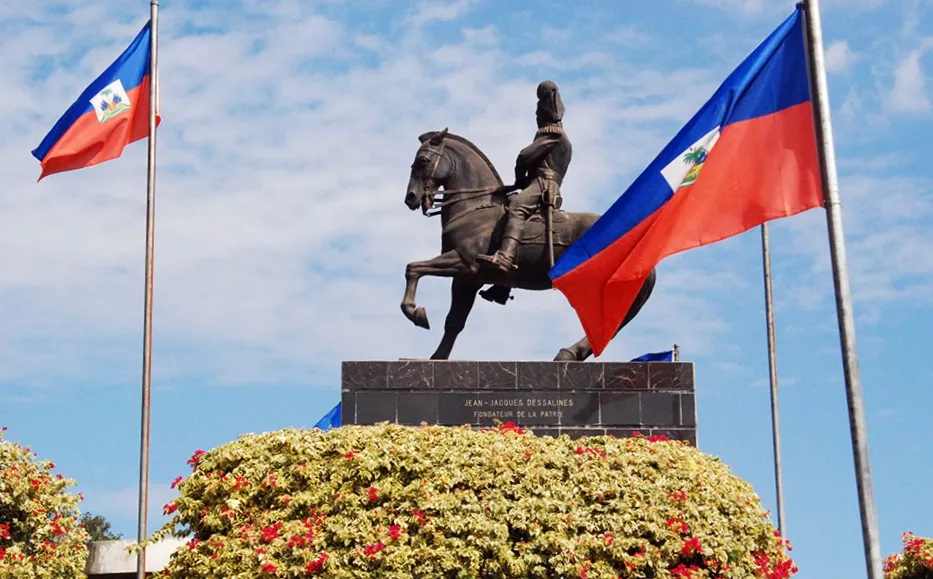
First black nation to free itself from slavery and gain independence from France in 1804 and influenced other liberation movements around the world, inspiring struggles for freedom and equality.

Natural beauty

Natural beauty

Haïti is blessed with spectacular natural landscapes, including white sand beaches, mountains and rich biodiversity.

Heritage

Heritage

Haïti has a rich historical heritage, including sites like the Citadelle Laferrière and the Sans-Souci Palace, listed as UNESCO World Heritage Sites.

Culture

Culture

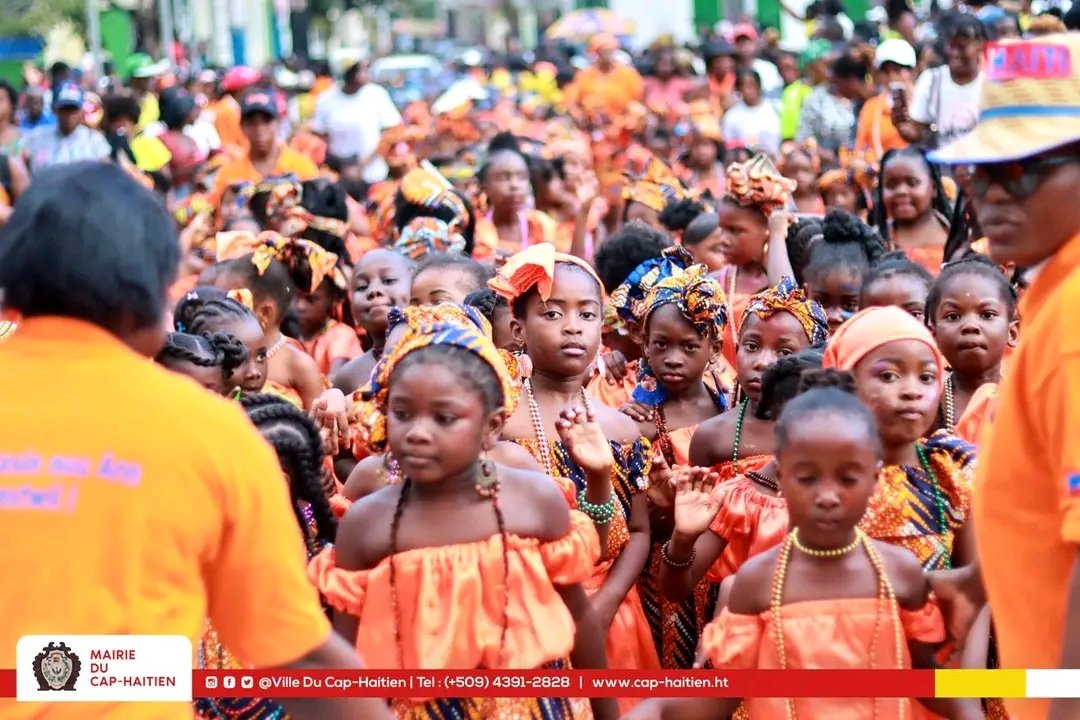
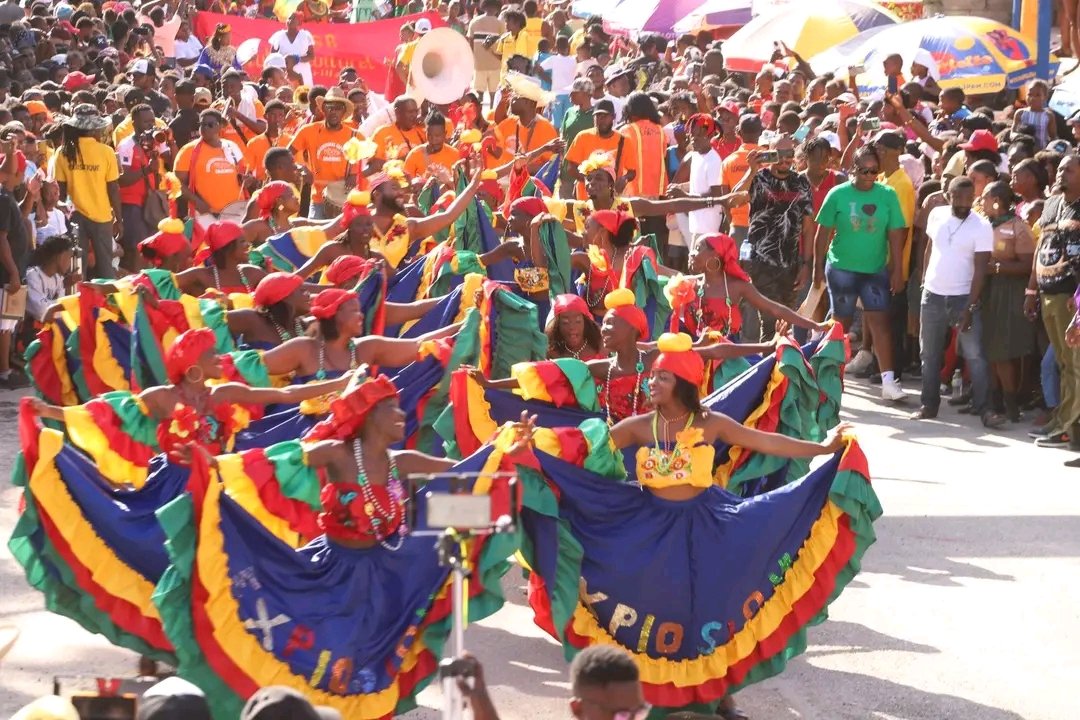
Haïti has a rich and diverse culture, influenced by African, European and indigenous elements. Haitian music, dance, art and cuisine are celebrated around the world.

  • +
    • Post