contact@haitiwonderland.com+509 36184317

Discover

Shopping Cart

Crémas: One of Haitians’ Favorite Christmas Drinks

Crémas: One of Haitians’ Favorite Christmas Drinks

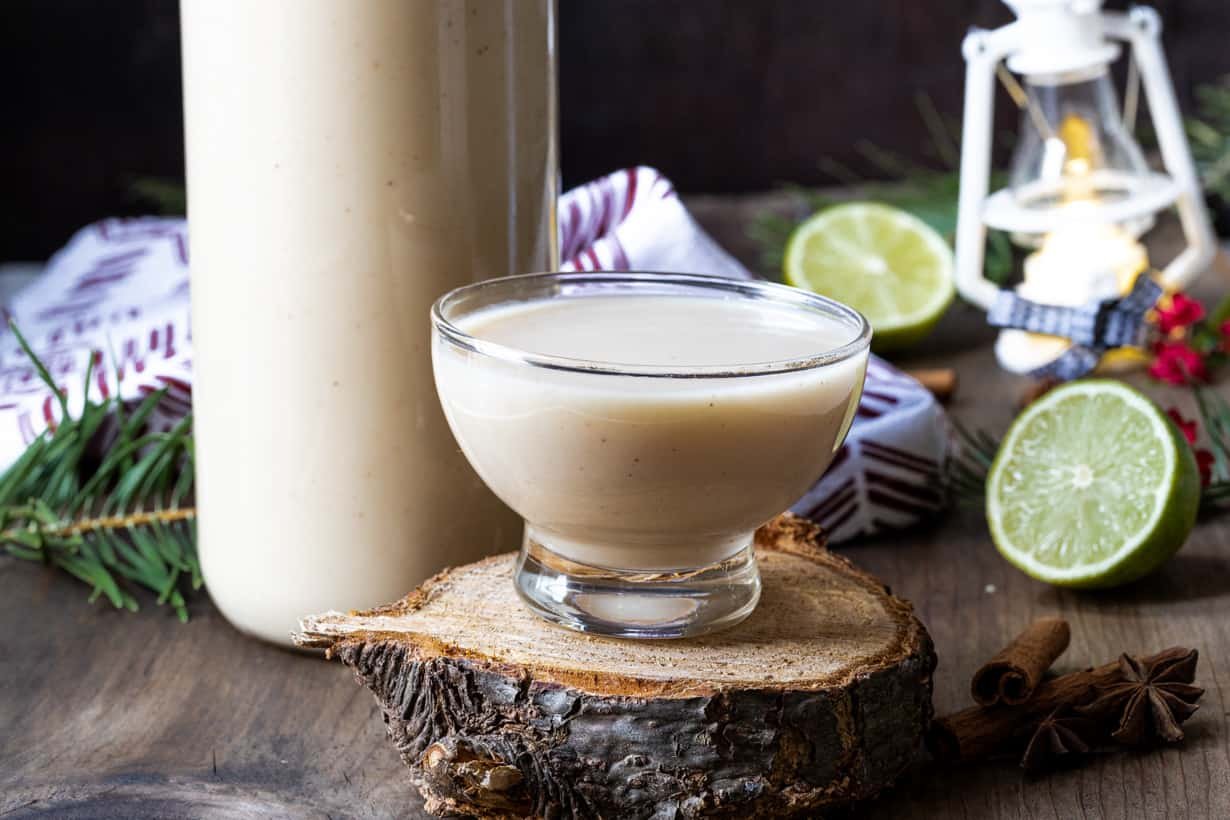
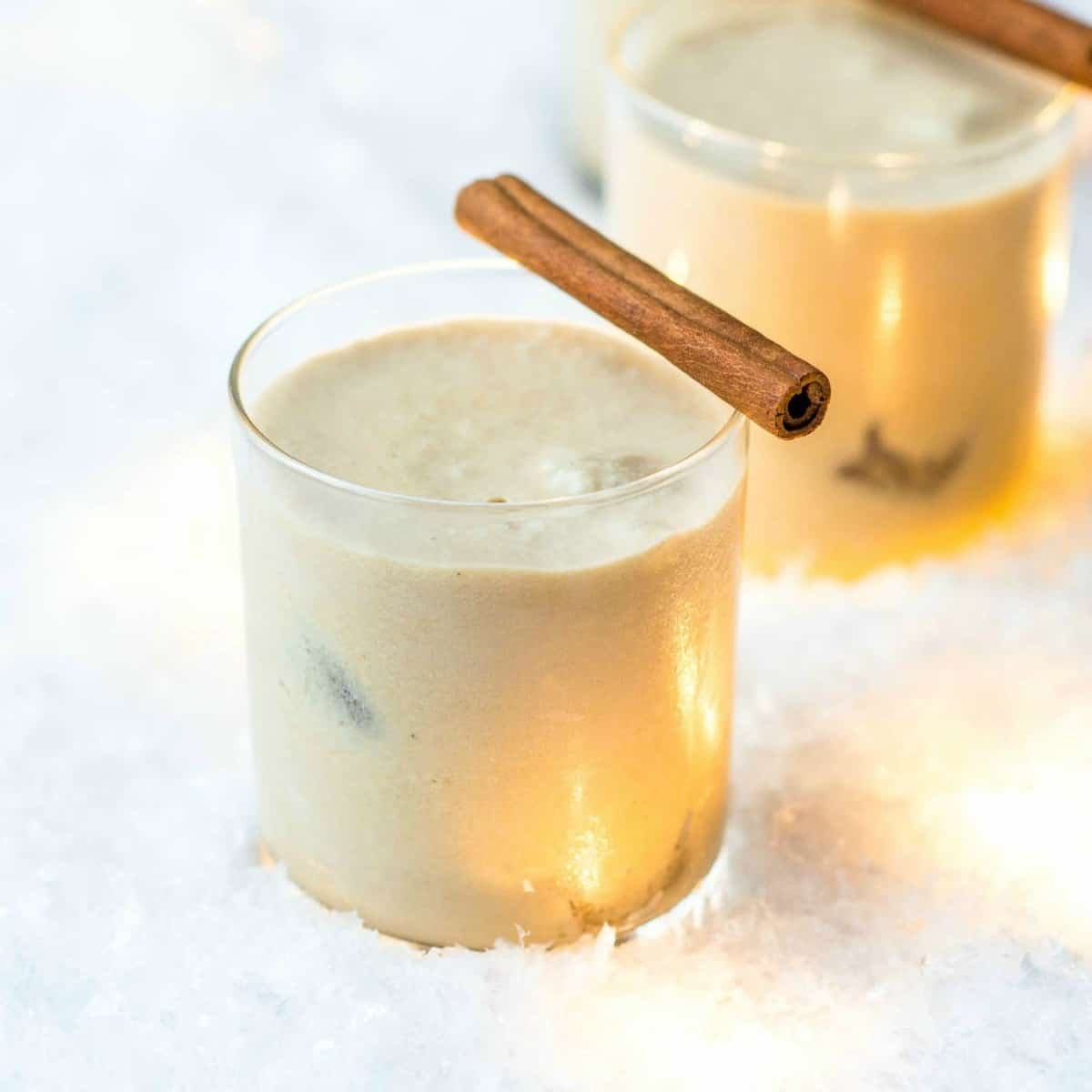
Crémas is one of the most iconic drinks in Haitian culture, especially enjoyed during the Christmas holiday season. This sweet and creamy cocktail has become a staple during family and community celebrations. This article invites you to discover this delicious beverage, its history, its preparation, and the importance it holds for Haitians during Christmas.

Haïti
Haïti
Haïti

A Traditional Drink with Haitian Roots

Crémas is a drink that combines the richness of coconut milk with the warmth of rum, offering a sweet and festive taste experience. Although its origins are difficult to trace precisely, it is widely believed that this drink was influenced by Creole traditions and colonial influences, particularly European and African. Crémas is often served on special occasions, especially at Christmas, where it takes pride of place on festive tables.

For many Haitians, Crémas is not just a drink: it is a symbol of conviviality, generosity and sharing. Its sweet taste and creamy texture bring a moment of comfort during Christmas meals, making each celebration even more special.

See as well

Haïti
Haïti
Haïti

Ingredients and Preparation: A Gourmet and Comforting Blend

The recipe for Crémas is relatively simple, but each family has its own version, sometimes adding secret ingredients to personalize the drink. Here are the basic ingredients needed to prepare Crémas:

- White rum (or sometimes old rum)
- Coconut milk
- Sweetened condensed milk
- Cane sugar
- Vanilla
- Cinnamon
- Nutmeg (optional)
- Cloves (optional)
- Fresh fruits such as lemon or orange zest (optional for a fruity touch)

The preparation begins by combining coconut milk, sweetened condensed milk and cane sugar. The mixture is then flavored with vanilla, cinnamon, and possibly nutmeg or cloves. Rum is added to this base to give the alcoholic touch, and everything is mixed well. Some also like to add a lemon or orange zest for a fruity note. Once well mixed and cooled, Crémas is ready to be enjoyed, often served in decorated glasses to add to the celebration.

Haïti
Haïti
Haïti

Crémas, the Festive Drink by Excellence

At Christmas, Crémas is more than just an alcoholic drink: it becomes a true symbol of joy, sharing and unity. Haitian families gather around large decorated tables to enjoy Crémas, often accompanying their Christmas meals with this sweet and creamy drink.

Crémas is also popular during Christmas Eve parties and community celebrations where music, dancing and conviviality are the order of the day. It is a special time for Haitians to get together and celebrate together in joy and harmony. By offering a glass of Crémas to a guest, it is also a symbolic gesture of welcome and generosity, illustrating the human warmth that characterizes Haitian culture.

Haïti / Pot’iwa Pizza: A Culinary Odyssey

Haïti / Pot’iwa Pizza: A Culinary Odyssey

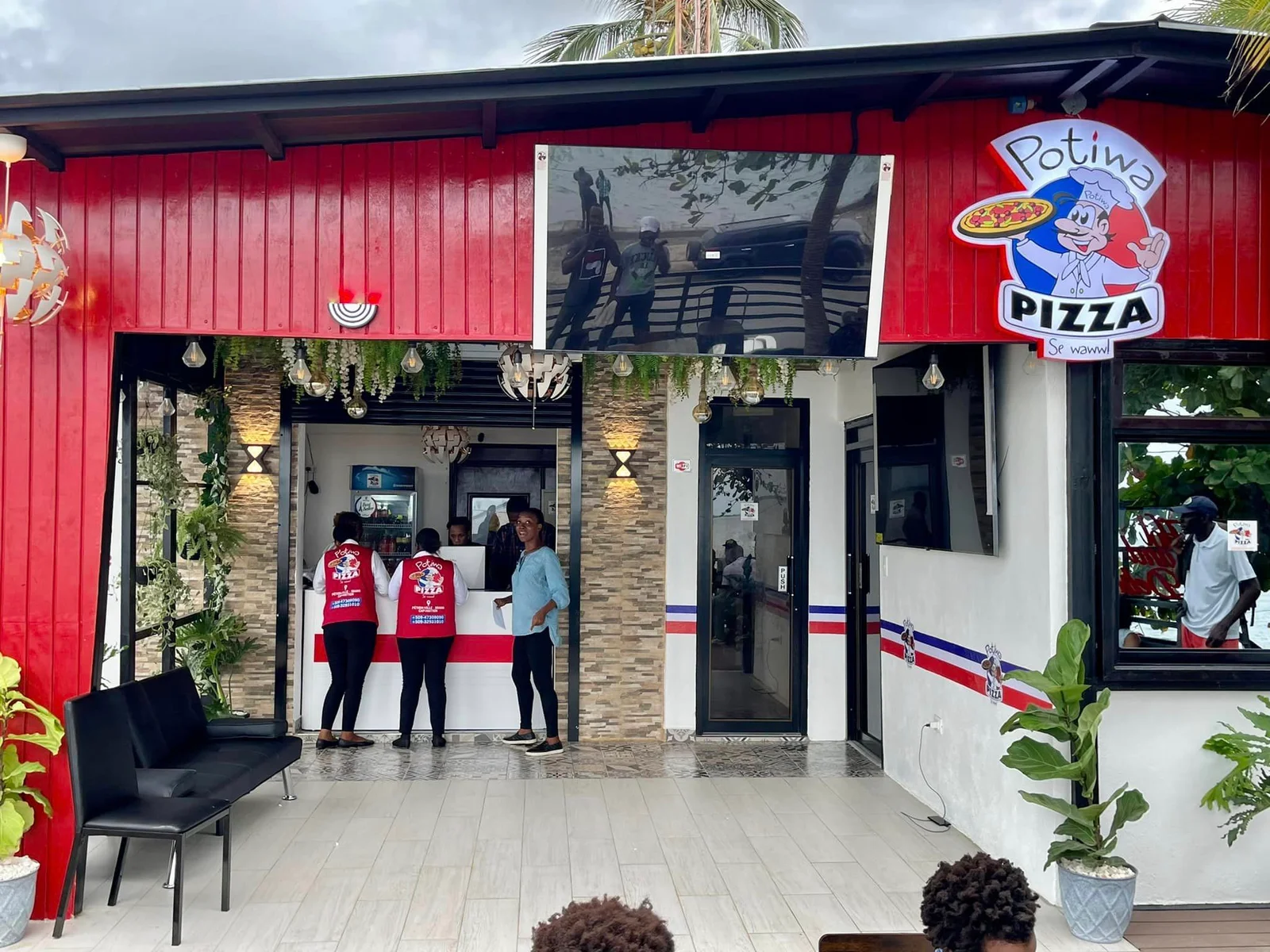
Since 2015, Pot’iwa Pizza has conquered the hearts and taste buds of the inhabitants of Port-au-Prince, the capital of Haiti. Founded by visionaries Jude Vaillant and Rock André, Pot’iwa Pizza has become a true gastronomic icon by offering a unique specialty: smoked herring pizza. This culinary creation has revived childhood nostalgia among many Haitians, marking the beginning of an exceptional culinary adventure. The very name of the company, "Pot’iwa", is a tribute to the Haitian regions where its founders were born. Jude Vaillant, originally from the "Iwa" region, and his accomplice Rock André, native of "Potino", have united their origins to create a company that harmoniously fuses tradition and innovation. Despite the socio-economic challenges that punctuate Haitian daily life, Pot’iwa Pizza is committed to constantly improving its services. This unwavering determination led to the opening of a second branch of the company, this time in the city of Cap-Haïtien, in the north of the country. The inhabitants of this region now have the privilege of tasting the famous herring pizza, previously reserved for the inhabitants of Port-au-Prince. Aware of the importance of protecting its culinary heritage, the company made a strategic decision by filing a patent in the United States to protect its specialty: herring pizza. Jude Vaillant, CEO of the company, shares his vision behind the choice of herring: "In Haiti, our childhood was rocked by a particular flavor, present in many traditional dishes. We decided to bring this flavor to an emblematic dish like pizza, to create a unique culinary experience." Pot’iwa Pizza embodies the passion, nostalgia and perseverance of Haitians for their traditional cuisine. It is a story of flavors and success that continues to seduce palates around the world. For those who want to taste this delicious herring pizza, go to Pot’iwa Pizza, located at 26 boulevard Cap-Haïtien, or contact them at +509-47-30-9090. And for fans residing in Miami, USA, Pot’iwa Pizza is also available at 12485 NE 6th CT, North Miami, FL 33161. To order, call 305-456-5152. Also explore the immersive experience of Pot’iwa Pizza through your smartphone or virtual reality headset, and dive into their mouth-watering menu by visiting the following link: https://haitiwonderland.com/haiti-virtual-reality-ht/ bar--restaurant/haiti--pot-iwa-pizza--virtual-tour/9.

Haïti
Haïti
Haïti

Crémas Beyond Christmas: A Year-Round Tradition

Although Crémas is particularly associated with Christmas, this festive drink is not exclusive to this time of year. Haitians enjoy preparing it for special occasions such as weddings, birthdays, baptisms, and other important celebrations.

In the Haitian diaspora, Crémas remains a staple drink during holidays and family reunions. It thus becomes a way to keep traditions alive and pass on Haiti’s culinary heritage, whether in Miami, New York, Montreal, or elsewhere in the world.

Haïti
Haïti
Haïti

Crémas: A Haitian Culinary and Cultural Heritage

Crémas perfectly embodies the spirit of Christmas in Haiti: warm, sweet, festive, and rich in traditions. It is a drink that spans generations, unites families, and symbolizes Haitian hospitality. More than just a drink, Crémas represents an essential part of Haitian cultural identity, passed down from generation to generation with pride and love.

If you are lucky enough to spend Christmas in Haïti or participate in a Haitian celebration, be sure to try this delicious drink. Crémas is one of those simple and delicious pleasures that mark hearts and memories during celebrations, and that will allow you to fully experience the warm spirit of Christmas in Haiti.

Share
About the Author
Appolon Guy Alain
Appolon Guy Alain
Appolon Guy Alain

Full Stack Developer, Créatif, expérimenté, passionné des nouvelles technologies et de l’art.

See other articles from Appolon Guy Alain
Leave a comment

Recently Posted

Newsletter

Subscribe to our newsletter to stay informed of all our activities and news on Haiti.

Haiti: The History of the World’s First Free Black Nation

Haiti, the pearl of the Antilles, is a Caribbean island with a rich and complex history. However, its special status as the world’s first free black nation gives it a unique place in the annals of history. This small island was the scene of an extraordinary revolution which resulted in independence, thus marking the beginning of a new era for the black community and the abolition of slavery. Let’s delve into the captivating story of the birth of the first black republic, Haiti. b~The colonial era and slavery~b Haiti’s history dates back to the arrival of Europeans in the 15th century, when Christopher Columbus discovered the island. European settlers, mainly Spanish and French, introduced slavery to exploit the island’s resources, including sugar, coffee and cotton. The indigenous Native American population was decimated, paving the way for the massive importation of African slaves. b~The Haitian Revolution~b On August 14, 1791, Haitian slaves rose up against their oppressors, sparking the Haitian Revolution. Under the leadership of iconic figures such as Toussaint Louverture, Jean-Jacques Dessalines and Henri Christophe, the insurgent slaves inflicted defeats on European armies, demonstrating fierce resistance and a desperate quest for freedom. b~The Declaration of Independence and the creation of the Republic of Haiti~b On January 1, 1804, Haïti proclaimed its independence, becoming the world’s first free black nation. This historic declaration symbolized the end of slavery and the triumph of the will of a people determined to live free. The Republic of Haïti was born in struggle and blood, asserting its autonomy in the face of the colonial powers. b~Post-independence challenges~b However, independence did not mean the end of challenges for Haiti. The country had to face external pressure, reparations imposed by France in exchange for recognition of its independence, as well as internal unrest. Despite these obstacles, Haïti strove to build a free and sovereign nation. The story of Haïti is that of a nation that overcame countless challenges to emerge as a pioneer of freedom for the black population. The Haitian Revolution remains a unique example of resistance, courage and determination, and Haïti continues to carry the torch of independence in the contemporary world. The legacy of this small Caribbean island still resonates today, reminding the world that freedom is a universal right that can be won even in the most difficult circumstances.

Recently Posted

History

History

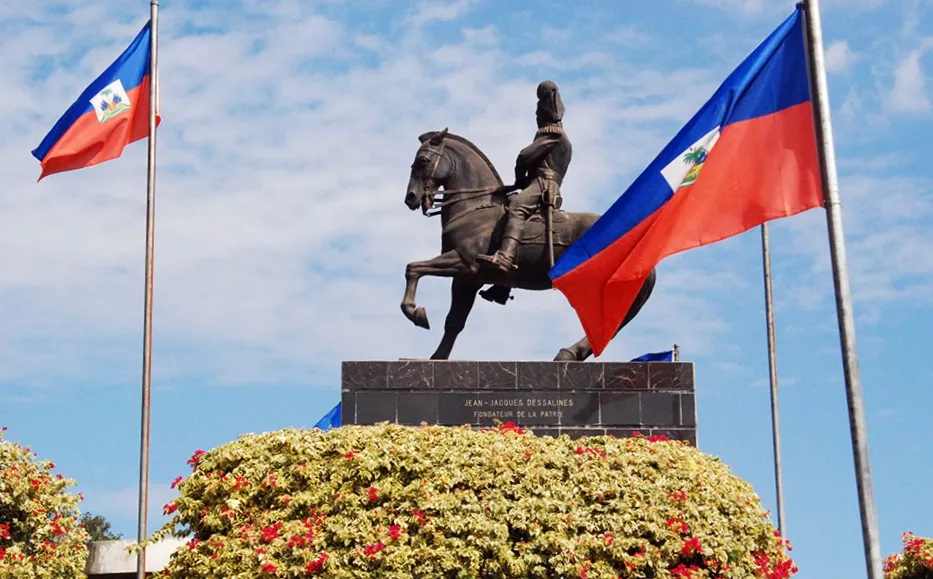
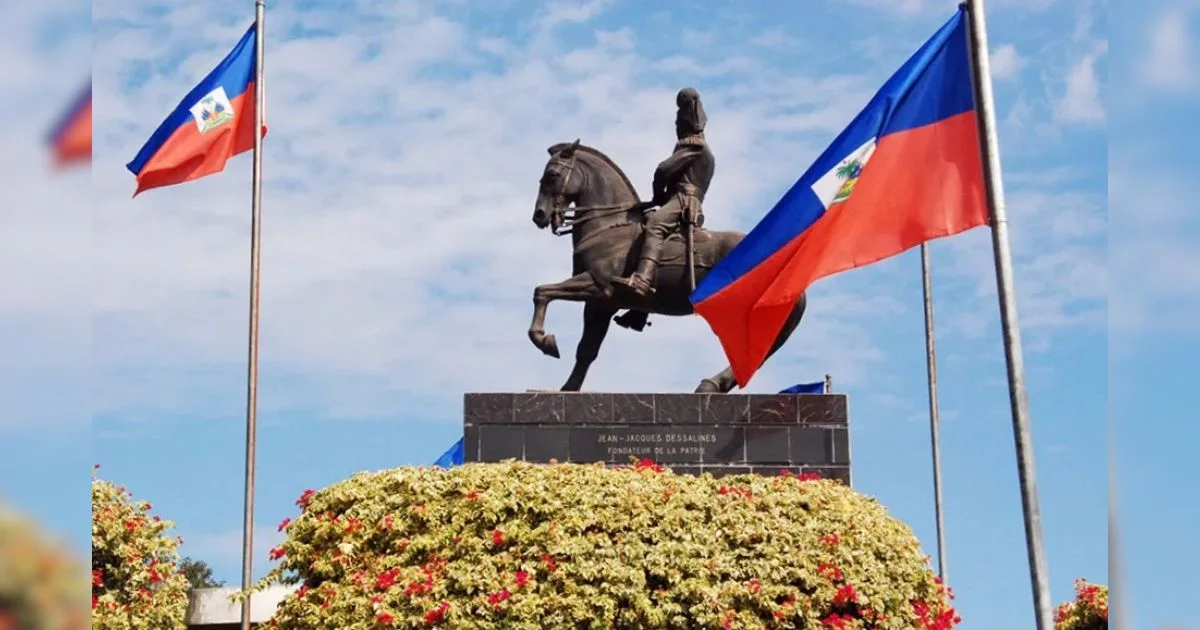
First black nation to free itself from slavery and gain independence from France in 1804 and influenced other liberation movements around the world, inspiring struggles for freedom and equality.

Natural beauty

Natural beauty

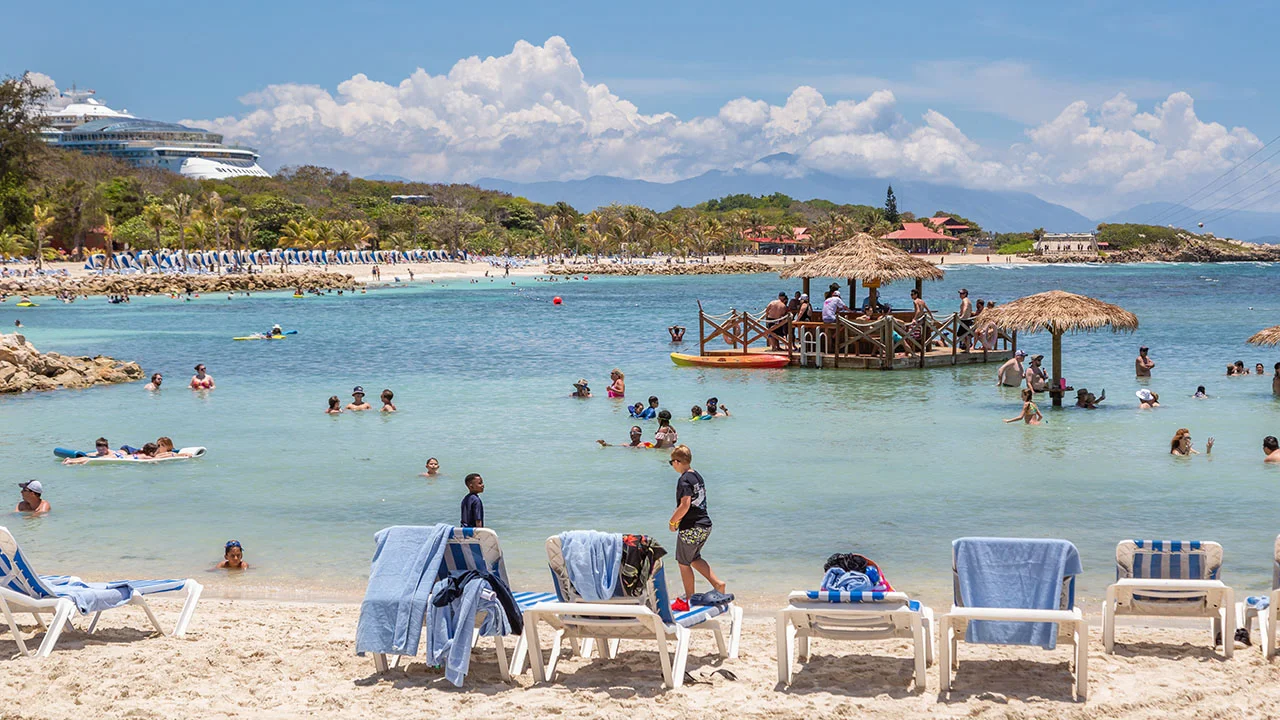
Haïti is blessed with spectacular natural landscapes, including white sand beaches, mountains and rich biodiversity.

Heritage

Heritage

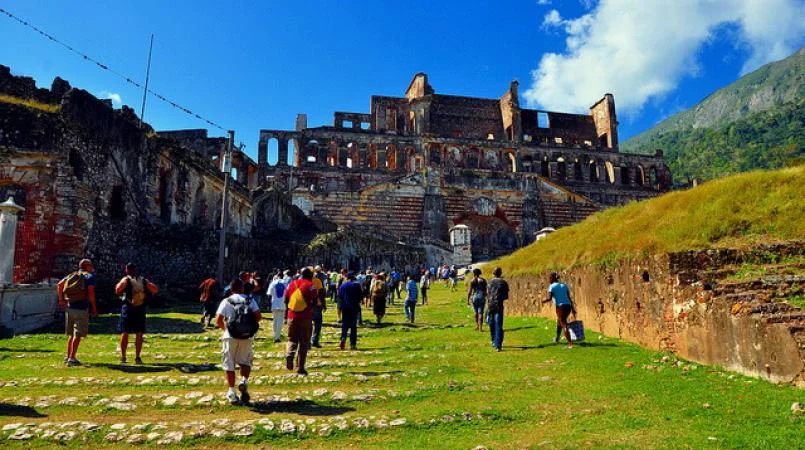
Haïti has a rich historical heritage, including sites like the Citadelle Laferrière and the Sans-Souci Palace, listed as UNESCO World Heritage Sites.

Culture

Culture

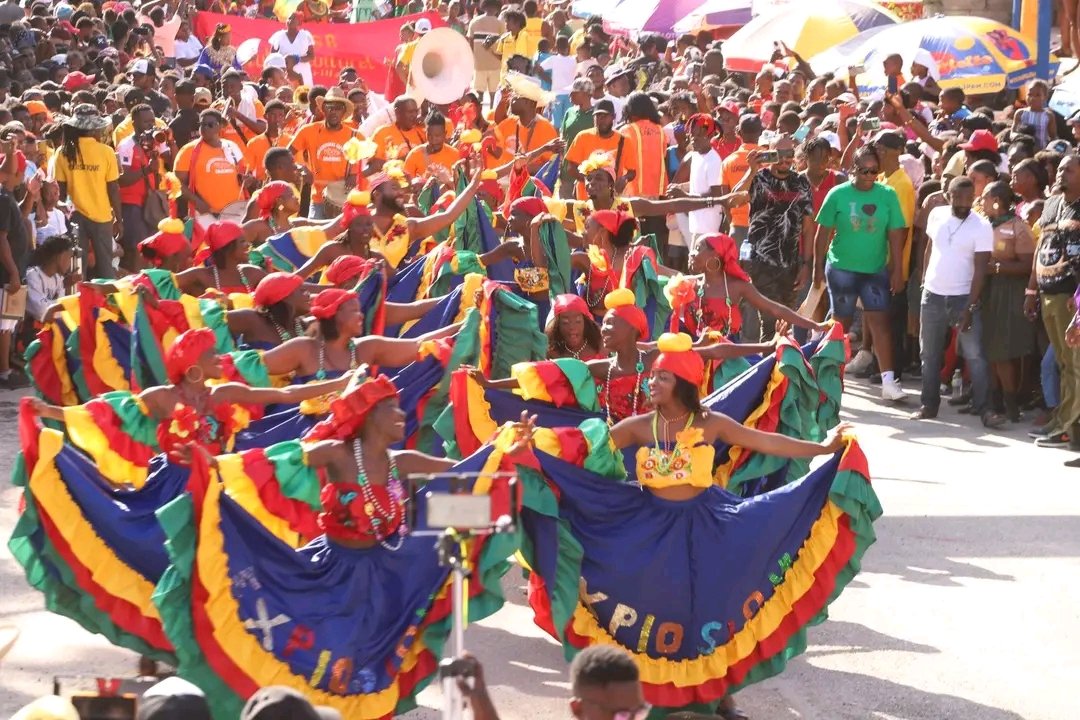
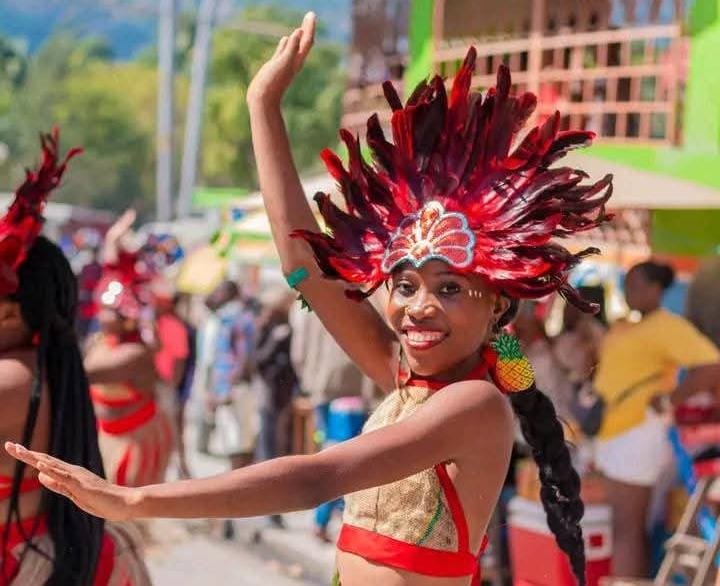
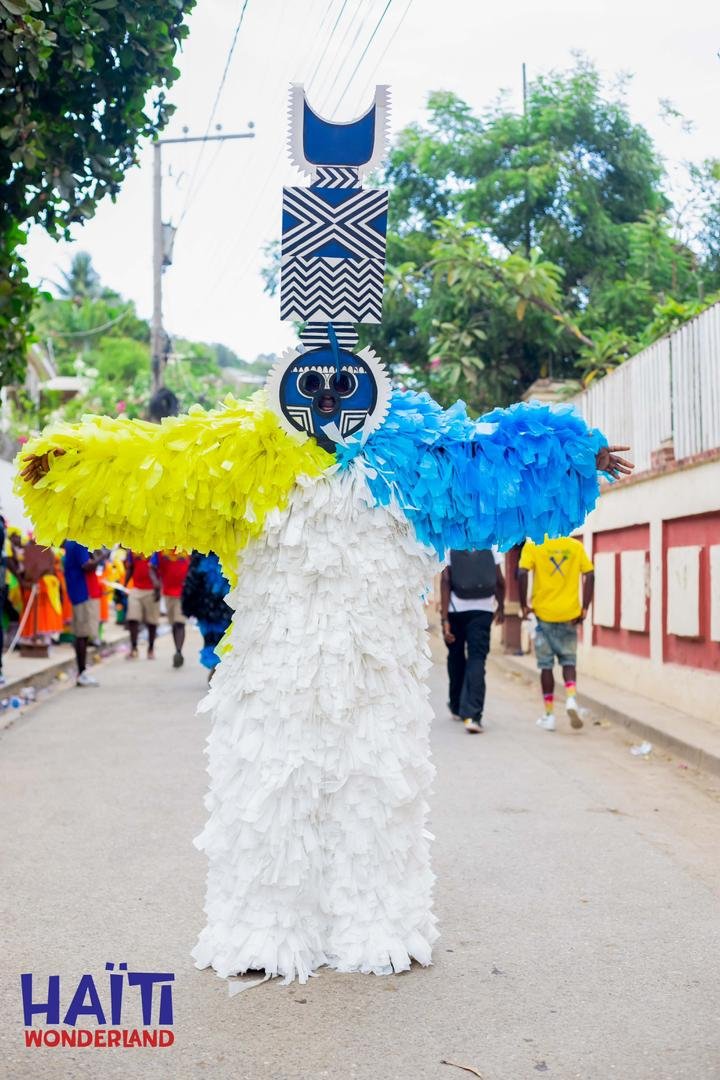
Haïti has a rich and diverse culture, influenced by African, European and indigenous elements. Haitian music, dance, art and cuisine are celebrated around the world.

  • +
    • Post