contact@haitiwonderland.com+509 36184317

Discover

Shopping Cart

How is the flag celebrated in Haiti?

How is the flag celebrated in Haiti?

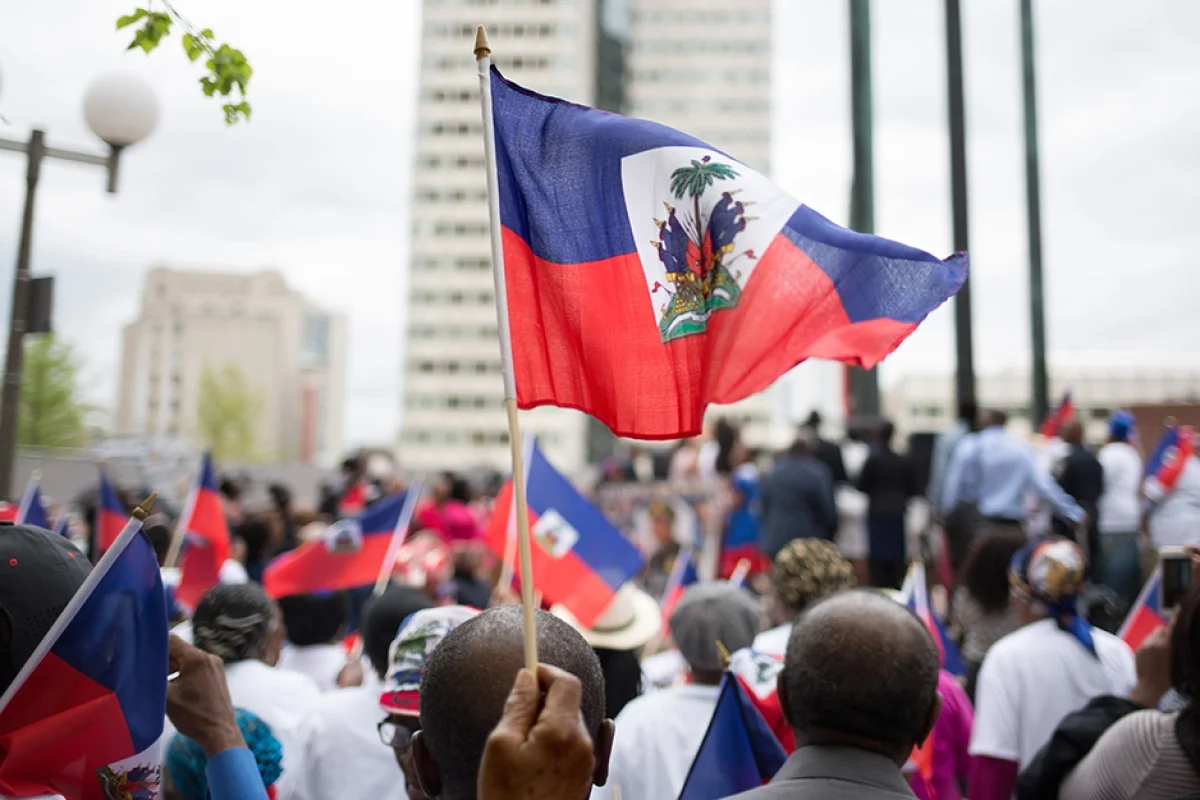
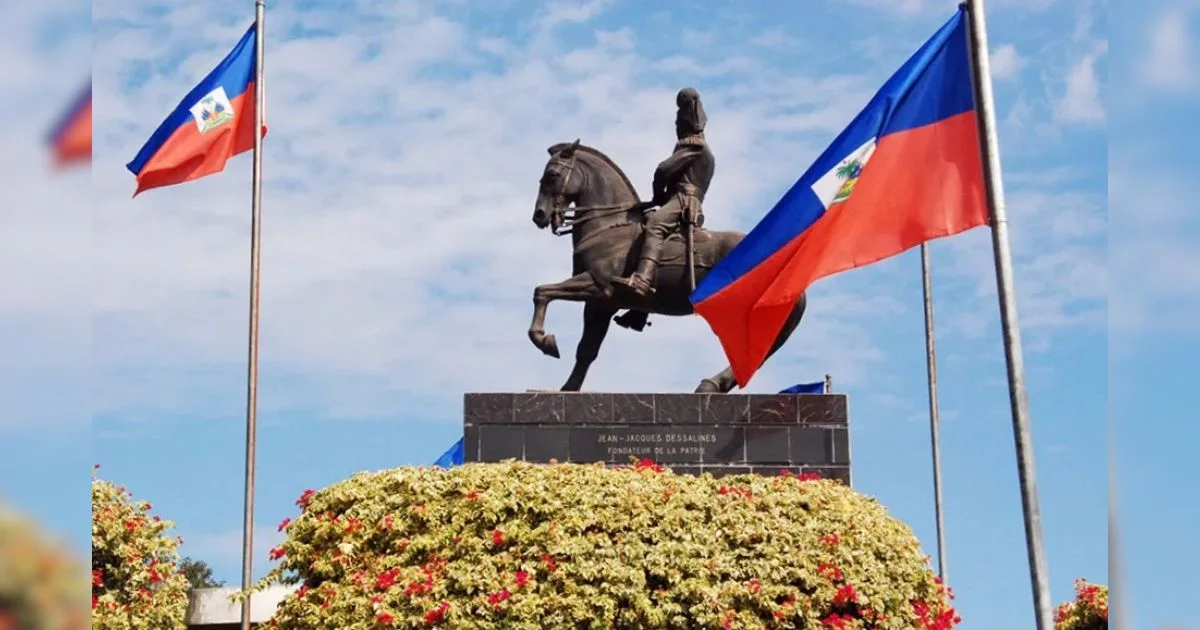
The Haitian flag is much more than just a national emblem. It is a symbol of the struggle for independence, cultural identity, and the resilience of a people. Every year on May 18, Haitians come together to celebrate their flag with a unique fervor. This article explores the significance of this day and the different ways it is celebrated across the country.

Haïti
Haïti
Haïti

The History and Meaning of the Haitian Flag

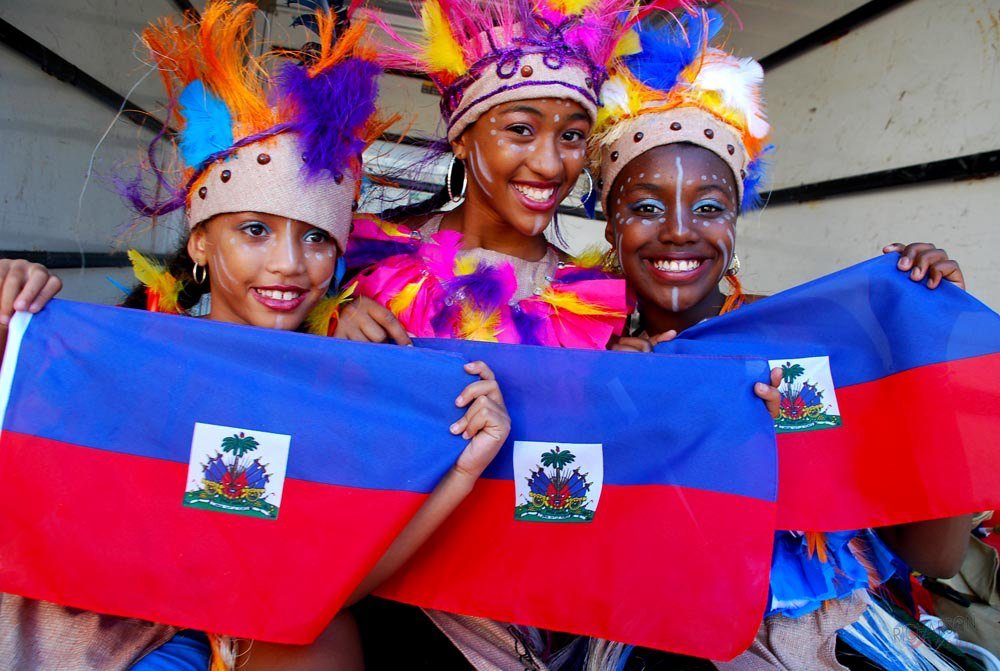
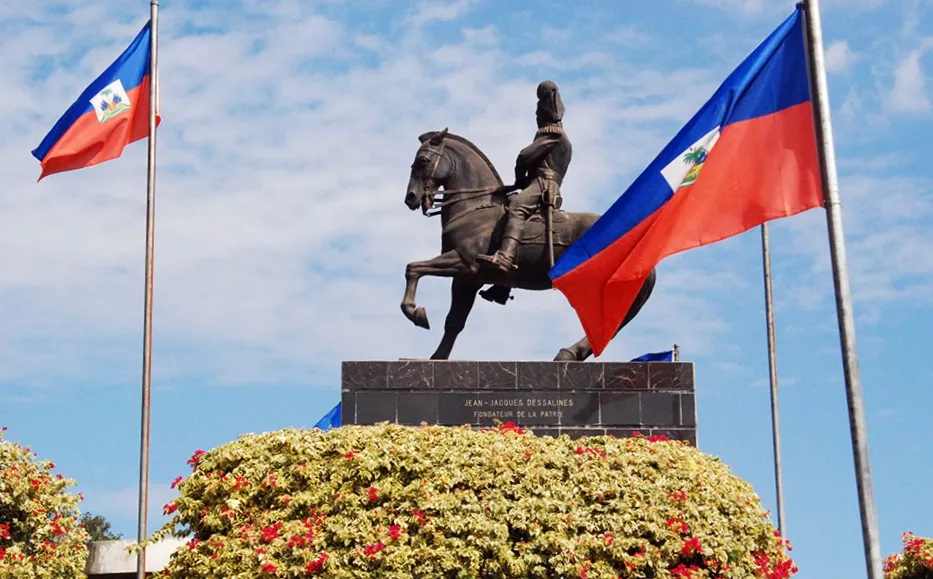
The Haitian flag was born on May 18, 1803, during the Congress of Arcahaie. On this occasion, the leaders of the Haitian revolution, including Jean-Jacques Dessalines and Catherine Flon, created the first flag by removing the white stripe from the French tricolor. They kept the blue and red stripes, symbolizing the union of Blacks and Métis in the fight against colonial oppression.

The flag therefore represents unity, freedom, and national pride. May 18 is celebrated as Flag Day, a key date to honor this historic achievement.

Haïti
Haïti
Haïti

Festivities Across Haiti

The celebration of the flag in Haïti is marked by vibrant festivities and solemn ceremonies. Here are some of the highlights of this day:

- Official ceremonies: May 18 often begins with formal ceremonies in major cities such as Port-au-Prince, Cap-Haïtien, and Arcahaie, the birthplace of the flag. Patriotic speeches are given by authorities to recall the history and importance of this day.
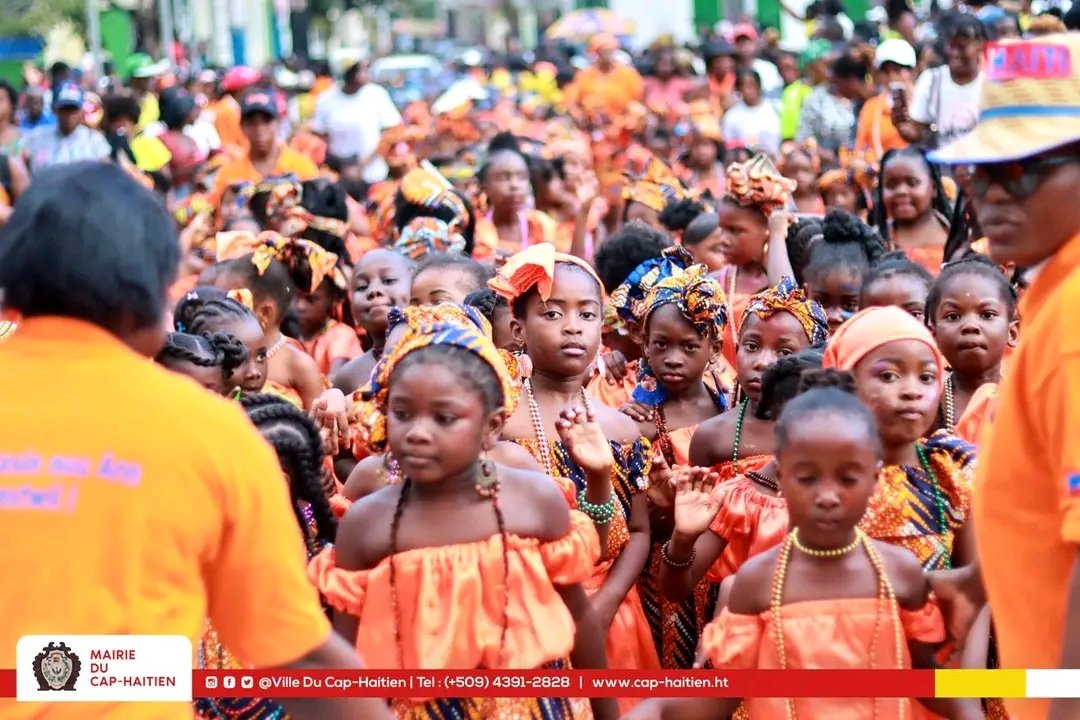
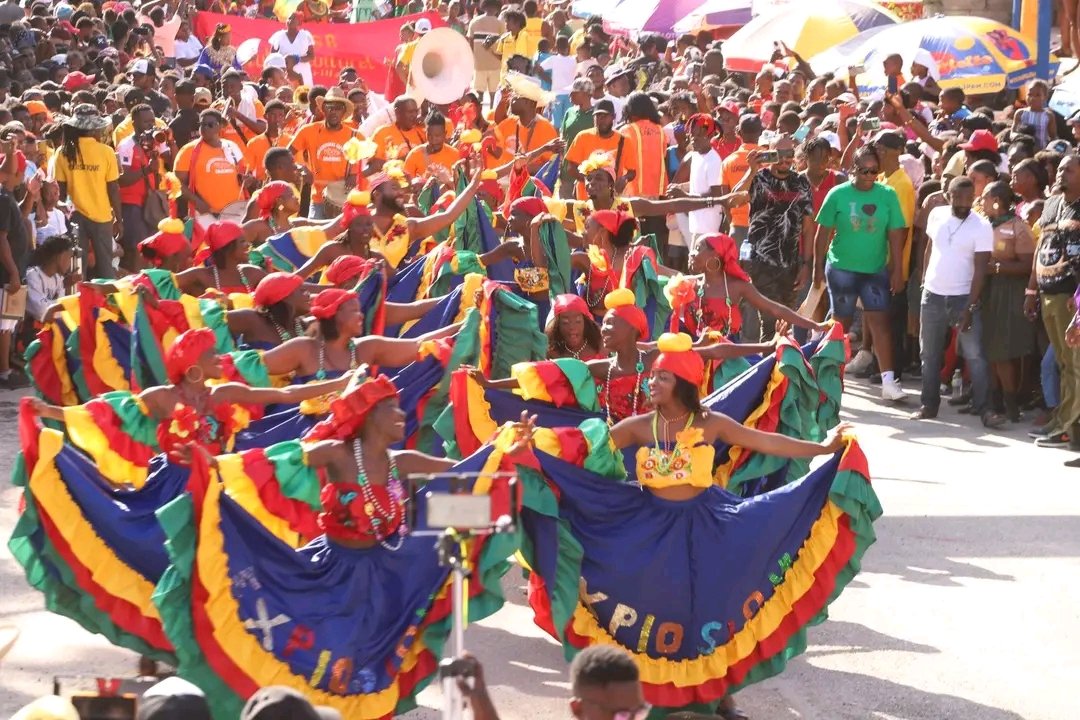
- Parades: Military and civilian parades march through the streets, with bands playing national anthems and folk groups proudly displaying the blue and red colors. - Cultural Activities: Schools, universities and community organizations organize shows that highlight Haitian culture, with dances, songs and plays that recount the key moments of the revolution.

Haïti
Haïti
Haïti

A Day of Pride for the Haitian Diaspora

Flag celebrations are not limited to Haiti’s borders. In Haitian diaspora communities, such as those in Miami, New York, Montreal, and Paris, similar events are held to honor this day.

Haitians living abroad proudly display the colors of their flag in parades, concerts, and cultural gatherings, showing their deep attachment to their homeland. These festivities strengthen the bonds between Haitians around the world and their shared history.

Haïti
Haïti
Haïti

Why is Flag Day so Important?

May 18 is not just a day of celebration: it is a day of reflection and celebration of Haitian identity. Through festivities, ceremonies, and gatherings, the Haitian people honor their history while affirming their commitment to a stronger, more united future.

In Haïti and abroad, celebrating the flag is celebrating the very essence of what it means to be Haitian: proud, resilient, and deeply rooted in a rich and inspiring history.

Share
About the Author
Appolon Guy Alain
Appolon Guy Alain
Appolon Guy Alain

Full Stack Developer, Créatif, expérimenté, passionné des nouvelles technologies et de l’art.

See other articles from Appolon Guy Alain
Miracle

Merci 😘😙😘

May 21, 2025 - 06:19:09 PM
Leave a comment

Recently Posted

The Haitian Carnival: A Festival of Colors, Music and Traditions

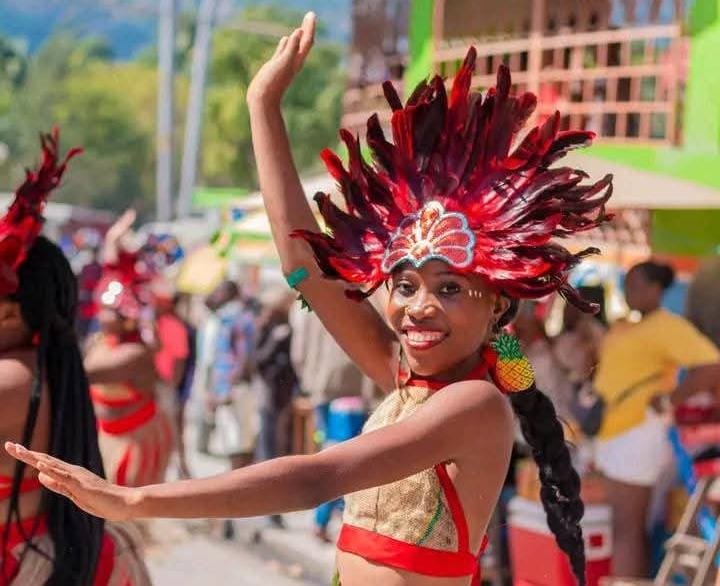
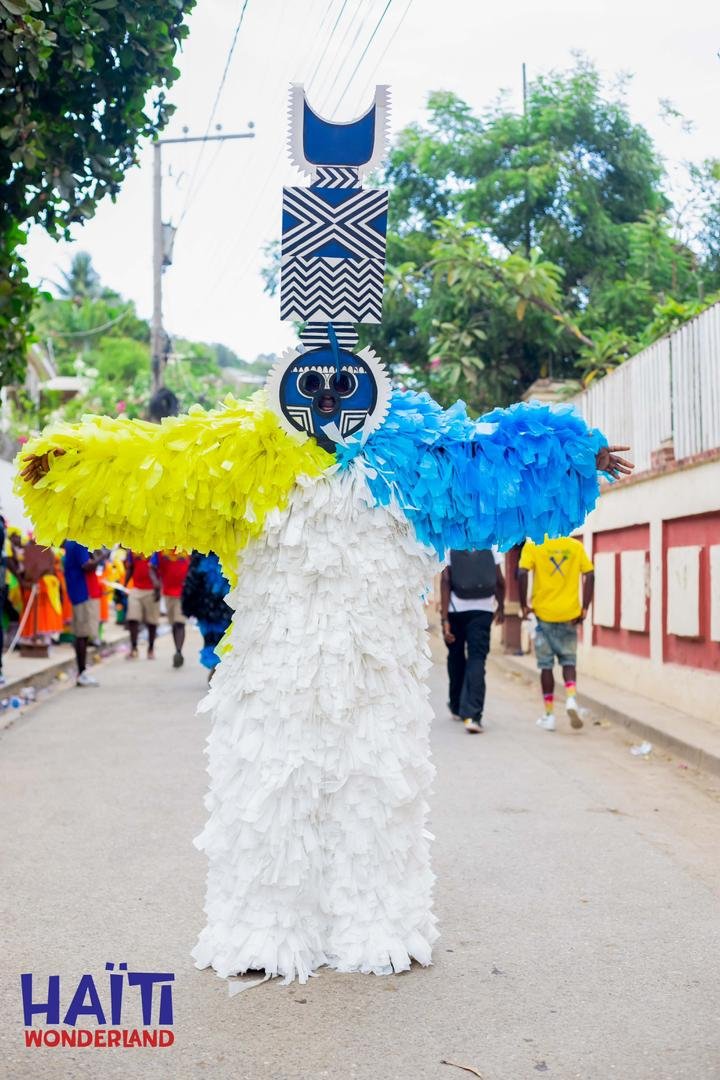
The Haitian carnival, an emblematic and essential celebration of the country’s festive calendar, is much more than a simple party. It embodies the very essence of Haitian culture, joyfully blending ancestral traditions, intoxicating music and a deep sense of community. Each year, this vibrant celebration transforms the streets into a vibrant and colorful spectacle, attracting thousands of participants and spectators eager to take part in this one-of-a-kind celebration. Haitian carnival has deep roots in the country’s history, dating back to colonial times. It has evolved over the centuries, incorporating elements of African, French and Creole culture to create a distinct and captivating celebration. The carnival period in Haïti traditionally begins in January and culminates with extravagant festivities that take place over several days. One of the most striking features of the Haitian carnival is the profusion of colors. Traditional costumes, called "masks", are elaborate and beautifully designed. They feature vivid patterns and vibrant decorations, creating a vivid picture of Haitian cultural identity. Participants, dressed in these elaborate costumes, parade through the streets to the sound of lively music, creating an electric atmosphere. Music is at the heart of the Haitian carnival. The captivating rhythms of compass, rasin, rara and other local musical genres resonate throughout the city, inviting people to dance to the rhythm of the party. Orchestras parade through the streets, accompanying the dancers and creating a unique symbiosis between the music and the graceful movements of the participants. The Haitian carnival parade is not just about the music and costumes; it also celebrates the richness of street arts. Talented artists create giant sculptures, art installations and theatrical performances that tell deep stories of Haitian history and culture. These artistic expressions contribute to the transmission of values ​​and stories that shape the identity of the Haitian people.

Newsletter

Subscribe to our newsletter to stay informed of all our activities and news on Haiti.

Haïti / Fort Picolet: Historical Guardian of Liberty

Cap-Haïtien, Haiti’s historic jewel, is home to a fascinating architectural relic: Fort Picolet. Built at the end of the 18th century by the French, this imposing bastion majestically dominates the bay of Cap-Haïtien, bearing witness to the tumults of Haitian history and the fierce struggle for independence. The history of Fort Picolet is closely linked to that of Haiti, particularly at the time of the Haitian Revolution. During this tumultuous period, when slaves and freedmen rose up against colonial oppression, the fort was the scene of epic battles and fierce sieges. Sometimes used by French forces, sometimes by Haitian revolutionaries, Fort Picolet was a silent witness to the events that shaped the destiny of the nation. Designed with a strategic vision, the fort embodies the military architecture of its era. Its thick stone walls, strategically positioned cannons and viewpoints overlooking the bay make it an impregnable bastion. Its name, Fort Picolet, pays homage to General Louis Marie, Marquis de Picolet, French governor of Cap-Français at the end of the 18th century. Today, Fort Picolet remains much more than a simple historical monument. It is a living symbol of the resilience and determination of the Haitian people. Visitors who wander through its ruins can feel the imprint of history and contemplate the remains of a tumultuous past. From up there, a panoramic view of the bay of Cap-Haitien is available to them, offering a unique perspective on the strategic importance of this place in the maritime history of Haiti. As a pillar of Haitian tourism, Fort Picolet attracts visitors from around the world. Its historical aura, combined with the natural beauty of its environment, makes it a must-see destination for history and culture lovers. More than just a tourist attraction, Fort Picolet is a poignant testimony to the endless struggle for freedom and the cultural richness of Haiti. Throughout the centuries, Fort Picolet has survived the test of time, reminding everyone that freedom is an inalienable right, hard won and carefully preserved. By exploring its ramparts, contemplating its silent cannons, visitors find themselves immersed in the tormented history of Haiti, a story of courage, resistance and hope. Live an extraordinary experience by virtually visiting the ruins of Fort Picolet: https://haitiwonderland.com/haiti-virtual-reality-ht/monuments-histoire/haiti--fort-picolet--visite-virtuelle/14

Recently Posted

History

History

First black nation to free itself from slavery and gain independence from France in 1804 and influenced other liberation movements around the world, inspiring struggles for freedom and equality.

Natural beauty

Natural beauty

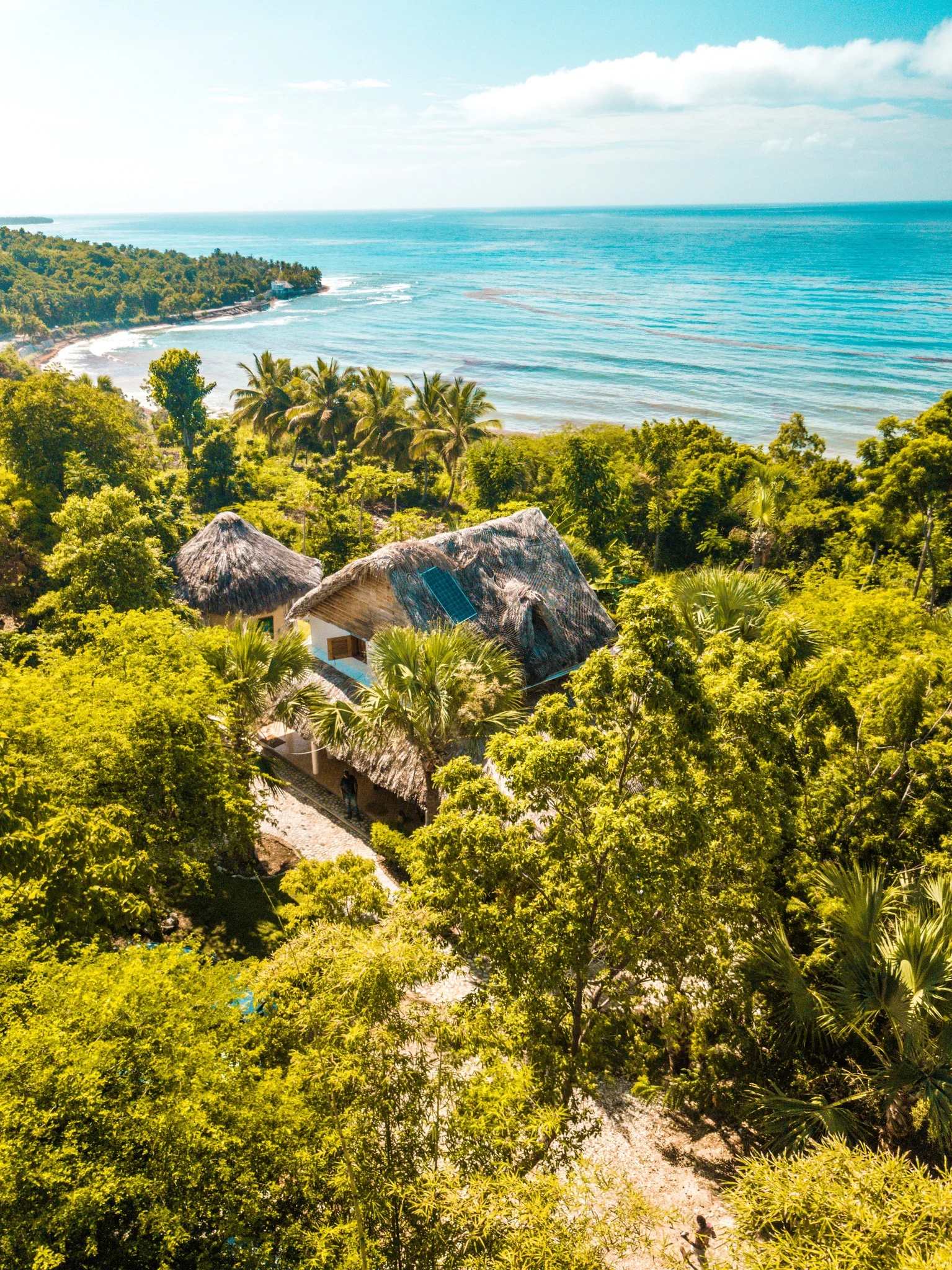
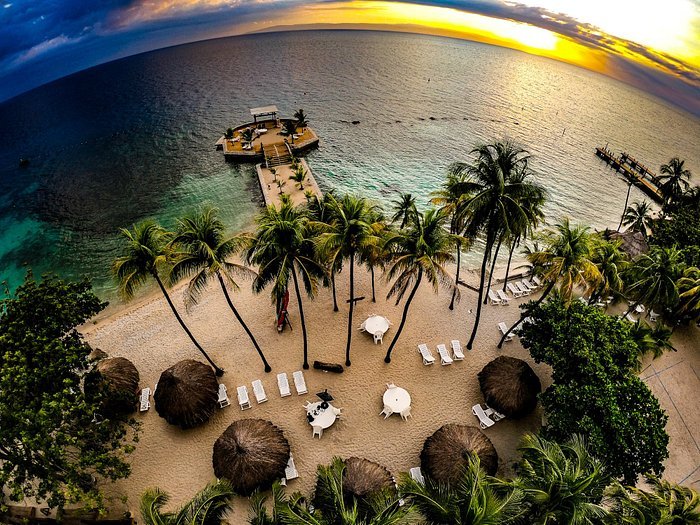
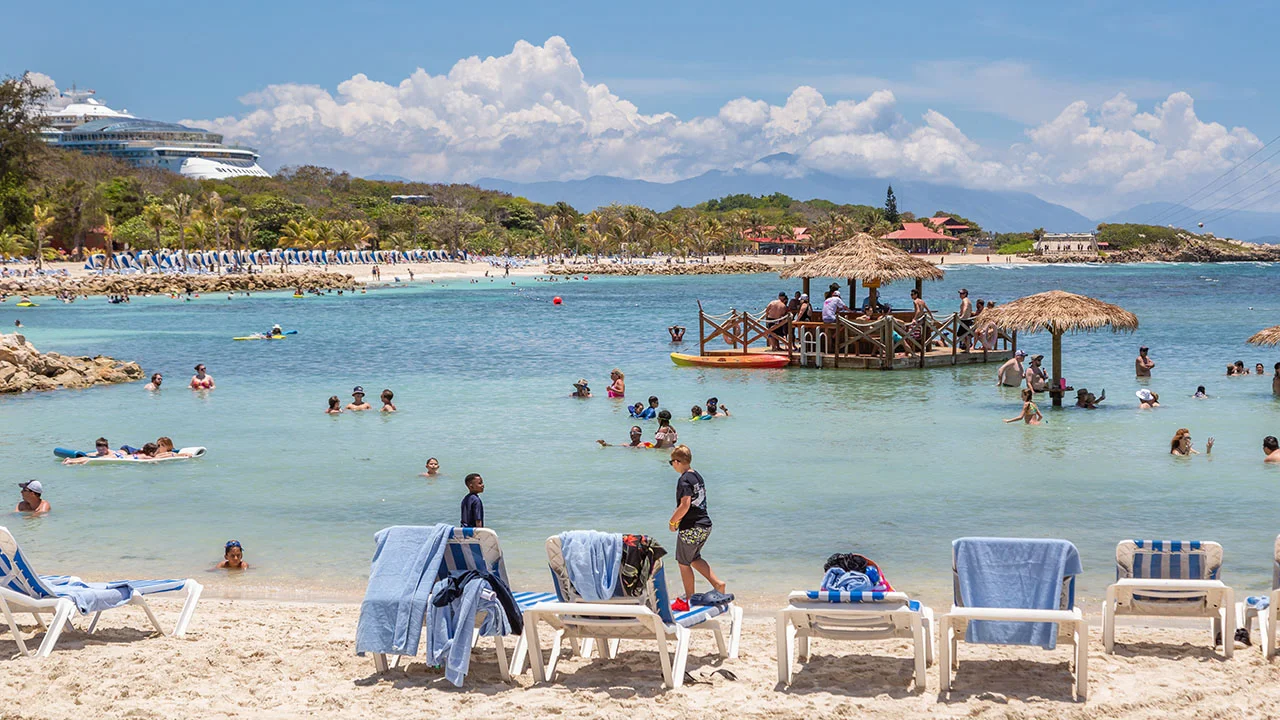
Haïti is blessed with spectacular natural landscapes, including white sand beaches, mountains and rich biodiversity.

Heritage

Heritage

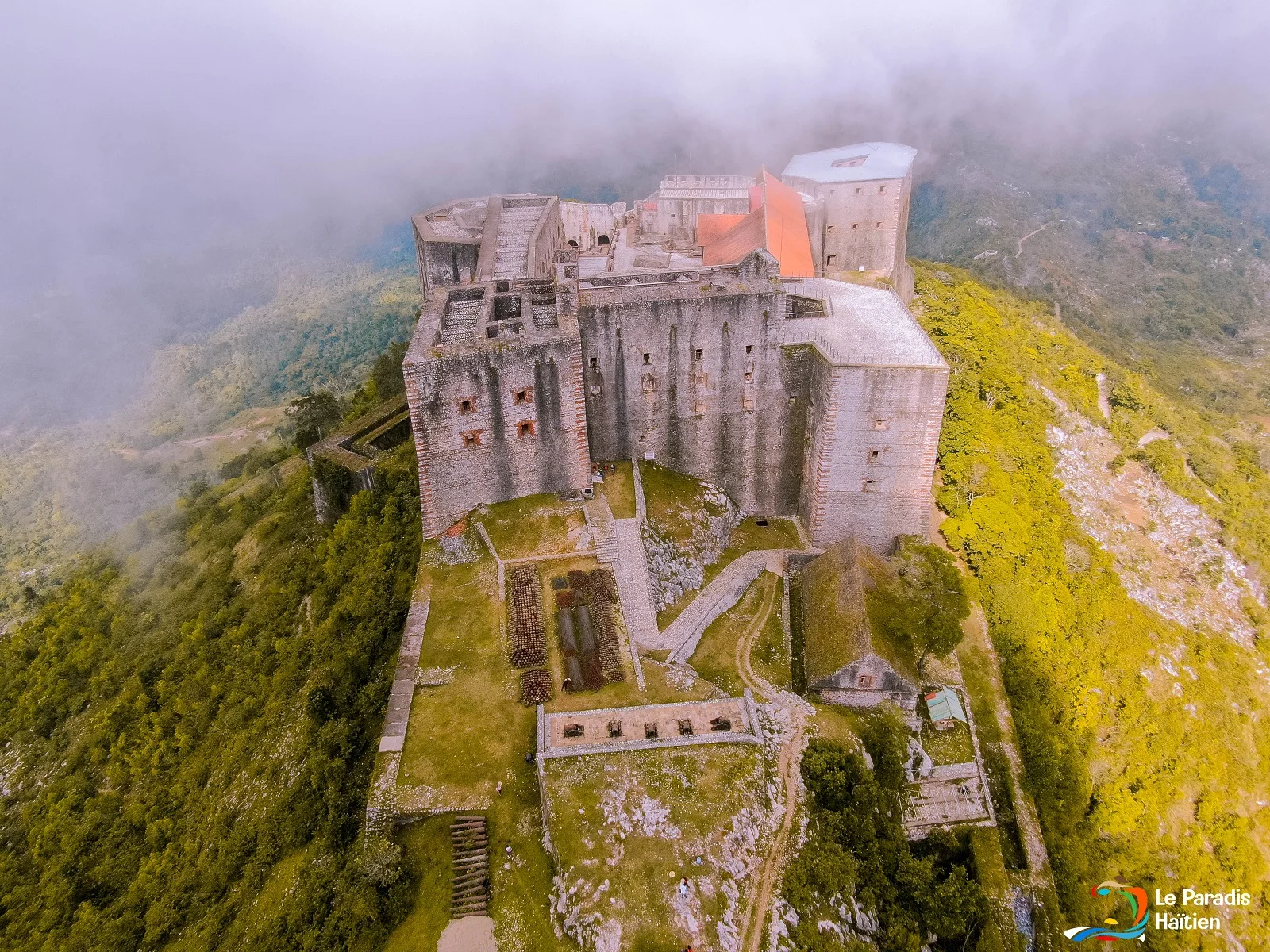
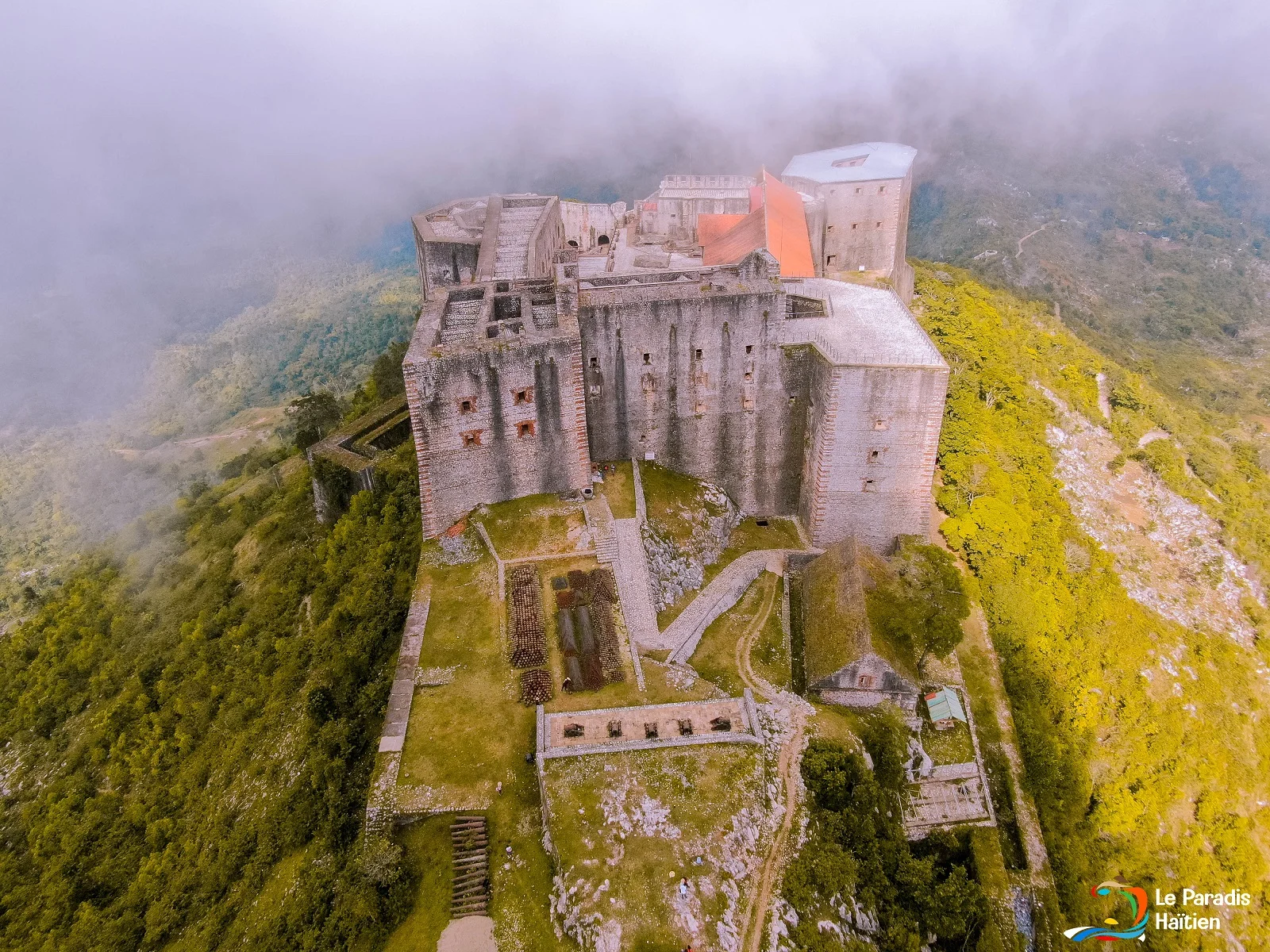
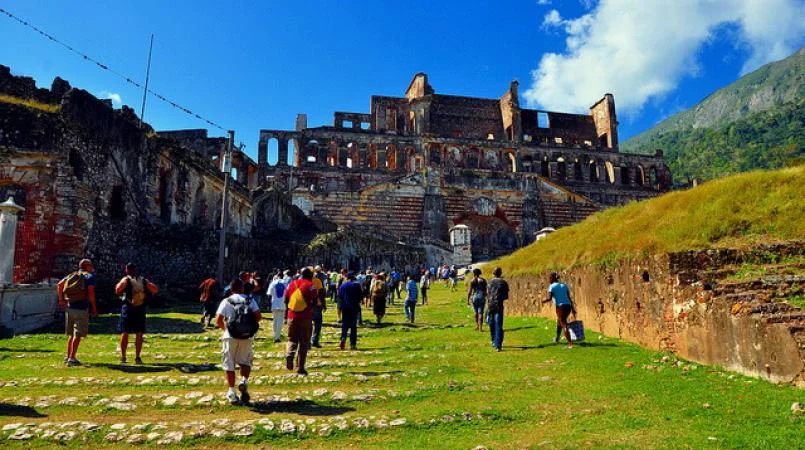
Haïti has a rich historical heritage, including sites like the Citadelle Laferrière and the Sans-Souci Palace, listed as UNESCO World Heritage Sites.

Culture

Culture

Haïti has a rich and diverse culture, influenced by African, European and indigenous elements. Haitian music, dance, art and cuisine are celebrated around the world.

  • +
    • Post