
contact@haitiwonderland.com+509 36184317

Discover

Shopping Cart

Haïti is in which continent?

Haïti is in which continent?

Haiti, a country rich in history, culture and natural beauty, often raises questions about its geographical location. Where is this vibrant country that makes the heart of the Caribbean beat? Let’s discover together the continent to which Haïti belongs and the specificities of its geographical position.

Haïti
Haïti
Haïti

1. Haïti is part of the American continent

Haïti is located on the American continent, more precisely in North America. Although many associate Haïti with the Caribbean region, it is geographically integrated into the North American continental plate.

However, it is important to note that the Caribbean, a region grouping several islands and archipelagos, is often considered a distinct sub-region of America.

Haïti
Haïti
Haïti

2. A strategic location in the Caribbean

Haïti occupies the western part of the island of Hispaniola, which it shares with the Dominican Republic. The island is located in the Caribbean Sea, a vast body of water surrounded by North America, Central America, and South America.

Haïti is surrounded by:
- The Atlantic Ocean to the north.
- The Caribbean Sea to the south.
- The Dominican Republic to the east.
- The Windward Channel to the west, which separates it from Cuba.

Its strategic position has played an important role in its history and development, making it a point of contact between the Americas, Europe, and Africa.

Haïti
Haïti
Haïti

3. A history deeply linked to America

Haiti, as the world’s first independent black country and the first independent republic in the Caribbean, has a history that is fully inscribed in that of America. Its revolution, which led to independence in 1804, had repercussions throughout the region and beyond.

In addition, Haïti has always been a cultural and historical bridge between the African, European and American continents, due to its colonial past and the transatlantic slave trade.

Haïti
Haïti
Haïti

4. A Caribbean culture rooted in the American continent

Although belonging to the American continent, Haïti is distinguished by its unique Caribbean culture, shaped by a mixture of African, European and indigenous influences. Its music, gastronomy, traditions and language reflect this hybrid identity that enriches the continent’s heritage.

Haïti
Haïti
Haïti

5. Haïti and its place in the region

Haïti is an active member of several regional organizations, such as:
- The Caribbean Community (CARICOM), which brings together the Caribbean nations.
- The Organization of American States (OAS), which includes the countries of the American continent.

These affiliations reflect Haiti’s belonging to both the Caribbean world and the American continent as a whole.

A country at the crossroads of worlds

To answer the question “What continent is Haïti on?”, it is important to remember that Haïti is part of North America while being deeply rooted in Caribbean culture. Its geographical position, history and cultural richness make it a unique country, at the crossroads of the Americas and the Caribbean.

Whether you are attracted by its heavenly beaches, its vibrant culture or its fascinating history, Haïti is a destination that continues to inspire and captivate all those who discover it.

Share
About the Author
Appolon Guy Alain
Appolon Guy Alain
Appolon Guy Alain

Full Stack Developer, Créatif, expérimenté, passionné des nouvelles technologies et de l’art.

See other articles from Appolon Guy Alain
Leave a comment

Recently Posted

Newsletter

Subscribe to our newsletter to stay informed of all our activities and news on Haiti.

Caractéristique d’un lapin

Les lapins sont des mammifères appartenant à la famille des Leporidae. Voici quelques-unes de leurs caractéristiques principales : 1. **Physique** : Les lapins ont un corps couvert de fourrure douce, des oreilles longues et droites, de grands yeux sur les côtés de leur tête, et une queue courte et duveteuse. Ils possèdent de puissantes pattes arrière adaptées au saut. 2. **Taille et poids** : La taille et le poids peuvent varier considérablement selon la race, allant d’environ 500 grammes pour les plus petits à plus de 5 kilogrammes pour les plus grands. 3. **Comportement** : Les lapins sont connus pour être sociaux et peuvent vivre en groupes dans la nature. Ils communiquent entre eux par différents moyens, y compris par des sons et des mouvements corporels. Les lapins creusent des terriers pour y vivre et se protéger des prédateurs. 4. **Alimentation** : Ils sont herbivores, se nourrissant principalement de foin, d’herbes, de feuilles, de fleurs, et de certains légumes. Leur système digestif est adapté pour traiter une grande quantité de fibres. 5. **Reproduction** : Les lapins sont réputés pour leur capacité à se reproduire rapidement, avec des gestations courtes d’environ 28 à 31 jours. Une portée peut compter de un à douze lapereaux, selon la race. 6. **Sens** : Ils ont une excellente vision périphérique pour détecter les mouvements tout autour d’eux, mais ont une zone aveugle juste devant leur nez. Leur ouïe est également très développée, leur permettant de capter des sons à de grandes distances. 7. **Espérance de vie** : En captivité, les lapins peuvent vivre de 7 à 10 ans, selon la race et les soins prodigués, tandis que dans la nature, leur espérance de vie est généralement plus courte en raison des prédateurs et des maladies. Ces animaux nécessitent des soins appropriés, notamment un régime alimentaire équilibré, de l’exercice, et une attention particulière à leur bien-être émotionnel et physique pour vivre une vie saine et heureuse en captivité.

Recently Posted

History

History

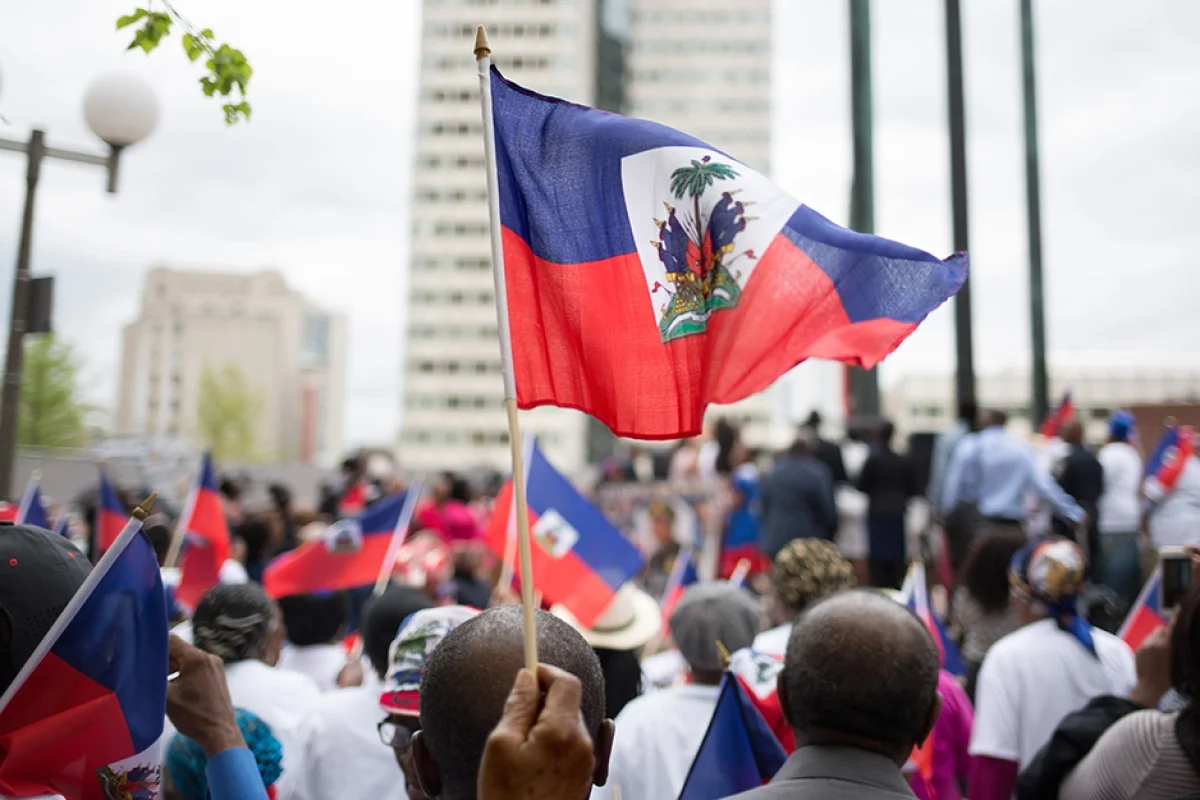
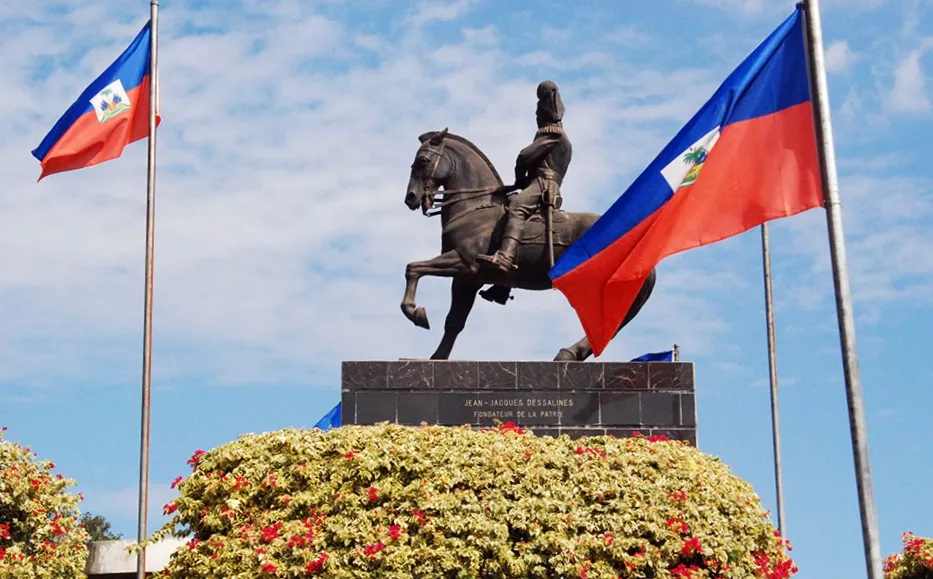
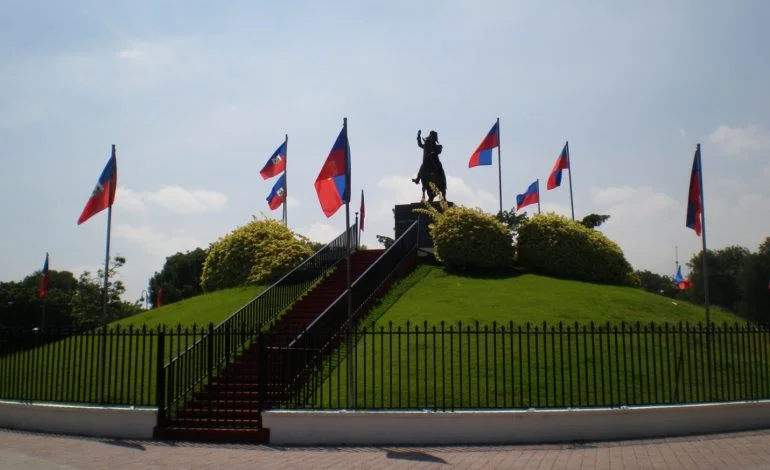
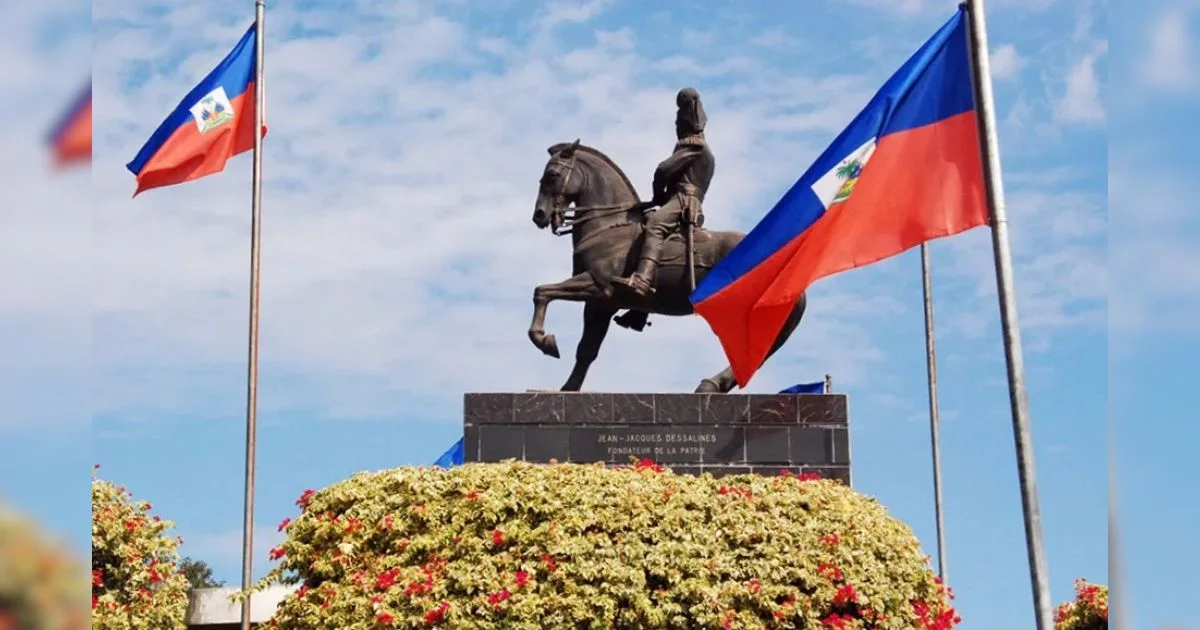
First black nation to free itself from slavery and gain independence from France in 1804 and influenced other liberation movements around the world, inspiring struggles for freedom and equality.

Natural beauty

Natural beauty

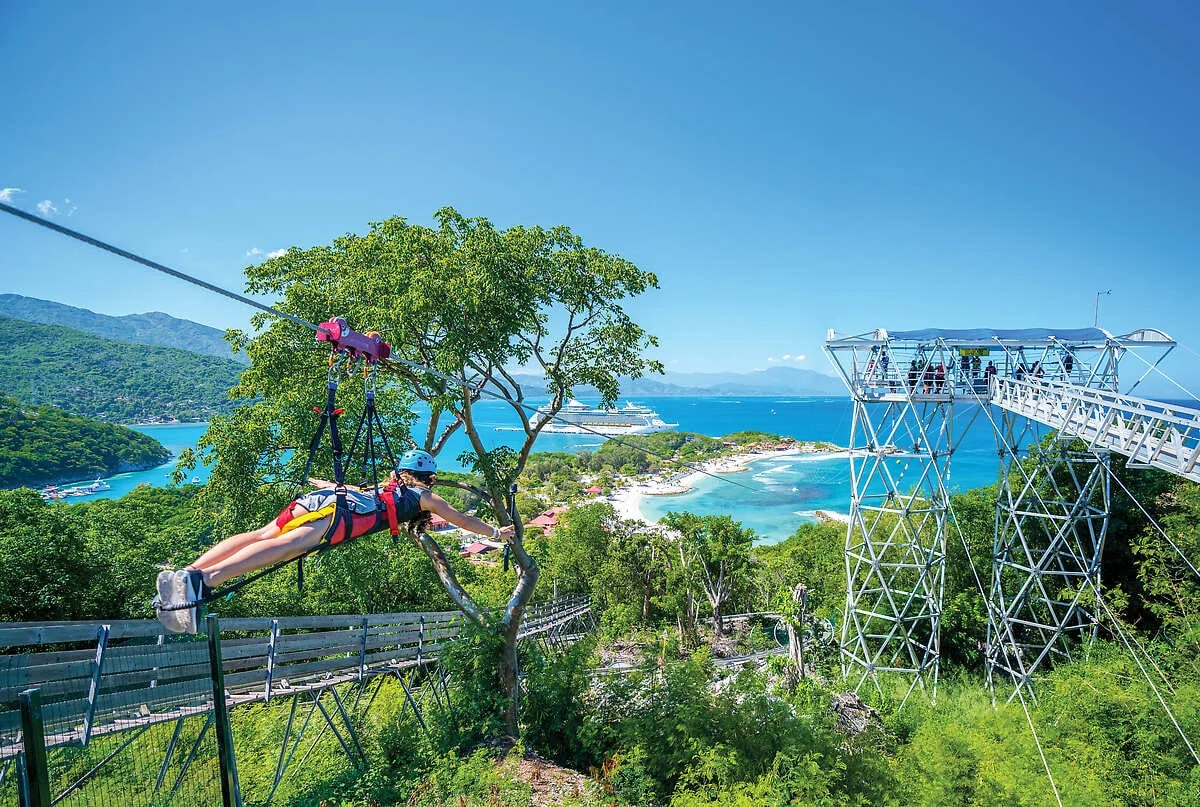
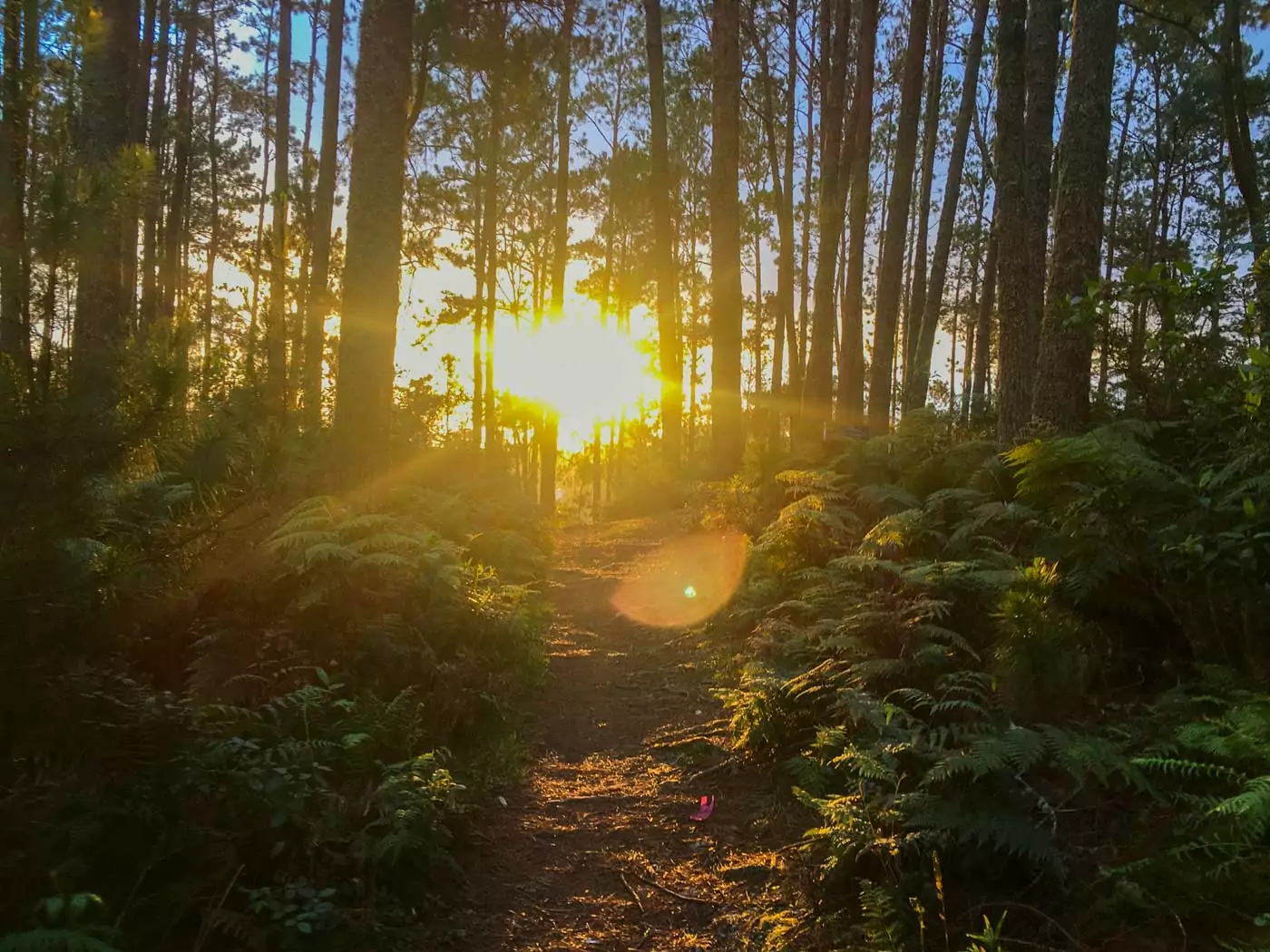
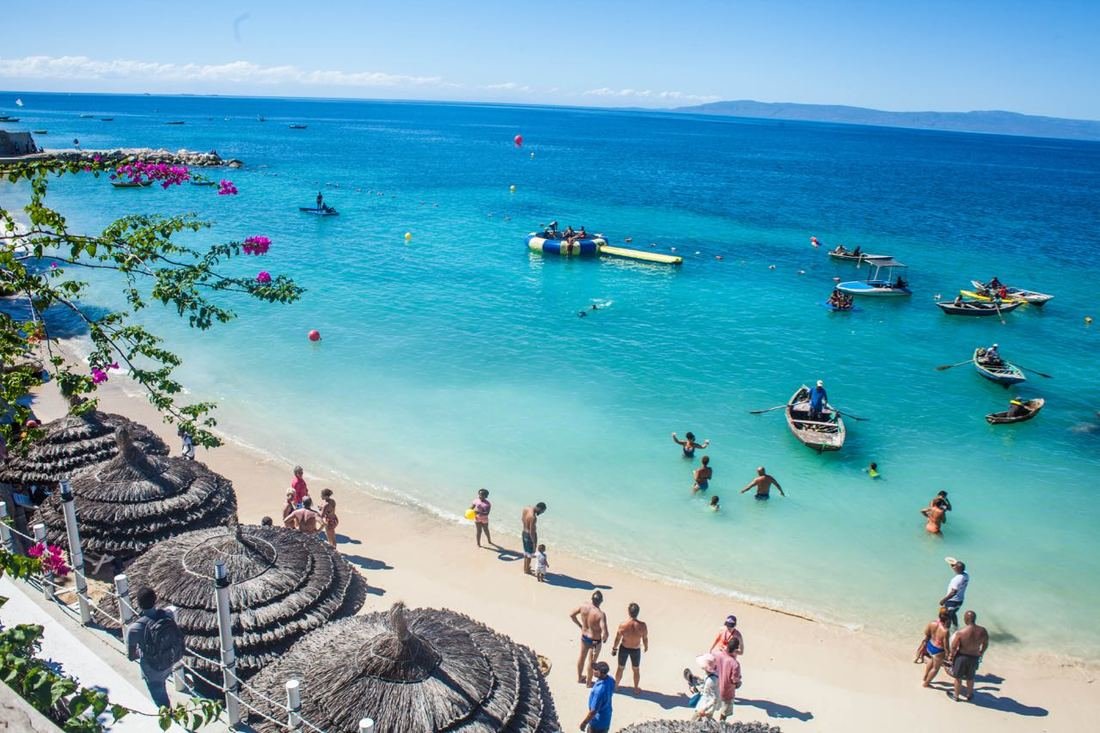
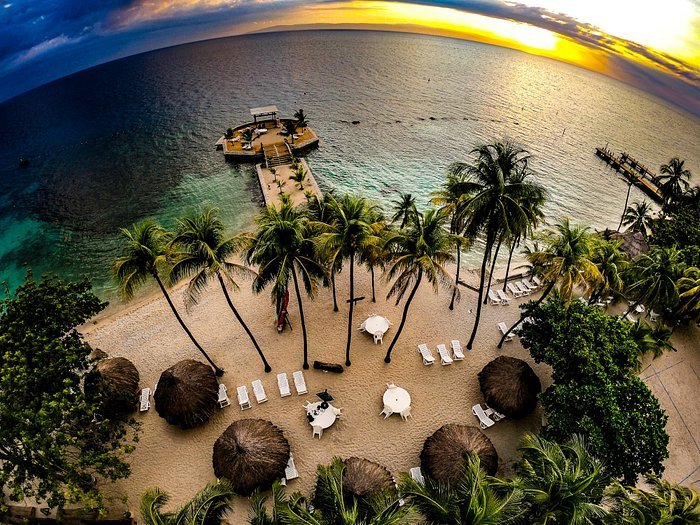
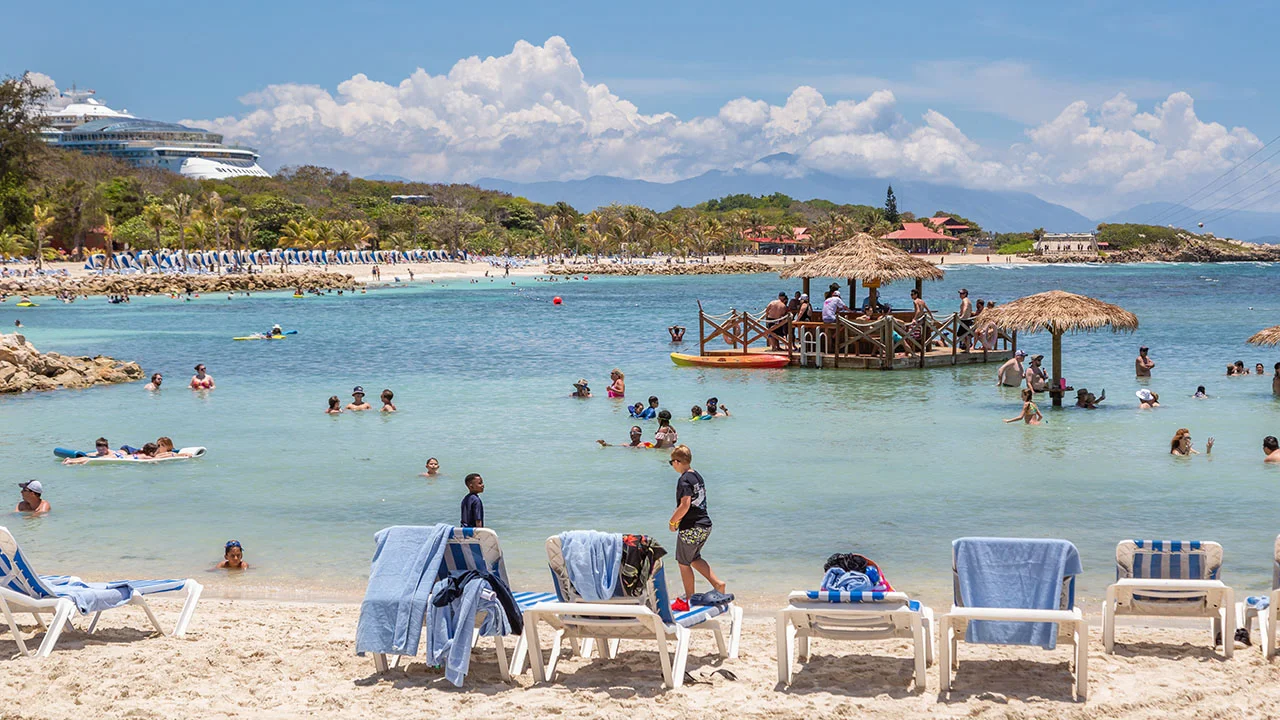
Haïti is blessed with spectacular natural landscapes, including white sand beaches, mountains and rich biodiversity.

Heritage

Heritage

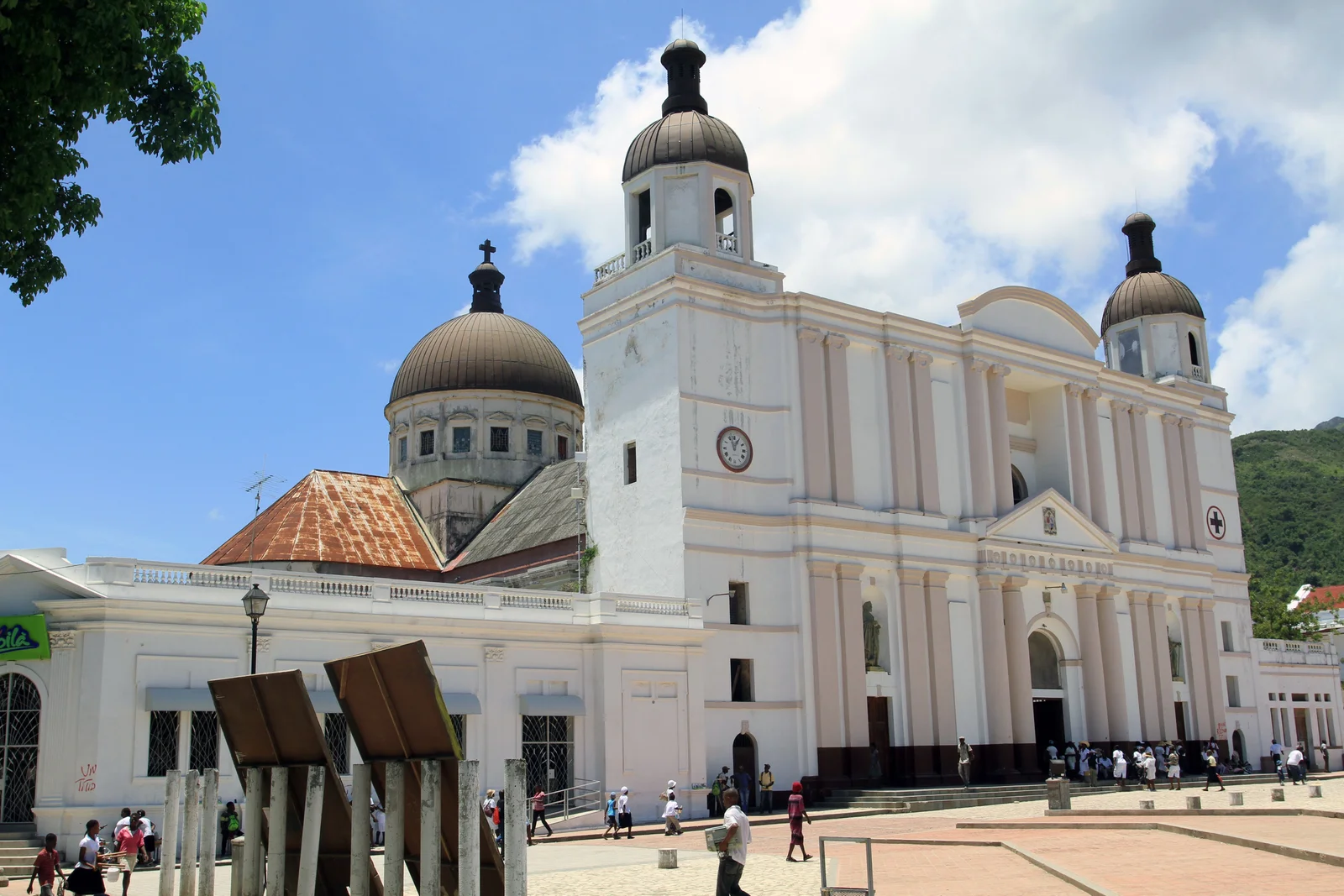
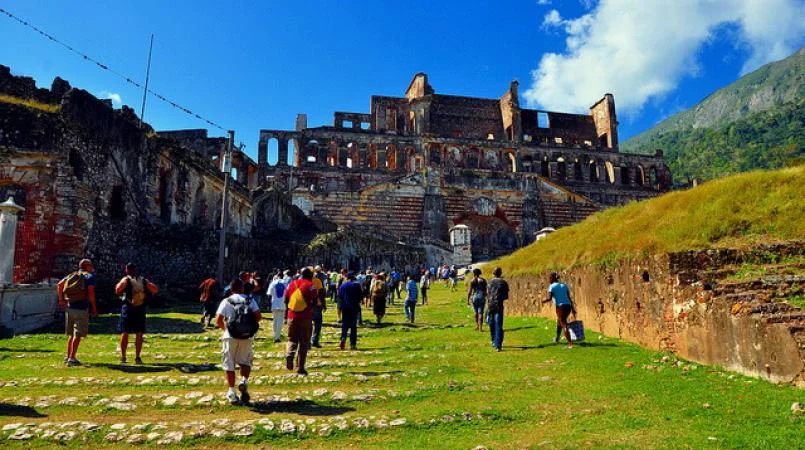
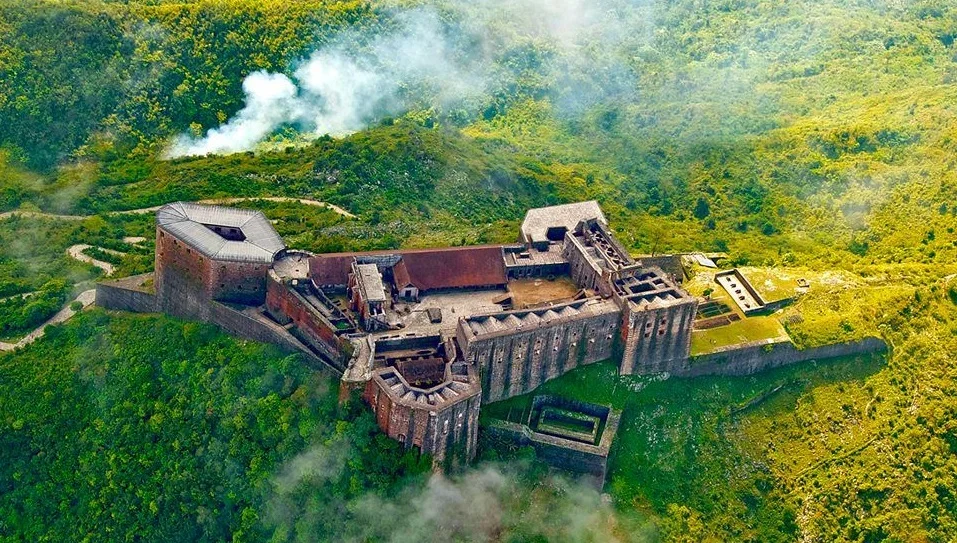
Haïti has a rich historical heritage, including sites like the Citadelle Laferrière and the Sans-Souci Palace, listed as UNESCO World Heritage Sites.

Culture

Culture

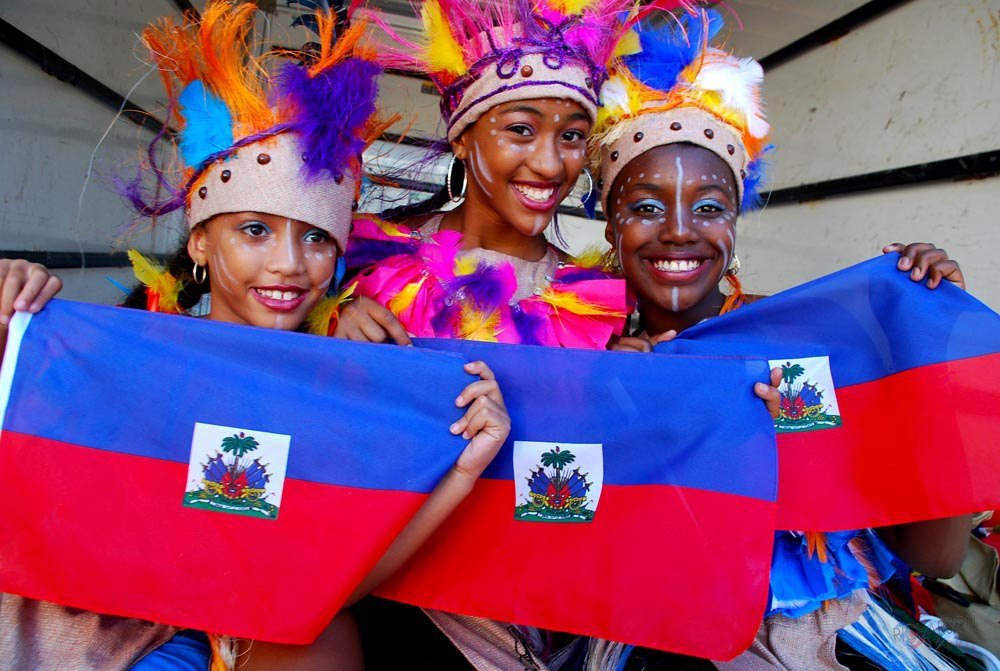
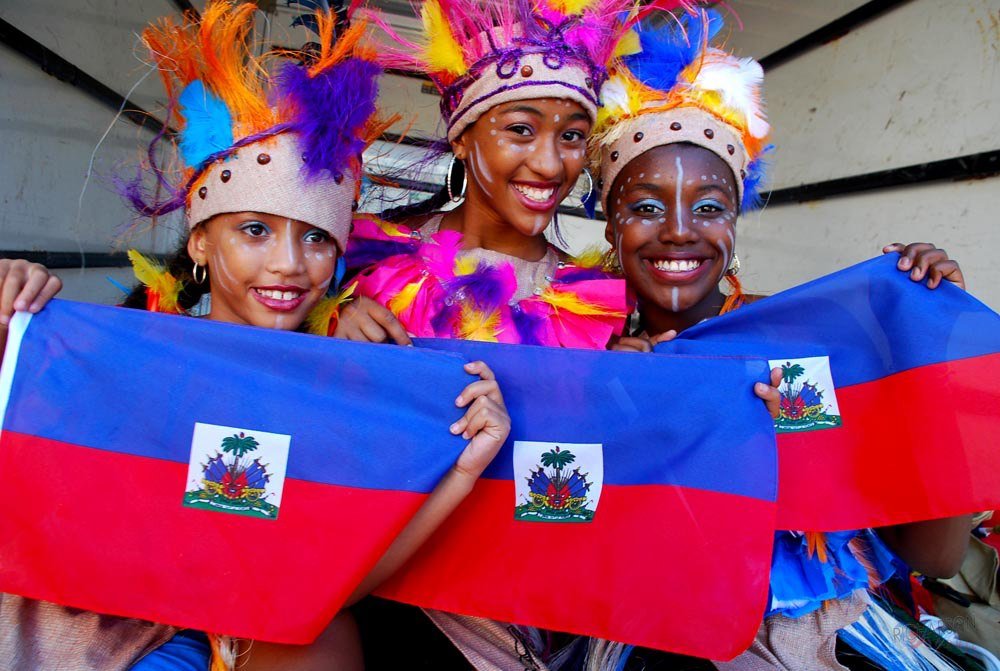
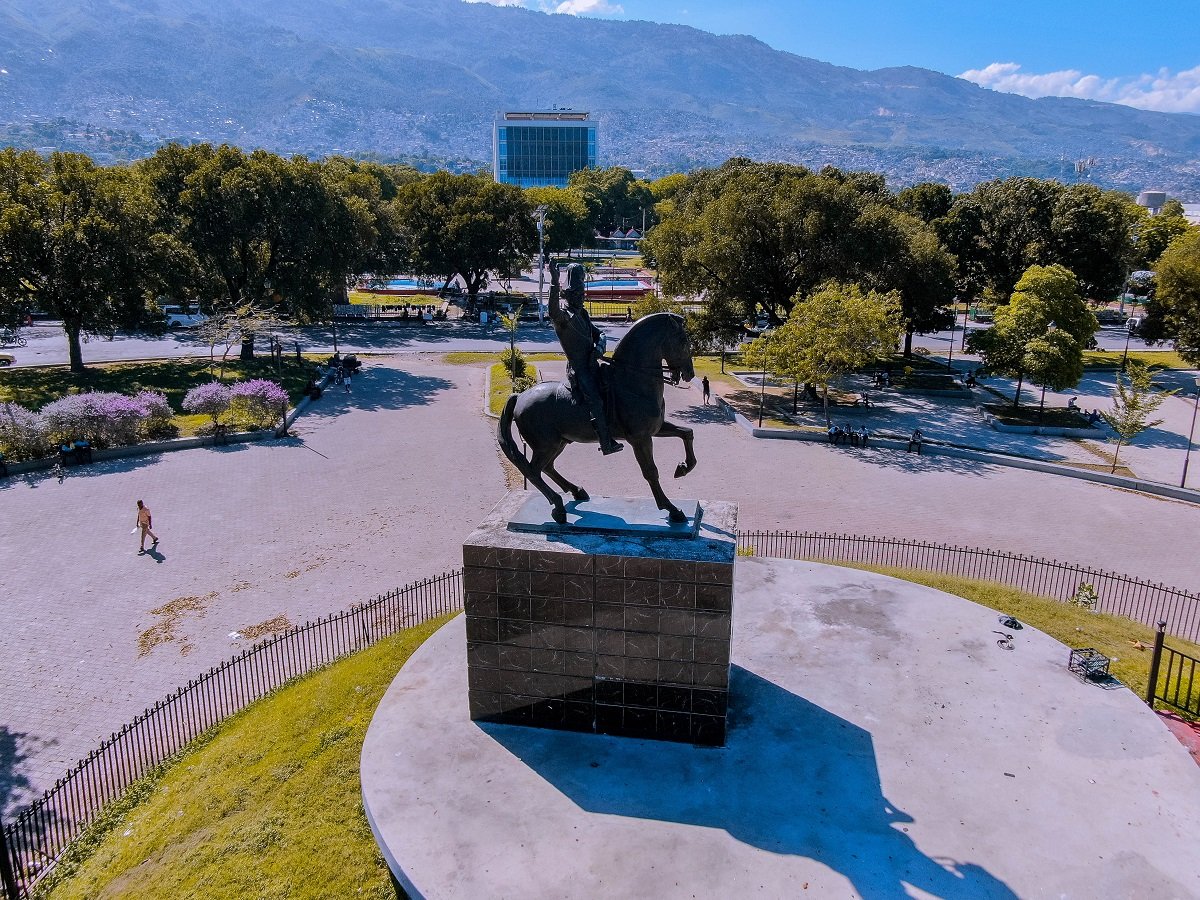
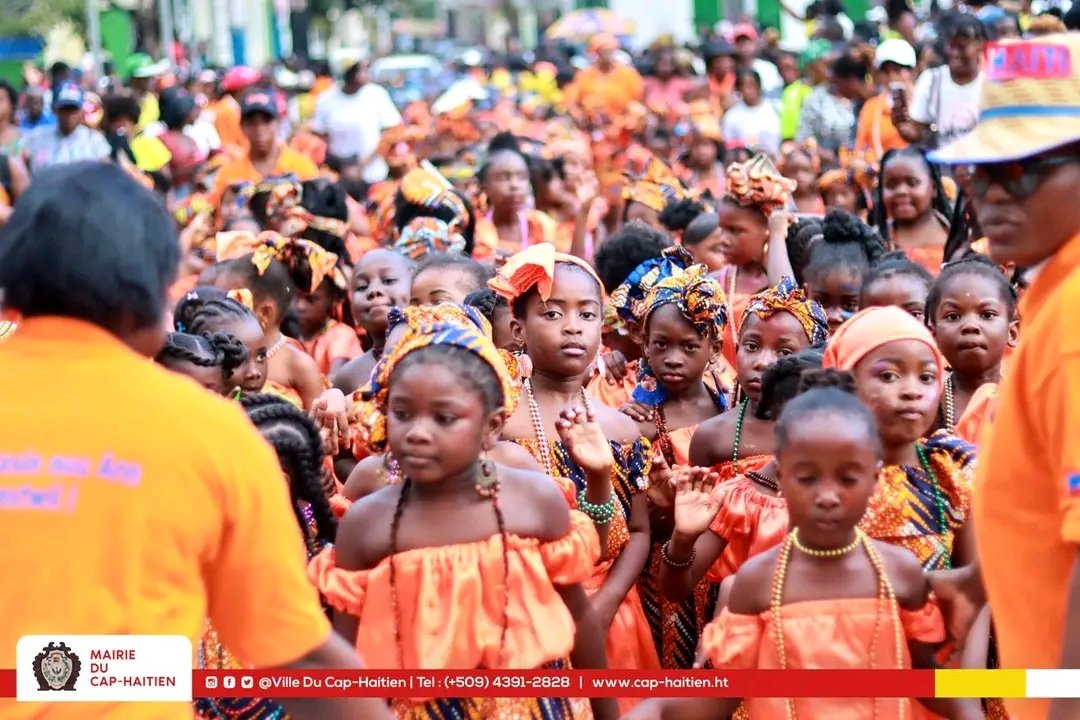
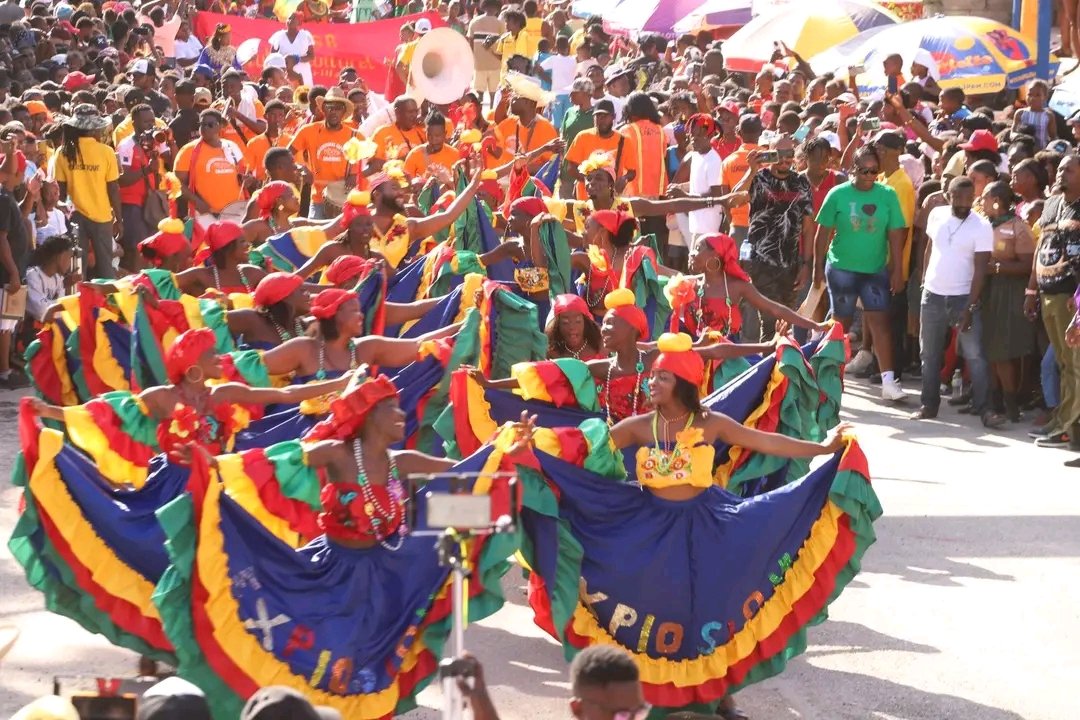
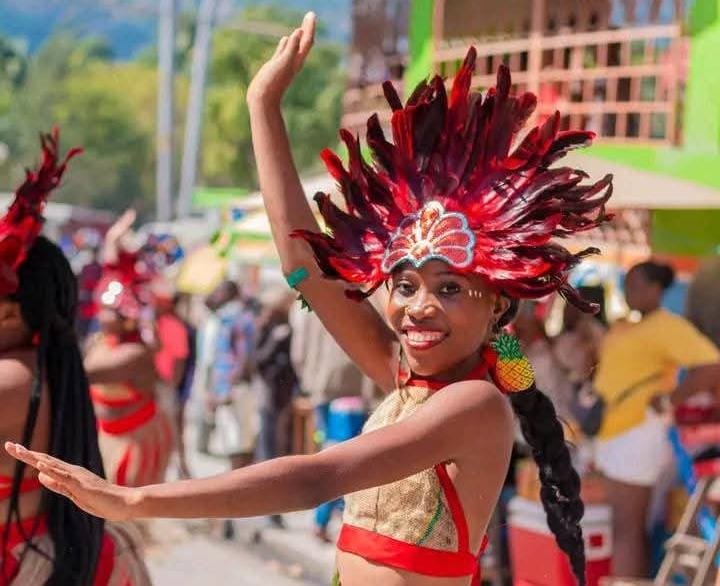
Haïti has a rich and diverse culture, influenced by African, European and indigenous elements. Haitian music, dance, art and cuisine are celebrated around the world.

  • +
    • Post