contact@haitiwonderland.com+509 36184317

Discover

Shopping Cart

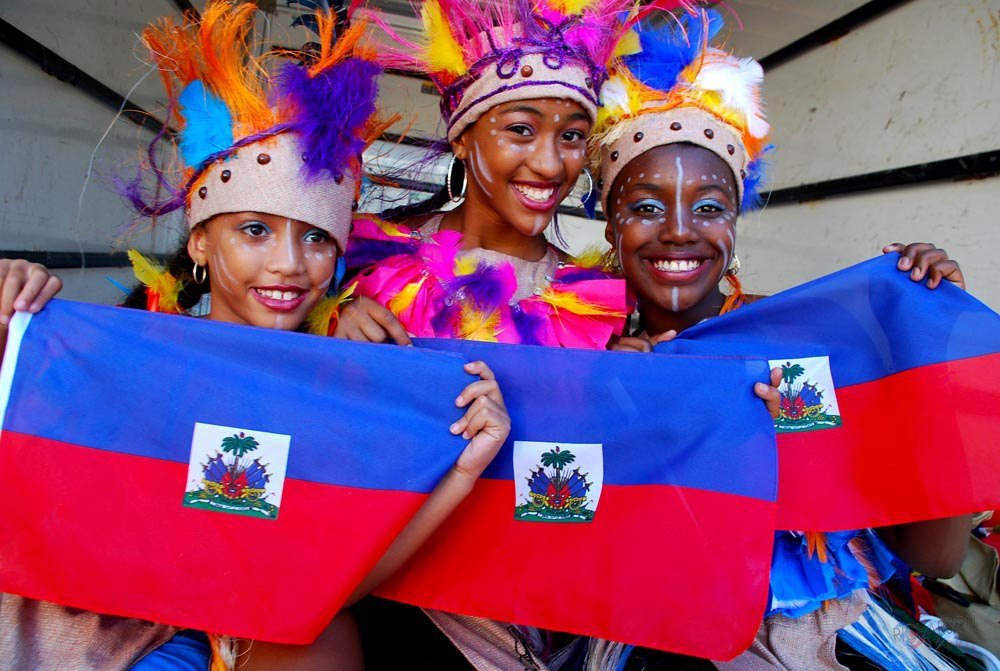
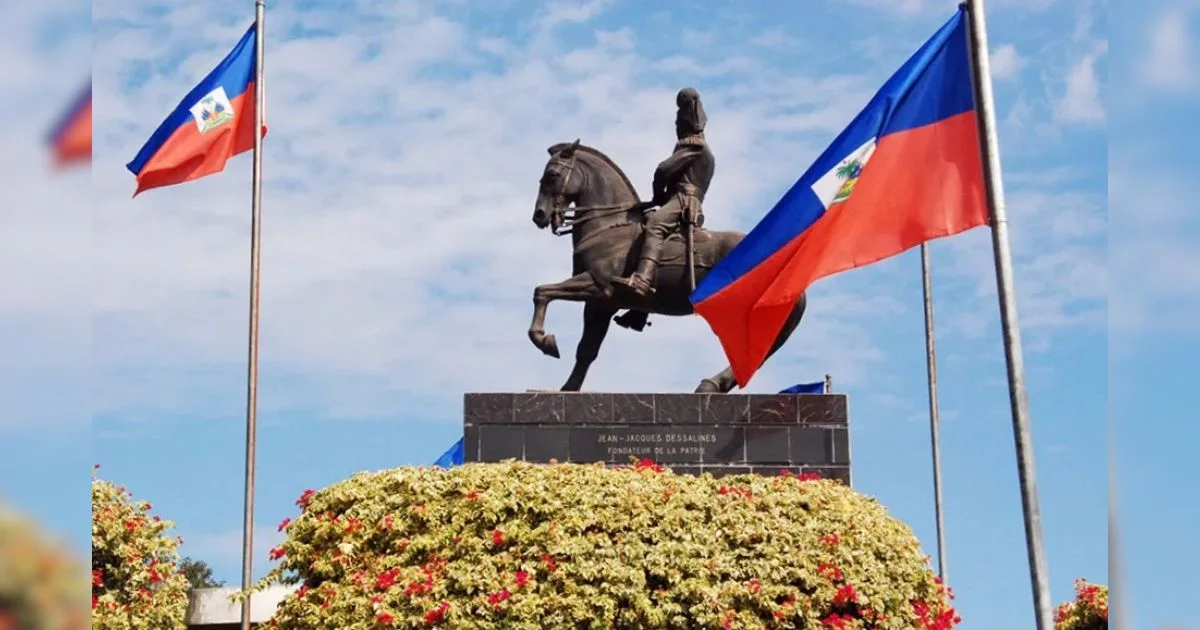
Article 2 of the Haitian Constitution: The National Colors, a Symbol of Identity

Article 2 of the Haitian Constitution: The National Colors, a Symbol of Identity

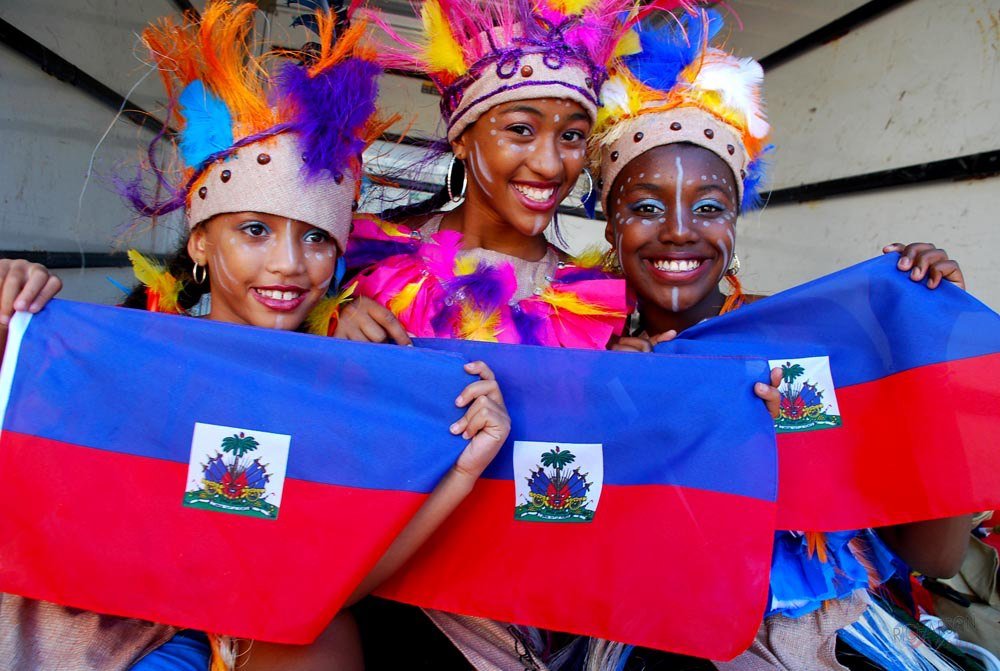
Article 2 of the Haitian Constitution of 1987, amended in 2011, establishes that the national colors are blue and red. These two colors are not simply aesthetic choices; they embody the history, culture, and aspirations of the Haitian people.

Let’s dive into the deeper meanings and key facts associated with these emblematic colors.

ARTICLE 2: The national colors are: blue and red.

Haïti
Haïti
Haïti

1. Blue: Unity and Hope

Blue represents the unity of the Haitian people, a reminder that all social classes contributed to the birth of the nation.

- Key figure: Approximately 95% of the Haitian population is of African descent, and blue reflects their common struggle for freedom.
- Historical fact: Blue was retained from the old French flag, but reinterpreted to symbolize national unity in the Haitian context.

The blue on the flag is also an invitation to hope and solidarity between citizens, whatever their differences.

Haïti
Haïti
Haïti

2. Red: courage and sacrifice

Red, for its part, embodies the blood shed by the heroes of the Haitian Revolution, a tribute to the courage and sacrifices made for independence.

- Key figure: The Haitian Revolution cost the lives of approximately 100,000 fighters, but allowed the liberation of more than 500,000 slaves.
- Concrete example: The Battle of Vertières, in 1803, was a brilliant demonstration of bravery, crowned by victory against the Napoleonic army.

Red is therefore a constant reminder of the price of freedom and the importance of protecting this heritage.

Haïti
Haïti
Haïti

3. A history marked by the evolution of the flag

Since its creation, the blue and red flag has undergone changes, while remaining a symbol of national pride.

- Notable fact: The original flag of 1803 was blue and red, but horizontal. Designed by Jean-Jacques Dessalines, it expressed the rejection of colonial powers.
- Key figure: The current version, with the addition of the national emblem in the center, was officially adopted in 1986.

These modifications reflect the adaptation of the nation through the ages, while maintaining its fundamental values.

Haïti
Haïti
Haïti

4. A source of inspiration for the world

The Haitian flag is one of the first in the world to symbolize the resistance and victory of the oppressed against the colonizers.

- Concrete example: During the Bandung Conference in 1955, the Haitian flag inspired several African nations in their quest for independence.
- Key figure: Haïti is one of the few nations whose flag is celebrated each year on May 18, during Flag Day.

This shows how powerful symbols blue and red are, not only for Haiti, but for all those who fight for freedom.

Haïti
Haïti
Haïti

A symbol of unity and resilience

The blue and red colors of Article 2 of the Haitian Constitution are not just hues. They embody the national identity, courage and hope of a people proud of their history and resilient in the face of challenges.

By wearing these colors, each Haitian also carries a message of solidarity, freedom and unity that transcends generations. Blue and red are not just symbols, they are the soul of the Haitian nation.

Share
About the Author
Appolon Guy Alain
Appolon Guy Alain
Appolon Guy Alain

Full Stack Developer, Créatif, expérimenté, passionné des nouvelles technologies et de l’art.

See other articles from Appolon Guy Alain
Anpil lanmou pou ou gran fre kontinye travay pou mete peyiw an vale 🇭🇹🫶

Thanks

September 11, 2025 - 08:43:57 PM
Leave a comment

Recently Posted

Newsletter

Subscribe to our newsletter to stay informed of all our activities and news on Haiti.

Pity or the work of an old soul crushed under the weight of an absinthe-flavored existence

The word crisis carries an infinite number of meanings. No intention of revealing them all this afternoon. However, a few clarifications are necessary. A kid whose parents do not have enough money at Christmas to buy her a Little Black Mermaid doll has a fit and locks herself in her room without touching her meals for the day. A boy whose dog was suddenly poisoned by a neighbor in revenge or shot after contracting rabies, losing a faithful friend overnight, enters into crisis. Finally, a society in the grip of all sorts of mutations and whose leaders are weak, perhaps prolonged in a deep crisis. In the first case, the young girl sulks to attract the attention of her parents in order to feel appreciated by children her age at school or in the neighborhood. Today, thirty minutes of negotiations can be enough to find a lasting solution. In my day, a few well-aimed belt blows would have overcome this whim. But, humanity evolves, they say. In the second case, this boy can find his smile again after a few weeks. He needs a little attention and, probably, another dog. As Stendhal would say, only passion triumphs over passion. In the last case, this society led by inepts is shaken to its deep foundations. Its institutions can disintegrate one by one. The vital forces dissolve in no time. This situation creates a societal tsunami that destroys all life within this community. It is indeed a crisis. The crisis from this point of view constitutes an alarming, desperate situation in the existence of a community where nothing is going well. Chaos reigns supreme. The very essence of life disappears. The individual can take precedence over the community. Everyone tries to solve their problems without worrying about others. The closest neighbor is relegated light years away from you. How can we turn to creation? How can we continue to conceive of otherness? How can the artist absorb this great collective disarray as a source of motivation? These are the questions I must answer. An artist sees and feels what ordinary mortals cannot even imagine in a thousand-year life. He creates to denounce, when his conscience as a human being is revolted. He exalts heroes or the homeland according to his feelings. He sings the beauty of an irresistible, captivating or ugly resplendent woman. He can also use the ambient desolation to give meaning to life. Creating in literature as in the arts in general does not depend on the situation. The act of creation depends on the creator’s disposition. Events paralyze some and galvanize others. Creating is enjoyable. Everyone therefore enjoys according to their own whim. Writing opens the way to change. The writer takes a different look at the world. By embedding himself in reality, he embellishes it, makes it better or hideous depending on the message he intends to share. All things considered, with him, life is never fixed. Writing is putting the world in a jar to travel the universe. The artist broods over his work in all weathers. Oswald Durand was delighted to see Choucoune’s beautiful body from his secret observatory. Musset, on the other hand, was in pain writing his October night. As for Dany Laferrière, in exile, he described the horrors of the Duvalier dictatorship and the carefree attitude of the young girls in his neighborhood in this violent and dangerous world. Ultimately, the writer lives in a society with values ​​that he shares or not. They condition his existence or have no hold on him. In many ways, the surrounding world serves as his laboratory. He carries out his experiments there. He casts a new, worn, disillusioned, melancholic, violent, bitter look at the world depending on his mood. Pitié is the work of an old soul crushed under the weight of an existence that tastes of absinthe. Young Mike Bernard Michel lives by expedients and lies. The hands of life fall on him with indescribable violence. Misfortune embraces him day and night. Should we give up? Musset liked to say: "Man is an apprentice, pain is his master. And no one knows himself until he has suffered." The artist must produce under all skies. Such is his vocation. Incompetents in power, legal or highway bandits, the high cost of living, unemployment, heartaches are all subjects of concern for him. If it is true that a hungry belly has no ears, the fact remains that it keeps the brain awake. What am I saying, it stimulates it to the point of creating timeless works. Mr. Pitié, you have a bright future ahead of you. Work of Jean Rony Charles, the book is available from Éditions Repérage.

Recently Posted

History

History

First black nation to free itself from slavery and gain independence from France in 1804 and influenced other liberation movements around the world, inspiring struggles for freedom and equality.

Natural beauty

Natural beauty

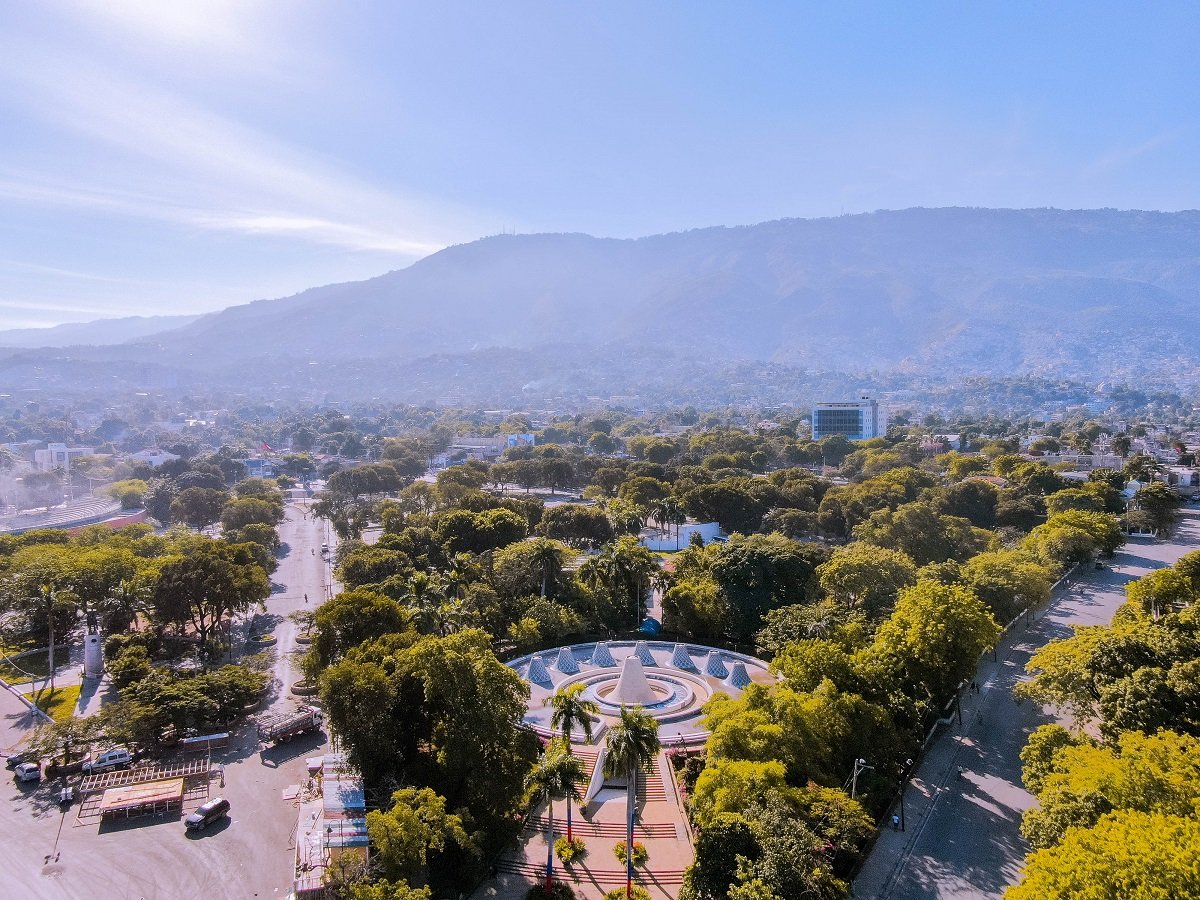
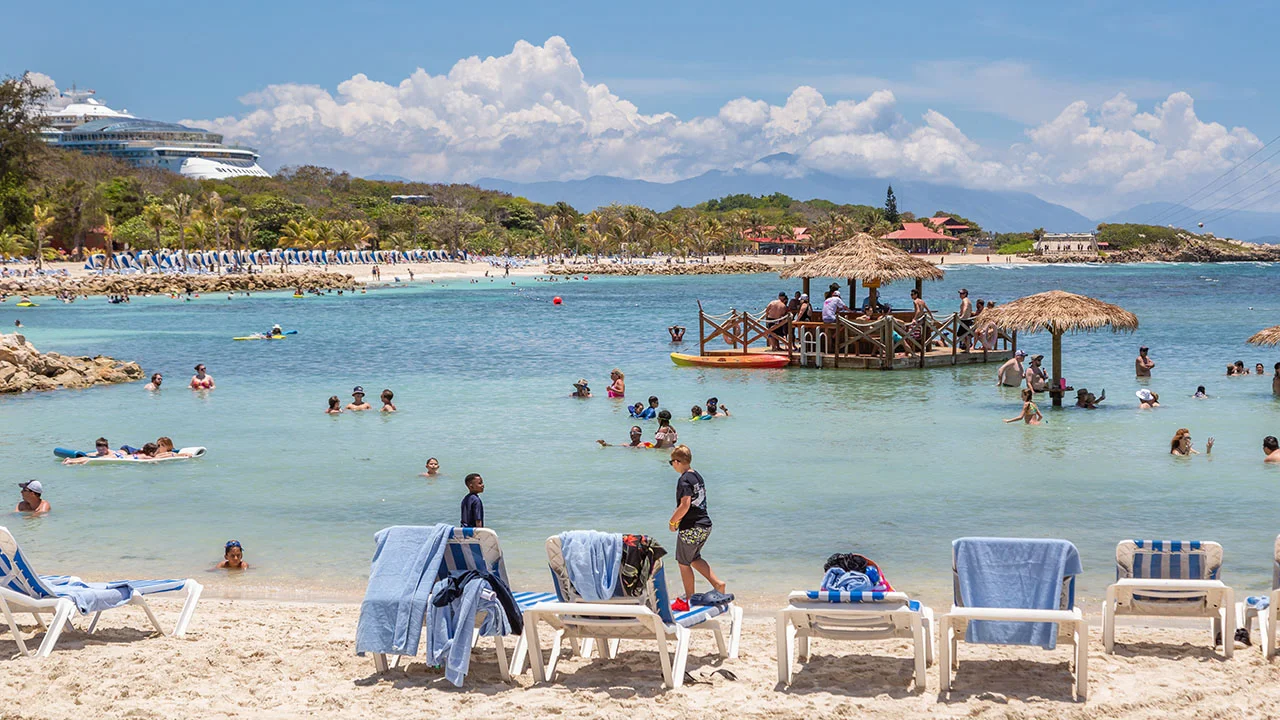
Haïti is blessed with spectacular natural landscapes, including white sand beaches, mountains and rich biodiversity.

Heritage

Heritage

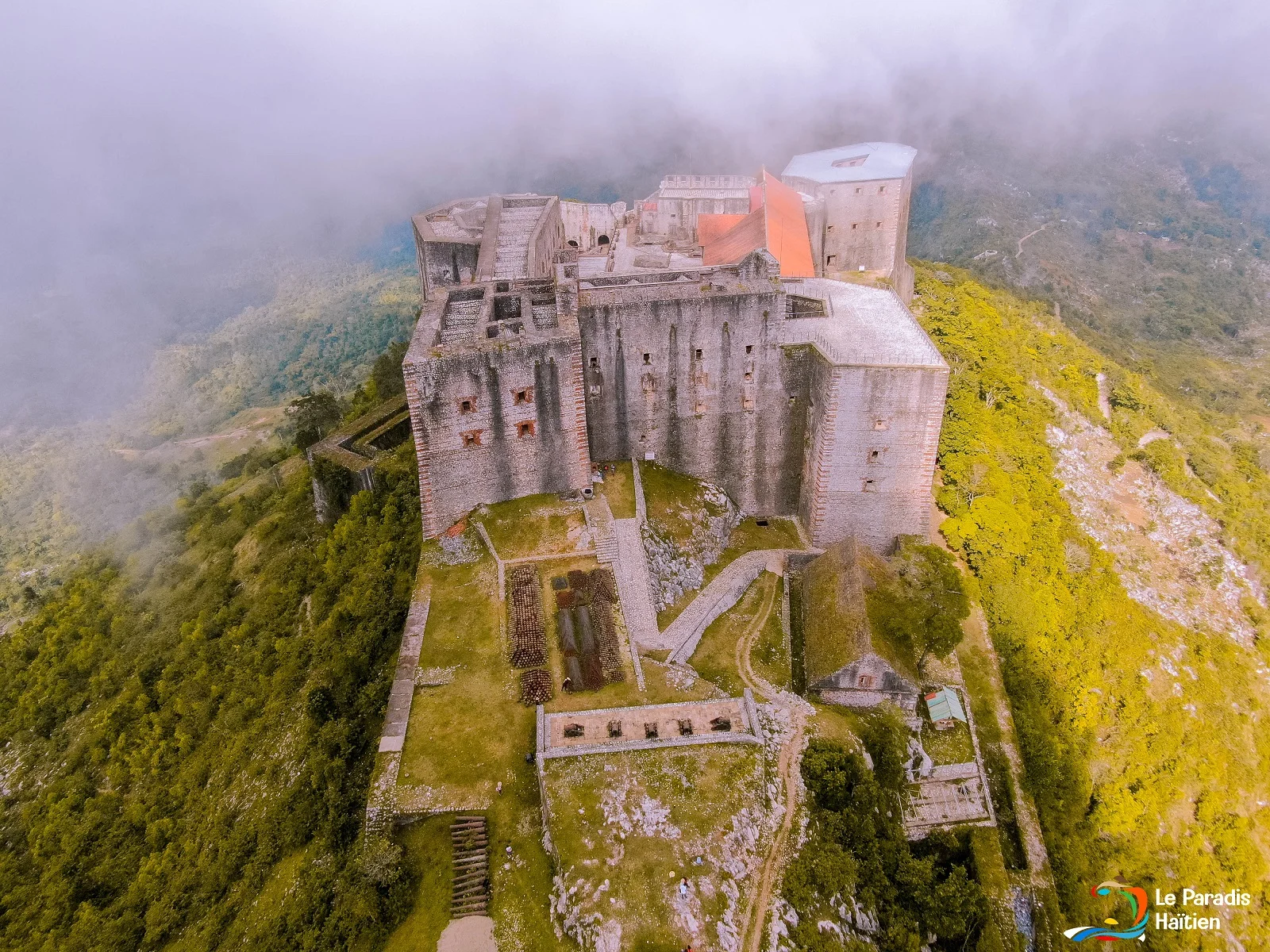
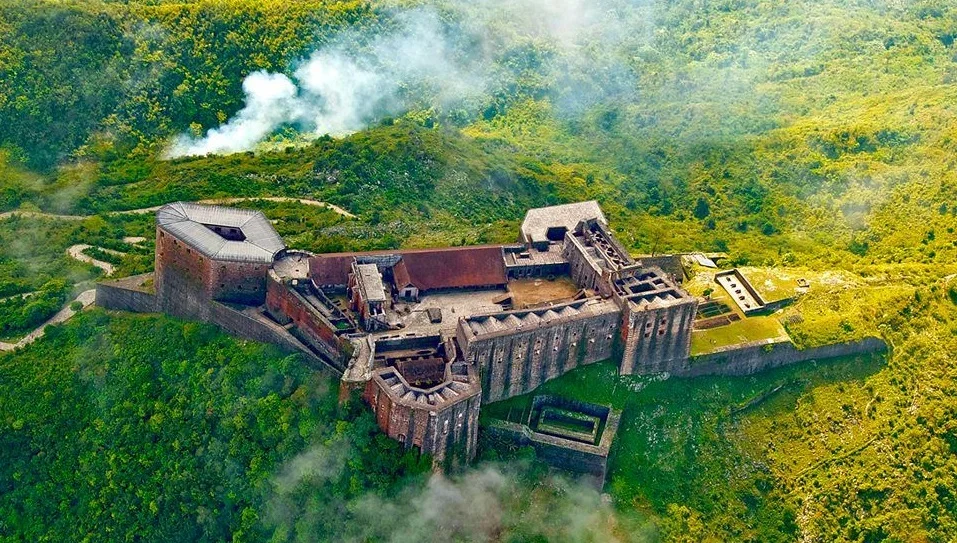
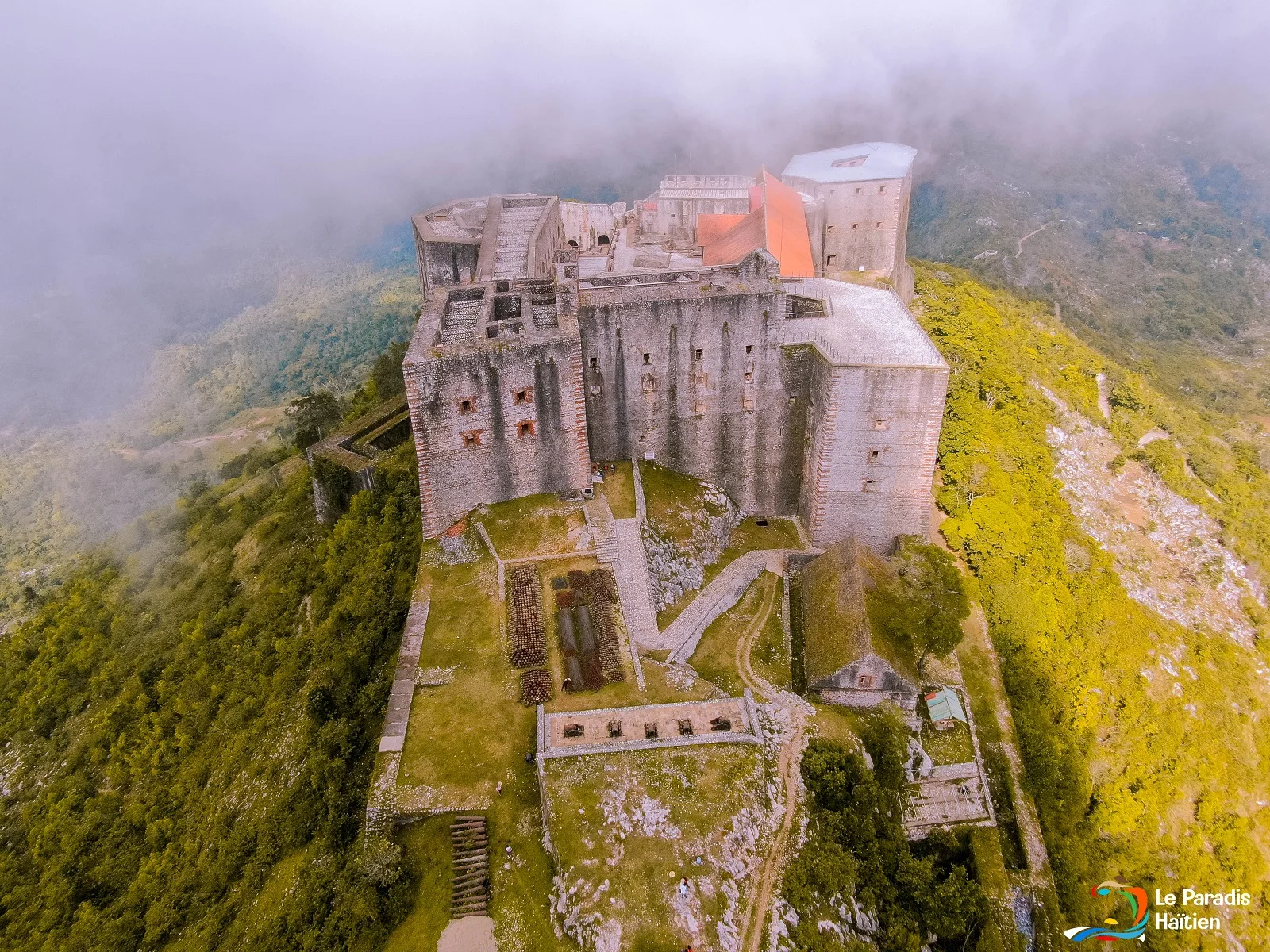
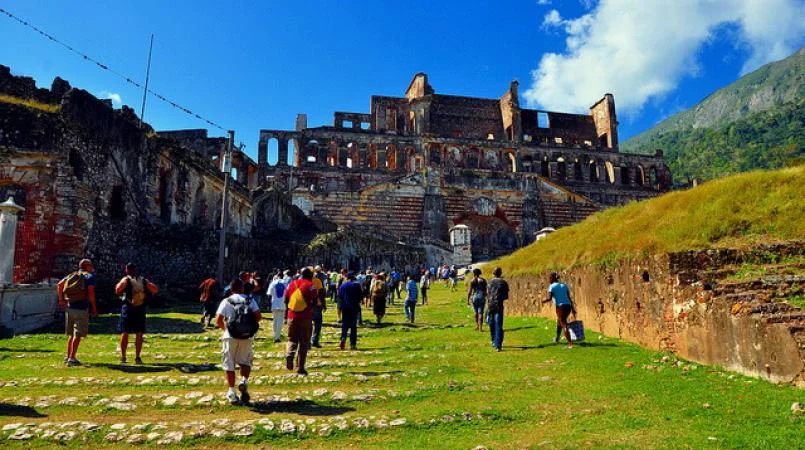
Haïti has a rich historical heritage, including sites like the Citadelle Laferrière and the Sans-Souci Palace, listed as UNESCO World Heritage Sites.

Culture

Culture

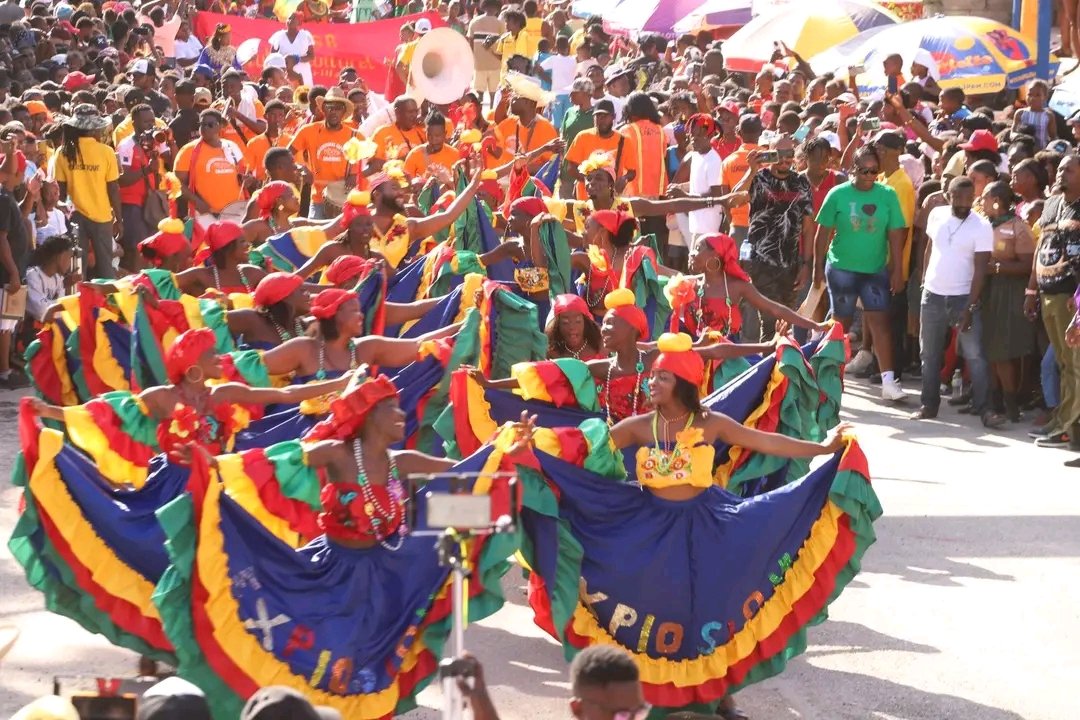
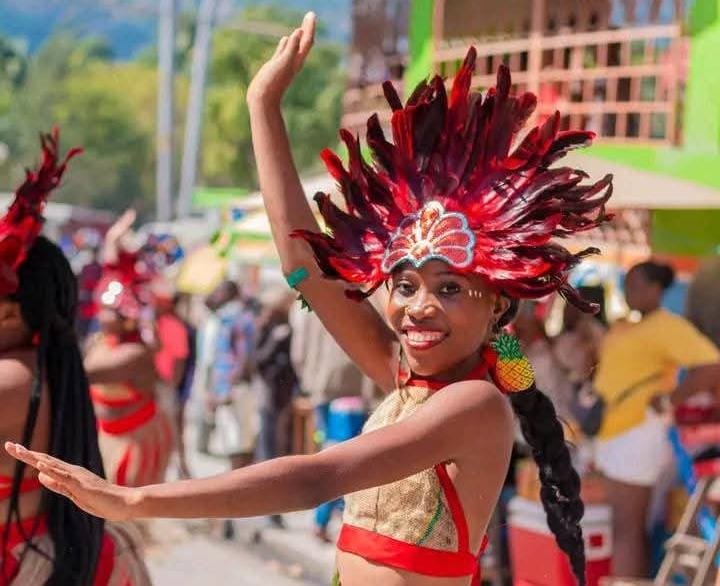
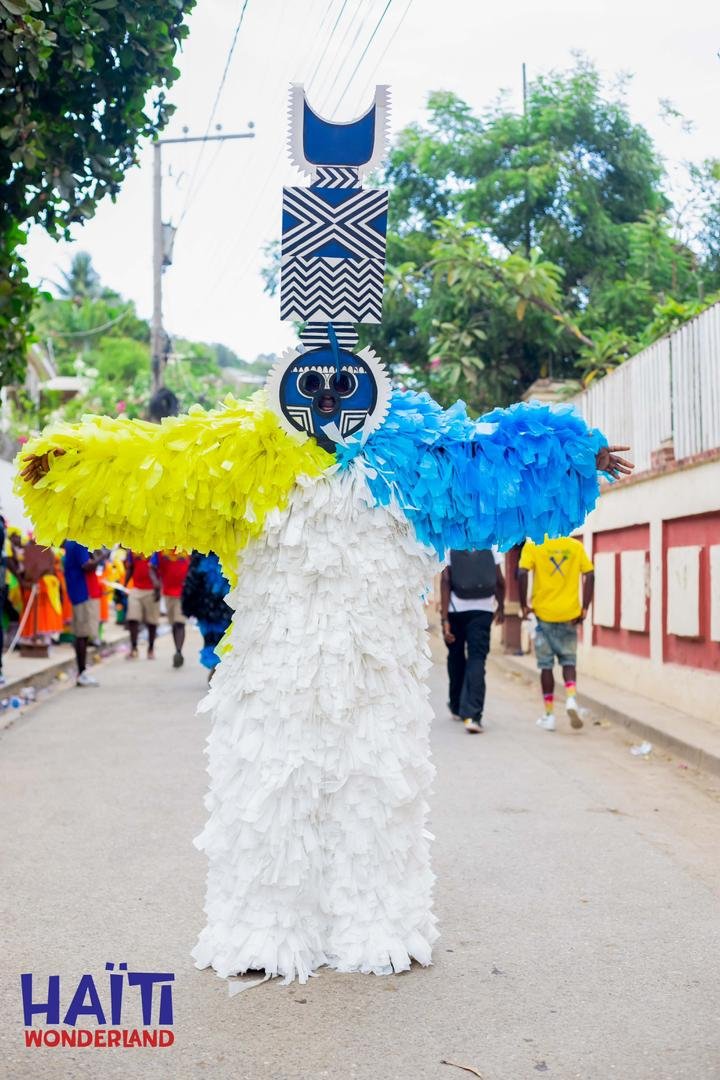
Haïti has a rich and diverse culture, influenced by African, European and indigenous elements. Haitian music, dance, art and cuisine are celebrated around the world.

  • +
    • Post