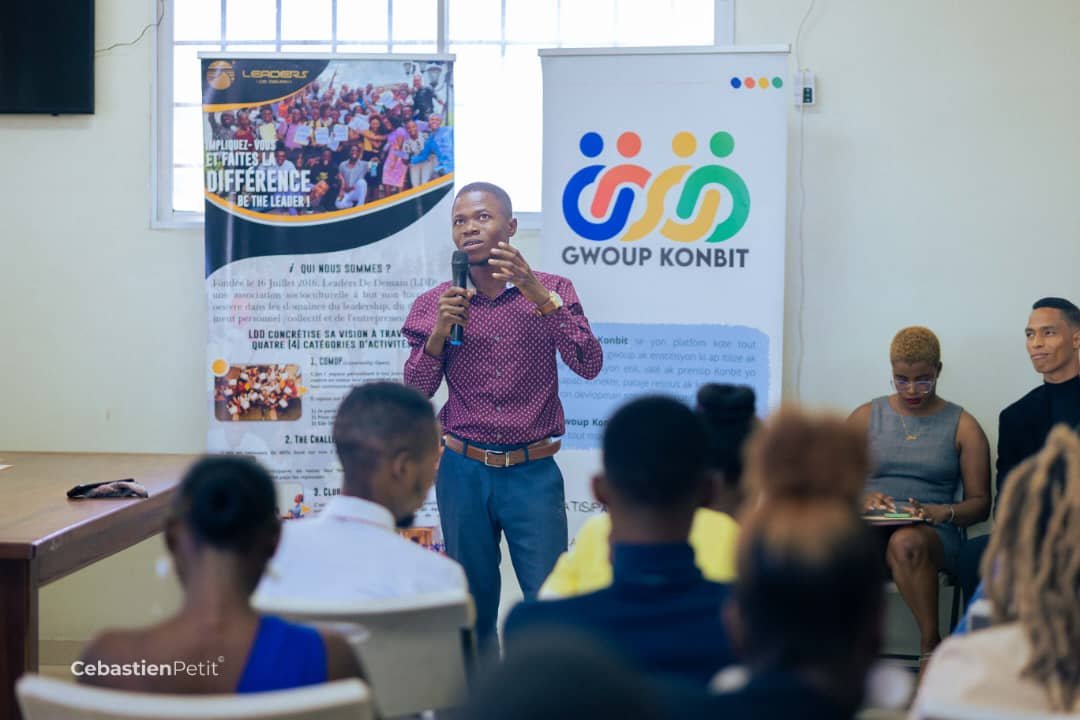
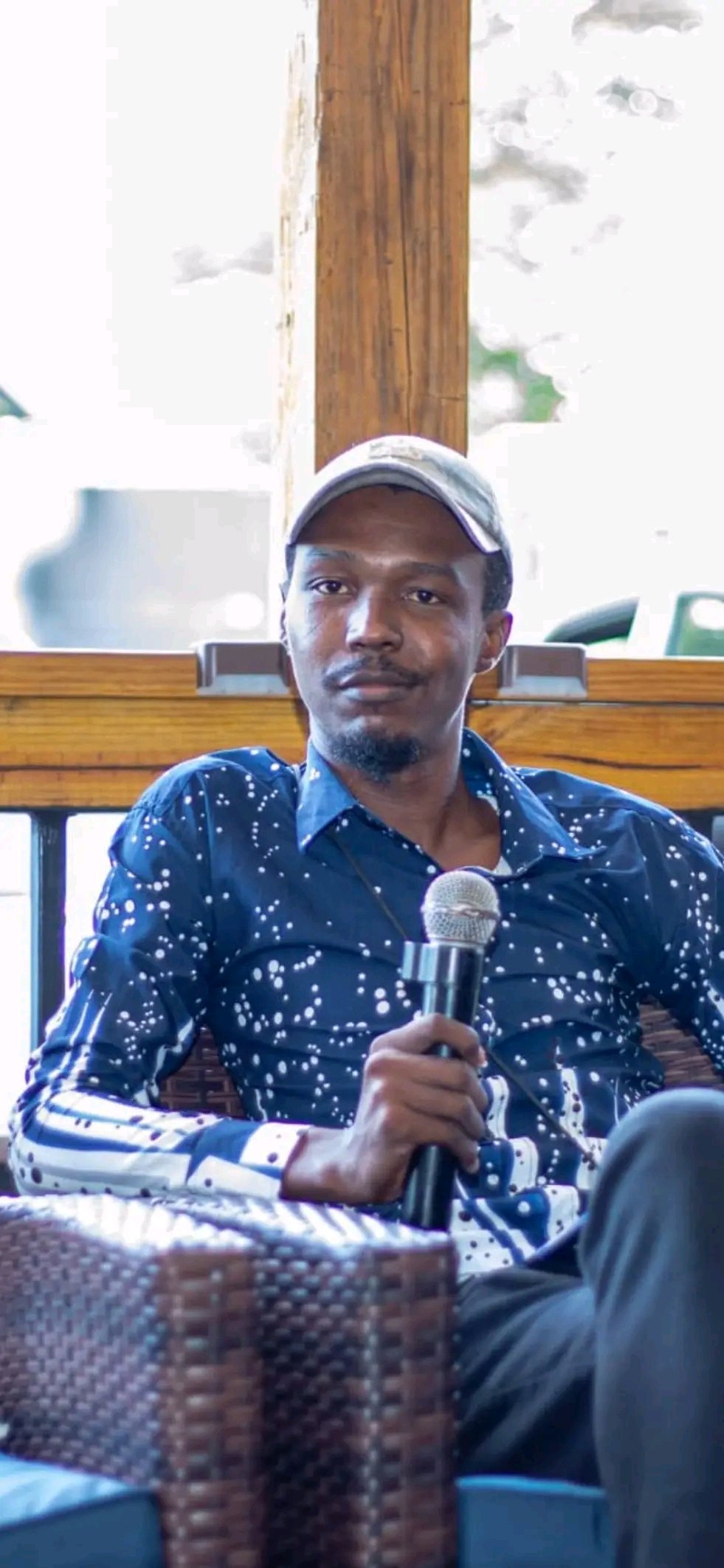
Haiti: The Rendez-Vous Christ Church inspires youth at a major conference
Discover how the Rendez-Vous Christ Church inspires Haitian youth at an unforgettable conference. An event not to be missed! #Haiti #Inspiration

In 1804, Haïti emerged from the flames of revolution as the world’s first independent black republic, but its freedom would come at a steep price. France, a former colonial power, orchestrated an unprecedented economic revenge, weaving a web of exploitation and injustice that would hamper Haiti’s development for generations. This toxic relationship, marked by extortion and violence, not only shaped the destiny of one nation but also filled the coffers of another, leaving deep scars that persist to this day. Immerse yourself in this story, a gripping tale of colonial greed and resilience, which reminds us of the importance of never forgetting the injustices of the past and their lasting impact on our world today.
The Haïti en Folie Festival is a major cultural event taking place in Montreal, Quebec, celebrating the richness and diversity of Haitian culture. In 2024, this unmissable event will take place from July 24 to 28.
Time management in Haïti follows a practice shared by several countries: daylight saving time. Adopted for several decades, daylight saving time consists of moving the clocks forward by one hour for part of the year in order to maximize the use of daylight. This article explores how and why this measure is applied in Haiti, as well as its impact on the daily lives of Haitians.
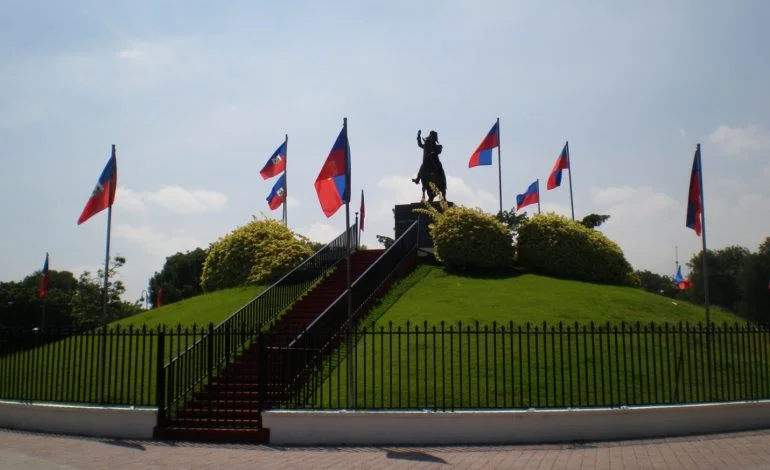
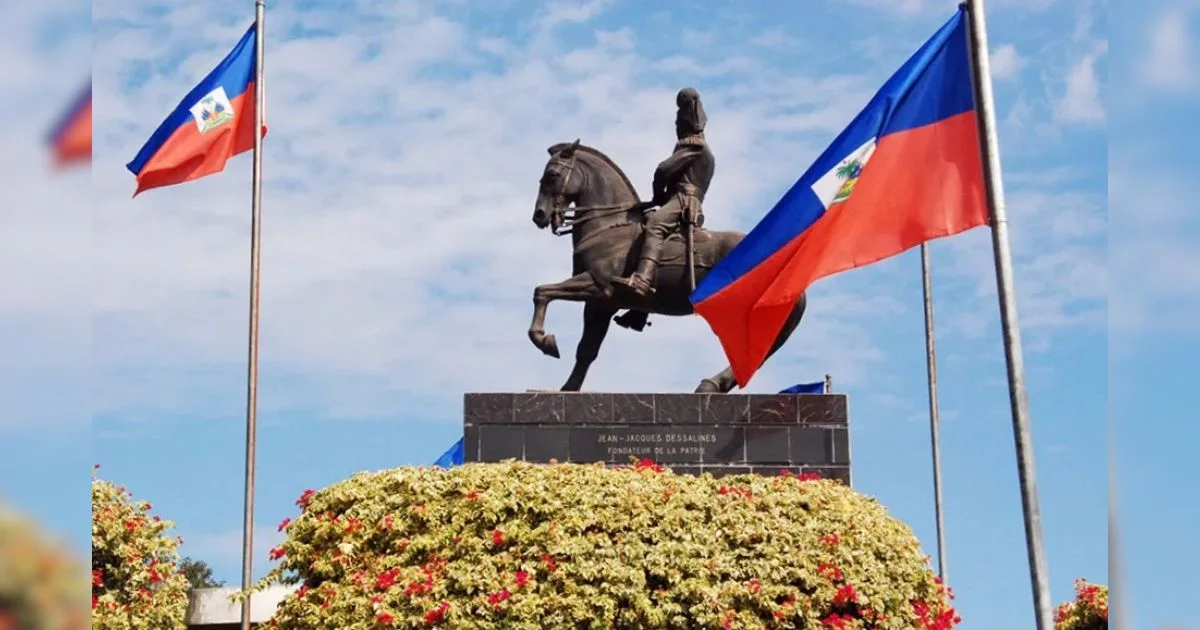
January 1 is an emblematic date for Haiti, marking not only the start of the new year but above all the commemoration of the country’s independence. In 1804, after a fierce struggle against French colonial rule, Haïti became the world’s first independent black republic. This day is celebrated with pride and fervor across the country, combining tradition, history and culture.
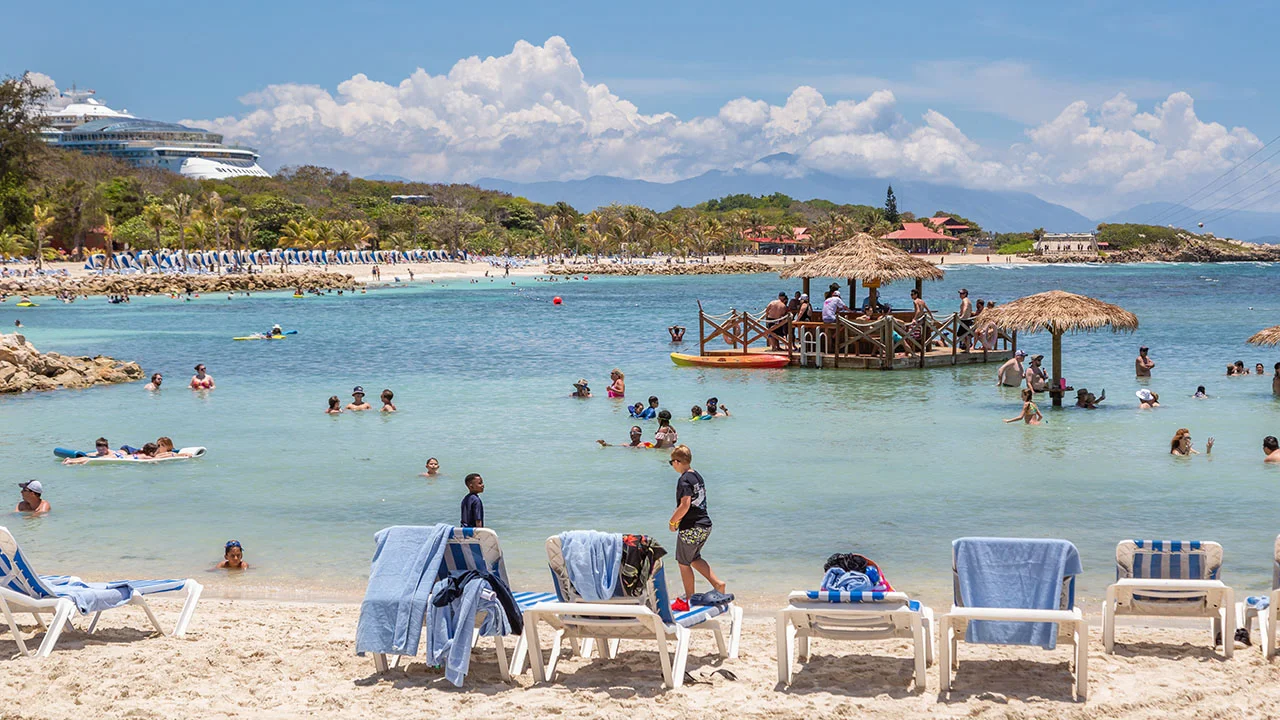
Discover the paradise beaches of Haiti, a gem to visit year-round. Immerse yourself in the beauty of this unique country! #Haiti #Beaches #Tourism
Haiti, the world’s first independent black republic, played an exceptional role in the quest for independence for other nations. Although often overshadowed by other historical events, Haiti’s contribution to the liberation of other countries was significant and deserves to be highlighted. b~The Haitian Revolution~b At the turn of the 19th century, Haïti threw off the chains of slavery and achieved the impossible by freeing itself from French colonial rule. In 1804, the country proclaimed its independence, ushering in a new era for oppressed peoples around the world. b~Inspiration for Latin America~b The Haitian Revolution was a major source of inspiration for independence movements in Latin America. Iconic figures such as Simón Bolívar and Francisco de Miranda recognized the courage and determination of Haitians as a driving force for their own struggles. By materially and ideologically supporting these movements, Haïti contributed to the emergence of several independent nations in South America. b~Influence in Africa~b Beyond the Americas, Haïti also played a crucial role in the quest for independence in Africa. African leaders have left a legacy that has inspired entire generations of freedom fighters on the African continent. The idea that oppressed people could rise up against their oppressors found a powerful echo in the struggles for independence in Africa. b~Support for Liberation Movements~b Throughout its history, Haïti has provided substantial support to liberation movements around the world. Whether through troop dispatches, financial resources or active diplomacy, the country has demonstrated its solidarity with those fighting for their autonomy. Haiti’s contributions have often been discreet but crucial. Haiti, as a pioneer of independence and freedom, has left a lasting impact on the world stage. His legacy resonates across continents, reminding the world that the quest for freedom is universal. By recognizing and celebrating Haiti’s role in the independence of other nations, we not only honor its history, but we also commit to promoting a future where all people have the opportunity to shape their destiny.
On Friday, July 26, 2024, the eyes of the world turned to Paris for the highly anticipated opening of the Olympic Games. As flags flew and excitement mounted, Haïti captured the attention and imagination of millions of spectators. In a spectacular parade, Haïti proved that it could compete with the world’s greatest powers, not only on the playing field, but also on the fashion and cultural catwalk.
Summer in Haïti is a magical season where the sun shines brightly, sparkling beaches invite you to relax, and iconic destinations reveal their cultural wealth. This Caribbean island, often little-known in the world of tourism, is full of treasures to discover. Whether you are a lover of relaxing on the fine sand, a history and culture enthusiast, or an adventurer eager for new experiences, Haïti offers a variety of activities that will satisfy all your summer desires.
Haitian pain patate is a staple of traditional Haitian cuisine, often prepared for special occasions, holidays, or simply for the pleasure of enjoying a homemade dessert rich in flavor. This soft cake made with sweet potato, coconut milk, banana, and a savory blend of spices delights with its melt-in-the-mouth texture and irresistible aroma. Easy to make and full of character, pain patate is a true Proust madeleine for many Haitians. Whether you’re looking for comfort food or eager to discover a classic Caribbean pastry, this recipe will guide you step by step to successfully make this iconic Haitian dessert.
Haiti, often overlooked as a tourist destination, has a unique charm that seduces visitors in search of authenticity, history and breathtaking landscapes. With its heavenly beaches, rich historical heritage and vibrant culture, Haïti offers an unforgettable experience. Let’s dive together into the best that tourism in Haïti has to offer.
At the initiative of students Savela Jacques Berenji and Louino Robillard, the first two Haitians to have integrated the diploma program initiated by “SUNX, Climate Friendly Travel (CFT) and the Institute of Tourism Studies (ITS), the “ Club Zanmi Lanati” was officially launched on Saturday July 13, 2024, in Haiti, in Delmas 66. More than thirty young people took part in the initiative whose objective, among other things, is to combat climate change, promote responsible tourism, train citizens (ecological tourists) and encourage the creation of tourist and cultural wealth for sustainable development, according to the initiators.
Camp-Perrin, nestled in the South department of Haiti, is one of the most picturesque cities in the Caribbean region. Located just 23 kilometers east of Les Cayes, the country’s third-largest city, Camp-Perrin is a true haven of peace. Its pleasant climate, lush vegetation, and serene atmosphere make it an ideal place for those seeking natural beauty and tranquility. While Port-au-Prince, the capital of Haiti, is often marked by tension and social difficulties, Camp-Perrin stands out for its calm and joyful ambiance, offering a different perspective on life in Haiti. Geographical Location and Proximity to Les Cayes Camp-Perrin is located in the southwest region of the country, about 30 kilometers from Les Cayes, a dynamic urban center that plays a crucial role in trade and economic activities in the southern part of Haiti. Although Les Cayes is the third-largest city in Haiti, Camp-Perrin, as a small rural town, contrasts sharply with the hustle and bustle of the big city. Access to Camp-Perrin is easy via National Road #6, which connects Les Cayes to Jérémie, passing through this small town, a journey of less than an hour by car.

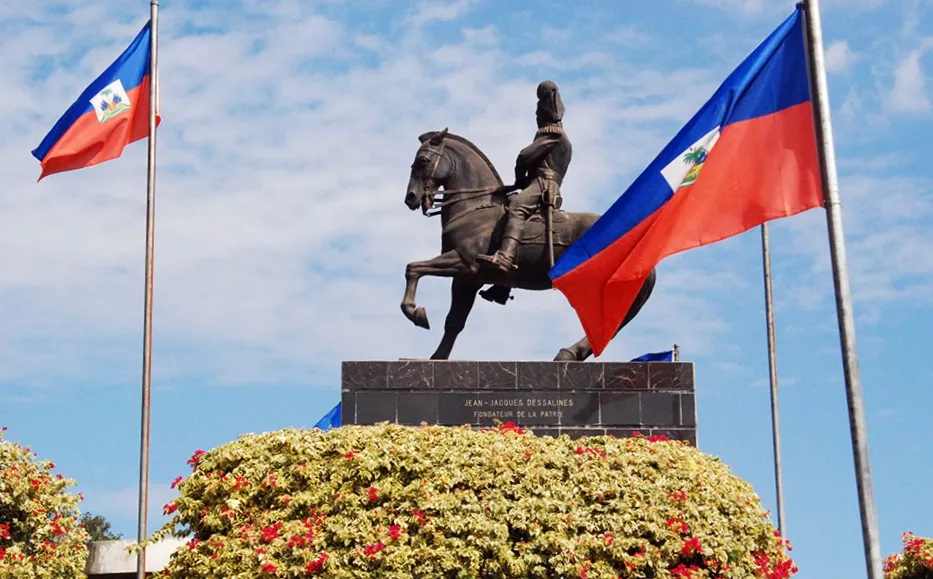
Haiti, often nicknamed "the pearl of the Antilles", is a fascinating destination for travelers in search of authenticity. This Caribbean island country offers a unique combination of natural beauty, an exceptional historical heritage, and a vibrant culture.

First black nation to free itself from slavery and gain independence from France in 1804 and influenced other liberation movements around the world, inspiring struggles for freedom and equality.

Haïti is blessed with spectacular natural landscapes, including white sand beaches, mountains and rich biodiversity.

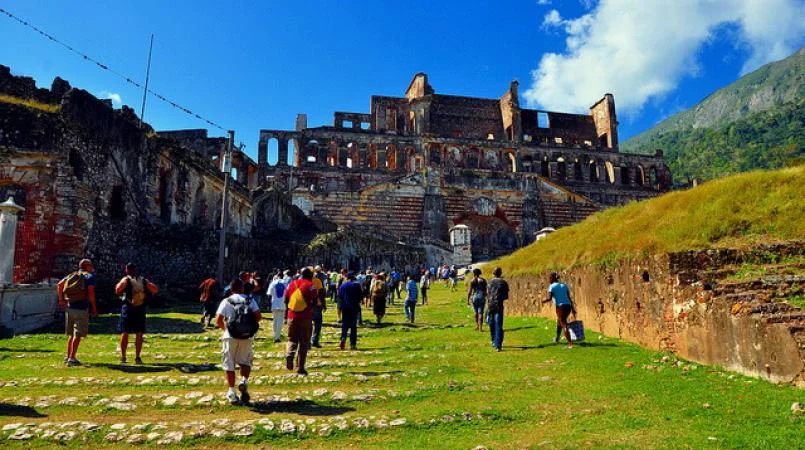
Haïti has a rich historical heritage, including sites like the Citadelle Laferrière and the Sans-Souci Palace, listed as UNESCO World Heritage Sites.

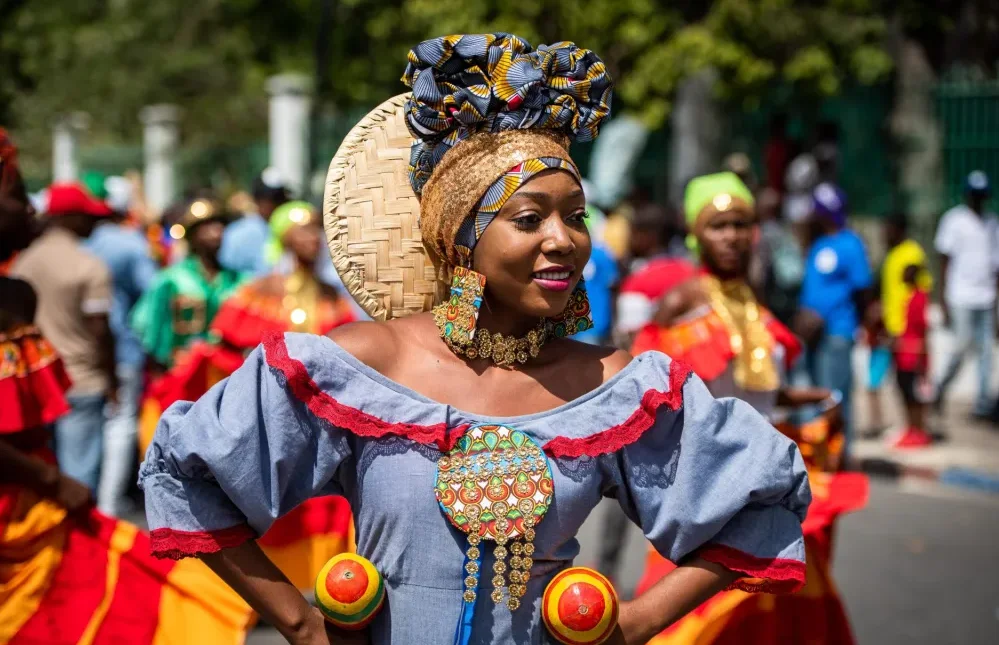
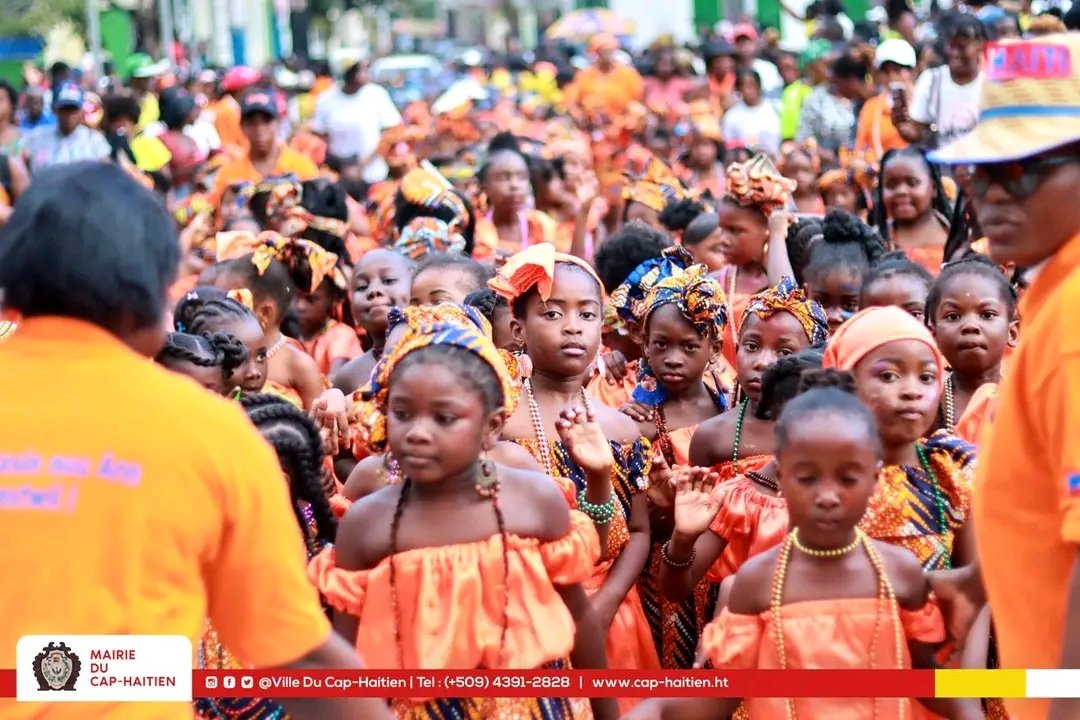
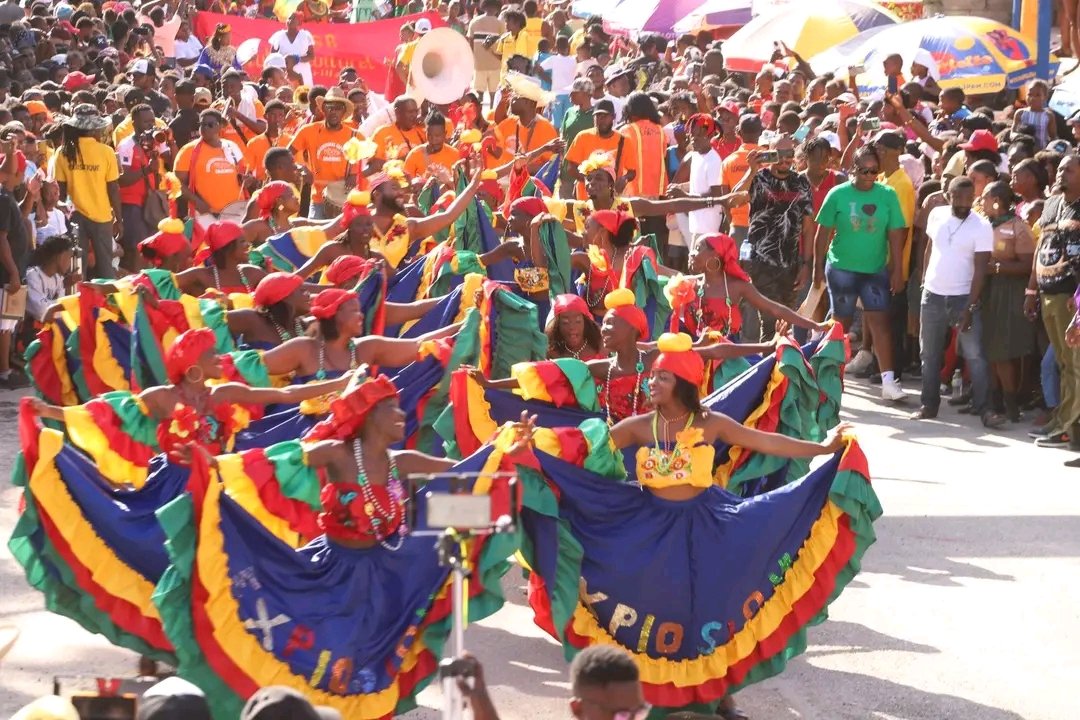
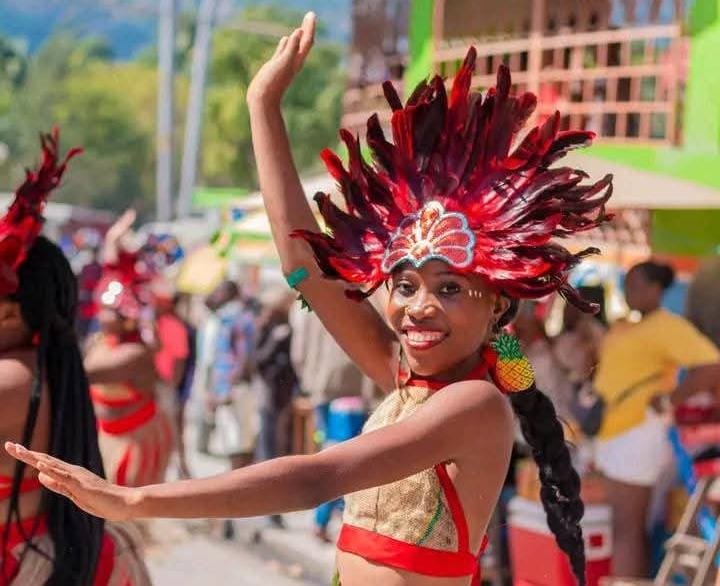
Haïti has a rich and diverse culture, influenced by African, European and indigenous elements. Haitian music, dance, art and cuisine are celebrated around the world.