contact@haitiwonderland.com+509 36184317

Discover

Shopping Cart

JO 2024 : Haiti, ranked 3rd among the most elegant outfits according to Forbes

JO 2024 : Haiti, ranked 3rd among the most elegant outfits according to Forbes

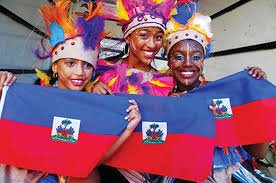
As the 2024 Olympic Games were launched this Friday, July 26, Paris vibrated to the rhythm of artistic performances and parades of more than 200 delegations from around the world. Among these delegations, Haïti stood out with an Olympic uniform that attracted international attention, ranking third in the top 10 most elegant uniforms, according to Forbes.

Haïti
Haïti
Haïti

A Colorful Opening Ceremony

The Opening Ceremony showcased the athletes’ traditional and modern uniforms, designed to represent each country’s identity with a modern twist. Many countries called upon local talent and renowned designers to create unique uniforms. Haïti was no exception, and its uniform was praised for its style.

Forbes ranked the Olympic Opening Ceremony uniforms based on their ability to balance style, traditional national symbols and colors, sportswear trends, and high fashion. Here is the ranking of the ten countries whose outfits have best succeeded in this bet:

1. Taiwan
2. Mongolia
3. Haiti
4. Canada
5. USA
6. Sierra Leone
7. France
8. Great Britain
9. Netherlands
10. Australia

Haïti
Haïti
Haïti

Haitian Elegance and Culture in the Spotlight

The Haitian uniform, designed by the talented designer Stella Jean, particularly caught the attention. This outfit is decorated with a painting by the famous artist Philippe Dodard, adding an exceptional artistic and cultural dimension to the ensemble.

The female athletes of the Haitian delegation will wear loose skirts highlighting Dodard’s artwork, accompanied by shirts made from the traditional Haitian ’blue cotton’. The male athletes, meanwhile, will sport striped shirts, printed scarves and jackets inspired by traditional Haitian shirts.

The collaboration between Stella Jean and Philippe Dodard has resulted in outfits that capture the very essence of Haitian culture. The vibrant patterns and bright colors of the garments reflect the island’s Creole heritage, while the use of traditional artisanal techniques showcases the talent and expertise of Haitian artisans.

Haïti
Haïti
Haïti

The Collaboration That Captivates the World

Two creative geniuses: Stella Jean, the rising star of international Italian-Haitian fashion, and Philippe Dodard, the virtuoso of the Haitian brush. Their collaboration? A true artistic fireworks display!

Stella Jean, the first black Italian designer to conquer the world’s catwalks, is no stranger to the world of haute couture. Her secret? An explosive cocktail of Italian know-how and Caribbean exuberance. But for the Olympics, she wanted to go further.

Enter Philippe Dodard, a true living legend of Haitian art. His works, celebrated from New York to Paris, are a vibrant hymn to Creole culture. Together, these two visionaries took on a crazy challenge: transforming the Olympic uniform into a walking work of art.

The result? Outfits that do more than shine - they tell a story. Each seam, each pattern is a tribute to Haitian artisans, their ancestral know-how and their overflowing creativity. It is the soul of Haïti that parades before the whole world, in a whirlwind of colors and emotions.

Haïti
Haïti
Haïti

A Tribute to Haitian Identity

This international recognition highlights not only the elegance of Haitian uniforms, but also the cultural and artistic richness of Haiti. Haiti’s presence among the most elegant uniforms of the 2024 Olympic Games is a tribute to the identity and heritage of this country, often overlooked for its contribution to art and fashion.

By combining tradition and modernity, Stella Jean and Philippe Dodard have created an outfit that celebrates Haitian identity while captivating the world.

Share
About the Author
Appolon Guy Alain
Appolon Guy Alain
Appolon Guy Alain

Full Stack Developer, Créatif, expérimenté, passionné des nouvelles technologies et de l’art.

See other articles from Appolon Guy Alain
Isaac Preval

JE veux féliciter tous les pays, en particulier HAITI pour la position occupée dans ce tableau

July 27, 2024 - 09:02:21 AM
Leave a comment

Recently Posted

Newsletter

Subscribe to our newsletter to stay informed of all our activities and news on Haiti.

Haïti et son Rôle Pionnier dans l’Abolition de l’Esclavage Mondial

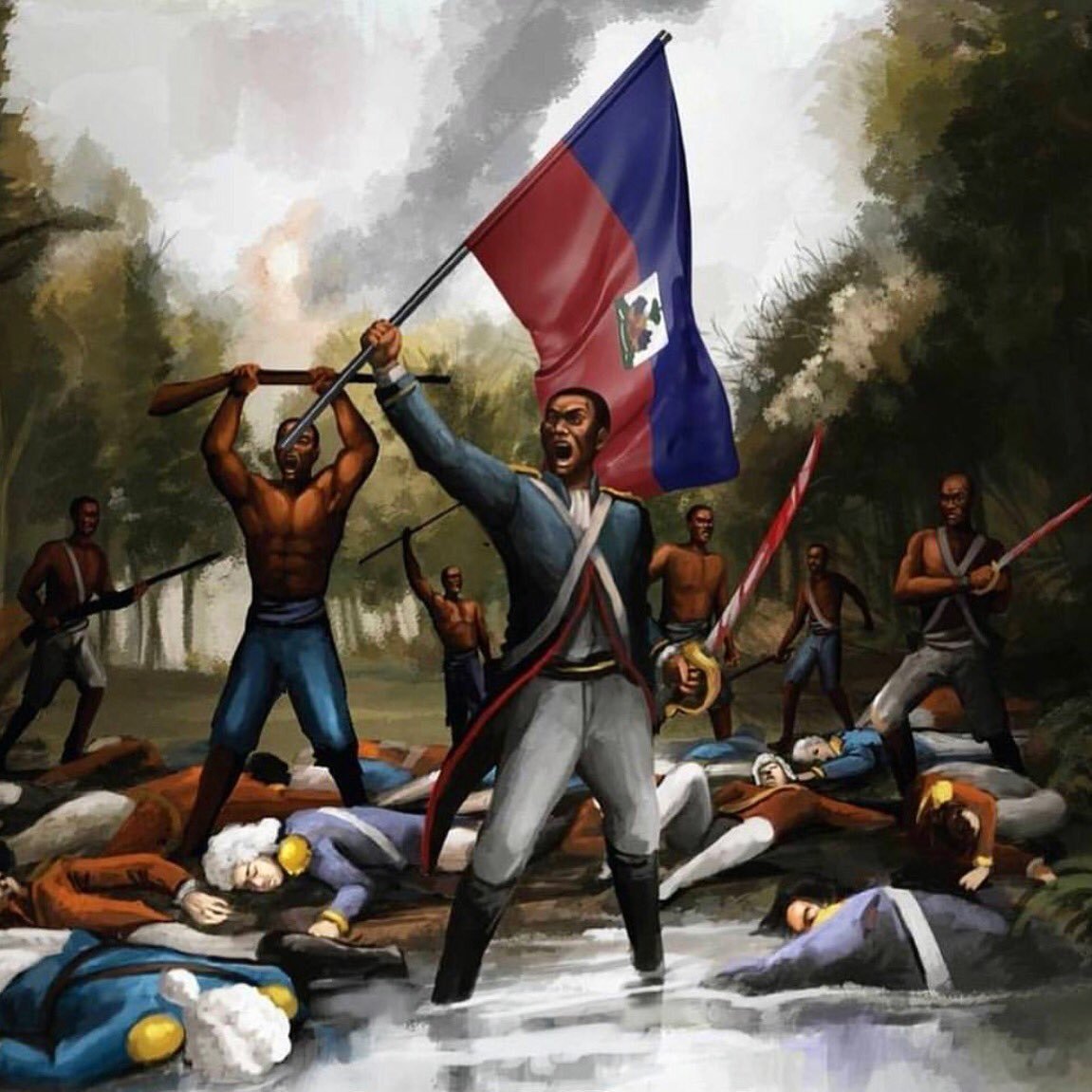
For centuries, the institution of slavery has darkened human history, leaving behind a legacy of pain, oppression and the struggle for freedom. However, in this dark tale, one nation stands out for its courage and determination to break the chains of oppression: Haiti. Located in the Caribbean, Haïti played a pioneering role in the abolition of slavery, laying the foundation for the fight for freedom and equality around the world. The history of slavery in Haïti dates back to the arrival of Europeans on the island, which was then called Santo Domingo, in the 15th century. French colonists quickly established an economy based on sugar and coffee production, cruelly exploiting millions of African slaves deported to work on plantations. However, this brutal system engendered fierce resistance from slaves, whose fight for freedom ultimately led to one of the most significant revolutions in history. In 1791, under the leadership of iconic figures such as Toussaint Louverture, Jean-Jacques Dessalines and Henri Christophe, Haitian slaves rose up against their oppressors in an unprecedented rebellion. This revolt resulted in a war of independence that lasted more than a decade, but ultimately resulted in the proclamation of Haiti’s independence in 1804, making that country the first post-colonial nation ruled by people from slavery. The impact of the Haitian Revolution on the abolition of slavery worldwide cannot be overstated. By breaking the chains of oppression and proclaiming their independence, Haitians have sent a powerful message to all oppressed peoples around the world: freedom is possible, and it is worth the struggle. The example of Haïti inspired other movements for the abolition of slavery in the Americas and beyond, thus helping to shake the very foundations of the institution of slavery. Haiti’s participation in the fight against slavery was not limited to its territory; it also extended to external actions where Haitian men were sent or actively participated in movements for the abolition of slavery in other regions of the world. For example, Haitian President Alexandre Pétion supported Simón Bolívar, the leader of the South American revolution, by providing him with weapons, money and even men, which contributed to the liberation of several countries in America Latin of colonial domination. Haïti also provided support for independence movements in Central America. Haitian fighters, led by General Jean-Pierre Boyer, helped Venezuelan patriots fight against Spanish rule, contributing to the liberation of that region. The Haitian government financially and diplomatically supported movements for the abolition of slavery in countries such as Venezuela, Colombia and Mexico, contributing to the gradual eradication of this institution throughout the region. Although Haïti did not directly participate in the American Civil War, many Haitians and descendants of Haitians played crucial roles in the abolitionist movement in the United States. Figures who were of Haitian origin or of Haitian ancestry, were important voices in the fight against slavery and for equal rights in the United States. The legacy of the Haitian Revolution remains a symbol of resistance and courage for future generations. Today, as the world continues to struggle against injustice and oppression in various forms, Haiti’s history reminds us that the fight for freedom is a universal fight, one that transcends borders and times. Haiti’s participation in the abolition of slavery throughout the world remains a crucial chapter in the history of humanity. Through their courage and determination, Haitians have paved the way for a future where freedom and equality are inalienable rights for all.

Cultural exploration: Discovering the Haitian soul

Cultural exploration offers a fascinating window into the richness and diversity of world heritage. Among destinations that captivate with their history, art and unique identity, Haïti stands out as a cultural gem worth discovering. b~Historical heritage:~b The history of Haïti is marked by the resilience of the Haitian people in the face of slavery, colonization and political challenges. It is the first independent state in Latin America and the only one founded by a successful slave revolt. Haiti’s historical heritage is reflected in its art, music, dance and beliefs. b~Art and Crafts:~b Haitian artistic expression is vibrant and powerful. Naive painting, famous for its bright colors and narrative themes, has its roots in Vodou traditions and local folklore. Haitian artists have gained international fame by capturing the mystical spirit and daily life of the country. b~Music, rhythm of the Haitian soul:~b Music is the pulsating soul of Haiti. From direct compass to voodoo to jazz to rasin, each musical genre has a deeply rooted history in Haitian culture. The iconic band, Boukman Eksperyans, fuses traditional rhythms with modern influences, creating a unique sonic experience that transcends boundaries. b~Dance and movements:~b Dance in Haïti is a celebration of life and spirituality. Voodoo dances, such as Yanvalou and Banda, embody sacred rituals while preserving African heritage. The graceful movements and colorful costumes tell stories from Haitian history, creating a deep connection between past and present. b~Spirituality and Voodoo:~b Vodou, often misunderstood, is an essential component of Haitian culture. It is a syncretic religion that combines African, Native American and Catholic elements. Vodou ceremonies, with their intoxicating dances and mystical rituals, are powerful expressions of Haitian spirituality and are rooted in the quest for connection with ancestors and deities. Exploring the Haitian soul means delving into a world where history, art, music and spirituality intertwine to form a unique cultural web. Haiti, with its diversity and resilience, offers an experience rich in emotions and discoveries. Whether through the bustling streets of Port-au-Prince, the vibrant art galleries or the captivating rhythms, every corner of this Caribbean country reveals a captivating facet of its deep and living soul.

Recently Posted

History

History

First black nation to free itself from slavery and gain independence from France in 1804 and influenced other liberation movements around the world, inspiring struggles for freedom and equality.

Natural beauty

Natural beauty

Haïti is blessed with spectacular natural landscapes, including white sand beaches, mountains and rich biodiversity.

Heritage

Heritage

Haïti has a rich historical heritage, including sites like the Citadelle Laferrière and the Sans-Souci Palace, listed as UNESCO World Heritage Sites.

Culture

Culture

Haïti has a rich and diverse culture, influenced by African, European and indigenous elements. Haitian music, dance, art and cuisine are celebrated around the world.

  • +
    • Post