contact@haitiwonderland.com+509 36184317

Discover

Shopping Cart

La Dessalinienne: National Anthem of Haiti

La Dessalinienne: National Anthem of Haiti

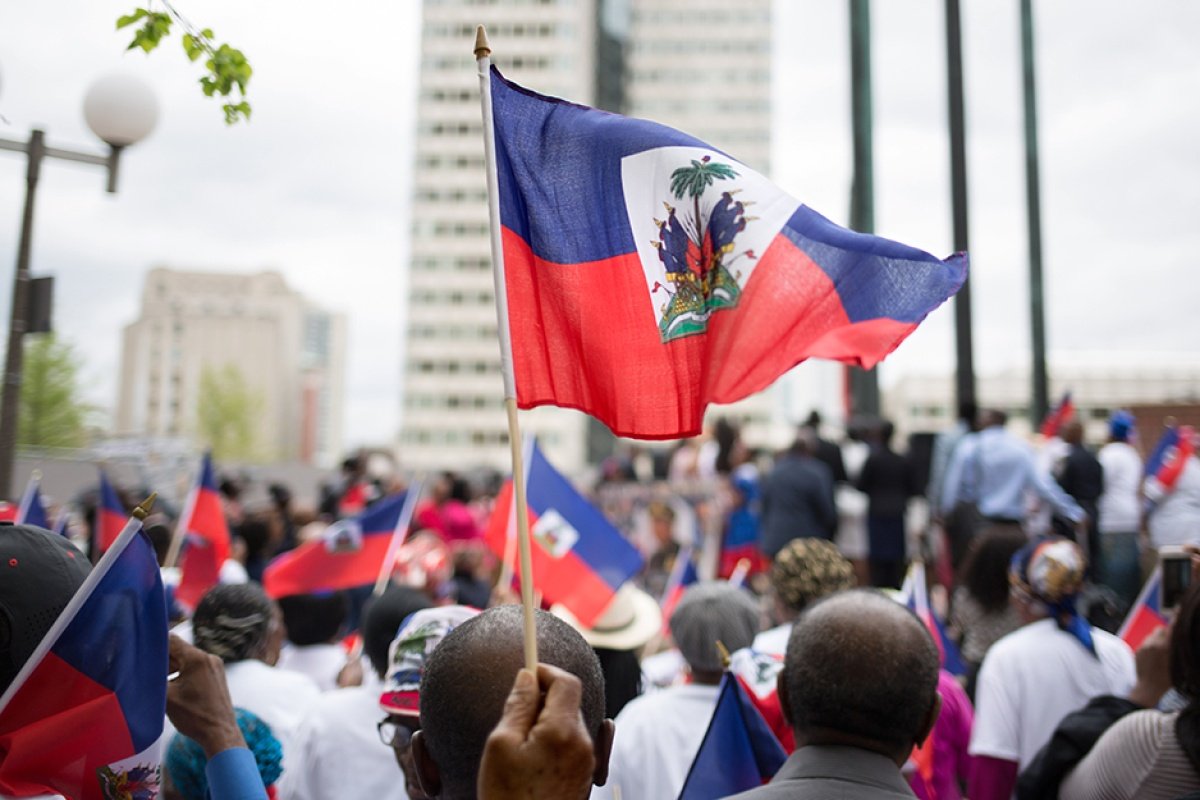
Since its tumultuous birth as the first independent Black republic in 1804, Haïti has been a beacon of resistance, independence, and pride for people around the world. At the heart of its national identity is an anthem of profound power and meaning: La Dessalinienne.

La Dessalinienne
La Dessalinienne
La Dessalinienne

The Story Behind the Anthem

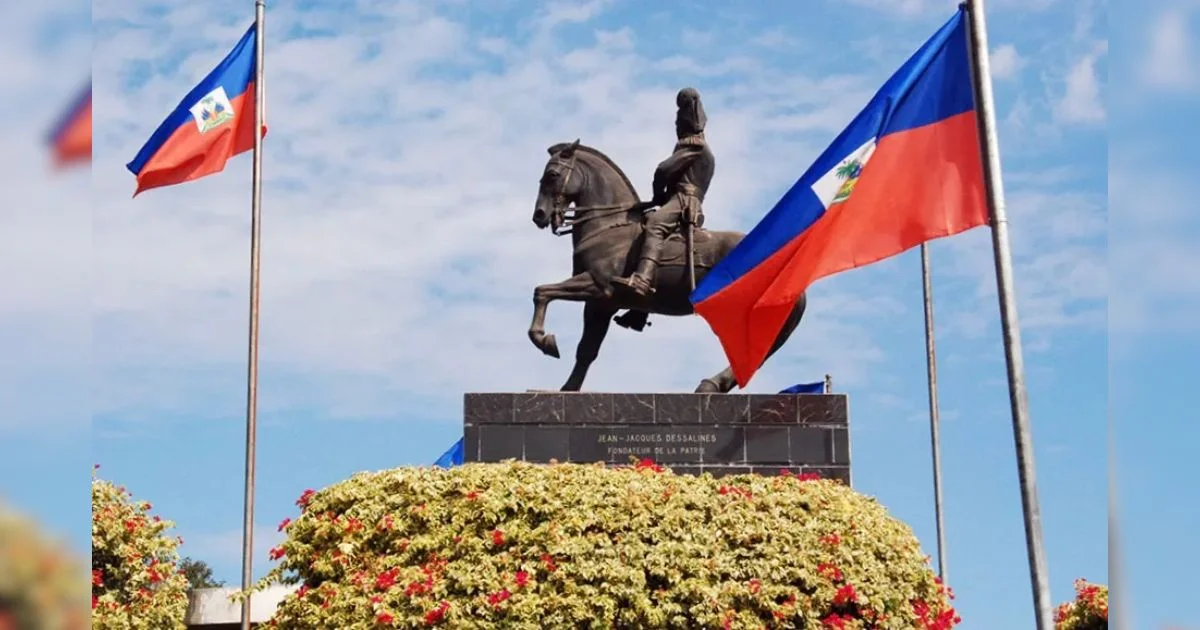
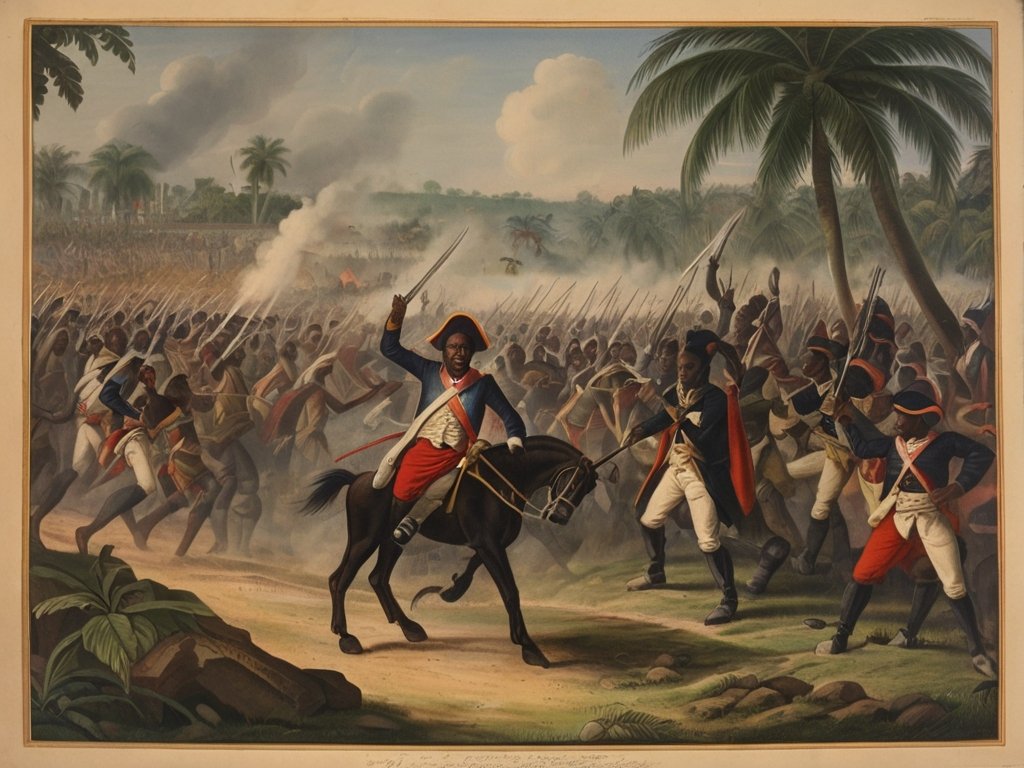
La Dessalinienne takes its name from Jean-Jacques Dessalines, the Haitian revolutionary leader who successfully led the fight against French colonial oppression and proclaimed Haïti as the world’s first independent black republic on January 1, 1804. Written by Justin Lhérisson and composed by Nicolas Geffrard, this anthem is a vibrant tribute to the legacy of Dessalines and the indomitable spirit of the Haitian people.

Discover the history of Haiti: A fascinating story to explore! : https://haitiwonderland.com/haiti/histoire/decouvrez-l-histoire-d-haiti--un-recit-fascinant-a-explorer/81

La Dessalinienne
La Dessalinienne
La Dessalinienne

A Symbol of Resilience and Freedom

La Dessalinienne is not simply a patriotic song, but a rallying cry for freedom and justice. His poignant words evoke the constant struggle of the Haitian people to overcome challenges, resist oppression and defend their dignity. Every note resonates with the force of the revolutionary spirit that shook the foundations of injustice and slavery.

La Dessalinienne
La Dessalinienne
La Dessalinienne

The Immortal Words


I
For the Country, for the Ancestors Let’s march united, let’s march united
In our ranks there are no traitors. Let us be the sole masters of the soil
Let’s walk united, let’s walk united For the Country, for the Ancestors
Let’s march, let’s march, let’s march united For the Country, for the
Ancestors

II
For the Forefathers, for the Homeland Happy bechons, happy bechons
When the field bears fruit The soul is strengthened Joyful bechons,
happy bechons For the Forefathers, for the Fatherland Bechons, bechons,
happy bechons For the Forefathers, for the Homeland

III
For the Country and for our Fathers Let us form Sons, let us form Sons
Free, strong and prosperous We will always be brothers Let us form
Sons, let us form Sons For the Country and for our Fathers
Let’s train, let’s train, let’s train Sons For the Country and for our
Fathers

IV
For the Forefathers, for the Fatherland O God of the Brave, O God of the Brave
Under your infinite care Take our rights, our life O God of
Preux, O God of the Precious For the Forefathers, for the Fatherland O God, O
God, O God of the Brave, For the Forefathers, for the Fatherland

V
For the Flag, for the Fatherland Dying is beautiful, dying is beautiful
Our past cries out to us: Have a seasoned soul Dying is beautiful,
dying is beautiful For the Flag, for the Fatherland To die, to die,
dying is beautiful For the Flag, for the Fatherland


These words resonate with timeless force, reminding Haitians of their responsibility to defend their homeland and preserve the heritage of their ancestors. They urge unity and solidarity, emphasizing that only by remaining united, the Haitian people can face the challenges that stand in their way.

Haiti, dream space.
Haiti, dream space.

Haiti, dream space.

Between dream and Haitian reality: A call for unity and action Many men have dreamed big for Haiti. Toussaint Louverture and Jean Jacques Dessalines are examples. Although torn apart by invisible hands, the social fabric of the country had always been considered the greatest project to be set in motion by men of letters. Until then, the history of Haïti remains and remains for Haitians the most appropriate space to dream and propose full and complete freedom. Indeed, Toussaint Louverture had the dream of improving the lot of slaves. Dessalines, for his part, sacrificed himself for the independence of our island (Haiti-Saint-Domingue). After our liberation from the French, men of letters had to take other paths to safeguard the dignity of the country. This situation showed another form of revolution like poets of the patriotism school with supporters such as: Louis Joseph Janvier, Anténor Firmin, Demesvar Délorme and the Generation of the Round with Fernand Hibbert, Georges Sylvain also the indigenous school with Jean Price Mars, Jacques Stephen Alexis, Roussan Camille etc... who express their discontent by pouring ink. By describing or painting the situation of the country. Several years which were first conceived and then born the idea of ​​giving the country its sovereignty, its own bicolor, its army, etc. it was not easy and did not continue like this. Haïti needs for the moment men of dreams, men who love their countries, but not the wealth of this country, men who love the happiness of their country, but not its misfortunes, men who have viable projects , but are not specialists in carnage who are only interested in their pockets, rather for the happiness of our two-tone, men who must fight against corruption, against waste, against the invisible hands of foreigners, against this form of public administration which targets only a small group of people in the country to the detriment of the population, this form of insecurity planned by the state, the so-called bourgeoisies, economic powers from abroad such as: France, USA, Canada, Brazil. q~Haïti in 1979 with full power. Maître Fevry is said to have declared: The dream of Haïti cannot support, nor accept improvised solutions ~q. The Haitian’s dream must always be a team effort. A team of men of skill, vision, good will, reflection and meditation. q~ Men who can place their personal and private interests over public interests. Men who want to make a new start to achieve the dream of Jean Jacques Dessalines and that of Henri Christophe who aimed that Haitians will not envy any other country in the world so that all Haitians can be happy in their own country, chanted Professor Lesly Saint Roc Manigat.~q Our dear Haiti, which was once the pearl of the Antilles, is no longer present today. For this we ask all Haitians: children, young people, adults and old people, let us unite our arms, our strength, our voices and all that we could do to liberate our dear homeland Haïti Chérie. Let’s change our reality together! Long live Haiti, long live freedom for the whole world.

La Dessalinienne
La Dessalinienne
La Dessalinienne

Across borders

Although La Dessalinienne is the national anthem of Haiti, its message transcends geographic boundaries. It resonates with all those who fight for their freedom and dignity, inspiring liberation movements across the world. Its influence extends far beyond the shores of Haiti, becoming a universal symbol of courage and determination in the face of adversity.

La Dessalinienne remains a pillar of Haitian national identity, a constant reminder of the resilience and determination of the Haitian people to defend their freedom and dignity. As future generations rise to face new challenges, this anthem will continue to resonate as a call for unity, solidarity and justice for all.

Share
About the Author
Appolon Guy Alain
Appolon Guy Alain
Appolon Guy Alain

Full Stack Developer, Créatif, expérimenté, passionné des nouvelles technologies et de l’art.

See other articles from Appolon Guy Alain
Leave a comment

Recently Posted

Newsletter

Subscribe to our newsletter to stay informed of all our activities and news on Haiti.

Timoun se Moun: A poetry competition to promote children’s rights in Haiti

A wounded country. Bent under the weight of a multidimensional crisis. Widespread violence. Hope slammed shut. A sacrificed generation. Children are increasingly threatened. They are increasingly confronted with all forms of vulnerability that hinder their overall development. ACTIF is launching the second edition of the "Timoun se Moun" poetry competition. A citizen initiative in which the organization uses writing as a springboard to build what life deprives Haitian children of. Pain can be turned into gold. For ACTIF (Community Action for Transformation and Formal Integration), poetry is a philosopher’s stone. Not only for this organization, but also for all those who believe that writing can help rekindle the stars. Faced with this urgent need for action, this is "an initiative to raise awareness, denounce, and affirm loud and clear that every child matters, every child deserves protection, hope, and a future," reads the competition’s descriptive document. So what do you intend to do with your human light? Through this competition, participants have the opportunity to engage in an act of resistance, like a cry of conscience to raise the voice of broken childhoods. Open from May 18 to June 18, "Timoun se Moun" is open to all Haitians living in the country and aged 18 and over. Texts must be submitted in Creole. Behind this initiative, ACTIF intends, on the one hand, to affirm our cultural and linguistic identity, and on the other, to enrich our Creole literature, promote it, and encourage creativity in our vernacular. The text must not exceed 500 words. The format chosen is PDF, Times New Roman font, size 12, and 1.5 line spacing. This competition aims to offer a touch of affection to these children who are the first victims of the country’s descent into hell. To evaluate the literary quality and essence of the submitted texts, a jury is composed of Ruthza Paul, Douglas Zamor, and Darly Renois. The former is a physician and winner of the first edition of this competition. The other two work in the fields of sociology, psychology, and literature. In addition to the "Jury Prize: 15,000 HTG + books + certificate" and "Audience Prize: 5,000 HTG + certificate + books" prizes, the best texts will be included in an anthology to be published by Éditions Répérages. It should be noted that there will be one winner for each prize. This initiative reflects ACTIF’s commitment to honoring authors who embrace the cause of underprivileged children while enriching Haiti’s literary heritage. This competition extends a helping hand to all those who believe that through poetry, one can transform one’s life into a masterpiece. At the same time, it offers the opportunity to contribute to ACTIF’s child protection program. Each participant may submit a single text. It must be sent by email to the following address: actifkonkoupwezi@gmail.com. The partial results will be published on June 30, 2025, and the final results on July 18, 2025. For more information, visit ACTIF at the following address: 18 Rue Desdunes, Imp. Thoby, Mahotière 79, Carrefour, Haiti, or contact the organization at the following number: (+509) 38 44 57 57. More than just a contest, ACTIF invites you to say No. No to forgetting. No to passivity. No to violence against children and the violation of their rights.

Recently Posted

History

History

First black nation to free itself from slavery and gain independence from France in 1804 and influenced other liberation movements around the world, inspiring struggles for freedom and equality.

Natural beauty

Natural beauty

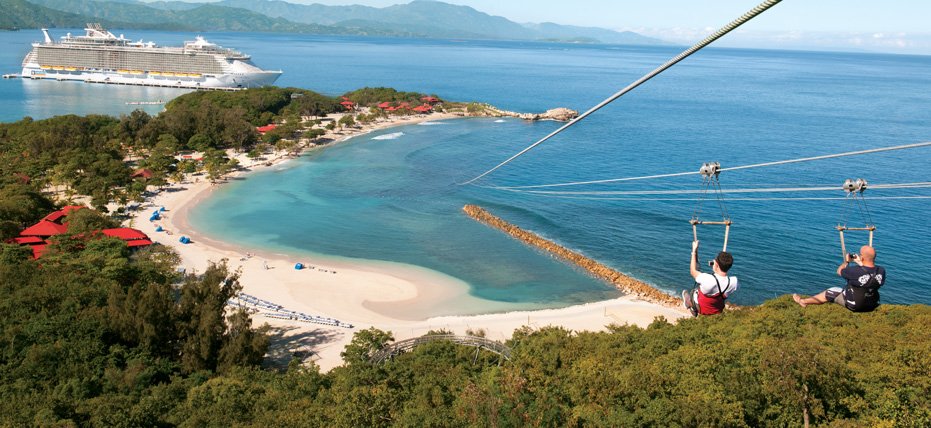
Haïti is blessed with spectacular natural landscapes, including white sand beaches, mountains and rich biodiversity.

Heritage

Heritage

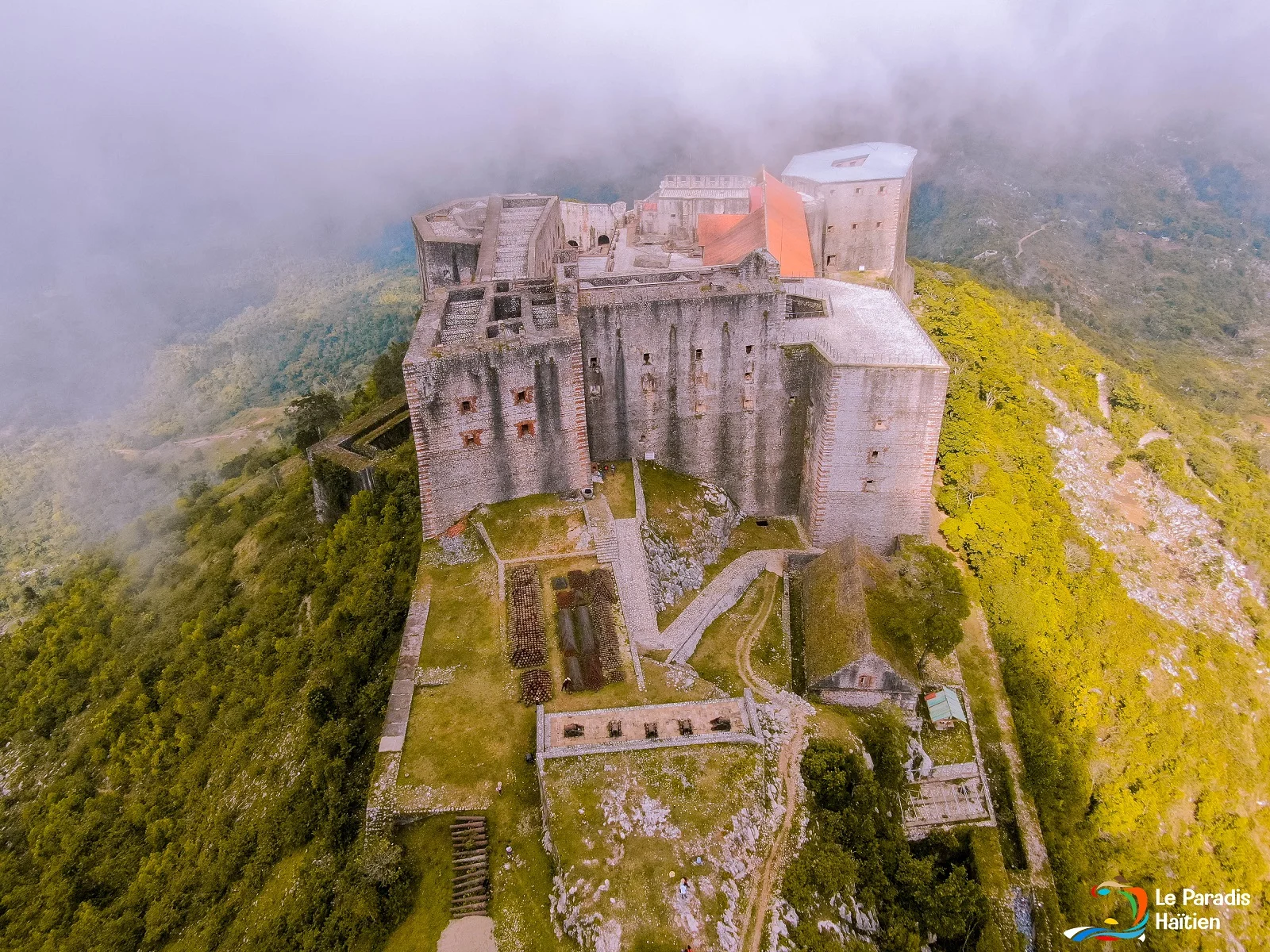
Haïti has a rich historical heritage, including sites like the Citadelle Laferrière and the Sans-Souci Palace, listed as UNESCO World Heritage Sites.

Culture

Culture

Haïti has a rich and diverse culture, influenced by African, European and indigenous elements. Haitian music, dance, art and cuisine are celebrated around the world.

  • +
    • Post