contact@haitiwonderland.com+509 36184317

Discover

Shopping Cart

Bois-Caiman Ceremony: Origin of the Haitian Revolution and Symbol of Resistance

Bois-Caiman Ceremony: Origin of the Haitian Revolution and Symbol of Resistance

In the late 18th century, Saint-Domingue (now Haiti) was a prosperous French colony, producing much of the world’s sugar and coffee through the forced labor of African slaves. This wealth was based on a brutal plantation system, where slaves endured inhumane living conditions. Social tensions were high, exacerbated by racial inequality and the violent repression of slaves by the colonists.

In the face of this oppression, slaves never stopped resisting. Maroons, escaped slaves, led attacks on plantations and maintained pockets of resistance in the mountains. The French Revolution of 1789, with its ideals of liberty, equality and fraternity, also resonated among the slaves of Saint-Domingue, awakening aspirations for emancipation.

Haïti
Haïti
Haïti

The Bois-Caiman Ceremony

The Bois-Caiman Ceremony is often described as a voodoo ritual, in which slaves gathered to invoke their ancestors and protective spirits (loas) to ask for strength in their fight against oppression. Led by Dutty Boukman, a voodoo priest and slave of Jamaican origin, and a priestess named Cécile Fatiman, the ceremony brought together slave leaders and rebels, who vowed to fight to the death for their freedom.

According to tradition, a black pig was sacrificed during this ceremony, a symbolic act representing the rejection of colonial oppression and the sacred connection with the spirits of the land and ancestors. The pig’s blood was shared among the participants, thus sealing their pact of revolt.

The Bois-Caiman ceremony is often considered the starting point of the Haitian Revolution, which would lead to the independence of the world’s first black republic in 1804. The ritual, held on the night of August 14, 1791, near the northern town of Morne-Rouge, is loaded with symbolism and historical significance.

Haïti
Haïti
Haïti

The Ceremony’s Impact and the Haitian Revolution

Soon after the Bois-Caiman Ceremony, a series of revolts broke out in northern Saint-Domingue, marking the beginning of the Haitian Revolution. Angry slaves set fire to plantations, killed white masters, and terrorized the settlers. This initial insurrection turned into a thirteen-year war of liberation led by leaders such as Toussaint Louverture, Jean-Jacques Dessalines, and Henri Christophe.

In 1804, Haïti declared its independence, becoming the first nation in the world to emerge from a successful slave revolt. The Haitian Revolution inspired other liberation movements in Latin America and around the world, while sending a powerful message against racial injustice and colonial oppression.

Haïti
Haïti
Haïti

Symbol of Resistance

Beyond its historical role in the Haitian Revolution, the Bois-Caiman Ceremony has become a powerful symbol of resistance and unity for the Haitian people. It represents the courage, determination, and solidarity of African ancestors in the face of oppression.

Today, the ceremony is commemorated annually in Haiti, not only as a reminder of the struggle for freedom, but also as an affirmation of Haitian identity and culture. It remains a symbol of the strength of the Haitian people to overcome adversity, preserve their dignity, and continue to fight for justice.

The Bois-Caiman Ceremony is much more than just a historical event. It embodies the spirit of revolt that led to Haiti’s independence, while symbolizing the continued resistance of oppressed peoples everywhere. Remembering this event honors not only the heroes of the Haitian Revolution, but all those who have fought for freedom and equality throughout the centuries.

Share
About the Author
Appolon Guy Alain
Appolon Guy Alain
Appolon Guy Alain

Full Stack Developer, Créatif, expérimenté, passionné des nouvelles technologies et de l’art.

See other articles from Appolon Guy Alain
Toussaint

infos suplementaire

April 01, 2025 - 08:08:09 AM
Leave a comment

Recently Posted

Newsletter

Subscribe to our newsletter to stay informed of all our activities and news on Haiti.

Haiti: The History of the World’s First Free Black Nation

Haiti, the pearl of the Antilles, is a Caribbean island with a rich and complex history. However, its special status as the world’s first free black nation gives it a unique place in the annals of history. This small island was the scene of an extraordinary revolution which resulted in independence, thus marking the beginning of a new era for the black community and the abolition of slavery. Let’s delve into the captivating story of the birth of the first black republic, Haiti. b~The colonial era and slavery~b Haiti’s history dates back to the arrival of Europeans in the 15th century, when Christopher Columbus discovered the island. European settlers, mainly Spanish and French, introduced slavery to exploit the island’s resources, including sugar, coffee and cotton. The indigenous Native American population was decimated, paving the way for the massive importation of African slaves. b~The Haitian Revolution~b On August 14, 1791, Haitian slaves rose up against their oppressors, sparking the Haitian Revolution. Under the leadership of iconic figures such as Toussaint Louverture, Jean-Jacques Dessalines and Henri Christophe, the insurgent slaves inflicted defeats on European armies, demonstrating fierce resistance and a desperate quest for freedom. b~The Declaration of Independence and the creation of the Republic of Haiti~b On January 1, 1804, Haïti proclaimed its independence, becoming the world’s first free black nation. This historic declaration symbolized the end of slavery and the triumph of the will of a people determined to live free. The Republic of Haïti was born in struggle and blood, asserting its autonomy in the face of the colonial powers. b~Post-independence challenges~b However, independence did not mean the end of challenges for Haiti. The country had to face external pressure, reparations imposed by France in exchange for recognition of its independence, as well as internal unrest. Despite these obstacles, Haïti strove to build a free and sovereign nation. The story of Haïti is that of a nation that overcame countless challenges to emerge as a pioneer of freedom for the black population. The Haitian Revolution remains a unique example of resistance, courage and determination, and Haïti continues to carry the torch of independence in the contemporary world. The legacy of this small Caribbean island still resonates today, reminding the world that freedom is a universal right that can be won even in the most difficult circumstances.

Haïti SEO Agency: Experts in SEO (Natural SEO)

In today’s world, where online presence is crucial for business success, being visible on search engines is essential. Imagine this: a potential client is looking for services like yours in Haiti. He opens Google and types something like b~"Haïti web agency"~b or b~"Haitian developer"~b. The question is: where does your business rank in these search results? In our case, b~Appo-graphic~b is present in the first three results for the search b~"Haïti web agency"~b and b~Appolon Guy Alain~b occupies the first place for the search on b~"developer Haitian"~b, thanks to two of our well-optimized articles. This surely guarantees them more contracts, just as it guarantees us more contracts, because you found us among the first results when carrying out searches on natural referencing in Haïti and SEO. At Haïti Wonderland, we understand the importance of this visibility. That’s why we work to ensure your business is among the top three search results for relevant keywords in your industry, as we know the majority of customers only click on those top three results. Our services currently focus on writing highly optimized advertising articles, designed to propel you to the top of search results. We write about you and your industry, ensuring that each article is carefully targeted to attract the attention of search engines and potential customers. In just a few weeks, these articles can start ranking in the top positions of search results, providing increased visibility and driving traffic to your website or social media pages.

Recently Posted

History

History

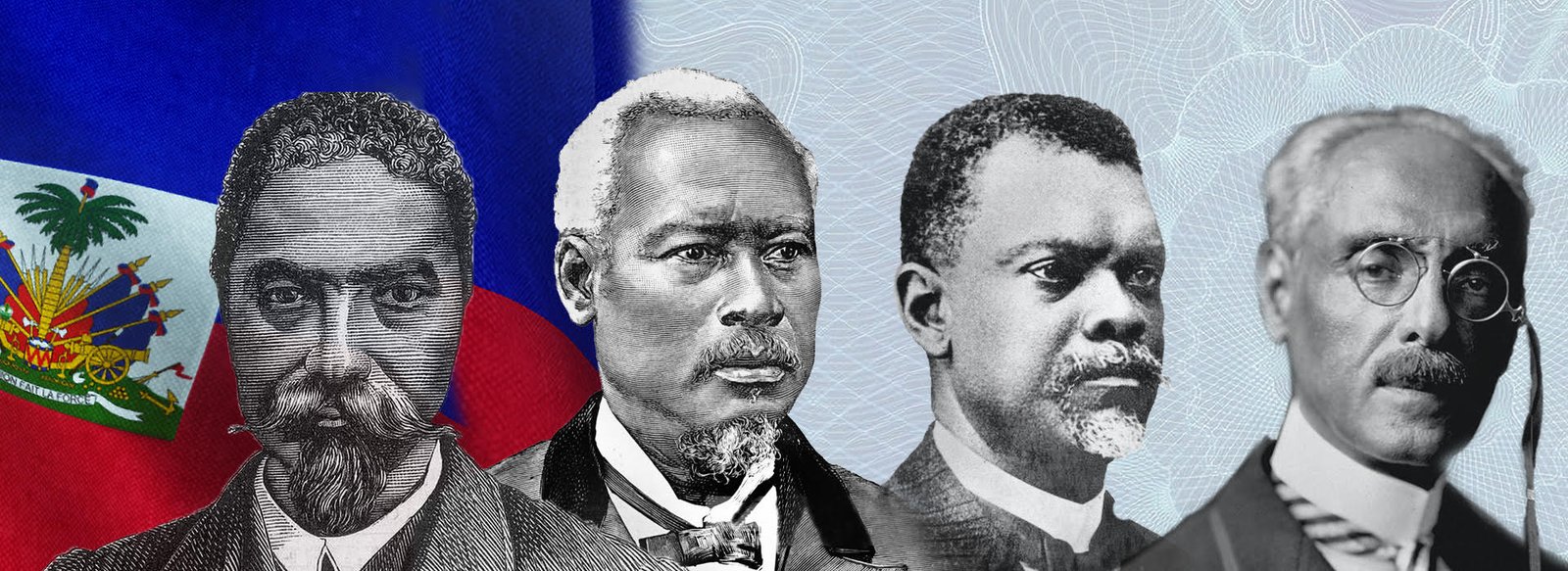
First black nation to free itself from slavery and gain independence from France in 1804 and influenced other liberation movements around the world, inspiring struggles for freedom and equality.

Natural beauty

Natural beauty

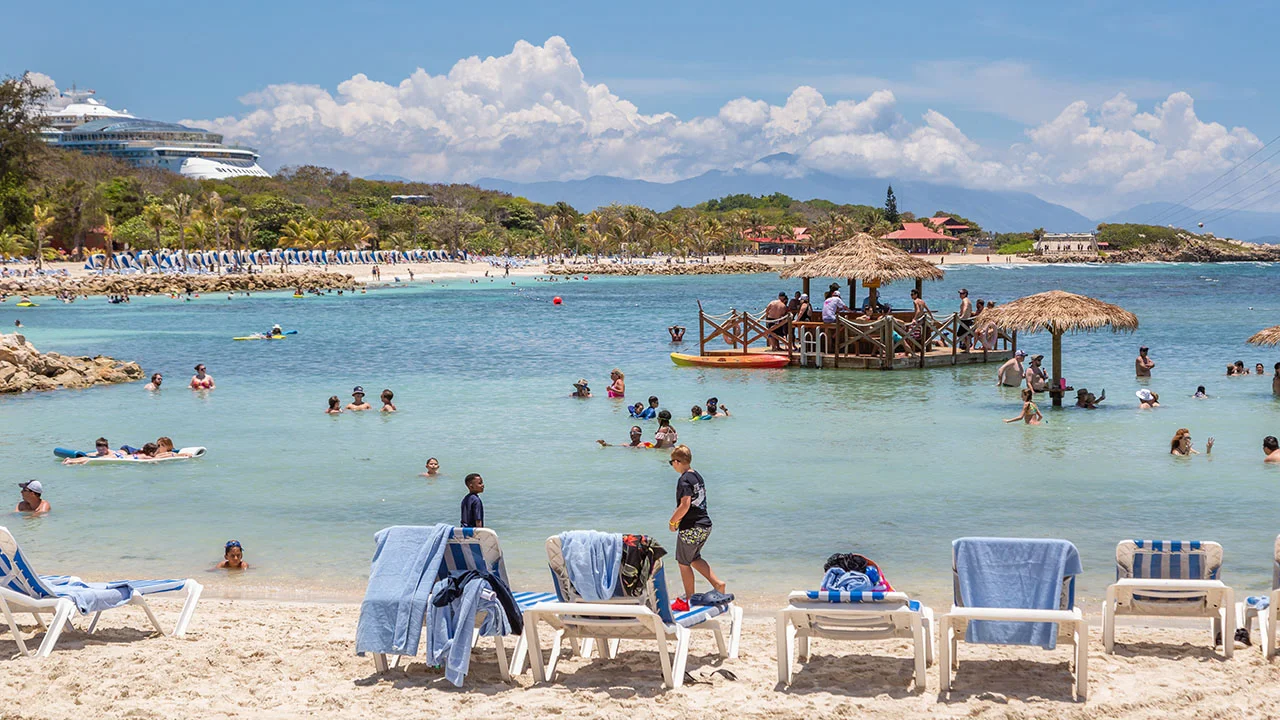
Haïti is blessed with spectacular natural landscapes, including white sand beaches, mountains and rich biodiversity.

Heritage

Heritage

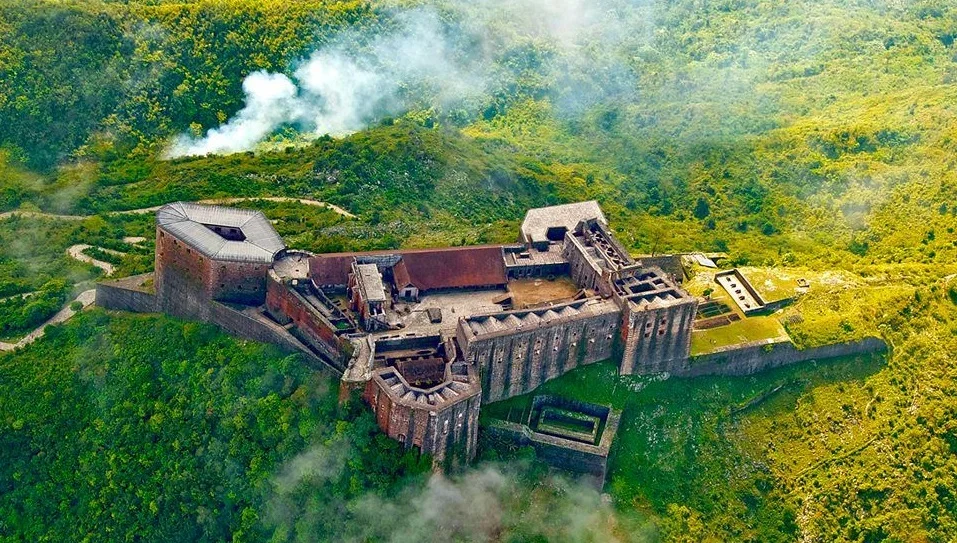
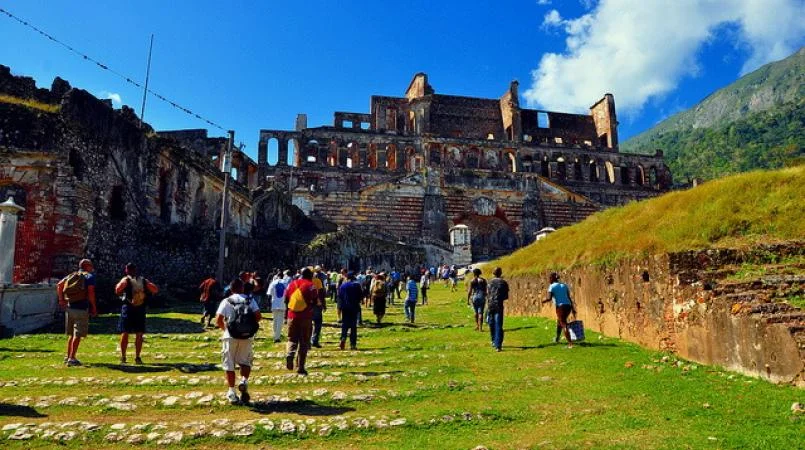
Haïti has a rich historical heritage, including sites like the Citadelle Laferrière and the Sans-Souci Palace, listed as UNESCO World Heritage Sites.

Culture

Culture

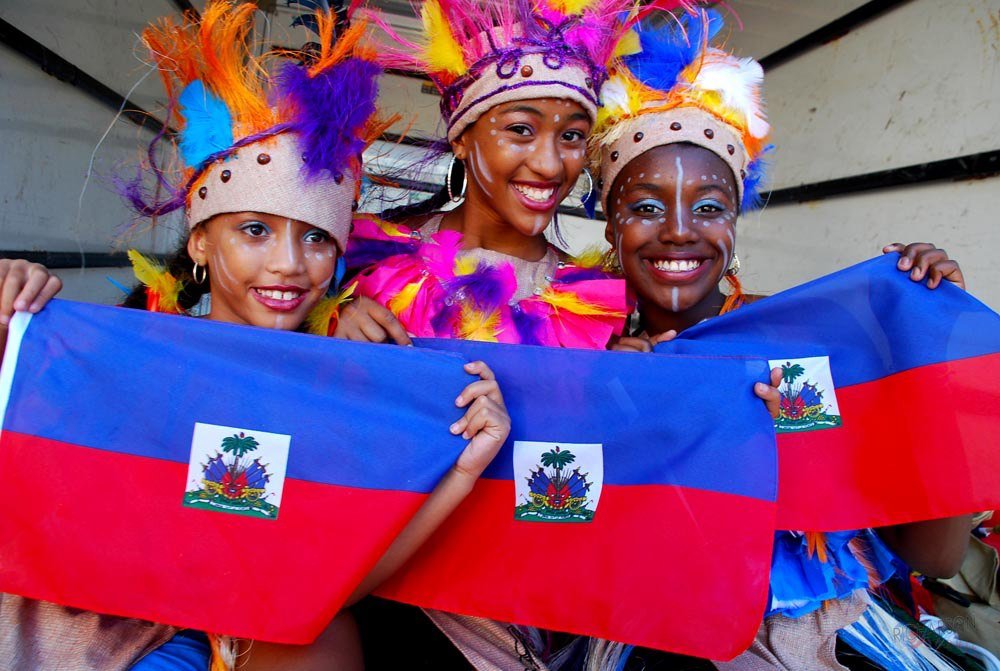
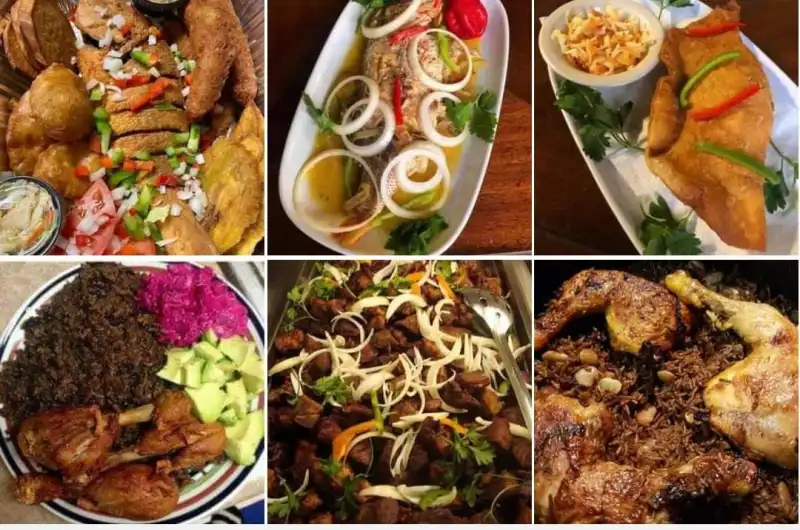
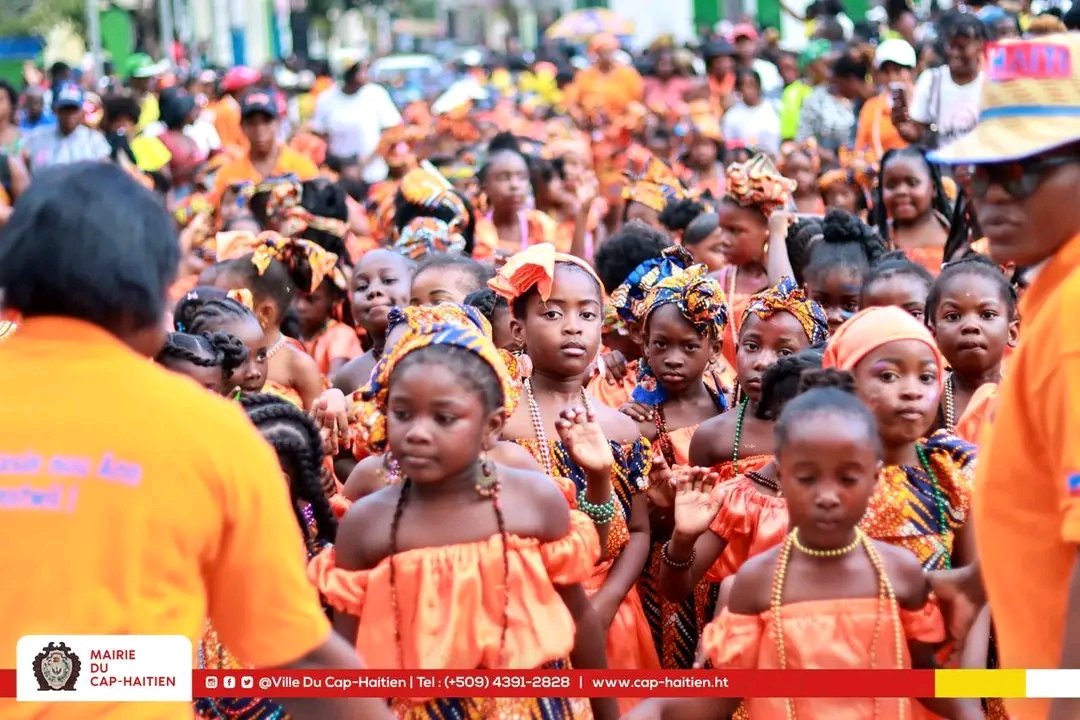
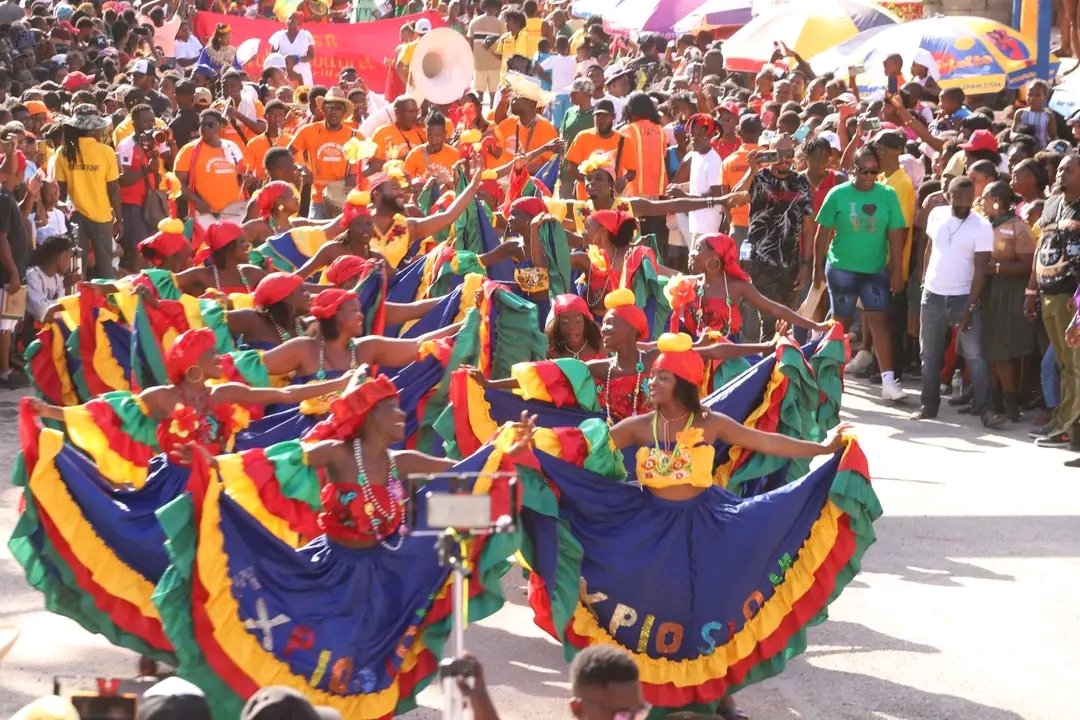
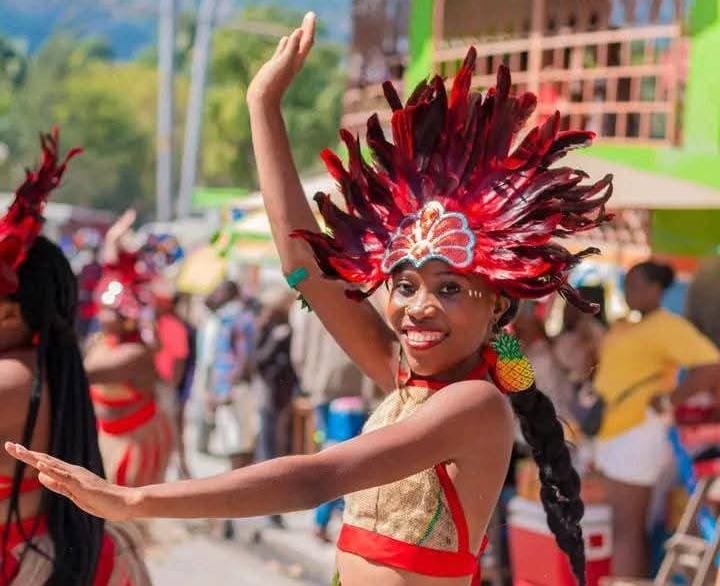
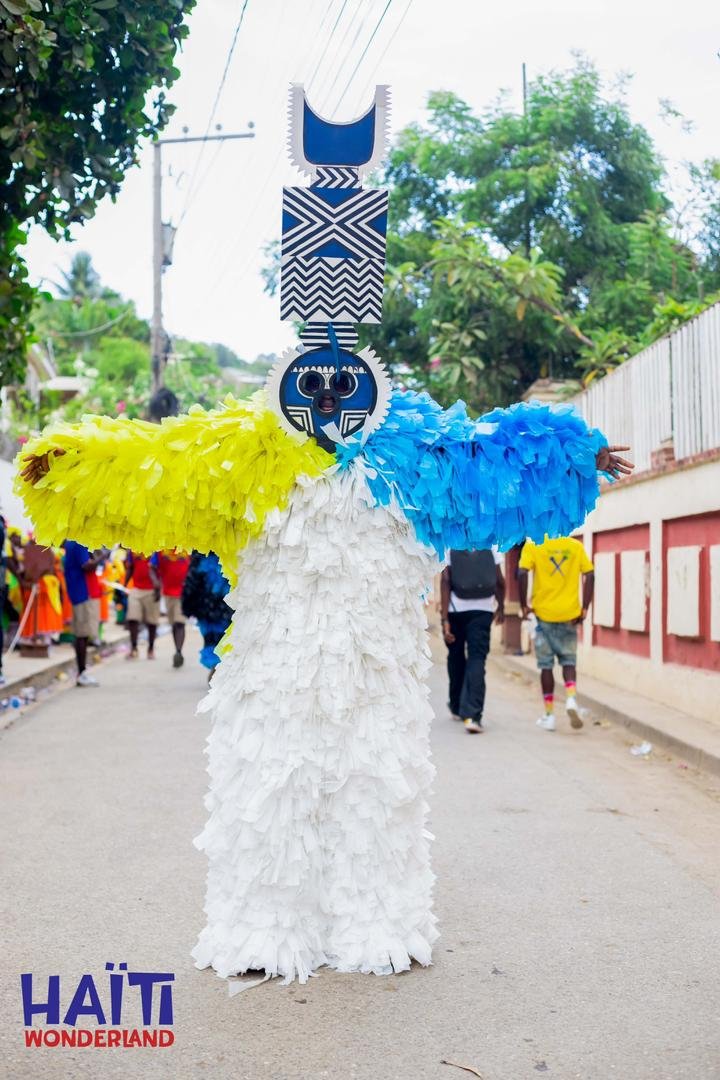
Haïti has a rich and diverse culture, influenced by African, European and indigenous elements. Haitian music, dance, art and cuisine are celebrated around the world.

  • +
    • Post